Is It Time? How to Know If You Need a New Roof
You need a new roof if you notice any of these warning signs:
- Curled, cracked, or missing shingles
- Bald spots or granules collecting in your gutters
- Dark streaks or moss growth on the roof surface
- Sagging rooflines or spongy decking
- Daylight visible through your attic
- Your roof is 20 or more years old
- Frequent or recurring leaks
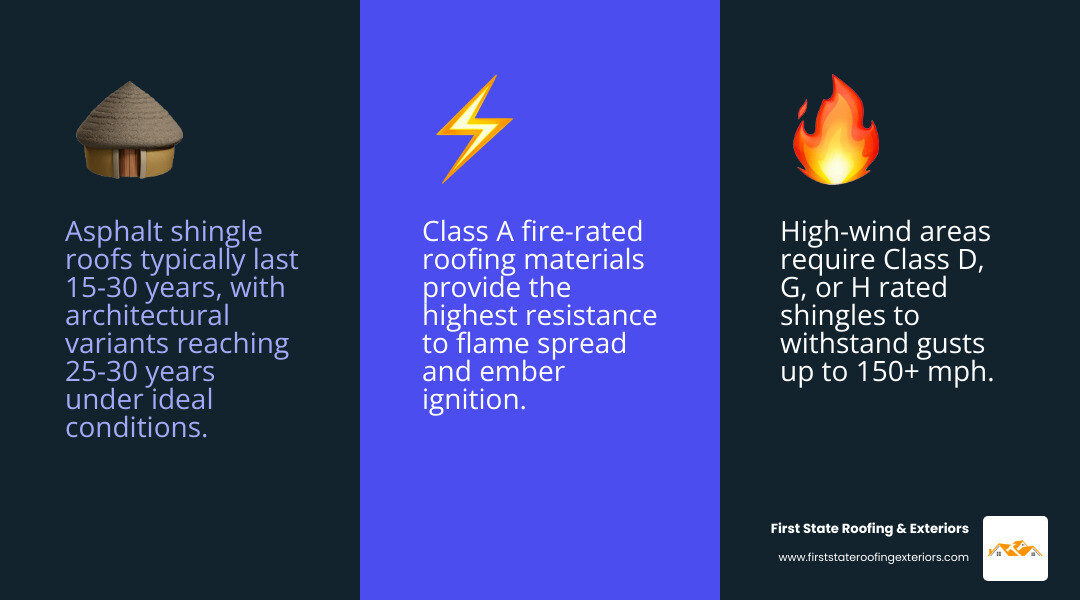
Most residential roofs last between 15 and 30 years, depending on the material, climate, and how well they’ve been maintained. But age alone isn’t always the deciding factor.
The real signal is widespread damage across multiple areas — not just one or two problem spots. A single cracked shingle is a repair. Curling edges, granule loss, and attic moisture showing up at the same time? That’s a replacement conversation.
Kent and Sussex County, DE’s climate makes this especially important. Coastal humidity, heavy rain, winter ice, and seasonal wind gusts accelerate roof wear faster than in drier regions. Many homes in older Kent and Sussex County, DE neighborhoods already have roofs at or past their expected lifespan — and some homeowners don’t realize it until water stains appear on the ceiling.
Catching the signs early can save thousands in interior repairs. If you’re unsure about your roof’s condition, First State Roofing & Exteriors offers free estimates and inspections to help you get a clear picture before small problems become big ones. Call (302) 222-4065 for a free inspection today.
I’m Richard McCain, Owner and President of First State Roofing & Exteriors Co., with over 20 years of hands-on experience helping Kent and Sussex County, DE homeowners identify when they need a new roof and guiding them through the replacement process from start to finish. I’ve seen how catching early warning signs can be the difference between a straightforward replacement and a costly structural repair — and this checklist reflects exactly what I look for on every inspection.
Need a new roof terms explained:
7 Warning Signs Your Home Needs a Roof Replacement
Determining if you need a new roof is a critical step in protecting your home’s structural integrity and long-term value. For homeowners seeking professional roofing solutions in Kent and Sussex County, DE, identifying early warning signs can prevent catastrophic water damage and costly interior repairs. This guide provides a comprehensive checklist to help you evaluate your roof’s condition, understand replacement costs, and navigate the installation process with confidence.
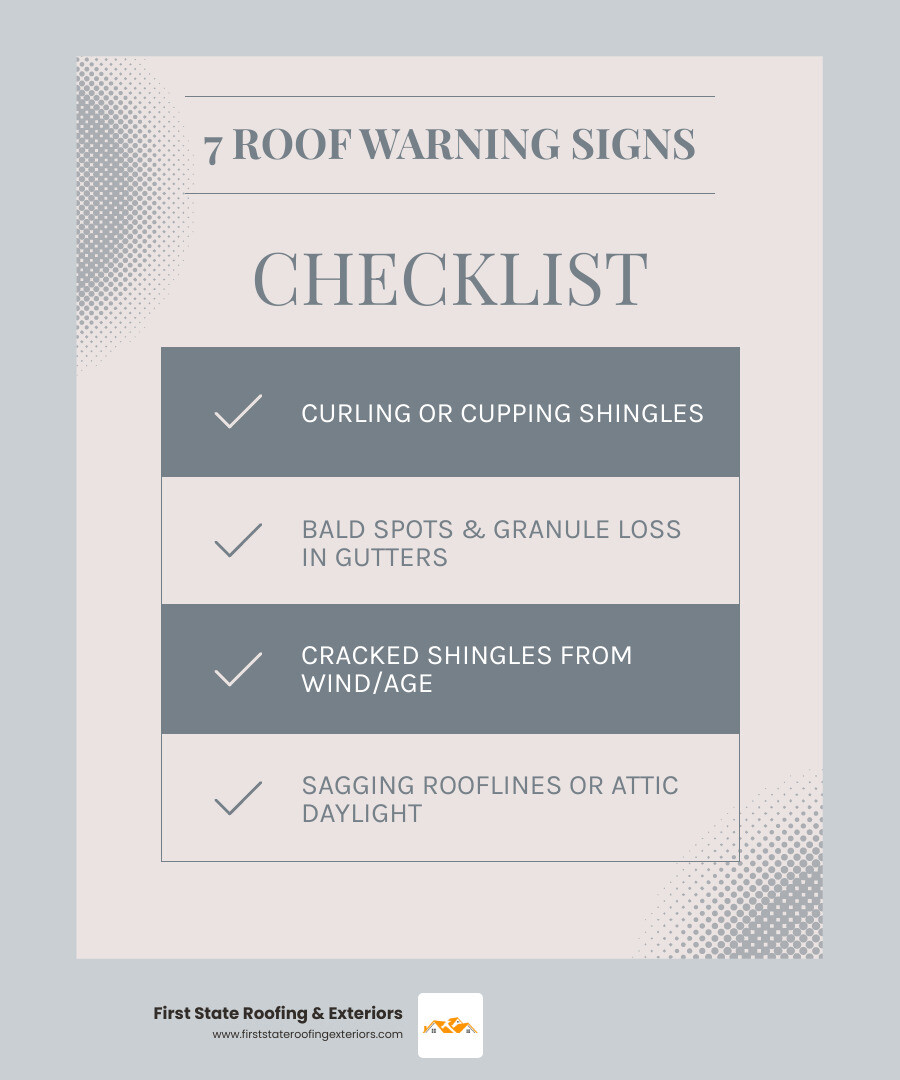
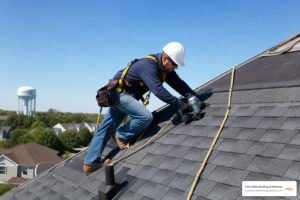
When we inspect homes in Dover or Milford, we look for specific physical failures. If your shingles are curling or “cupping”—where the edges turn upward—it’s a sign that the asphalt is drying out and losing its ability to shed water. Similarly, cracked shingles often result from wind damage or thermal expansion and contraction over many years.
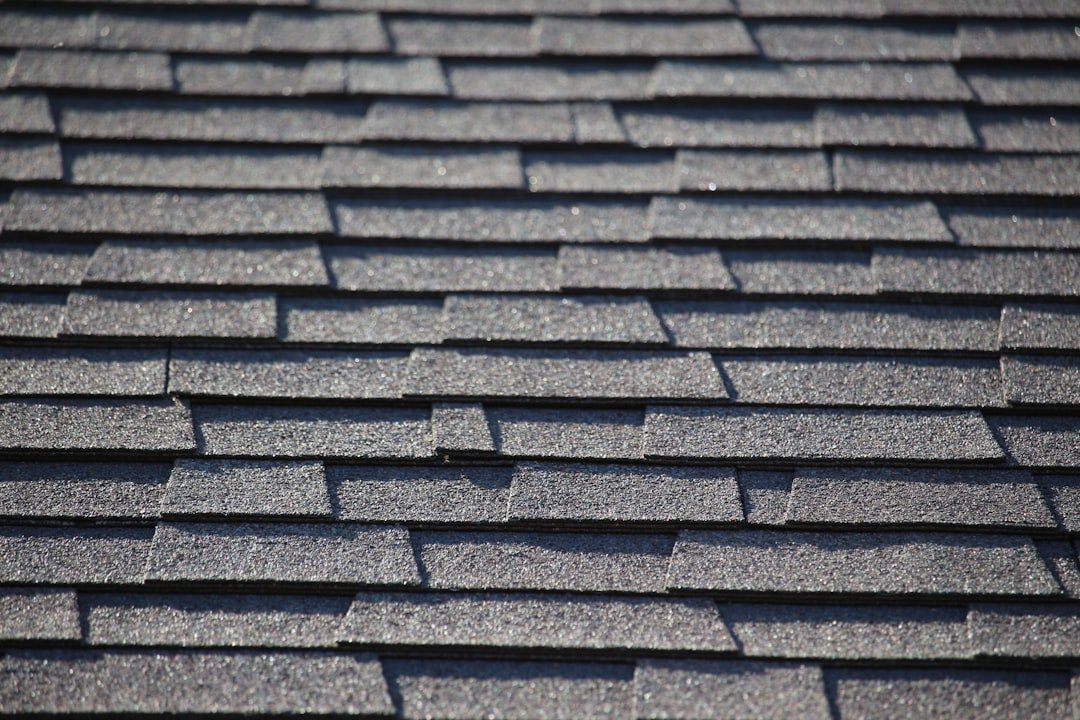
One of the most telling signs is granule loss. Asphalt shingles are coated with small stones that protect the underlying bitumen from UV rays. If you see “bald spots” on your shingles or find piles of sand-like granules in your gutters, the protective layer is gone. Without it, the sun will bake the shingles until they become brittle and fail.
We also tell our neighbors to look at the street. If your neighbors are replacing roofs and your homes were built around the same time, your roof is likely nearing its expiration date. Shared weather patterns and construction eras mean roofs in a subdivision often fail in clusters.
Visual Indicators You Need a New Roof
Don’t just look at the shingles; look at the “bones” of the house. Sagging rooflines are a major red flag indicating structural issues or rotting decking. If the roof feels “spongy” when walked upon, the plywood underneath has likely been compromised by moisture.
Inside the home, your attic is a truth-teller. On a sunny day, turn off the lights in your attic. If you see daylight leaks through the roof boards, water is definitely getting in. Check for musty attic odors or damp insulation, which suggest poor ventilation or active leaks. You might also notice bubbling interior paint or water stains on the ceiling—clear indicators that the exterior barrier has been breached.
Roofing Material Lifespans and Durability Ratings
How long your roof lasts depends heavily on what it’s made of. In Kent and Sussex County, DE, we see everything from standard shingles to high-end slate.
- Asphalt Shingles (3-Tab): These typically last 15–20 years. They are the most budget-friendly but have the shortest lifespan.
- Architectural Shingles: These are thicker and more durable, often lasting 25–30 years.
- Metal Roofing: A favorite for longevity, metal can last 40–70 years and is highly resistant to wind.
- Clay/Concrete Tile: These are incredibly durable, lasting 50–100 years, though they are very heavy.
- Slate: The “forever” roof. Real slate can last 100+ years, though it requires a significant upfront investment.
When choosing materials, pay attention to the ratings. Wind ratings (Class D, G, or H) tell you how well the roof stands up to high-velocity winds—Class H is rated for up to 150 mph. Fire ratings (UL Class A) provide the highest level of protection against external fire spread. For Kent and Sussex County, DE homeowners worried about hail, Impact Resistance (UL 2218 Class 1-4) is vital; Class 4 shingles can often lead to lower insurance premiums. For more on material selection, check out Replacing Your Roof: A Comprehensive Guide – This Old House.
| Material Type | Average Lifespan | Relative Cost | Maintenance |
|---|---|---|---|
| Asphalt Shingle | 15–30 Years | Low | Moderate |
| Metal | 40–70 Years | Medium-High | Low |
| Composite/Synthetic | 30–50 Years | Medium | Low |
| Slate | 75–150 Years | Very High | Moderate |
| Clay Tile | 50–100 Years | High | Moderate |
How Much Does it Cost When You Need a New Roof?
The national average for a roof replacement typically falls between $10,000 and $20,000, but your specific price depends on several variables. In our local area, including roofers in Seaford, DE, we calculate costs based on “squares”—a roofing square is a 10×10 foot area (100 square feet).
- Labor vs. Materials: Generally, labor accounts for about 60% of the total cost, while materials make up the remaining 40%.
- Roof Pitch: A steep roof (anything above a 7:12 pitch) requires more safety equipment and takes longer to install, increasing labor costs.
- Size and Height: A multi-story home is more expensive to roof than a ranch-style home due to the complexity of moving materials and ensuring worker safety.
- Removal Fees: Tearing off an old roof costs between $0.40 and $2.00 per square foot. If you have multiple layers of old shingles, this price goes up.
- Decking Repair: If we find rot after the tear-off, replacing the plywood decking typically costs $2.20 to $3.00 per square foot.
Additional components like underlayment, ice and water barriers, and flashing are essential for a watertight seal but add to the bottom line. For a detailed breakdown of current pricing, see our Roof Replacement Cost Guide 2025.
Repair vs. Full Replacement: The 30% Rule
We often get asked: “Can I just fix the leak?” As a general rule of thumb, if the cost of repairs exceeds 30% of the cost of a full replacement, it is usually more economical to replace the entire roof.
If your roof is past 60% of its expected lifespan and showing widespread issues, a “patch job” is often just throwing good money after bad. However, if the damage is localized—like a few shingles blown off in a storm on a 5-year-old roof—a repair is perfectly appropriate.
Deciding if You Need a New Roof or Just a Repair
When we perform an assessment, we look at shingle pliability. If the shingles are so brittle they snap when touched, they can no longer be effectively repaired. We also check the decking integrity. If the wood underneath is soft or molded, a full tear-off is the only way to ensure the home remains safe.
One option homeowners often consider is an overlay (installing new shingles over the old ones). While this saves money on labor and disposal, we generally advise against it. An overlay adds significant weight to your structure, voids many manufacturer warranties, and prevents us from inspecting the decking for hidden rot. A full tear-off is the “gold standard” for long-term protection. You can read more about these choices in The Ultimate Guide To Residential Roof Replacement Materials Timing And More.
Navigating Insurance, Financing, and Contractor Selection
If your roof was damaged by a covered peril—such as hail, high winds, or a fallen tree—your homeowners insurance may cover the replacement. It’s important to understand the difference between Actual Cash Value (ACV), which pays out based on the depreciated value of the roof, and Replacement Cost Value (RCV), which covers the full cost of a new roof today.
If you don’t have the cash upfront and insurance isn’t an option, there are several ways to fund the project:
- Financing: Many roofing companies (including us!) offer specialized financing plans.
- HELOC or Home Equity Loans: These allow you to borrow against the value of your home.
- Government Grants: Programs like the HUD Section 504 Home Repair program provide loans or grants to very low-income homeowners for critical repairs.
When hiring a contractor, don’t just go with the lowest bid. Ensure they have current licensing in Kent and Sussex County, DE, workers’ compensation, and liability insurance. Ask for manufacturer certifications (like GAF Master Elite), which allow the contractor to offer extended warranties that uncertified roofers cannot. Always get a written contract that includes a lien waiver to protect you if the contractor fails to pay their material suppliers. For more tips on the hiring process, visit How to Replace a Roof From Start to Finish | Angi or our Roofing Installation Complete Guide.
Frequently Asked Questions about Roof Replacement
Does homeowners insurance cover a new roof?
Insurance typically covers replacement for sudden, accidental damage from covered perils like wind or hail. However, it does not cover “wear and tear” or general aging. If your roof is simply 25 years old and leaking because it’s worn out, insurance will likely deny the claim.
Can I install a new roof over my old one?
While most building codes allow for up to two layers of shingles, we almost always recommend a full tear-off. Overlaying hides potential deck rot, adds thousands of pounds of weight to your home, and can shorten the lifespan of the new shingles because they trap more heat.
How long does a typical roof replacement take?
For a standard single-family home using asphalt shingles, the installation usually takes 1 to 3 days. Factors like weather, roof complexity, and material type (like slate or tile) can extend this timeline to a week or more.
Conclusion
A new roof is one of the most significant investments you’ll make in your home. Beyond just stopping leaks, it boosts your home value, can lower your insurance premiums, and improves energy efficiency through better ventilation and reflective materials.
To keep your new investment lasting as long as possible, we recommend:
- Annual Inspections: Catch small issues before they require a full replacement.
- Gutter Maintenance: Keep water flowing away from the roof edge.
- Tree Trimming: Prevent branches from rubbing against or falling on shingles.
At First State Roofing & Exteriors, we take pride in being local experts who treat every home like our own. Whether you’re in Dover, Milford, or anywhere in Kent and Sussex County, DE, we are here to provide transparent, honest advice on whether you truly need a new roof. For more info about roof replacement services, visit our service page.
We provide free, no-obligation estimates to ensure your peace of mind. Call (302) 222-4065 to schedule a free inspection today. Let us help you protect what matters most.