
Hear from Our Customers
Living at the eastern end of Route 6 means your home sits in the direct path of Delaware Bay winds, salt air, and whatever the next nor’easter decides to push inland. That’s not the same environment as a subdivision off Route 9 or a newer development closer to Smyrna.
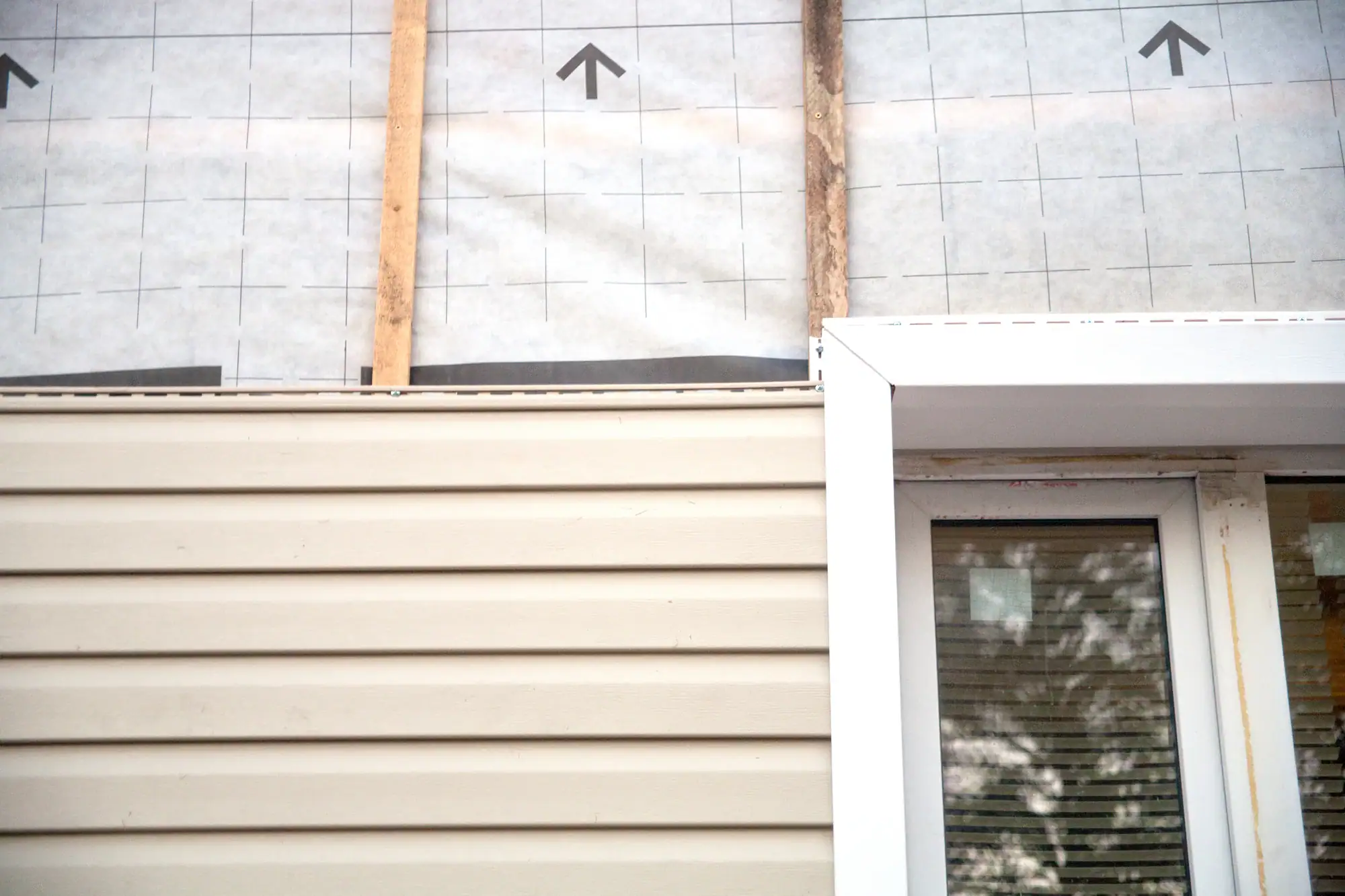
The siding on your home isn’t just a cosmetic layer — it’s the barrier between your wall cavities and everything the bay throws at it year-round. When that barrier is doing its job, the difference is real. Moisture stops cycling through your walls. Mold and rot don’t get the foothold they’re looking for. Your heating and cooling bills stop leaking out through compromised seams.
The next time a coastal storm rolls through and the National Weather Service puts Woodland Beach on its flood impact list, you’re not standing in your living room wondering what’s happening behind your siding. The homes in this community are older than most in the surrounding ZIP code, and many have been absorbing salt air and storm exposure for decades.
Getting the right siding installed — the right material, properly sealed, with a moisture barrier that’s actually rated for this environment — means you stop patching problems and start protecting what you’ve built here.
We’re based in Smyrna — eight miles west of Woodland Beach on the same Route 6 you drive every time you leave the peninsula. That proximity isn’t accidental. We already know Kent County’s coastal conditions, the older housing stock common to bay communities like Woodland Beach, and what Delaware’s humidity and freeze-thaw cycles do to exterior cladding over time.
We’ve been operating for over 22 years, hold a BBB A+ rating, and maintain a 5.0 out of 5 across 63 verified reviews. Melissa and Richard McCain run the company, and every project is handled in-house by our own trained, insured crew. No subcontractors show up at your door unannounced. No handoff mid-project to a crew you’ve never met.
In a community as small and close-knit as Woodland Beach, who’s actually doing the work on your home matters. Our track record in Kent County is built on exactly the kind of accountability that a tight community like this one holds contractors to.
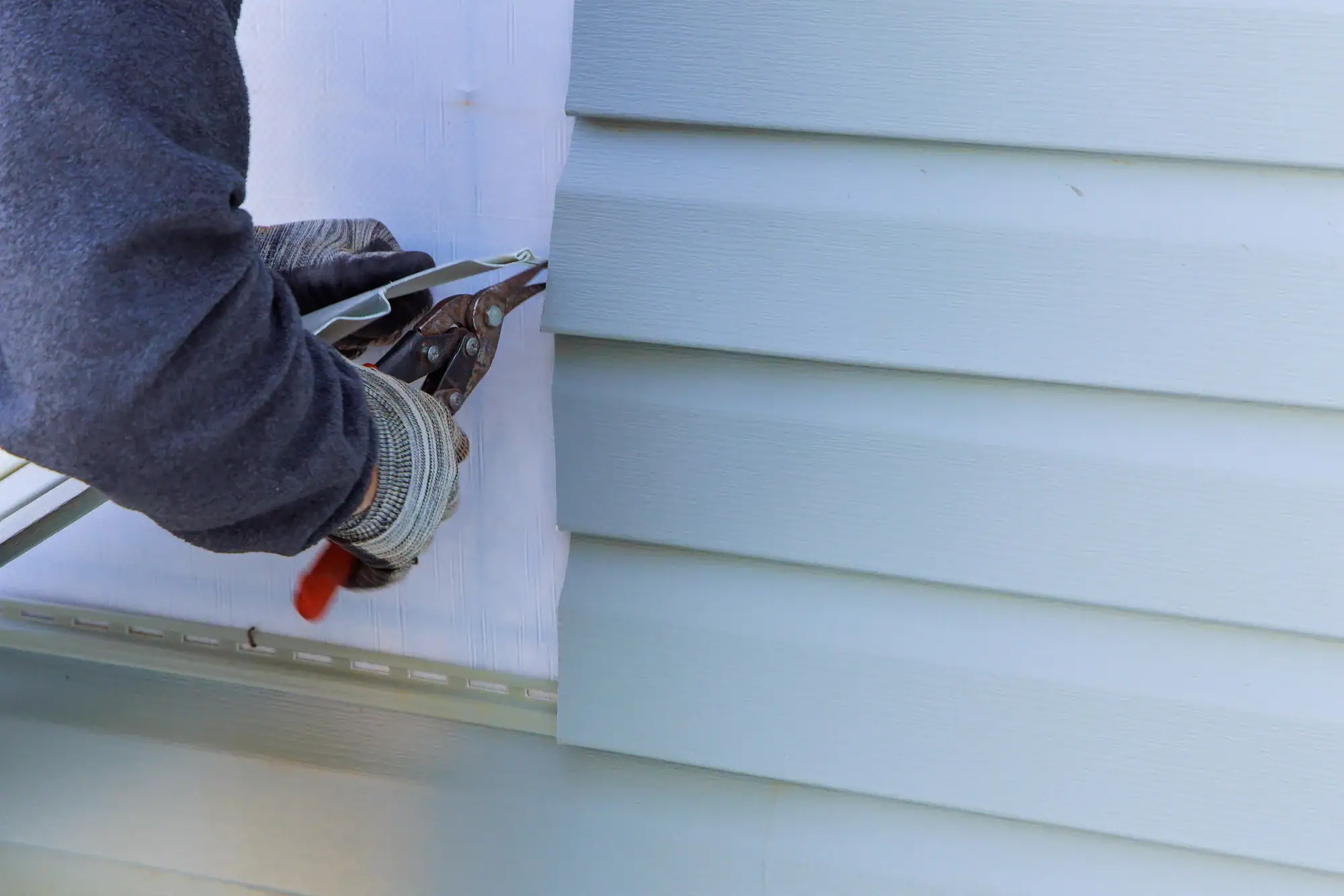
It starts with a free consultation and a detailed inspection of your existing siding. For homes in Woodland Beach, that inspection matters more than it does in most places. Salt air, wind-driven rain off the bay, and years of humidity cycling through older wall assemblies can leave damage that isn’t visible until the old siding comes off.
We look at what’s actually there before any scope of work is written — so you know what you’re dealing with upfront, not halfway through the job. Once the inspection is complete, you get a written estimate with a clear scope. If the old siding needs to come off — and in most cases it should, specifically so the underlying structure can be assessed — that’s included in the plan.
We handle all permitting required by Kent County, since Woodland Beach is an unincorporated community under county jurisdiction. You don’t have to navigate that process yourself. Installation typically takes two to five days depending on the size of your home and the material being used.
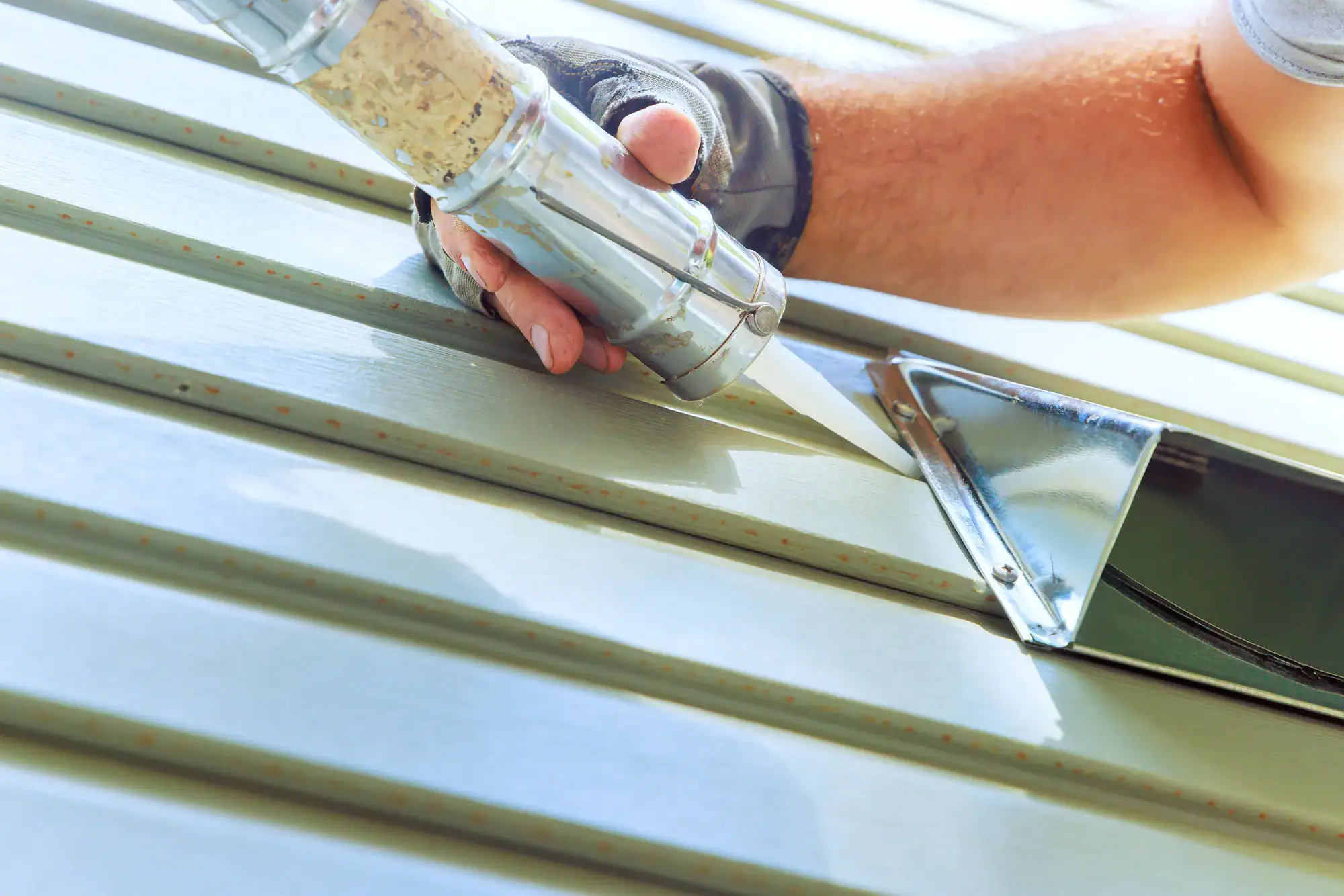
Every project includes moisture barrier installation and weatherproof sealing at the seams — standard on every job, not an add-on. When our crew leaves, the site is clean. That’s not a promise made to sound good; it’s one of the things reviewers specifically mention, repeatedly, across our verified ratings.
Ready to get started?
We install both vinyl and fiber cement siding, and the conversation about which one is right for your home is part of the process — not an afterthought. For a house on Woodland Beach Road or Delaware Avenue, sitting within a short walk of the bay shoreline, that conversation includes real factors: how much direct salt air exposure your home gets, the age of your current wall assembly, what the wind load looks like on your specific elevation, and what your budget allows for long-term protection versus short-term cost.
Fiber cement is more moisture-resistant and handles wind stress better than standard vinyl — relevant details for a home in a community that the Delaware Coastal Flood Monitoring System actively tracks. Vinyl is still a strong performer in Delaware’s climate and may be the right call depending on your home’s age, orientation, and how you weigh upfront cost against lifespan. You’ll get an honest recommendation either way.
Every siding project includes full removal of the old material, a structural inspection of what’s underneath, moisture barrier installation, trim work, and final sealing. If we find rot, compromised sheathing, or moisture damage behind the existing siding — which is not uncommon in homes that have been absorbing bay exposure for decades — we tell you in writing before any additional work begins.
We also assist with insurance claims for storm-damaged siding, which is a real and recurring situation for homeowners in Woodland Beach, given the community’s documented coastal storm history. Financing is available for homeowners who want to move forward without waiting.

Yes, and it’s one of the more underappreciated factors in coastal Kent County. Salt air carries chloride particles that accelerate the breakdown of surface finishes on vinyl siding — causing premature chalking, fading, and in some cases brittleness that makes panels more vulnerable to cracking under wind stress. The effect is most pronounced on homes closest to the water, and in Woodland Beach, that describes essentially the entire community.
Standard vinyl siding installed on a home in Smyrna or Dover will typically outlast the same product installed on a bay-front home in Woodland Beach, simply because the exposure conditions are categorically different. This is why material selection and installation quality matter more here than they do inland. Thicker vinyl with UV-resistant finishes, or fiber cement as an alternative, can significantly extend the lifespan of your exterior in a salt-air environment. When we evaluate your home, the proximity to the bay is part of the assessment — not an afterthought.
This is one of the most common situations homeowners in Woodland Beach face after a significant coastal storm event. Wind-driven rain at high velocity can breach siding seams, lift panel edges, and drive moisture behind the cladding layer — all without leaving obvious exterior damage that’s visible from the curb. What you’ll often see eventually is mold, interior moisture, warped drywall, or a musty smell in exterior-facing rooms, by which point the damage behind the siding has already been building for weeks or months.
After a storm that prompts a National Weather Service coastal flood advisory for Woodland Beach — which happens with real regularity given the community’s bay-front position — it’s worth having a contractor walk the exterior and look at the seams, panel edges, and any areas where wind direction would have driven rain hardest. We offer storm damage assessments and can document the findings for an insurance claim if the damage qualifies. Many homeowners don’t realize their homeowners insurance may cover storm-damaged siding, and having a contractor who handles both the assessment and the claims assistance makes that process significantly less complicated.
Both materials are solid performers in Delaware’s climate, but they’re not identical in how they handle the specific conditions that Woodland Beach homes deal with. Vinyl is moisture-resistant, won’t rot, and holds up well against Delaware’s humidity and freeze-thaw cycles. It’s the most widely installed siding material in the state, and for good reason — it performs reliably and the cost is generally lower than fiber cement.
Fiber cement has the edge in a few areas that matter specifically for coastal exposure. It handles wind stress better, is more resistant to the kind of moisture intrusion that comes with storm surge and tidal spray, and doesn’t chalk or fade from salt air the way vinyl can over time. The tradeoff is that it costs more upfront and the installation is more involved. For a home right on the bay, that upfront investment often makes sense over the long run. For a home further back from the shoreline, vinyl may be the more practical choice. We’ll walk through both options with you based on your home’s specific position, age, and the condition of what’s currently on the walls.
Yes. Woodland Beach is an unincorporated community, which means it falls under Kent County jurisdiction rather than a municipal government. Kent County requires a building permit for exterior siding replacement, and contractors working anywhere in Delaware must be registered with the Delaware Department of Labor’s Office of Contractor Registration before work begins — that’s a state-level requirement that applies regardless of location.
The practical implication for you as a homeowner is that hiring an unregistered contractor for siding work creates real liability exposure, and unpermitted work can surface as a problem when you go to sell the property. We handle all permitting as part of every siding project — you don’t have to figure out Kent County’s permit office or verify contractor registration yourself. That’s included in the process from the start, not a separate conversation at the end.
Most siding installation projects take between two and five days from start to finish, depending on the size of the home, the material being installed, and what’s found during the removal phase. For homes in Woodland Beach specifically, the removal phase is worth paying attention to. Older homes — and this community has a significant number of them, some dating back to the early-to-mid 20th century — can reveal moisture damage, rot, or compromised sheathing once the existing siding comes off.
When that happens, addressing it properly adds time to the project, but it’s time that protects the rest of the investment. Weather is also a practical factor. Coastal storms and nor’easters can affect scheduling for exterior work, particularly in fall and winter when Woodland Beach’s bay exposure makes conditions less predictable. Spring through early fall is generally the best installation window, though we work year-round and will be straightforward with you about timing based on what’s on the forecast. The goal is always to complete the project without rushing through steps that matter.
Financing is available through First State Roofing & Exteriors Co., and for Woodland Beach homeowners it’s a genuinely practical option worth considering. Siding replacement is a significant project cost, and homes in this community tend to be smaller and older than the broader Smyrna-area average — which means the project cost can represent a meaningful percentage of the home’s total value.
Waiting to save up while your siding continues to degrade in a salt-air, high-humidity, storm-exposed environment isn’t always the lower-cost path it appears to be. Moisture damage that gets behind compromised siding compounds over time, and what starts as a siding replacement can become a siding replacement plus structural repair if the timeline stretches out too long. Financing lets you address the problem on the right schedule — before the next coastal storm season, before the damage underneath gets worse — without having to front the entire project cost at once. The specifics of what’s available will be covered during your free consultation. There’s no pressure involved; it’s simply an option that’s on the table if it makes the project more accessible for your situation.
Other Services we provide in Woodland Beach