
Hear from Our Customers
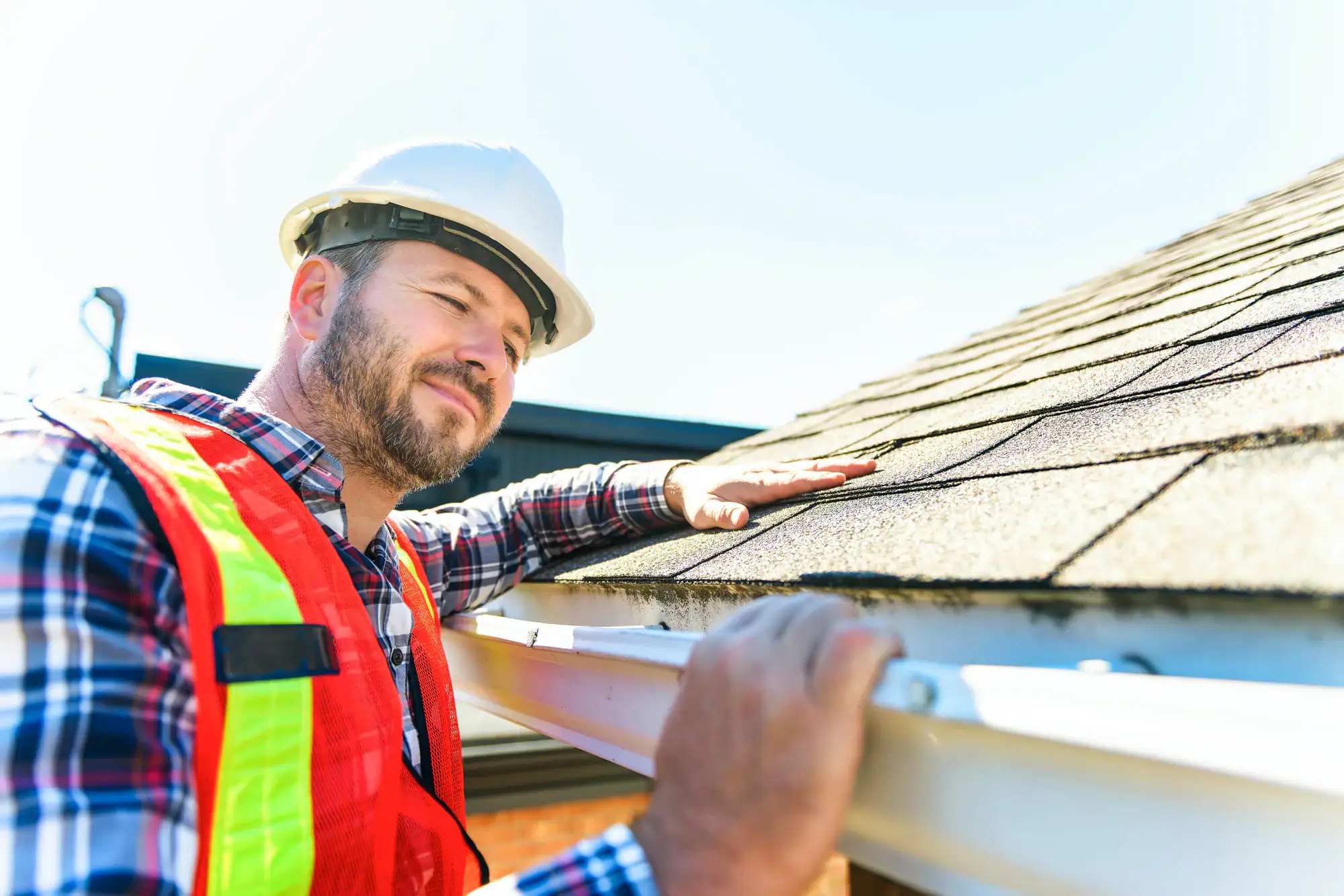
Most roofing decisions get made after something goes wrong. A leak shows up, shingles go missing after a nor’easter, or a home inspection flags the roof as a liability. By that point, you’re already dealing with the consequences of a roof that wasn’t keeping up with what Woodland Beach throws at it. Getting ahead of that is where the real value is.
Woodland Beach homes sit directly on the open western shore of the Delaware Bay, and the salt air here is relentless. It doesn’t take decades to corrode metal flashing, eat through fasteners, or degrade the seals around your ridge cap — it takes a few seasons of consistent bay exposure. When roofing materials are specified correctly for this environment, with corrosion-resistant components and proper underlayment for high-humidity coastal conditions, the roof actually holds up instead of quietly failing between inspections.
There’s also the age factor. A lot of the homes in Woodland Beach date back to the mid-20th century, with some going back even further. These aren’t new builds with modern ventilation systems and current-code decking. An older home on an exposed bayfront lot needs more than a standard replacement — it needs someone who’s going to assess what’s underneath and make sure the new roof is actually suited to the structure and the location. That’s the difference between a roof that lasts and one that keeps you calling for repairs.
We’re based in Smyrna — about eight miles west of Woodland Beach on Route 6. That’s not a coincidence worth glossing over. When you’re in a community with one road in and one road out, having a roofing contractor already nearby matters, especially when that road floods after a storm and you’re trying to get someone on-site quickly.
We’ve been operating in Kent County for over 22 years, are licensed through the Delaware Division of Professional Regulation, carry full General Liability and Workers’ Compensation insurance, and are BBB accredited. Richard McCain, our owner and president, puts his name on every job — this isn’t a franchise or a rotating crew of subcontractors. The same team that gives you the estimate is the team that shows up to do the work.
Woodland Beach residents have a specific set of concerns that don’t apply to homeowners in Dover or Smyrna. Open bay exposure, aging housing stock, salt air corrosion, and the reality of storm-driven access disruptions are all part of the picture here. We understand that context and work accordingly.
It starts with a free roof inspection. A member of our team comes out, walks the roof, documents the condition with photos, checks the decking and flashing, assesses ventilation, and gives you a straight read on what you’re dealing with. For older Woodland Beach homes, this step matters more than it might in a newer subdivision — the condition of what’s underneath the shingles can change the scope of the project significantly.
From there, you get a written estimate with the full scope of work laid out clearly — materials, labor, timeline, and warranty terms. If the damage is storm-related, we work directly with your homeowner’s insurance provider to help document the claim and navigate the process. You don’t have to figure out the adjuster conversation on your own.
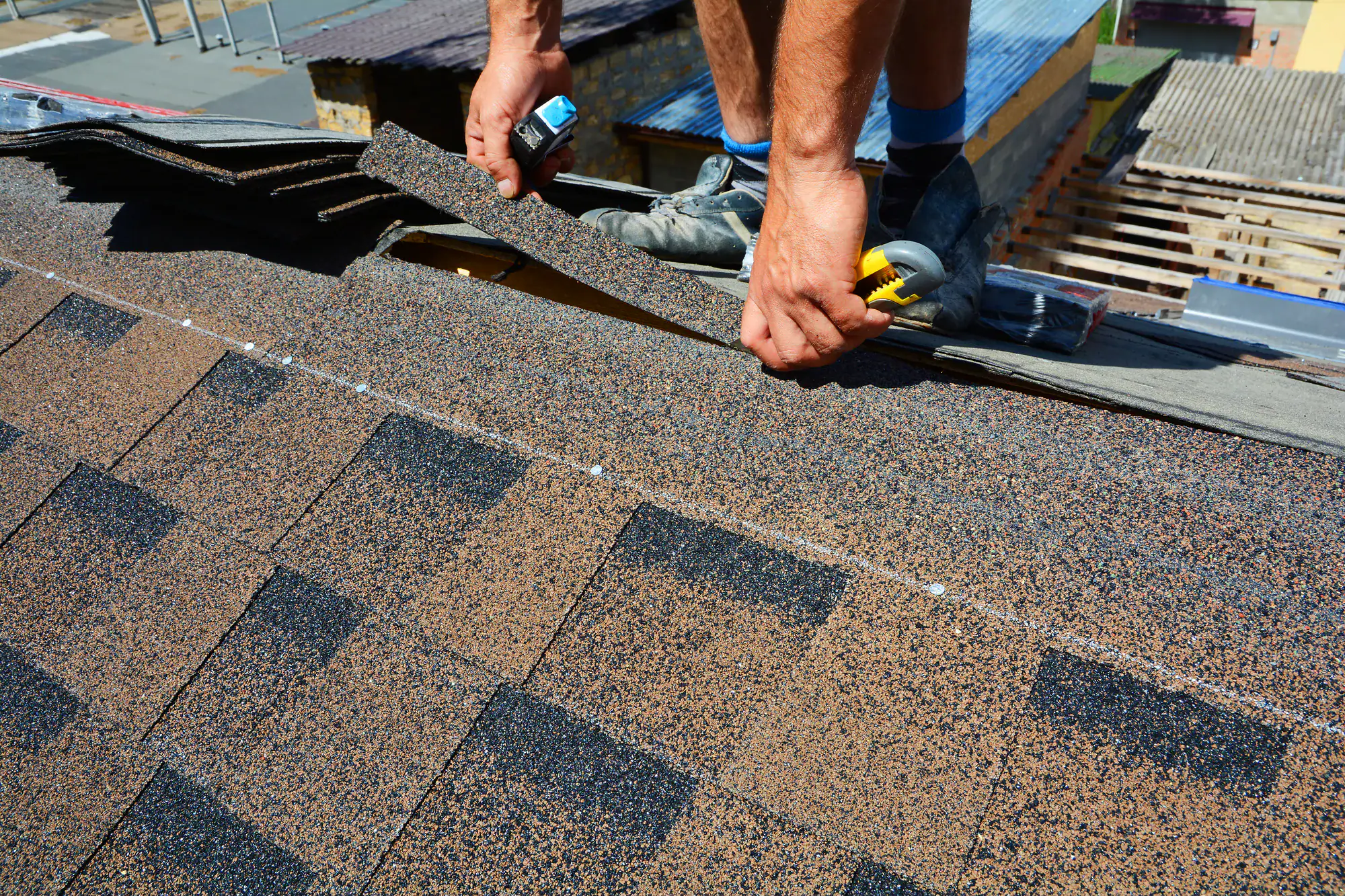
Once the project is approved and scheduled, our crew handles everything from tear-off to final cleanup. Because Woodland Beach is accessible only via Route 6, we coordinate scheduling around weather and road conditions to make sure the project runs without interruption. Kent County building permit requirements apply to full roof replacements in unincorporated areas like Woodland Beach, and we handle that process as part of the job. When our crew leaves, the site is clean — no nails in the driveway, no debris left behind.
Ready to get started?
We handle the full range of residential roofing work — replacements, repairs, inspections, maintenance, and 24/7 emergency response for storm damage. For Woodland Beach homeowners, emergency availability isn’t a minor detail. When a storm comes through the bay and damages your roof, the ability to call someone at any hour and get a real response is the difference between a contained problem and a compounding one.
On the materials side, not everything that works fine in a Dover neighborhood is the right call for a home sitting on the open Delaware Bay. Algae-resistant shingles are strongly recommended for this area — the bay’s humidity accelerates the growth of Gloeocapsa magma, the dark-streaking algae that shortens shingle lifespan if left unchecked. Metal components need to be specified for salt air exposure, and ventilation has to be assessed carefully on older homes where the original construction didn’t account for modern performance standards.
Beyond roofing, we also handle siding, gutters, windows, and skylights — so if a storm damages more than just the roof, you’re not coordinating three separate contractors. Financing is available for larger projects, which is worth knowing if you’re looking at a full replacement on an older bayfront home. We offer free estimates and free inspections with no obligation — a straightforward way to find out exactly where things stand before committing to anything.

Salt air is one of the more damaging environmental factors a roof can face, and Woodland Beach sits directly on the open bay with no inland buffer to reduce the exposure. What happens over time is gradual but consistent — salt particles carried in the air corrode metal flashing, ridge cap fasteners, gutter connections, and any exposed metal components on the roof. The corrosion weakens the seals and connections that keep water out, and by the time you notice a problem, the underlying damage is usually further along than the visible signs suggest.
The practical implication is that material selection matters more in Woodland Beach than it does eight miles inland in Smyrna. Corrosion-resistant metal components, proper flashing specifications, and quality underlayment are not upsells here — they’re the baseline for a roof that’s going to hold up in this environment. Getting an inspection every couple of years, rather than waiting for visible damage, is also more important in a high-exposure bayfront location than in a standard residential neighborhood.
The honest answer depends on a few things: the age of the roof, the extent of the damage, and the underlying condition of the decking and structure. A targeted repair makes sense when the damage is isolated — a few missing shingles, a section of flashing that lifted, a small area of water intrusion that hasn’t spread. But when the roof is already aging and the damage is more widespread, repairs can become a cycle of recurring costs that adds up to more than a replacement would have cost upfront.
For older homes in Woodland Beach, this calculation has an added layer. Many of the homes here were built in the mid-20th century, and a roof that’s been through multiple Delaware Bay storm seasons may have more underlying wear than is visible from the ground. An inspection that goes beyond the surface — checking decking condition, ventilation, and flashing integrity — gives you a real picture of what you’re working with. From there, you can make a decision based on actual information rather than guessing. We offer free inspections specifically so you’re not making that call blind.
In most cases, yes — storm damage from wind, hail, or water intrusion caused by a covered weather event is covered under a standard homeowner’s insurance policy. The challenge is in the documentation and the claims process. Insurance adjusters assess damage based on what’s visible and what’s been properly documented, and if the documentation is incomplete or the damage isn’t clearly attributed to the storm event, claims can be underpaid or denied.
This is an area where having an experienced roofing contractor involved early makes a real difference. We work directly with homeowners’ insurance providers and help document storm damage in a way that supports the claim — photos, written assessments, and clear communication about what happened and what it will take to fix it. For Woodland Beach homeowners who’ve dealt with bay storms, this kind of support during the claims process is worth a lot. The University of Delaware Coastal Flood Monitoring System maintains a dedicated monitoring station for Woodland Beach, which speaks to how seriously the area’s storm exposure is taken at a regional level — and that context matters when you’re filing a claim.
For most older homes in Woodland Beach, architectural asphalt shingles with algae-resistant granules are the most practical starting point — they perform well in high-humidity coastal environments, resist the dark staining caused by Gloeocapsa magma algae, and are available in wind-rated options appropriate for open bay exposure. The algae issue is particularly relevant here because the bay’s moisture-laden air accelerates growth in ways that don’t affect homes further inland.
Metal roofing is worth considering for homes that have already gone through multiple replacement cycles — a properly installed metal roof can last significantly longer than asphalt in a coastal environment, and modern metal roofing systems are designed to handle salt air exposure when specified with the right coatings and fasteners. The tradeoff is upfront cost, which is where financing can help. For older homes specifically, the condition of the roof decking also has to be assessed before any new material goes on — if the decking has deteriorated from years of moisture exposure, that needs to be addressed as part of the project, not after the fact.
This is a legitimate concern for anyone living in Woodland Beach, and it comes down to two things: where the contractor is based and whether they actually offer emergency availability. Route 6 is the only road into Woodland Beach, and it floods after significant rain events. That means there’s a window after a major storm where access may be limited until the road clears — and during that window, the condition of your roof determines how much additional damage accumulates.
We’re based in Smyrna, directly connected to Woodland Beach via Route 6 — about eight miles away. We’re the closest established roofing contractor to this community. We offer 24/7 emergency roof repair service, which means you can call at any hour, get a real response, and start the process of securing the roof as soon as access is available. Temporary measures to stop active water intrusion can be deployed quickly once our crew can reach the property, limiting the damage while the full repair or replacement is planned.
Yes. Woodland Beach is an unincorporated community in Kent County, which means it falls under Kent County’s building permit and inspection requirements rather than a municipal code. A full roof replacement requires a building permit through Kent County, and the work needs to meet Delaware’s adopted building code standards — currently based on the International Residential Code — including wind load requirements that apply to bayshore communities in Kent County.
We handle the permit process as part of the project. It’s also worth knowing that because Woodland Beach sits in a documented coastal flood zone area — the University of Delaware Coastal Flood Monitoring System maintains a dedicated monitoring station here — certain structural work may also need to account for FEMA National Flood Insurance Program requirements regarding flood-resistant materials and elevation considerations. A licensed contractor who knows this area will factor that in from the start, rather than running into compliance issues mid-project. That’s one of the real advantages of working with someone who’s been operating in Kent County for over 22 years rather than a contractor who’s unfamiliar with the local regulatory environment.
Other Services we provide in Woodland Beach