
Hear from Our Customers
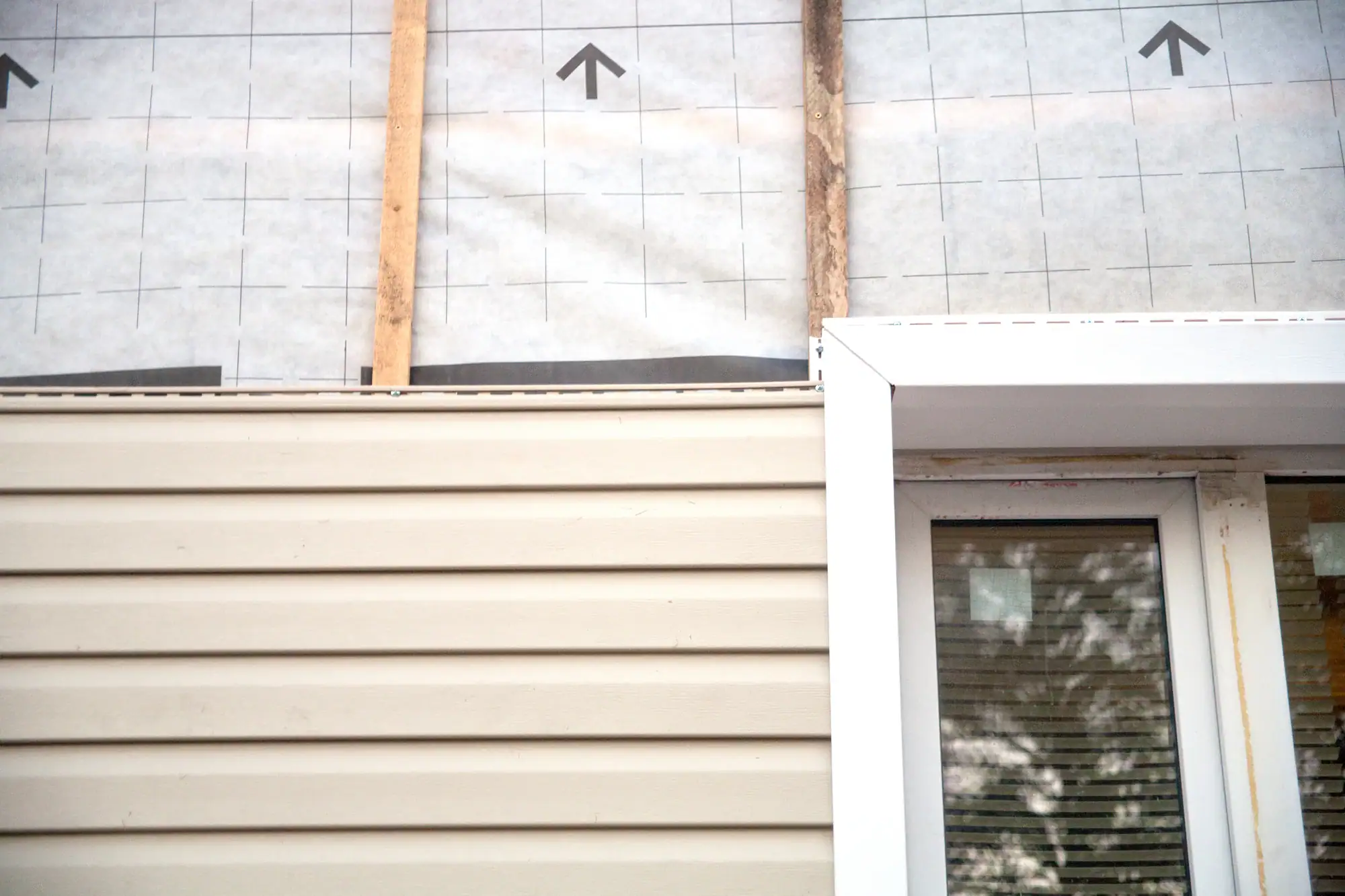
A lot of homes in and around Whigville were built in the 1980s and 1990s. That means a lot of original vinyl siding is now pushing 35 to 40 years old — right at the edge of, or past, its expected lifespan. From the outside, it might look okay. But when siding gets that old in a climate like Delaware’s, with 44-plus inches of rain every year and freeze-thaw cycles running through the wall every winter, the real damage tends to hide behind the panels until it can’t anymore.
When that siding gets replaced properly, moisture stops finding its way into the wall cavity. Mold and rot stop building up behind surfaces you can’t see. Your heating and cooling stops bleeding out through gaps and failed seams. The home feels tighter, more stable, and easier to maintain going forward.
For Whigville residents, there’s also the exposure factor. Rural homes out here sit in open agricultural landscape — no neighboring structures, no dense tree lines breaking the wind before it hits your walls. When a nor’easter or a summer storm rolls across Kent County’s flat interior, it doesn’t slow down before it reaches your house. That kind of sustained wind and rain exposure accelerates siding wear faster than most homeowners realize, and it makes the quality of the installation matter even more than the material itself.
First State Roofing & Exteriors Co. is headquartered in Smyrna — the same county as Whigville, not a Wilmington office stretching its service map south. Melissa and Richard McCain have been running this business for over 22 years, and the work has always been centered on Kent and Sussex counties. That’s not a marketing angle. It’s just the reality of where we’ve spent two decades learning what Delaware homes actually deal with.
When you search for siding contractors near Whigville, what comes back is mostly companies based 60 miles north in Wilmington, or lead aggregators that sell your contact information to whoever bids lowest. Neither of those is a local contractor. We are. The crew that shows up to your property is our own trained, insured team — not a subcontractor hired for the job. That matters especially in a rural community like Whigville, where accountability isn’t just a word on a website.
It starts with a free consultation and a detailed inspection of your current siding. Before anything is removed or ordered, you’ll know exactly what’s there, what condition the underlying structure is in, and what your options are. If there’s moisture damage or rot behind the panels — something that’s genuinely common in older Whigville homes that have been absorbing Delaware’s rainfall for decades — you’ll hear about it before the project starts, not after.
From there, the scope gets written out clearly. Materials, labor, timeline — all of it in writing before work begins. Because Whigville falls under Kent County’s jurisdiction as an unincorporated community, permitting goes through the county rather than a local town hall. We handle all of that. You don’t need to figure out which county office to call or what forms to file.
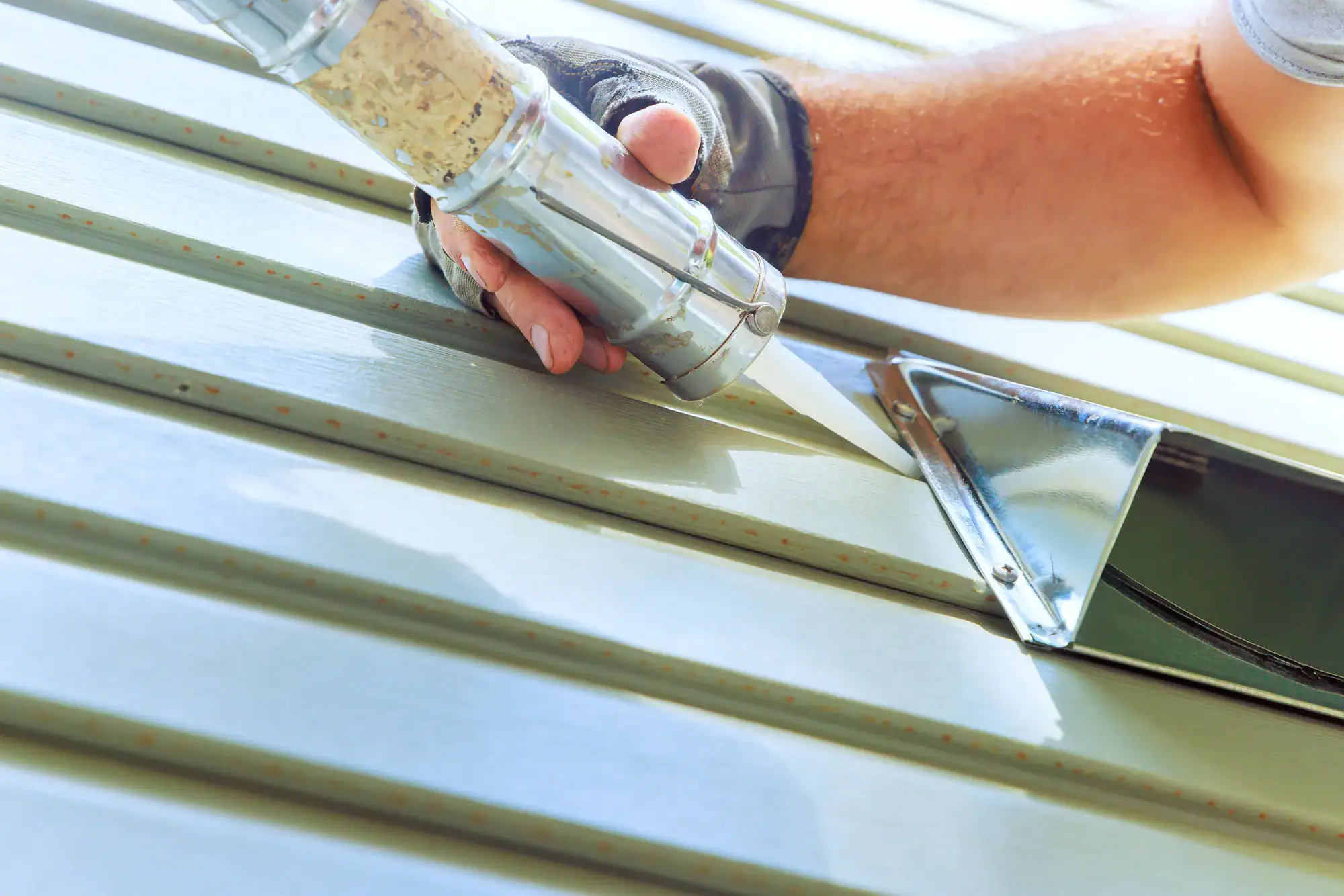
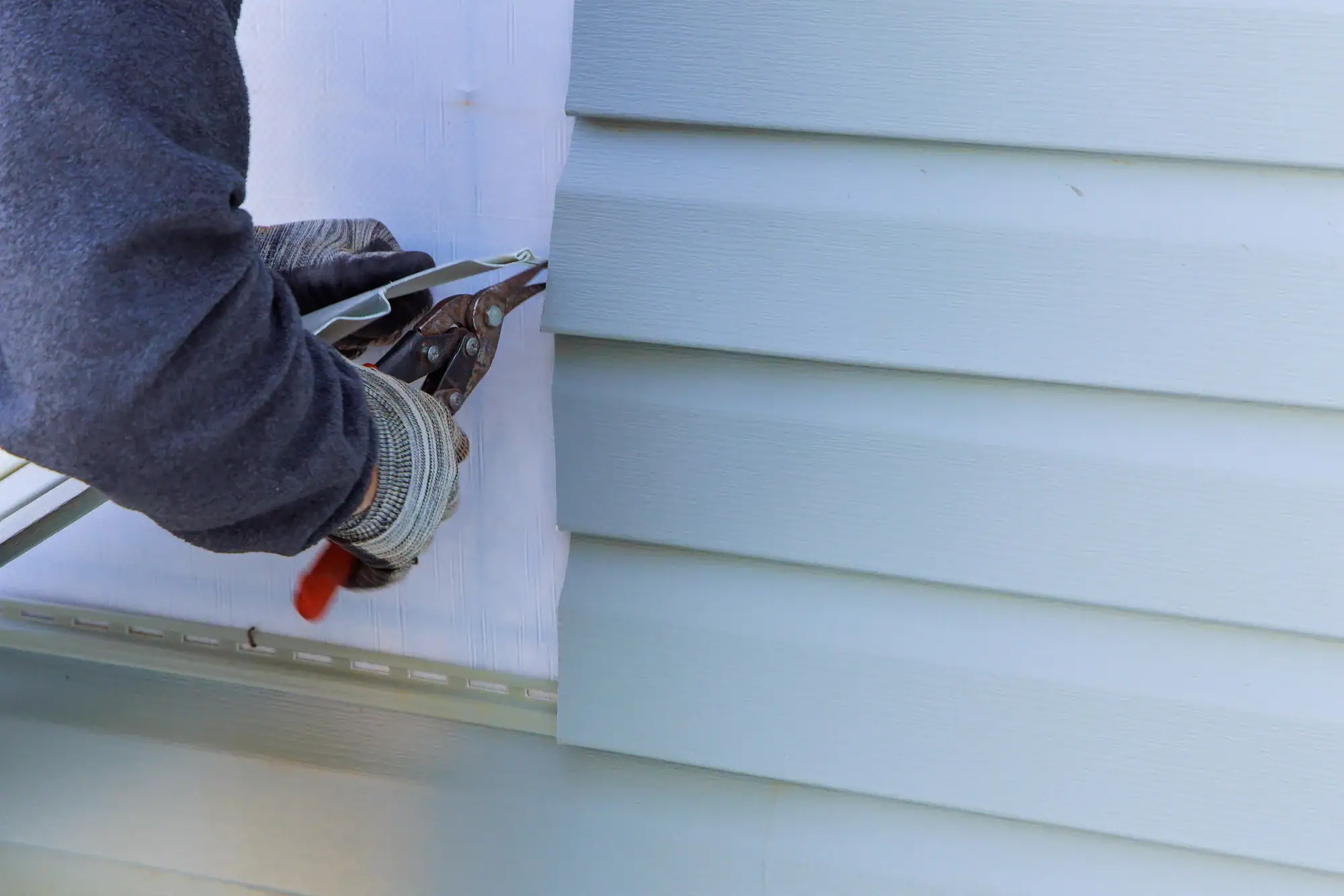
Once the job starts, most siding installations are completed within two to five days. The old siding comes off, the moisture barrier goes in, new panels are installed and sealed, trim work is finished, and the site gets cleaned up completely before the crew leaves. The goal is minimal disruption to your day-to-day, with a finished result that’s built to handle what Delaware weather actually throws at it.
Ready to get started?
We install both vinyl siding and fiber cement siding, and the recommendation you get will be based on your home’s specific situation — not on which product is faster to install. For most homes in the Whigville area, vinyl remains the most practical choice. It’s moisture-resistant, it doesn’t rot, it handles Delaware’s humidity well, and with a lifespan of 20 to 40 years, it’s a long-term solution that holds up in this climate without demanding constant maintenance.
Fiber cement is the heavier-duty option. It can last up to 50 years, it’s more resistant to impact and pest damage, and it performs exceptionally well in high-moisture environments. For older farmhouses or homes with more complex exterior geometry, it’s worth the conversation. The cost is higher than vinyl, but the 2024 Cost vs. Value Report puts fiber cement siding at an 88 percent cost recoupment rate at resale — compared to roughly 80 percent for vinyl. If you’re thinking about the long game or preparing the property for sale, that gap matters.
Every project includes full removal of the existing siding, moisture barrier installation, weatherproof seaming, trim work, and complete cleanup. Storm-damaged siding is something we deal with regularly across Kent County, and if your damage is insurance-eligible, we can help you navigate that claim. Financing is available for homeowners who want to move forward now without absorbing the full project cost upfront.

Yes, it typically does. Because Whigville is an unincorporated community, there’s no local town building department to deal with — permitting runs through Kent County’s Department of Planning Services instead. That’s a slightly different process than what homeowners in incorporated towns like Smyrna or Cheswold go through, and it can feel unfamiliar if you’ve never pulled a building permit before.
We handle all permitting as part of the project. You don’t need to call the county, fill out applications, or track down the right office. Our team knows what’s required under Delaware’s contractor registration requirements and Kent County’s building codes, and we make sure everything is filed and approved before work begins. It’s one less thing on your plate, and it protects you at resale — unpermitted exterior work can create real problems when it’s time to sell.
That’s the right question to ask before spending money, and the honest answer is that it depends on what’s happening behind the panels, not just what you can see from the driveway. Cracking, fading, and warping are visible signs that siding is aging out. But in a humid climate like Delaware’s, the more serious issue is often moisture that’s gotten behind the siding and started working on the wall sheathing or framing — and that’s not visible until the panels come off.
Our free consultation includes a detailed look at the current siding condition, any visible signs of moisture intrusion, and the age and type of material you’re working with. For homes in Whigville with original 1980s or 1990s vinyl siding, that inspection often reveals that the material has simply run its course — not because it looks terrible, but because 35 to 40 years in Delaware’s rain and humidity is about as much as most vinyl is built to handle. Repair makes sense for isolated damage. When the whole system is aging out, replacement is the more cost-effective long-term answer.
Both materials work well in Delaware’s climate, but they’re built for slightly different situations. Vinyl is the most widely used siding material in the state for good reason — it’s moisture-resistant, it doesn’t rot or warp, it’s relatively low maintenance, and it handles the humidity and freeze-thaw cycles that inland Kent County homes deal with every year. A quality vinyl installation lasts 20 to 40 years, and the installed cost is generally lower than fiber cement.
Fiber cement is denser, more impact-resistant, and has a longer lifespan — up to 50 years with proper maintenance. It also holds paint better and is more resistant to pest damage, which can be relevant for rural properties surrounded by agricultural land. The tradeoff is cost and installation complexity. For most Whigville homeowners working with a standard single-family home, vinyl is the practical choice. If you have a larger or older property, a home you’re planning to hold long-term, or one you’re preparing to sell, fiber cement’s higher resale value recoupment rate makes it worth the conversation.
It often can be, and it’s worth checking before you assume you’re paying out of pocket. Homeowners insurance typically covers siding damage caused by wind, hail, and storm-driven debris — all of which are real and regular occurrences in Kent County. Rural homes in Whigville tend to have more open exposure to storm systems than homes in denser suburban neighborhoods, which means wind and debris damage happens more frequently and can be more severe.
The challenge is that most homeowners don’t know how to document the damage in a way that satisfies an insurance claim, or they assume the damage isn’t significant enough to file. We assist with insurance claims for storm-damaged siding — helping you understand what’s likely covered, how to document it properly, and what the process looks like from inspection through approval. It doesn’t cost anything to find out whether your damage qualifies, and in many cases, the insurance payout covers a significant portion of the replacement cost.
For most single-family homes, the physical installation takes two to five days once the project is underway. That includes removing the old siding, installing the moisture barrier, fitting and securing the new panels, completing the trim work, and cleaning up the site completely before the crew leaves. Larger homes or properties with more complex exterior geometry — something that’s not uncommon with older farmhouses in the Kent County rural interior — may run toward the longer end of that range.
What adds time on the front end is the permitting process. Because Whigville falls under Kent County’s jurisdiction, permits need to be filed and approved before installation begins. We handle that entirely, but it’s worth knowing that the timeline from signed estimate to first day of work includes that permitting window. Once the permit is in hand and materials are staged, our crew works through the project efficiently and doesn’t leave a half-finished exterior sitting between visits.
It comes down to market density. Whigville is a small, unincorporated rural community in Kent County’s interior — the kind of place that doesn’t show up on most contractors’ radar when they’re building a service area around population centers. The companies that dominate Delaware siding search results are mostly headquartered in or around Wilmington, which puts them 60 or more miles from central Kent County. For a Whigville homeowner, that means choosing between a distant regional company that treats your area as an afterthought, or a lead generation site that passes your information to whoever responds first.
We’re based in Smyrna — Kent County’s own backyard — and have been working on homes throughout this county for over 22 years. That proximity isn’t just about drive time. It means our team has real experience with the housing stock, the county’s permitting process, and the specific weather conditions that affect homes in this part of Delaware. When something needs to be addressed after the job is done, you’re calling a local number — not a regional call center.
Other Services we provide in Whigville