
Hear from Our Customers
The homes in Huntley and the Kent Acres area weren’t built with today’s materials. Many have original or first-replacement siding that’s been quietly losing the fight against Delaware’s humidity, freeze-thaw cycles, and the nor’easters that roll through every fall. When that siding gets replaced properly, the difference isn’t just visual — it’s structural. Water stops finding its way in. Mold doesn’t get a foothold. The walls actually stay dry through a Delaware winter.
For homeowners near Dover Air Force Base, there’s often another layer to this. Whether you’re preparing a home for a VA loan inspection, getting ready to list before a PCS move, or just tired of watching the same cracked panels take another beating every storm season, you need the work done on a real timeline. Most siding projects take two to five days. That’s a defined window, not an open-ended disruption.
New siding also does something for your home’s value that most people underestimate. According to the 2024 Cost vs. Value Report, fiber cement siding recoups around 88% of project cost at resale, and vinyl comes in around 80%. For a neighborhood where home values are already working in a tighter range, that kind of return matters.
We’re based in Smyrna — right up U.S. Route 13 from Huntley and the Kent Acres area. That’s the same county, the same commuter corridor, and the same climate. This isn’t a Wilmington company driving two hours south to pick up work after a storm. Melissa and Richard McCain have been running this business for over 22 years, and the crew that shows up to your home in Huntley is our crew — not a subcontractor sourced after you signed the contract.
Our BBB A+ rating and 5.0/5 stars from 63-plus verified reviews aren’t just numbers. They’re what happens when a contractor consistently communicates, finishes on time, and leaves a clean job site. That track record was built in Kent County, serving the same housing stock and the same weather conditions that Huntley homeowners deal with every year.
It starts with a free consultation and a real inspection — not a five-minute walkthrough, but an actual look at what’s going on with your current siding. For homes in Huntley and the Kent Acres area, that inspection matters more than most people expect. Older ranch-style homes built in the ’60s and ’70s sometimes have moisture damage or deteriorated sheathing hiding behind the original siding. You want to know about that before the project starts, not after the crew is already halfway through demo.
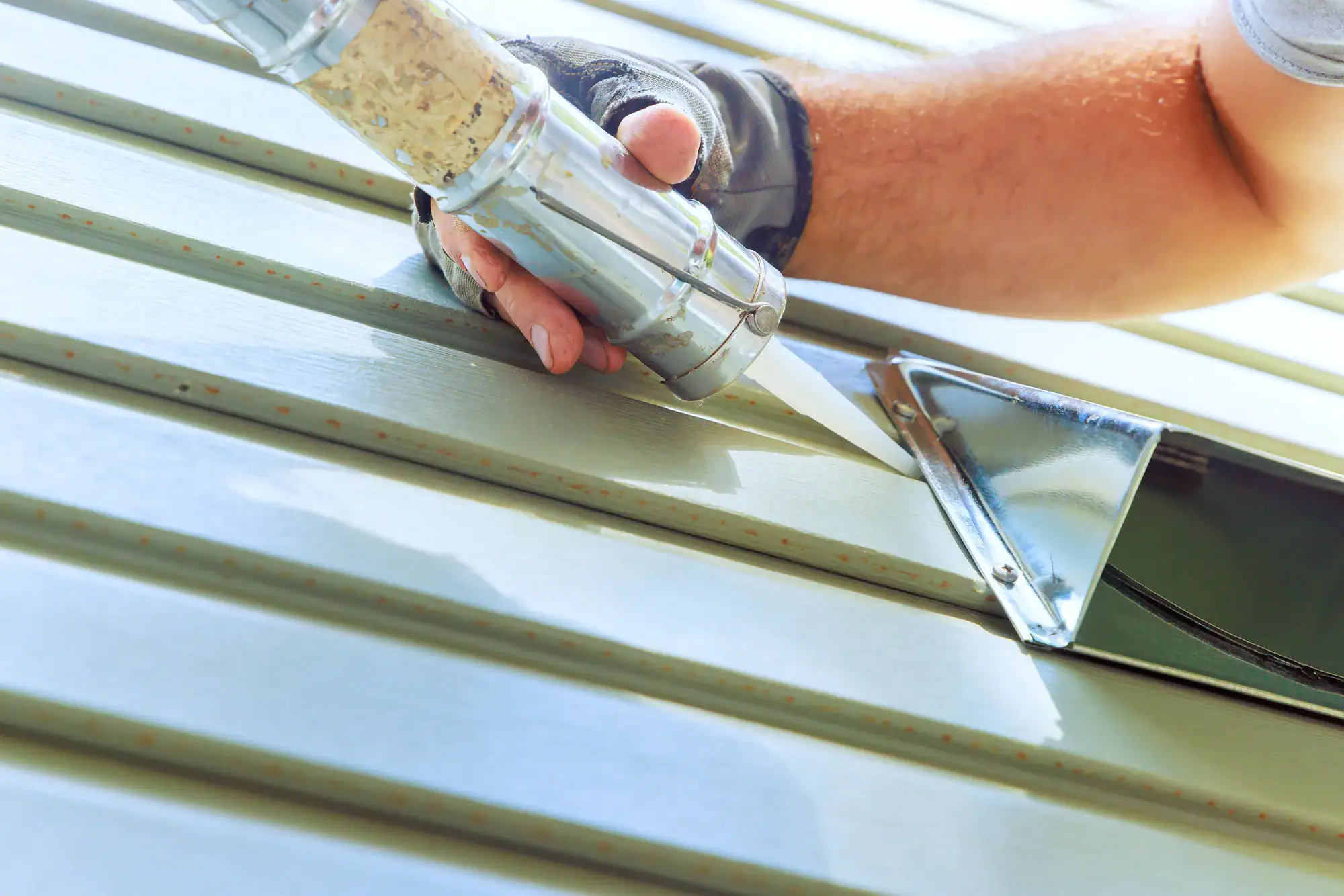
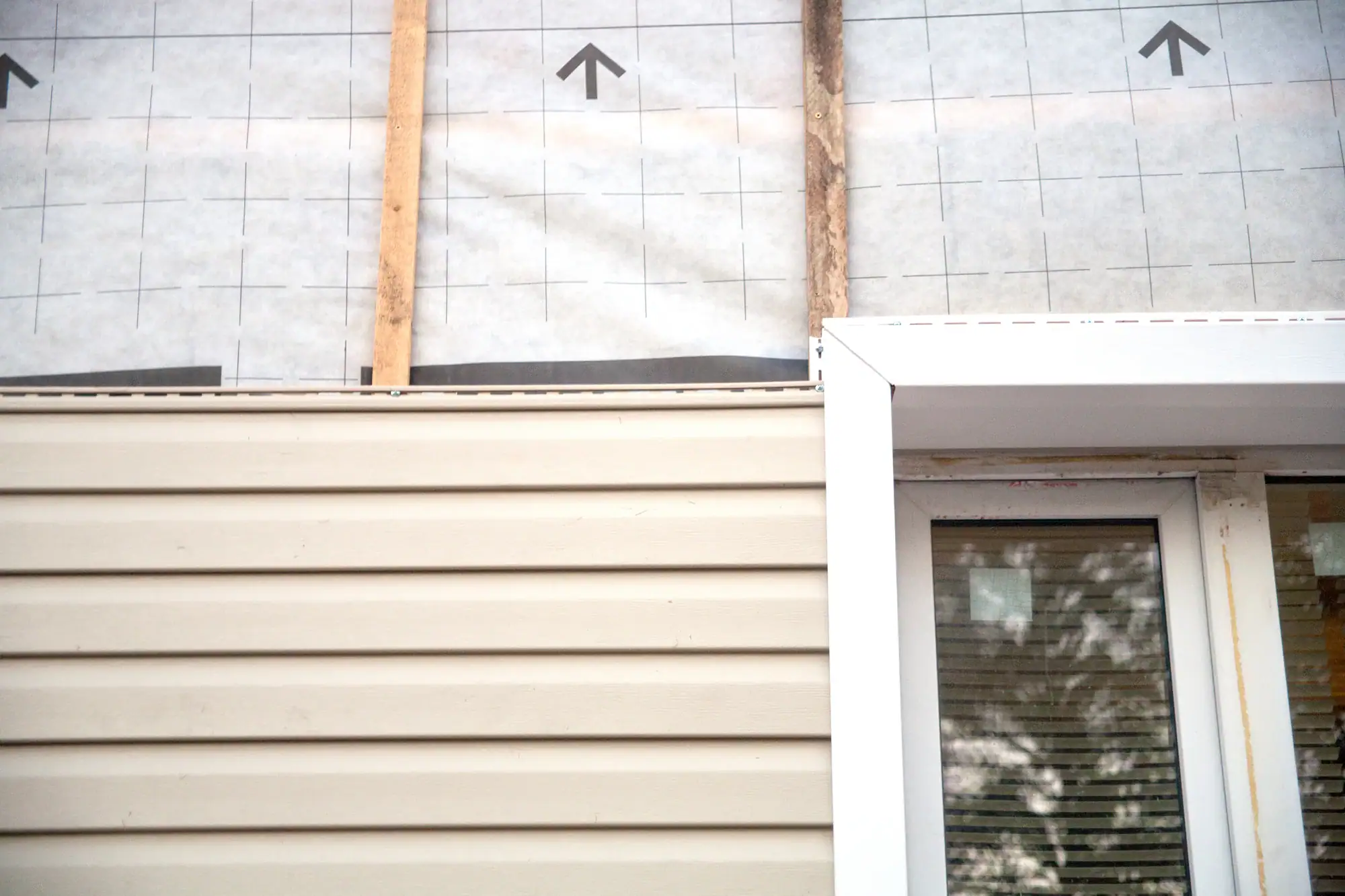
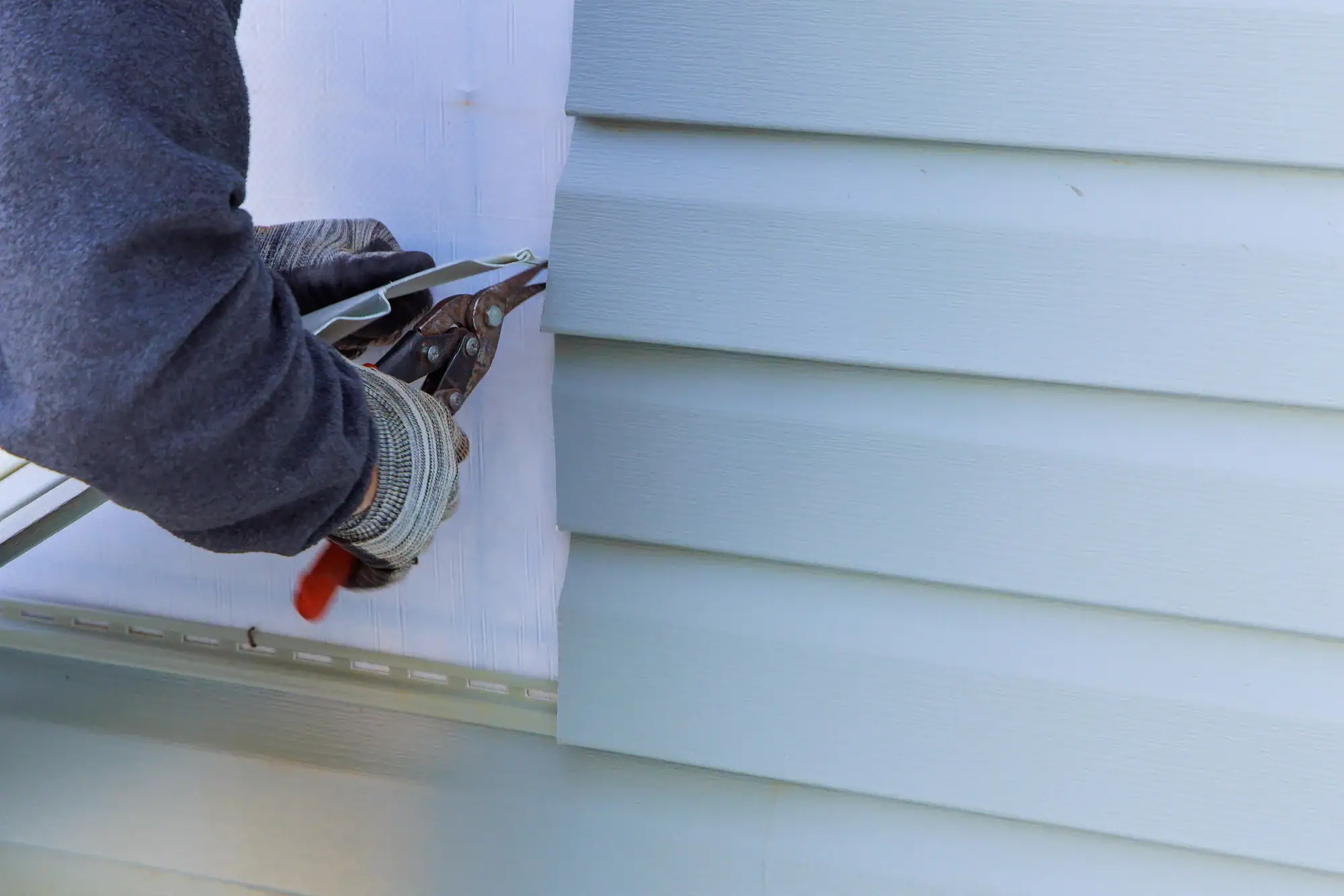
Once the scope is clear and you’ve approved everything in writing, the old siding comes off. A moisture barrier goes in before any new panels are installed — that’s not an upsell, it’s a standard part of how we do the job. Then the new siding goes up, panels are secured and sealed, and all trim work is completed. Properties in the Huntley area may fall under Dover city jurisdiction or unincorporated Kent County depending on the specific address, and permit requirements can vary. We handle all of that — you don’t have to figure out which office to call or which forms to file.
Most projects wrap up in two to five days. The site gets cleaned up completely before the crew leaves.
Ready to get started?
We offer both vinyl siding and fiber cement siding, and the recommendation depends on your home’s specific situation — its age, its current condition, and how much exposure it gets to Delaware’s weather. Vinyl is moisture-resistant, low-maintenance, and lasts 20 to 40 years with a proper installation. Fiber cement is heavier, more rigid, and virtually immune to the moisture problems that Delaware’s humid subtropical climate throws at exterior walls — with a lifespan of up to 50 years. For older homes in Huntley and the Pennwood area that have already been through one or two siding cycles, fiber cement is often the stronger long-term play.
Every project includes full removal of the old siding, moisture barrier installation, new panel installation with weatherproof seams, and complete trim work and sealing. If storm damage is involved — and Kent County gets hit hard enough by nor’easters and summer storms that this comes up regularly — we also provide insurance claims assistance. A lot of homeowners in this area don’t realize that storm-damaged siding is frequently covered under their homeowners policy. Financing is also available for homeowners who want to move forward now rather than wait.

It depends on the cause of the damage and the specifics of your policy, but storm-damaged siding is frequently covered — and it’s worth finding out before you assume you’re paying out of pocket. Kent County gets hit regularly by nor’easters between October and March, and summer thunderstorms with high winds can do real damage to older siding on homes in Huntley that were built decades ago. If panels are cracked, dented, or torn off entirely after a weather event, that’s typically the kind of damage a homeowners insurance claim is designed to address.
We provide insurance claims assistance as part of the process. That means helping you understand what the damage looks like, what documentation is needed, and how to work through the claim — not just handing you a quote and leaving you to figure out the rest. If you’ve been sitting on storm damage because you weren’t sure whether it was covered, it’s worth having someone take a look before another season goes by.
The honest answer is that you need someone to actually look at it, not just the surface but what’s underneath. A lot of homes in Huntley and the Kent Acres area were built in the 1960s and 1970s, and siding that old — or even first-replacement vinyl from the ’80s or ’90s — is often well past its useful life. Visible signs like cracking, warping, fading, or panels that have pulled away from the wall are obvious indicators. But the more important question is whether moisture has already gotten behind the siding and started working on the sheathing or framing.
That’s why the inspection at the start of every project matters. When old siding comes off, it’s not unusual to find rot or moisture damage that wasn’t visible from the outside. If the underlying structure is compromised, repair-only approaches tend to be short-term fixes at best. A full replacement with proper moisture barrier installation addresses the root problem rather than covering it up. The free consultation is the right first step — it gives you a clear picture of what you’re actually dealing with before any decisions get made.
Both materials work well in Delaware’s climate, but they perform differently and suit different situations. Vinyl is lighter, easier to install, and costs less upfront. It’s moisture-resistant and won’t rot, which makes it a solid choice for Delaware’s humid conditions. Quality vinyl can last 20 to 40 years when installed correctly — the key word being correctly, because cheap vinyl or poor installation shortens that lifespan significantly in a climate with real freeze-thaw cycles and heavy rainfall.
Fiber cement is denser, more impact-resistant, and better suited to homes that take a beating from wind-driven rain or have north-facing walls that stay damp. It’s virtually immune to moisture problems and can last up to 50 years. For homes in Huntley with larger footprints and more exposure, or for older ranch homes where this might be the last siding replacement the current owner does, fiber cement tends to be the stronger long-term investment. The 2024 Cost vs. Value Report puts fiber cement’s resale recoupment rate at around 88%, compared to roughly 80% for vinyl — a meaningful difference if you’re thinking about what the home is worth when you eventually sell.
In most cases, yes — exterior siding replacement requires a building permit in Delaware, and the specific permit requirements depend on whether your property falls within Dover city limits or unincorporated Kent County. This is a real source of confusion for homeowners in Huntley and the Kent Acres area, because the boundary between city and county jurisdiction isn’t always obvious from a street address alone.
On top of the local permit question, Delaware requires all contractors to be registered with the Delaware Department of Labor’s Office of Contractor Registration before performing any work. That registration is separate from local permits and applies statewide. We handle all permitting as a standard part of every siding project — determining which office to contact, pulling the right permits, and making sure the work meets local building code requirements. You don’t have to navigate that process yourself. It’s one less thing to figure out, and it protects you from the liability that comes with unpermitted work showing up as a problem during a home sale or VA loan inspection.
For most single-family homes, siding installation takes two to five days from start to finish. The specific timeline depends on the size of the home, the material being installed, and what’s found during the removal of the old siding. Ranch-style homes — which make up a large portion of the housing stock in Huntley and the Kent Acres area — tend to be straightforward in terms of footprint, but older homes sometimes have surprises underneath the original siding that add time to the project.
If there’s rot, moisture damage, or deteriorated sheathing that needs to be addressed before the new siding goes in, that work gets done properly rather than covered over. You’ll know about it before it affects the timeline, not after. The goal is to give you a realistic project window upfront so you can plan around it — especially important if you’re on a defined schedule for a move, a sale, or a VA loan inspection. Two to five days of work for a result that’s designed to last 20 to 50 years is a reasonable trade-off for most homeowners.
After a significant storm in Kent County, out-of-state crews and traveling contractors show up in neighborhoods like Huntley looking for quick work. Some of them are legitimate. A lot of them aren’t. The most reliable way to protect yourself is to verify a few things before you sign anything: confirm the contractor is registered with Delaware’s Office of Contractor Registration, ask for proof of liability insurance, and look at their review history — not just the star rating but the volume and consistency of reviews over time.
Be cautious of anyone who asks for a large deposit upfront. Legitimate contractors typically require no more than a small deposit before work begins, with the bulk of payment due when the job is done. Also be wary of vague estimates — a trustworthy contractor will give you a written, itemized breakdown of materials and labor before a single panel is touched. We’ve been operating out of Smyrna, right up Route 13 from Huntley, for over 22 years. That kind of local longevity, combined with our BBB A+ rating and 63-plus verified five-star reviews, is the kind of track record that’s hard to fake and easy to check.
Other Services we provide in Huntley