
Hear from Our Customers
Dover sits on flat, open terrain with no hills or ridgelines to slow down the wind events that sweep through Kent County. When a storm pushes through — and they do, regularly — your siding is the first thing taking the hit. New siding installed correctly, with proper moisture barriers and weatherproof seams, means water stays outside where it belongs. That matters significantly more here than in a city with natural wind protection.
A huge share of Dover’s residential neighborhoods — Woodbrook, Foxhall, Bicentennial Village, Crossgates, and dozens of similar subdivisions — were built between the 1960s and the 1990s. That housing stock is now 30 to 60 years old. Original aluminum siding from that era is well past its lifespan. Original vinyl from the 1980s is at or beyond its upper limit. What you’re seeing as faded panels and chalky surfaces is often the visible sign of a moisture barrier that has already failed underneath.
New siding stops that process cold. It also adds documented resale value — the 2024 Cost vs. Value Report found that vinyl siding replacement recoups approximately 80% of project cost at resale, and fiber cement recoups closer to 88%. For Dover homeowners preparing to sell, especially those tied to a DAFB transfer timeline, that return is immediate and measurable.
We’re based in Smyrna — 14 miles north of Dover on US Route 13, the same road that runs straight through Dover’s commercial core. That’s not a regional company operating out of Wilmington or Philadelphia. We’re a neighbor who knows the neighborhoods, knows the building department at 15 Loockerman Plaza, and has been doing this work in Kent County for over two decades.
Owned and operated by Melissa and Richard McCain, we carry an A+ BBB rating and a 5.0 out of 5 across 63-plus verified reviews. The consistent feedback isn’t about flashy marketing — it’s about showing up on time, communicating clearly, finishing the job, and leaving the site clean. That’s what Dover homeowners are actually looking for.
Every project is handled entirely in-house. No subcontractors show up at your door unannounced. The crew that starts your job is the crew that finishes it.
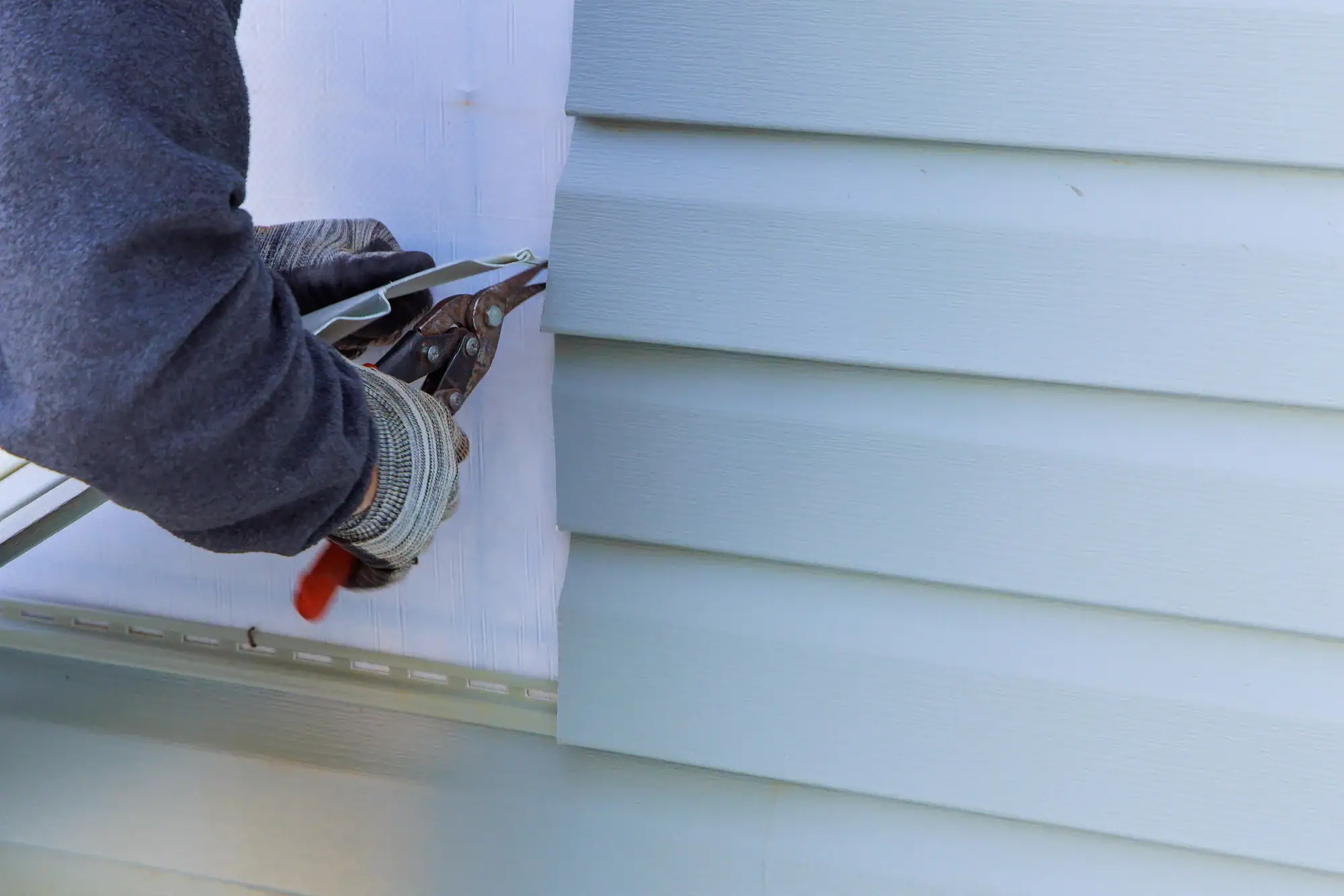
It starts with a free consultation and a detailed inspection before anything else happens. The inspection matters more than most people realize — when old siding comes off, what’s underneath isn’t always what you expect. Decades of moisture exposure in Dover’s humid climate can leave rot, mold, or compromised sheathing behind those panels. Finding it before the project starts means no surprise scope changes mid-job. You know what you’re getting into, in writing, before any work begins.
Once the scope is confirmed, we handle all permitting. If your home is within the City of Dover, that means working with the City’s Inspections and Planning Department. If you’re in an unincorporated area just outside city limits — places like Rodney Village, Capitol Park, or Highland Acres — permits go through Kent County instead. Either way, that’s handled for you. You don’t need to figure out which office to call or which forms to file.
Installation typically runs two to five days depending on home size and material. The crew works through the job without gaps or handoffs. When it’s done, the site is cleaned and inspected. Most Dover homeowners are surprised by how straightforward the whole process feels when someone actually manages it properly from start to finish.
Ready to get started?
We install both vinyl and fiber cement siding — and the recommendation you get will be based on your home’s specific situation, not on which material is easier to install. Vinyl is the most popular choice in Delaware for good reason: it handles humidity well, resists moisture, and performs reliably through freeze-thaw cycles. For most of Dover’s postwar subdivisions, it’s the practical, durable answer. Fiber cement, including options like James Hardie, offers a longer lifespan — up to 50 years — and holds up particularly well on homes with heavy sun or wind exposure.
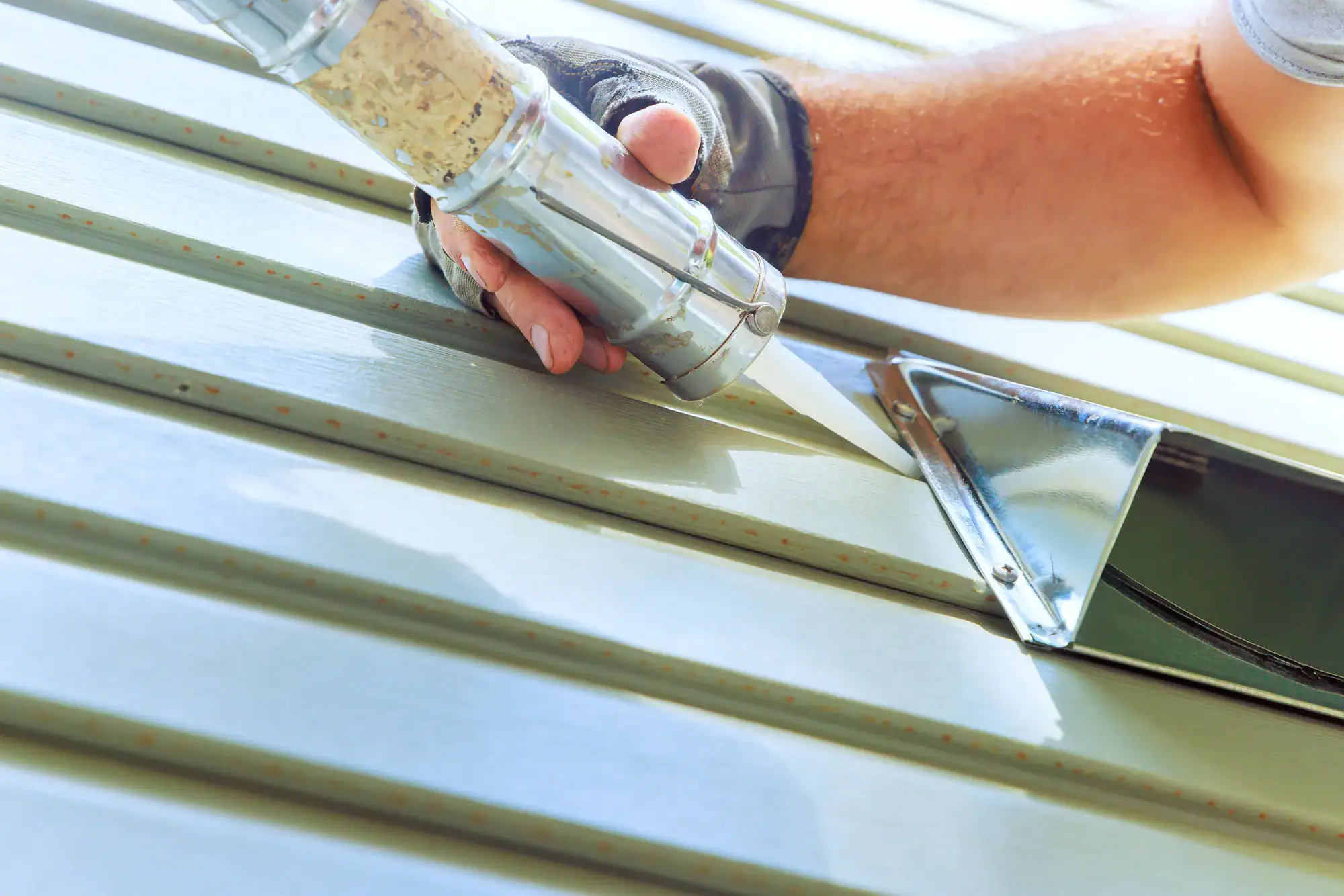
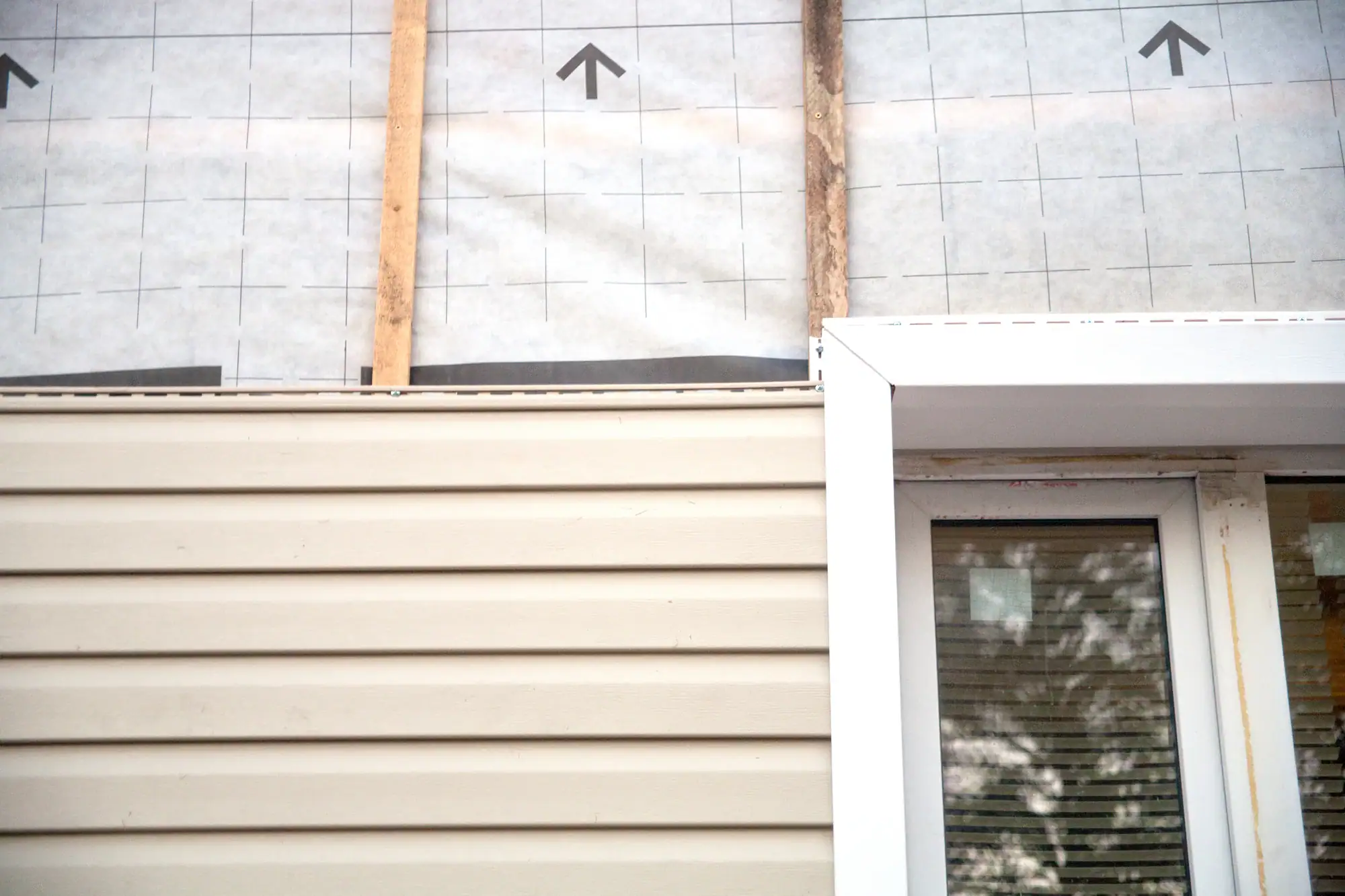
Every installation includes full removal of the old siding, moisture barrier installation, weatherproof seaming, trim work, and sealing. Nothing gets skipped to cut time. Dover’s flat terrain and exposure to nor’easters and summer storm systems means the installation has to be done right the first time — a panel that isn’t properly secured or a seam that isn’t weatherproofed will show its weakness the first time a serious wind event comes through.
If your siding damage was caused by a storm, your homeowners insurance may cover the replacement. We provide insurance claims assistance to help you document the damage and work through the process — so you’re not leaving money on the table because the paperwork felt too complicated. Financing is also available for homeowners who want to move forward now rather than wait.

Yes, in most cases. Full siding removal and replacement is classified as a major exterior improvement, which requires a building permit. If your home is within the incorporated City of Dover, the permit comes from the City of Dover Inspections and Planning Department at 15 Loockerman Plaza. If your home is in an unincorporated area just outside city limits — communities like Rodney Village, Capitol Park, Highland Acres, or Kent Acres — the permit is issued through the Kent County Levy Court’s Office of Inspections and Enforcement at 555 Bay Road.
The distinction matters because the two offices have separate processes, and submitting to the wrong one adds delays. We handle all of this as part of the project — determining the correct permitting authority, submitting the application, and making sure every installation meets the applicable building code before the job is signed off. You don’t have to navigate any of that yourself.
Most siding projects run two to five days from start to finish, depending on the size of the home and the material being installed. A smaller single-story home with straightforward geometry will typically come in at the lower end. A larger two-story with dormers, complex trim details, or multiple elevations will take longer.
That timeline assumes the project is managed without subcontractor handoffs or scheduling gaps — which is exactly how we operate. The same crew starts and finishes the job. For Dover homeowners on a tight timeline — particularly military families preparing a home for sale before a PCS transfer — that reliability matters as much as the timeline itself. There’s no waiting on a crew that’s finishing someone else’s project first.
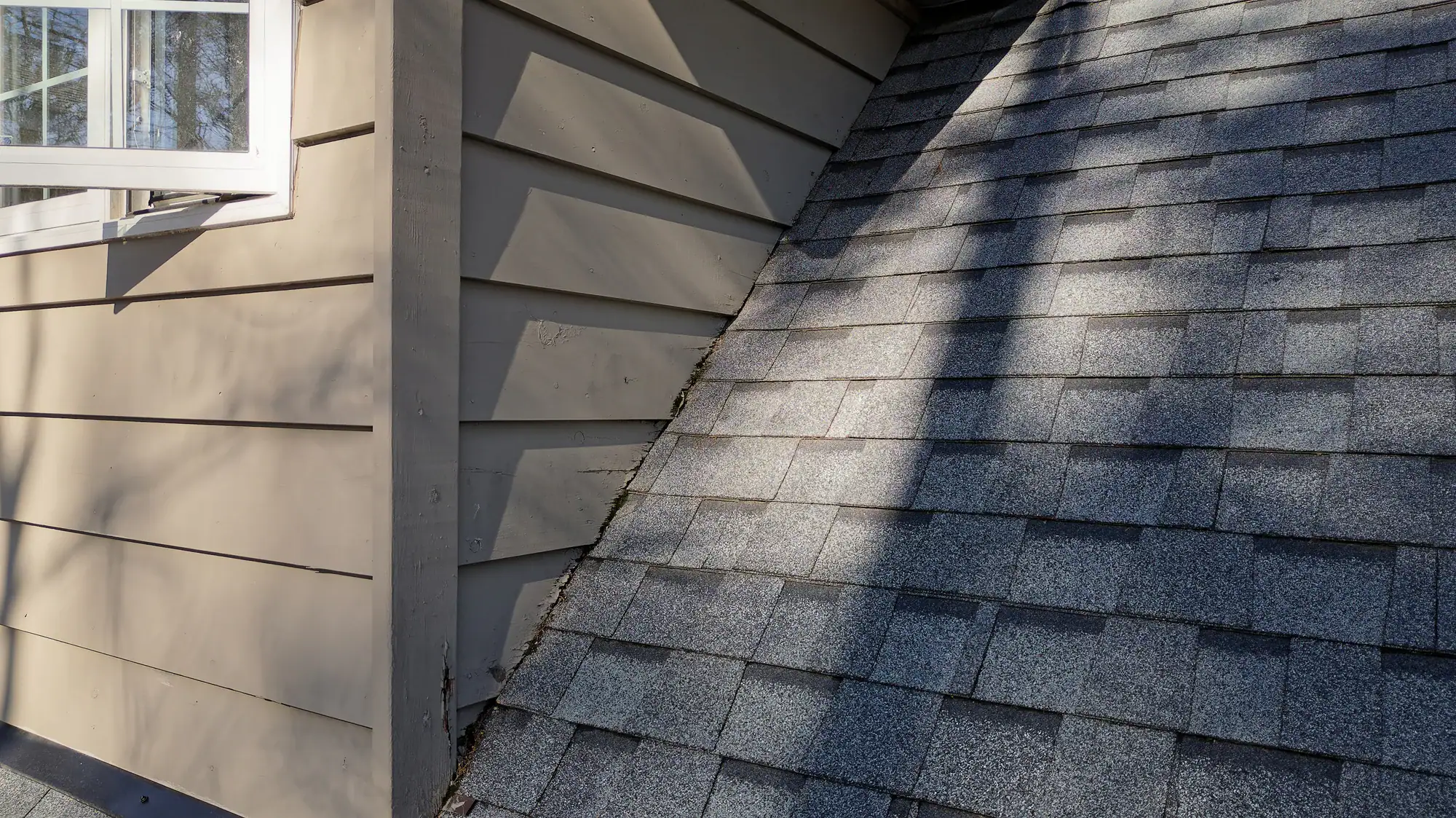
Vinyl is the most widely used siding material in Delaware, and for Dover specifically, it performs well. Dover’s climate runs humid through most of the year, and the city’s flat terrain means wind events hit without much natural buffering. Vinyl handles moisture without rotting, doesn’t require painting, and holds up through the freeze-thaw cycles that hit Kent County every winter. For most of Dover’s established subdivisions — homes built in the 1970s through the 1990s — vinyl is the practical, durable choice.
Fiber cement is worth considering if your home gets heavy sun exposure or if you’re in an area with significant wind exposure. It carries a longer lifespan — up to 50 years — and holds its finish well under UV stress. It does cost more upfront, but on a home where you’re planning to stay long-term or want maximum resale value, the return can justify the difference. The right answer depends on your specific home, and that’s exactly what the initial inspection and consultation is designed to figure out.
If your home was built in the 1980s, the original siding is now 35 to 45 years old. Vinyl from that era has a maximum lifespan of about 40 years under good conditions — and Delaware’s humidity and storm exposure don’t exactly qualify as good conditions. Aluminum siding from that period is even further past its useful life.
The visible signs to look for are fading, chalking (a powdery residue on the surface), warping or buckling panels, cracks, and any areas where panels have separated from the wall. But the more important issue is often what you can’t see. Moisture infiltration behind aging siding can cause rot, mold growth, and insulation degradation inside the wall cavity — none of which is visible from the outside until it’s become a much bigger problem. The pre-installation inspection that we conduct before every project is specifically designed to identify what’s happening behind the panels before any work begins, so there are no surprises mid-project.
It can be, yes. Kent County sees its share of damaging weather — nor’easters, summer thunderstorms, and remnant tropical systems that produce high winds and heavy rain. Straight-line wind damage from storms passing through the Dover region has been recorded at estimated speeds of 70 to 90 mph. If a storm event caused your siding damage, your homeowners insurance policy may cover the cost of replacement, not just repair.
The challenge most homeowners run into is documentation. Insurance companies require specific evidence of storm-caused damage, and the claims process can feel complicated if you haven’t done it before. We provide insurance claims assistance — helping you document the damage, understand what your policy covers, and work through the process so you’re not leaving a legitimate claim on the table. If you’re not sure whether your damage qualifies, the free consultation is the right starting point.
The most reliable starting points are verifiable credentials and documented local history. In Delaware, contractors are required to register with the Delaware Department of Labor’s Office of Contractor Registration before beginning any work — that registration, combined with liability and workers’ compensation insurance, is the baseline you should confirm before anyone touches your home. A BBB accreditation with an A+ rating is a useful additional signal, because it means there’s a third-party record of how the company handles disputes.
Beyond credentials, look at review volume and specificity. A contractor with 60-plus reviews averaging 5.0 stars, where reviewers describe specific experiences — punctuality, cleanup, communication, how problems were handled — tells you more than a handful of generic five-star ratings. Local history matters too. A contractor based 14 miles away in Smyrna who has been working in Kent County for over 22 years is accountable to this community in a way that a regional chain or out-of-state crew simply isn’t. We’ll be here after the job is done, which changes how carefully the job gets done in the first place.
Other Services we provide in Dover