
Hear from Our Customers
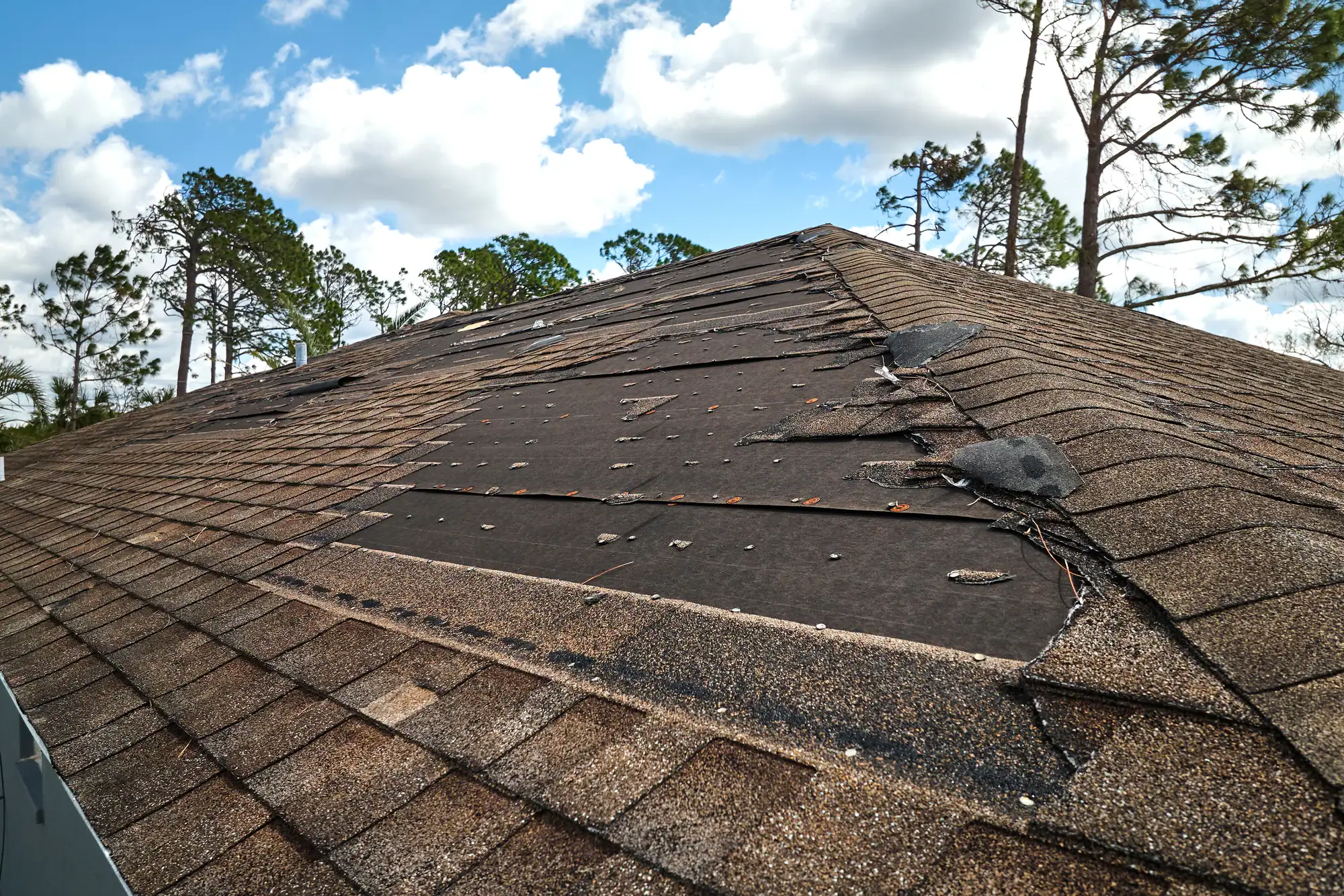
Dover sits about five miles from Delaware Bay, and the weather here doesn’t follow a polite schedule. Between summer thunderstorms, nor’easters that grind on for 24 hours straight, and freeze-thaw cycles through the winter, your roof takes a beating that most homeowners don’t fully see until water shows up on the ceiling.
By that point, what started as a manageable repair has usually turned into something much more involved. A properly repaired roof — with the right materials, installed correctly, and backed by real warranty coverage — means you’re not back in the same situation after the next storm rolls through. It means the historic home near The Green or the mid-century house in Silver Lake isn’t quietly accumulating moisture damage behind the walls while you wait and hope.
Dover’s housing stock spans centuries. Some of these homes have been re-roofed multiple times by multiple contractors, and not always with the same care. What you actually need is someone who can tell you honestly what’s there, what needs to be addressed, and what can wait — without steering you toward the most expensive option just because it’s the most profitable one.
We’re based in Smyrna — about 13 miles north of Dover on US Route 13 — and have been doing roofing work across Kent County for over 22 years. That’s not a franchise number. That’s the actual time our team has spent working on Dover homes, learning the building codes, pulling permits through the City of Dover’s Inspections & Planning Department, and handling the kind of projects that require real familiarity with how these homes are built.
Every project is handled in-house. No subcontractors, no handoffs to a crew you’ve never met. The same people who show up for the inspection are the people doing the work. That matters more than most homeowners realize until they’ve had a bad experience with a contractor who disappeared after the deposit cleared.
We’re GAF Master Elite certified — a credential held by the top 2% of roofers in the country — and BBB accredited with a 5-star rating from more than 63 verified reviews. Those aren’t numbers that happen by accident.
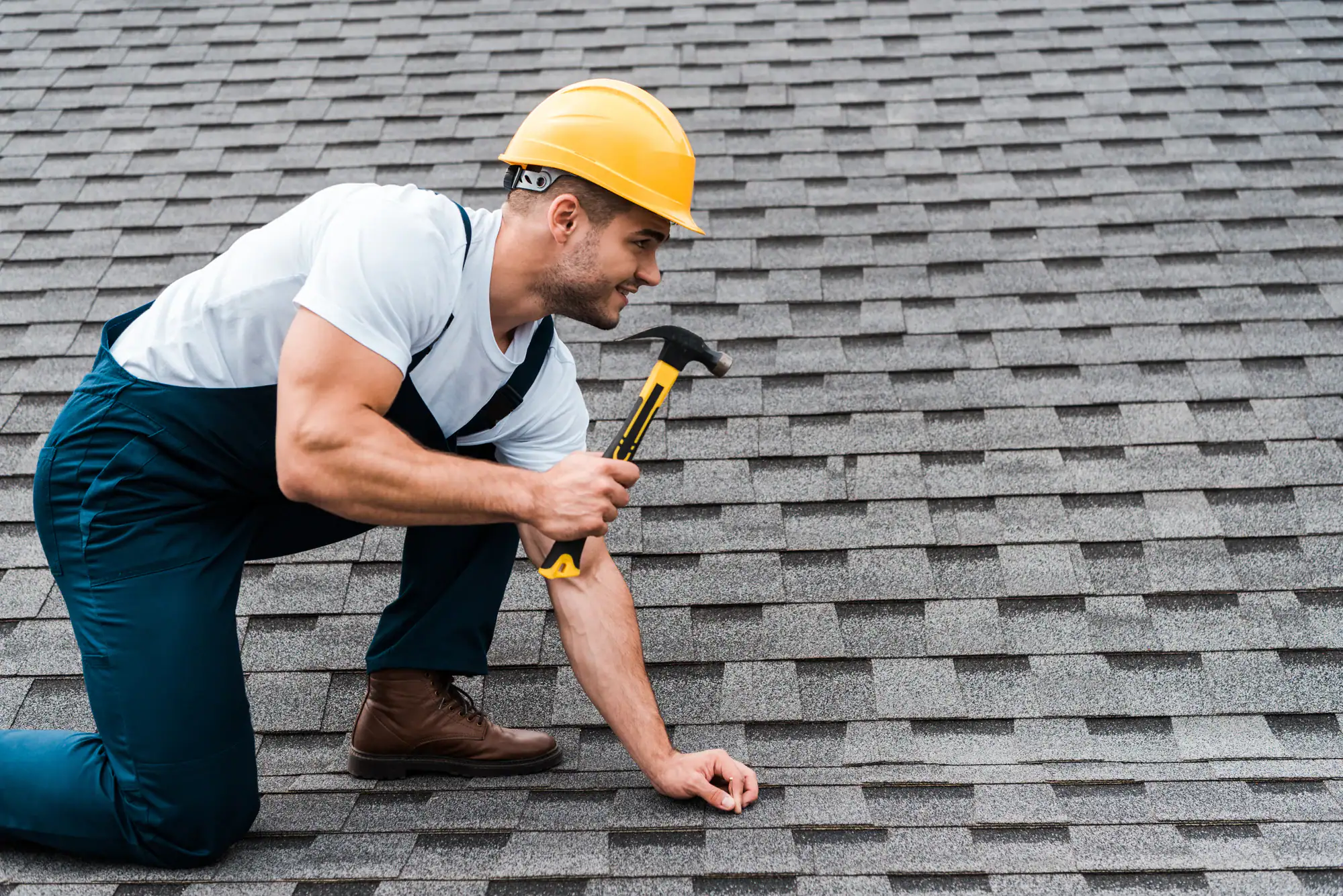
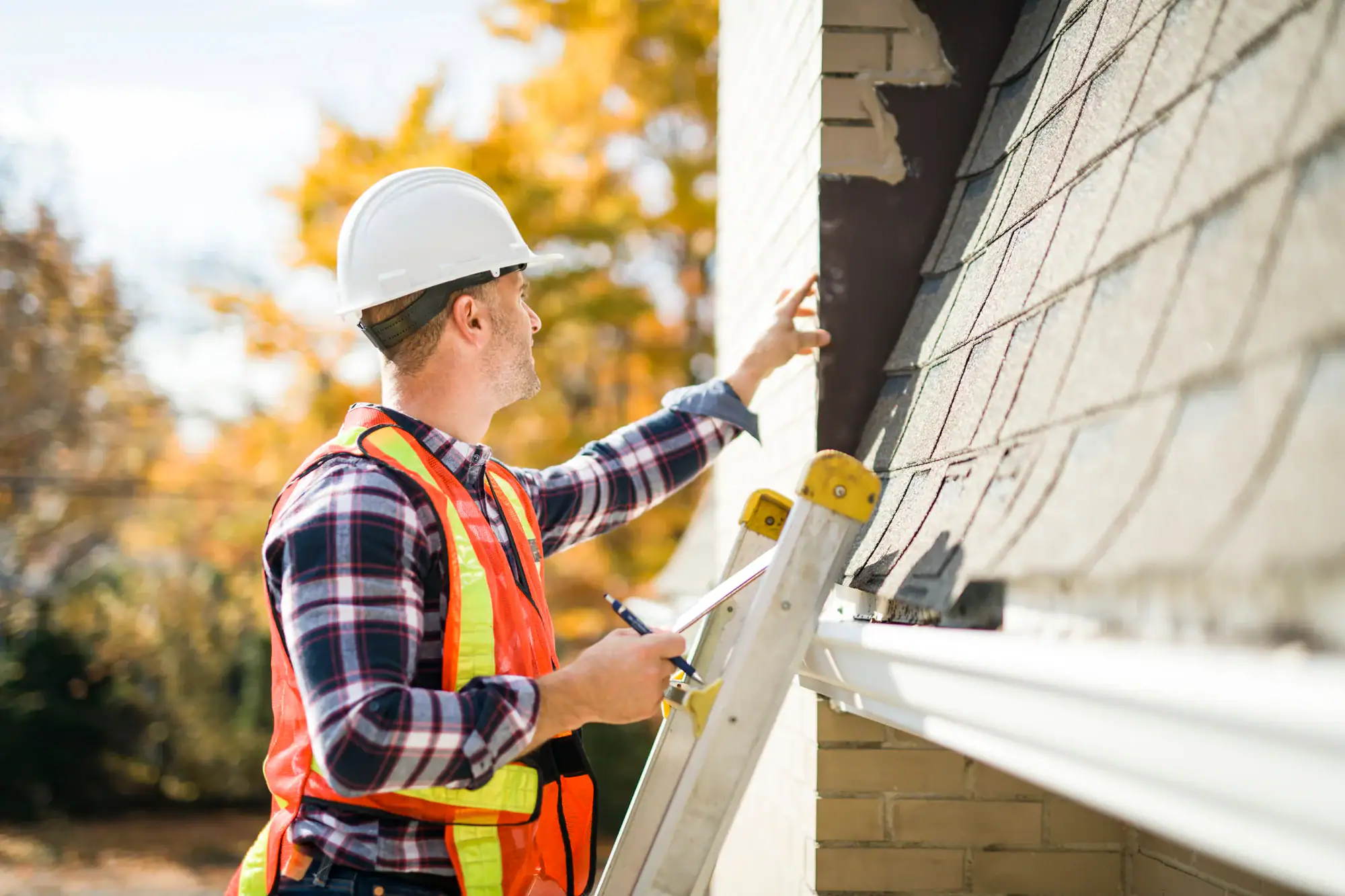
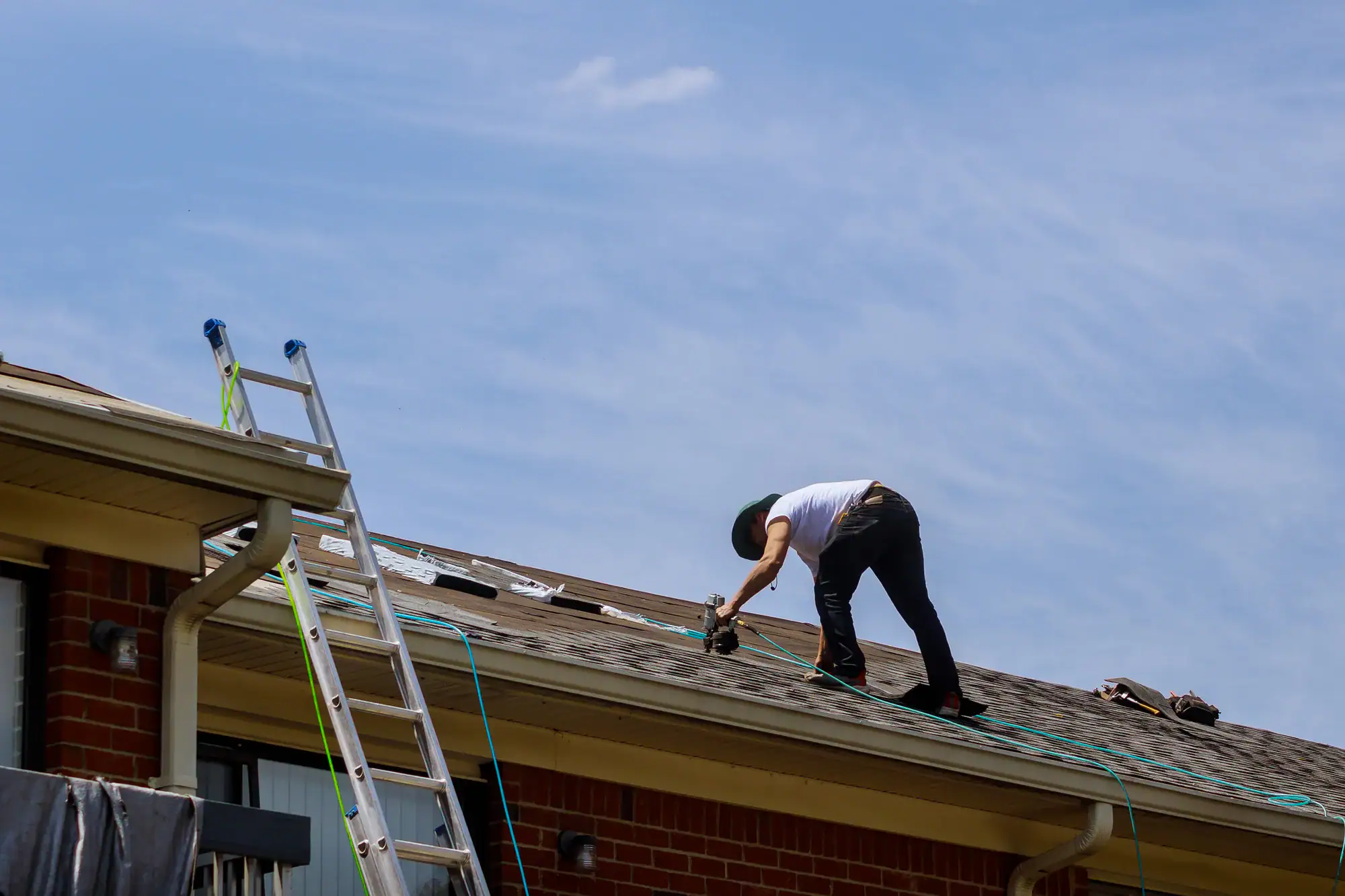
It starts with a free inspection. A trained member of our crew comes out, gets on the roof, and actually looks at what’s there. Not a drive-by estimate, not a quick glance from the driveway. The things that cause the most damage — lifted flashing, cracked ridge caps, compromised underlayment — aren’t visible from the ground. You need someone up there with the training to identify what’s actually happening.
Once the inspection is done, you get a clear, written scope of work. No vague line items, no surprises when the invoice arrives. If your damage was caused by a storm — and in Dover, that’s a real possibility given how frequently severe weather moves through — we can help you document the damage and work through the insurance claims process. That’s a step most contractors skip entirely, and it’s one that can make a significant difference in what you’re actually out of pocket.
Permits are part of the job when the scope requires them. The City of Dover requires building permits for significant roofing work, and we handle that process as a standard part of how we operate. When the work is done, the job site gets cleaned up completely — no nails in the yard, no debris left behind. That’s not a bonus. That’s the baseline.
Ready to get started?
Roof repair covers a wide range of situations. Sometimes it’s a few damaged shingles after a hail event. Sometimes it’s a flashing failure around a chimney or skylight that’s been slowly letting water in for months. Sometimes it’s a leak that’s already made it to the ceiling and needs to be addressed before the decking underneath gets any worse.
We handle all of it — residential repairs, commercial flat roof repairs including TPO and EPDM systems, emergency repairs when you can’t wait, and full replacements when repair no longer makes financial sense. For Dover homeowners specifically, the repair-versus-replace question comes up often. The city has a wide range of housing ages, from 18th-century homes in the historic districts around The Green to post-WWII subdivisions that are now 50 to 70 years old.
A home that’s been re-roofed twice already may be on a system that’s nearing the end of its useful life, and patching it again may cost more over the next five years than replacing it cleanly now. That’s an honest conversation we’re willing to have with you before any work begins. Financing is available for homeowners who need it. A damaged roof shouldn’t sit unaddressed because the timing isn’t ideal financially — the cost of waiting almost always exceeds the cost of acting.
Free estimates are always the starting point, with no obligation attached.
The honest answer depends on a few factors: the age of the roof, how much of it is affected, and what’s underneath the shingles. The general rule of thumb in the industry is that if more than 30% of the roof needs attention, replacement often makes more financial sense than continued repair. But in Dover, where you have homes ranging from historic properties near The Green to mid-century houses in Silver Lake and Bradford City neighborhoods, the calculation can be more nuanced.
A home that’s been re-roofed multiple times may have layers of old material that affect how well a new repair will hold. The only reliable way to know is a proper inspection — not a visual scan from the driveway, but someone on the roof checking the decking, flashing, underlayment, and shingle condition. We offer free inspections, and the assessment will tell you exactly what’s there and what the realistic options are. There’s no pressure to choose the more expensive route if repair is genuinely the right call.
It depends on your policy and the cause of the damage. Most standard homeowners insurance policies cover sudden storm damage — hail, wind, falling trees — but they typically don’t cover damage that resulted from neglect or normal wear over time. Given that the Dover area has been under severe weather warnings 39 times in the past 12 months, with hail detected on 37 occasions, there’s a real chance that storm-related damage is what you’re dealing with.
The challenge is that insurance adjusters assess damage based on what they can document, and they don’t always catch everything. A contractor who helps you through the claims process — documenting damage properly, communicating with the adjuster, and making sure the repair scope lines up with what’s actually covered — can make a significant difference in your out-of-pocket cost. We provide insurance claims assistance as part of how we work, not as an add-on. If you think you may have storm damage, getting an inspection before filing a claim is usually the right first step.
We operate out of Smyrna, which puts us about 13 miles north of Dover via US Route 13. In most situations, that’s a 15 to 20-minute drive. Emergency roof repair is available for situations where you can’t wait — an active leak during a storm, visible structural damage after a severe weather event, or a situation where water is getting into the home and causing damage in real time.
The important thing with emergency repairs is that the goal is to stop the damage from getting worse, not necessarily to complete the full repair in one visit. A quality emergency response means the roof is stabilized, the interior is protected, and you have a clear picture of what the full repair will involve. From there, the permanent repair gets scheduled and completed properly. If you’re dealing with something urgent right now, calling directly is the fastest path — don’t wait to fill out a form.
For routine maintenance and minor repairs — replacing a handful of shingles, patching a small area — a permit is typically not required in Dover. But for more significant work, including full roof replacements and structural repairs, the City of Dover does require a building permit through its Inspections & Planning Department at 15 Loockerman Plaza. The permit process ensures the work is inspected and meets the building codes Delaware has adopted.
This is one of the reasons working with an experienced local contractor matters. A contractor who isn’t familiar with Dover’s permitting process can create delays or, worse, complete work that doesn’t pass inspection — leaving you responsible for bringing it up to code after the fact. We handle the permit process as a standard part of the job when the scope requires it. You don’t have to figure out what’s required or manage the paperwork yourself.
In Dover’s climate, the most common culprits are flashing failures, damaged or missing shingles, and deteriorated sealants around penetrations like chimneys, vents, and skylights. Flashing — the metal strips that seal the joints where your roof meets a wall, chimney, or valley — is often the first thing to fail, and it’s also the most commonly overlooked during routine inspections. When flashing fails, water doesn’t just drip straight down. It follows the path of least resistance, which means the leak often appears inside the home several feet from where the actual entry point is.
Dover’s freeze-thaw cycles through the winter months make this worse. Water infiltrates small gaps, freezes, expands, and widens the opening — a process that repeats with every temperature swing. Homes in older Dover neighborhoods, particularly those built before 1970, often have flashing that hasn’t been replaced since the last roof was put on. That’s a long time for metal to hold up against Delaware winters and humid summers. An inspection will tell you whether your flashing is the issue or whether the problem is somewhere else entirely.
Most roof repairs in Dover are completed in a single day. Minor repairs — patching a leak, replacing damaged shingles, resealing flashing — typically take a few hours. More involved repairs, like replacing a larger section of decking or addressing significant storm damage across multiple areas of the roof, may take a full day or extend into a second depending on the scope and weather conditions.
The disruption to your daily routine is usually minimal. Our crew works on the exterior, which means you don’t need to be home for most of the work, and you won’t have contractors moving through the interior of your house. What you should expect is some noise during working hours and a crew that cleans up completely before we leave — no nails left in the yard, no debris around the foundation. For Dover homeowners near Dover Air Force Base or in neighborhoods like Rodney Village or Capitol Park where driveways and yards are part of daily life, that cleanup standard isn’t a small thing. It’s part of how the job gets done right.
Other Services we provide in Dover