Your Roof Has an Expiration Date — Here’s What You Need to Know
How often do roofs need to be replaced depends primarily on the material your roof is made from. Here’s a quick reference:
| Roofing Material | Typical Lifespan |
|---|---|
| 3-Tab Asphalt Shingles | 15-20 years |
| Architectural Asphalt Shingles | 20-30 years |
| Metal Roofing | 40-70 years |
| Wood Shakes | 20-50 years |
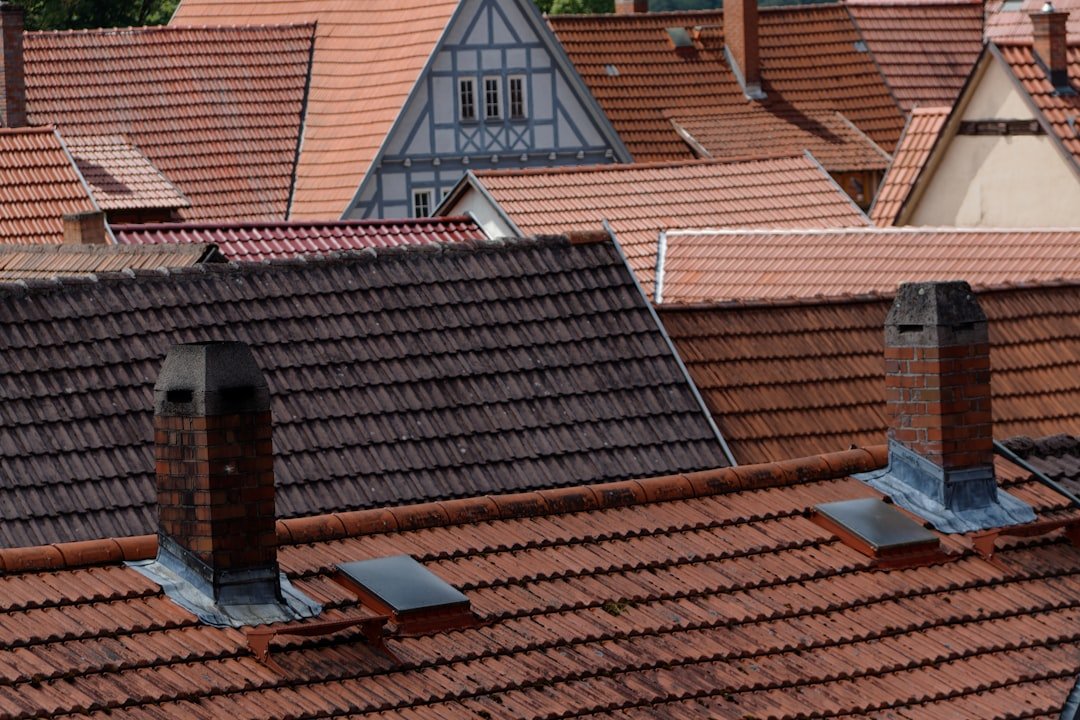
| Clay/Concrete Tile | 50-100 years |
| Slate | 75-150+ years |
Most Kent and Sussex County, DE homeowners with standard asphalt shingles should plan for roof replacement every 20-30 years — sooner if the roof has faced storm damage, poor installation, or neglected maintenance.
Your roof is your home’s first and most important line of defense against the elements. Yet most homeowners only think about it when something goes wrong — a leak, a missing shingle, a water stain spreading across the ceiling. By then, the damage is often already done.
The good news? Replacement rarely catches you completely off guard if you know what to watch for. The material your roof is made from, how well it was installed, and how Kent and Sussex County, DE’s coastal climate has treated it all determine how long it will realistically last.
I’m Richard McCain, Owner and President of First State Roofing & Exteriors, with over 20 years of hands-on roofing experience across Kent and Sussex County, DE — and I’ve seen how understanding replacement frequency helps homeowners avoid costly surprises. In this guide, I’ll walk you through everything you need to know about how often roofs need to be replaced, so you can plan ahead instead of react.

How often do roofs need to be replaced basics:
How Often Do Roofs Need to Be Replaced?
Determining the exact moment a roof needs to be retired isn’t just about reading a calendar; it’s about balancing the material’s engineered lifespan with the reality of its environment. In Kent and Sussex County, DE, where we deal with everything from humid summers to freezing Atlantic winters, roofs often work harder than they would in milder climates.
While many homeowners assume a roof is a “set it and forget it” feature for 30 years, the reality is that different materials age at vastly different rates. For instance, a basic 3-tab shingle roof might start showing significant wear at the 15-year mark, whereas a high-end slate roof might still be in its “infancy” at age 50. Understanding these cycles is the first step in asphalt roof replacement planning.
Average Lifespan by Material
To stop guessing, you first need to identify what’s over your head. Here is the breakdown of common materials we see in the Mid-Atlantic:
- 3-Tab Asphalt Shingles: These are the traditional, flat shingles. They are budget-friendly but generally have the shortest lifespan, typically needing replacement every 15 to 20 years.
- Architectural Asphalt Shingles: Also known as dimensional shingles, these are thicker and more durable. Most asphalt shingle roofs of this type last between 20 and 30 years.
- Metal Roofing (Standing Seam): Metal is becoming a favorite for Kent and Sussex County, DE homeowners due to its resilience. High-quality metal roofs can easily last 40 to 70 years. Premium metals like copper or zinc can even exceed 100 years, often outlasting the structure itself.
- Composite Materials: Modern synthetic shingles made from recycled rubber and plastics are designed to mimic slate or wood but offer a 40 to 50-year lifespan with much less maintenance.
- Wood Shakes and Shingles: Cedar is beautiful but requires care. In our humid climate, cedar shakes typically last 20 to 40 years, though they can reach 50 with meticulous maintenance.
Realistic Expectations vs. Manufacturer Warranties
It is a common misconception that a “30-year warranty” means your roof will last exactly 30 years without a hitch. In the roofing industry, we often follow the 80% rule: most roofs reach their functional end-of-life at about 80% to 85% of their warranted timeframe.
Environmental wear—such as UV exposure, high winds, and thermal expansion—eats away at that theoretical lifespan. A warranty often covers manufacturer defects, but it doesn’t stop the sun from drying out the essential oils in your shingles. Timing your replacement based on actual performance and professional inspections is far safer than waiting for the warranty clock to run out.
Critical Signs Your Roof Is Failing
If you aren’t sure how old your roof is, you have to let the roof “speak” to you through visual cues. Catching these signs early can be the difference between a planned replacement and an emergency structural repair.

Interior Warning Signs
You don’t always have to climb a ladder to know there’s a problem. Your attic and ceilings often tell the story first.
- Attic Daylight: If you can see “stars” through your roof boards on a sunny day, water is definitely getting in.
- Wet Insulation: If your fiberglass insulation is matted or damp, you have a slow leak that is likely rotting your roof deck.
- Ceiling Spots and Peeling Paint: Bubbling paint or brown rings on the ceiling are classic signs of water infiltration.
- High Energy Bills: An aging roof often loses its reflective properties or develops gaps that allow heat to escape, causing your HVAC system to work overtime.
For a deeper dive into these symptoms, check out our roof replacement complete guide.
Exterior Visual Indicators
When you look at your roof from the ground (using binoculars is a great pro tip!), look for these red flags:
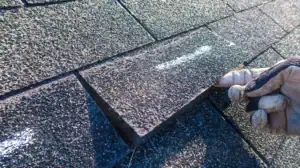
- Granules in Gutters: If your gutters look like they are filled with coffee grounds, your shingles have lost their UV protection and are becoming brittle.
- Curling or Buckling Shingles: This happens when shingles dry out or when the attic is improperly ventilated.
- Missing Shingles: High Kent and Sussex County, DE winds can peel back shingles, leaving the underlayment vulnerable.
- Moss and Algae: While algae (black streaks) is mostly cosmetic, moss holds moisture against the roof, which can lead to rot in wood-based materials.
- Damaged Flashing: The metal around chimneys and vents (flashing) is a common failure point. If it’s rusted or lifting, a leak is imminent.
Even durable materials like slate roofing aren’t immune to issues; slipped or cracked tiles should be addressed immediately to prevent moisture from reaching the roof deck.
Factors That Shorten or Extend Roof Lifespan
Why does one roof last 25 years while the neighbor’s identical roof fails at 15? It usually comes down to three main factors: installation, ventilation, and environment.
The Impact of Kent and Sussex County, DE Weather
Living in locations like Dover, Milford, or Smyrna means your roof faces unique challenges.
- Humidity: High moisture levels can accelerate the growth of moss and lichen, which trap water.
- Salt Air: For our coastal neighbors in Rehoboth Beach, salt air can corrode metal fasteners and certain roofing types faster than inland areas.
- Severe Storms: Nor’easters and summer thunderstorms bring high winds and hail that can cause immediate physical damage.
- Ice Dams: When heat escapes your attic, it melts snow on the roof, which then refreezes at the cold eaves. This “dam” forces water up under the shingles, causing significant leaks.
Our Dover roof cost guide explains how these local factors influence the long-term value of your investment.
Why Installation Quality Matters
You can buy the most expensive shingles in the world, but if they are installed poorly, they won’t last a decade.
- Nailing Patterns: If a roofer uses too few nails or places them too high, the shingles will blow off in the first strong wind.
- Underlayment: This is the secondary water barrier. Cutting corners here is a recipe for disaster.
- Attic Ventilation: This is perhaps the most overlooked factor. A roof needs to “breathe.” Without proper intake and exhaust vents, your attic becomes a furnace in the summer, literally baking your shingles from the inside out.
We take pride in our workmanship, ensuring every Milford roof replacement meets the highest industry standards to maximize longevity.
Repair vs. Replacement: Making the Right Investment
One of the most frequent questions we get is: “Can I just patch it?”
The 30% Rule is a good industry standard: if more than 30% of the roof is damaged, or if the cost of repairs exceeds 30% of a total replacement, it is usually more cost-effective to replace the entire system. Patching an old, brittle roof is often a losing game—as soon as you fix one leak, the stress of the repair often causes another leak nearby.
When to Choose Professional Repair
Repair is a great option when the roof is relatively young and the damage is localized.
- Minor Leaks: Often caused by a single backed-out nail or a piece of damaged flashing.
- Tree Damage: If a branch falls and damages a small section, we can often perform a targeted Smyrna roof repair to restore integrity.
- Missing Shingles: Replacing a few shingles lost in a storm is a standard maintenance task.
When Full Replacement Is Inevitable
There are times when repairs are just a “Band-Aid” on a larger problem.
- Structural Sagging: If your roofline looks wavy or dipped, you likely have rot in the rafters or decking. This is a safety emergency.
- Multiple Layers: If you already have two layers of shingles, Kent and Sussex County, DE building codes generally require a full tear-off before a new roof can be installed.
- End of Lifespan: If your shingles are 25 years old and losing granules, a repair today won’t stop the systemic failure happening across the rest of the surface.
Consult our 2025 roof replacement cost guide to help budget for these necessary upgrades.
Frequently Asked Questions about Roof Replacement Frequency
How often do roofs need to be replaced in Kent and Sussex County, DE?
In Kent and Sussex County, DE, the average asphalt roof lasts about 20 to 25 years. Because of our high humidity and coastal storm frequency, roofs here tend to age slightly faster than in drier, inland states. Regular maintenance, like clearing debris and ensuring your cedar shake roof is treated for moisture, can help you reach the upper end of that range.
Does homeowners insurance cover a 20-year-old roof?
It depends on your policy and the cause of damage. Insurance generally covers “sudden and accidental” damage, like hail or wind. However, they do not cover “wear and tear.” Many policies switch from Replacement Cost Value (RCV) to Actual Cash Value (ACV) once a roof hits 15-20 years old, meaning they will pay less for a claim based on the roof’s depreciation. If you’re in Rehoboth Beach, it’s vital to review your wind and hail deductibles.
How often do roofs need to be replaced if they are metal?
Metal roofs are a “lifetime” solution for many. You should expect to replace a standing seam metal roof only every 50 to 70 years. While the panels themselves are incredibly durable, you should have a professional check the fasteners and sealants every 10 years to ensure the system remains watertight.
Conclusion
Don’t leave your home’s protection to chance. Understanding how often do roofs need to be replaced is key to maintaining your property’s value and safety. Whether you are dealing with an aging asphalt roof in Dover or considering a durable metal upgrade in Milford, knowing the signs of wear can save you thousands in secondary water damage repairs.
First State Roofing & Exteriors is dedicated to providing local expertise, integrity, and transparency in every project. We are a family-owned Kent and Sussex County, DE business, and we treat your home like our own. We offer 24/7 availability for emergencies and are committed to helping Kent and Sussex County, DE homeowners make informed decisions about their roofing needs.
For a comprehensive understanding of your roof’s condition and potential lifespan, consult the ultimate guide to residential roof replacement. First State Roofing & Exteriors gives free estimates; call (302) 222-4065 for a free inspection today. Stop guessing and start protecting your home with confidence!