
Hear from Our Customers
Most homeowners in Woods Manor East aren’t thinking about siding until something goes wrong — a panel blows off in a storm, a wall starts feeling damp, or the inspector flags moisture damage during a sale. By that point, what started as a straightforward replacement has turned into a bigger, more expensive conversation. Getting ahead of it is almost always the smarter move.
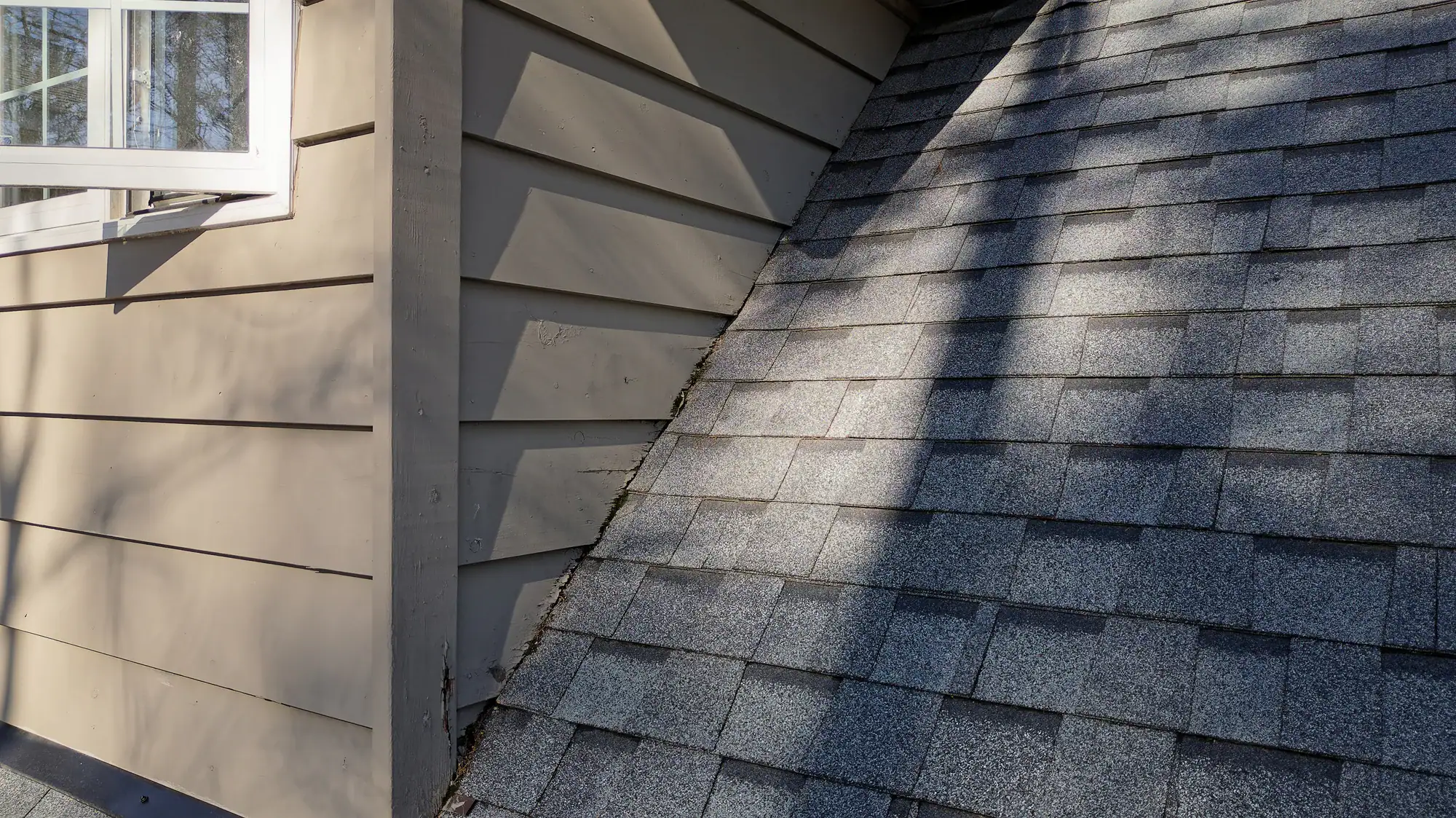
Dover averages over 44 inches of rainfall every year, and Kent County’s freeze-thaw winters put older siding through repeated stress cycles from December through March. Homes built during the 1970s through 1990s — which describes a large portion of the Woods Manor East housing stock — were fitted with vinyl or aluminum siding that’s now at or past its functional lifespan. The siding might look fine from the street, but what’s happening behind the panels is a different story.
When the siding is right, the difference is real. Walls stay dry. Heating and cooling costs stabilize. Mold and rot don’t get a foothold. And if you’re ever thinking about selling, the 2024 Cost vs. Value Report puts fiber cement siding at an 88% cost recoupment rate at resale, with vinyl coming in around 80%. For a home in the 2,700 square foot range, that’s not a small number. It’s one of the highest-returning exterior investments you can make.
We’re based in Smyrna — about 12 to 15 miles north of Woods Manor East on Route 13. That’s not a technicality. It means when you call, you’re talking to people who work in Kent County every week, know the housing stock in Woods Manor East and the surrounding area, and understand what Delaware’s climate actually does to exterior siding over time. We’re not routing your call through a regional office or dispatching a crew from two states away.
We’re owned and operated by Melissa and Richard McCain, and we’ve been serving Kent and Sussex counties for over 22 years. We’re BBB accredited with an A+ rating, licensed and insured in Delaware, and hold a 5.0 out of 5 rating across 63 or more verified reviews. Those reviews consistently mention the same things: clear communication, on-time completion, and job sites left clean.
For Woods Manor East homeowners — many of whom work in state government, at Bayhealth, or have ties to Dover Air Force Base — that kind of documented track record matters more than a polished sales pitch.
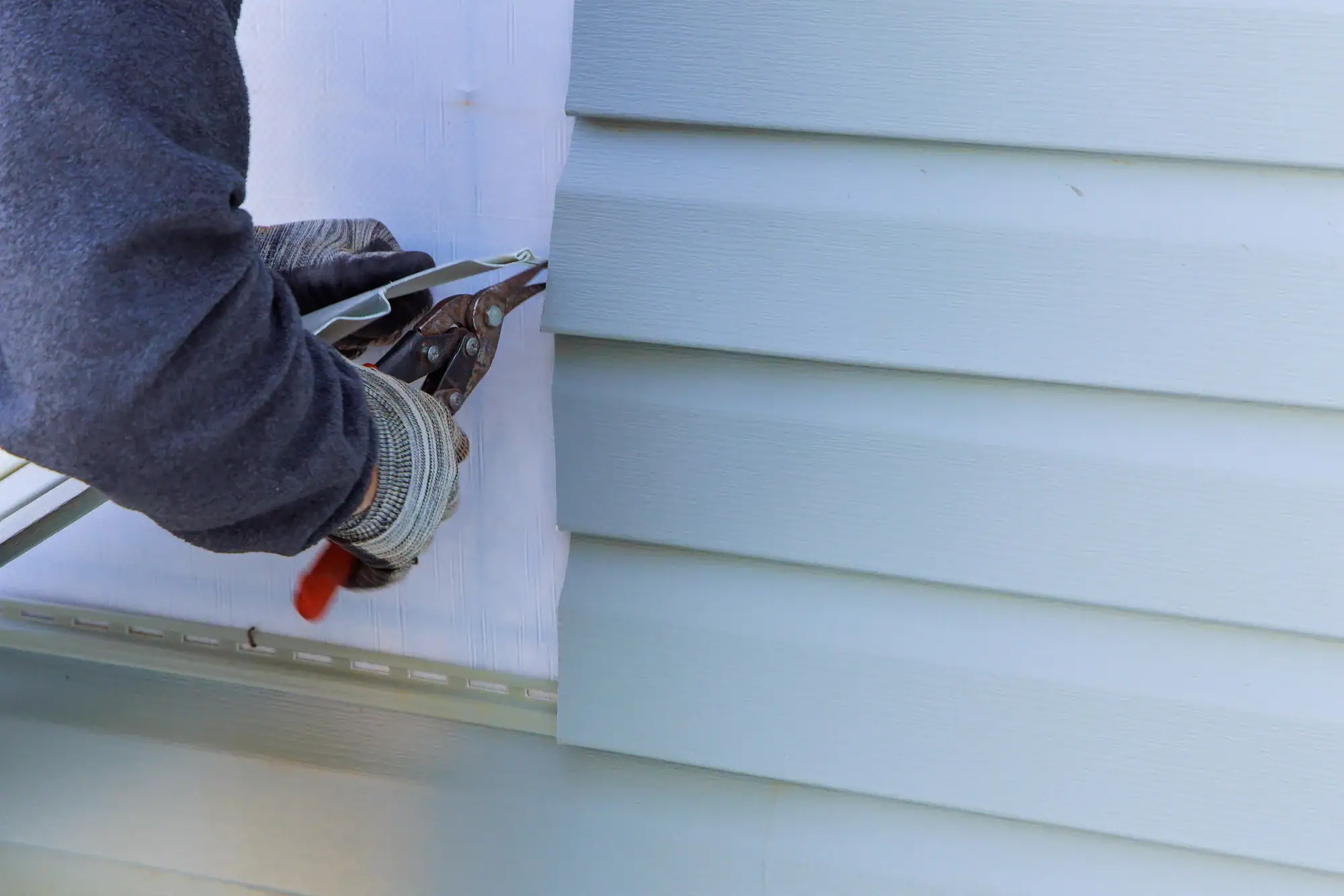
It starts with a free consultation and a detailed inspection of your current siding. This isn’t a quick visual scan — it’s a thorough look at what’s actually happening with your exterior, including what might be going on beneath the surface. If there’s moisture infiltration, rot, or damage to the underlying structure, you’ll know about it before any work starts, not after. That’s the only way to give you an accurate scope and an honest estimate.
From there, we help you choose the right material for your home. For most Woods Manor East homes — built during the era when vinyl was the dominant choice — the conversation usually comes down to modern high-performance vinyl versus fiber cement. Both hold up well in Delaware’s climate. The right answer depends on your home’s specific exposure, your budget, and your plans for the property. There’s no push toward one option over another.
Once the project starts, everything is handled in-house. No subcontractors. Because Woods Manor East sits within Dover’s city limits, siding replacement typically requires a City of Dover building permit — and we manage that entire process as a standard part of the job. You don’t have to navigate the building department or figure out what triggers a permit requirement. Most siding projects wrap up in two to five days, and the job site is left clean when our crew leaves.
Ready to get started?
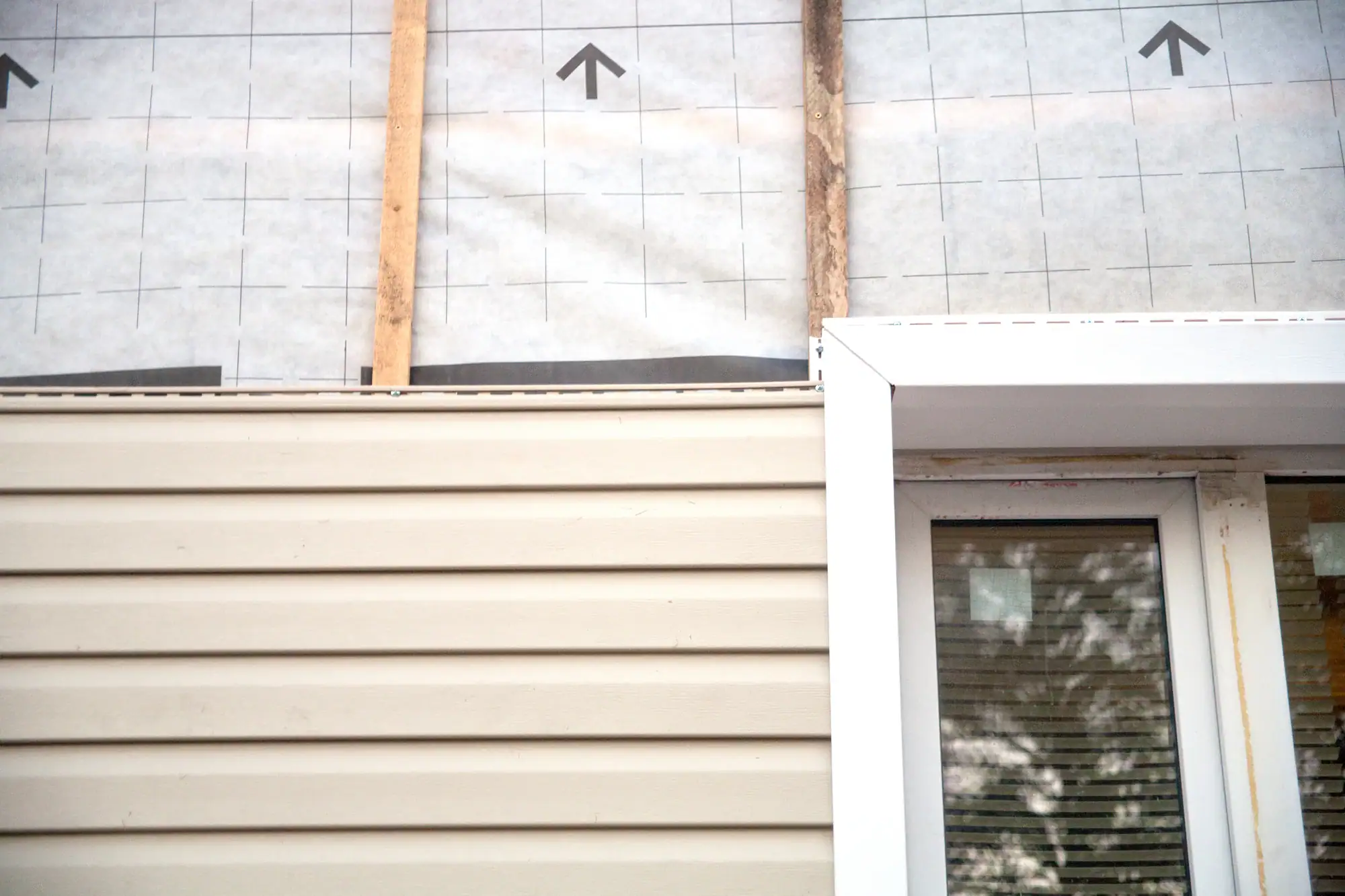
Every siding project starts with full removal of the old material. This matters because it’s the only way to inspect what’s underneath — and in homes of this age, what’s underneath isn’t always pretty. If there’s rot, mold, or moisture damage on the sheathing, we address it before a single new panel goes on. Skipping this step to save time is how contractors create bigger problems for homeowners down the road.
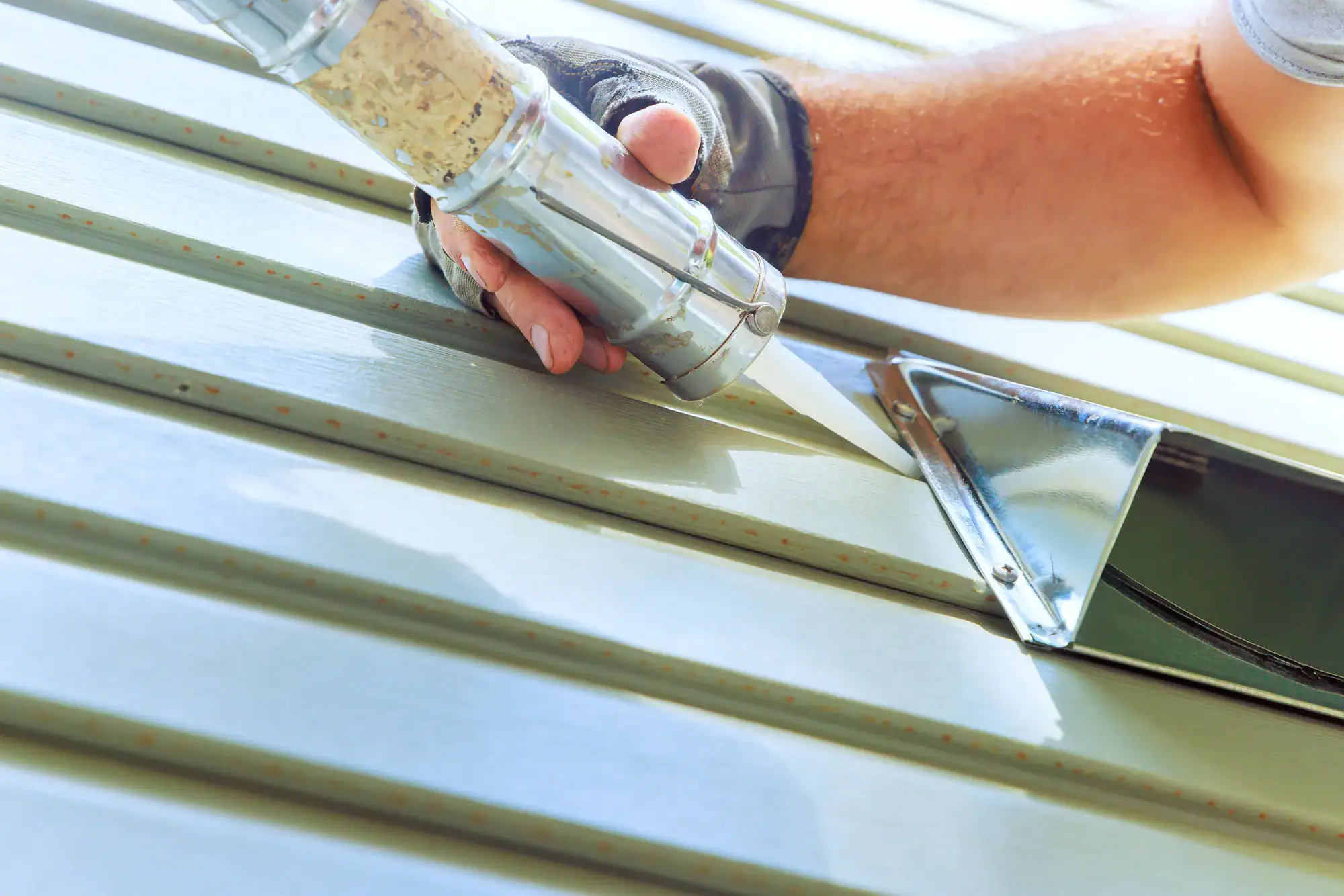
After removal and any necessary structural repairs, our crew installs a moisture barrier before the new siding goes up. This is standard on every job, not an upsell. In a climate where Dover gets over 44 inches of rain annually and humidity stays high through the summer months, that barrier is doing real work. All seams are weatherproofed, trim is finished, and the installation is built to handle the wind loads and seasonal temperature swings that come with living in central Delaware.
We install both vinyl and fiber cement siding. If your home has storm damage, we can also help you navigate the insurance claims process — something most siding contractors in the Dover area don’t offer. Financing is available for homeowners who want to move forward now rather than delay while the underlying damage continues to compound. And because we handle roofing and gutters as well, homeowners who need a full exterior overhaul can coordinate everything through one contractor instead of managing three separate schedules.

Yes, in most cases. Because Woods Manor East is within Dover’s city limits, exterior siding work that involves replacing the weatherproofing layer of your home typically triggers a building permit requirement through the City of Dover. This is different from unincorporated areas of Kent County, where the permitting process runs through the county rather than a city building department.
The permit process involves submitting documentation about the scope of work, the materials being used, and in some cases scheduling a post-installation inspection. It’s not complicated if you’ve done it before, but it’s a real administrative step that homeowners shouldn’t have to figure out on their own. We handle all permitting as a standard part of every siding project — it’s built into the process, not charged as an add-on. Skipping permits isn’t just a code violation; it can create problems when you go to sell the home, since unpermitted work shows up during title searches and home inspections.
The honest answer is that it depends on how widespread the damage is and how old the siding is. If you have one or two cracked panels from a recent storm, repair is often a reasonable option. But if your home was built in the 1970s, 1980s, or 1990s — which covers a large portion of the Woods Manor East housing stock — and the siding has never been replaced, you’re likely looking at material that’s already at or past its functional lifespan.
Signs that point toward replacement rather than repair include panels that are warping, buckling, or pulling away from the wall; siding that’s chalking or fading significantly; interior walls that feel damp or show signs of moisture; and mold or mildew growth that keeps coming back on the exterior surface. Any one of these on its own might be manageable. Several of them together, on a home of this age, usually means the siding has stopped functioning as a reliable moisture barrier. A thorough inspection — which we provide at no charge — is the clearest way to get a straight answer about where your home actually stands.
Both materials perform well in Delaware’s climate, but they have real differences worth understanding before you decide. Vinyl siding is lighter, faster to install, and generally less expensive upfront. Modern vinyl — particularly thicker, insulated options — is significantly better than the vinyl installed on homes in the 1980s and 1990s. It resists moisture, doesn’t rot, and holds color reasonably well. For many homeowners in Woods Manor East, updated vinyl is a practical, durable choice.
Fiber cement is denser, heavier, and more resistant to impact damage. It handles Delaware’s freeze-thaw cycles and high humidity extremely well, and it has a documented lifespan of up to 50 years compared to vinyl’s 20 to 40. It also holds paint better over time and tends to look more like traditional wood siding, which some homeowners prefer aesthetically. The tradeoff is a higher upfront cost and a longer installation process. The 2024 Cost vs. Value Report shows fiber cement recouping about 88% of its cost at resale nationally, compared to roughly 80% for vinyl — a meaningful difference if resale value is part of your decision.
Often yes, depending on your policy and the cause of the damage. Dover and Kent County get hit regularly by nor’easters, tropical storm remnants, and severe summer thunderstorms. Wind and hail damage from these events is typically covered under standard homeowners insurance policies as a sudden, accidental loss. What’s not covered is siding that has deteriorated gradually over time due to age or lack of maintenance — insurers distinguish between storm damage and wear and tear.
The tricky part is that many homeowners don’t know their siding was damaged by a storm until they notice a symptom — a leak, a drafty wall, or visible panel damage — sometimes weeks after the event. Getting a professional inspection shortly after a significant storm is the best way to document what happened and when. We assist with the insurance claims process, which means we can help you understand what’s covered, document the damage properly, and work with your adjuster. Most siding contractors in the Dover area don’t offer this, which leaves homeowners navigating a claims process they’ve never dealt with before on their own.
For most single-family homes, a full siding replacement runs between two and five days from start to finish. The actual timeline depends on the size of the home, the material being installed, and what our crew finds once the old siding comes off. A straightforward vinyl installation on a mid-size home tends to move quickly. Fiber cement takes a bit longer due to the weight of the material and the precision required during installation. If there’s underlying damage — rot, mold, or deteriorated sheathing — that adds time as well, but it’s work that has to be done regardless.
Weather is also a real factor in Delaware. Spring and fall are the most active storm seasons in Kent County, and scheduling a siding project during a stretch of stable weather makes the job go smoother and faster. We’ll walk you through a realistic timeline during the initial consultation, so you know what to expect before anything starts. There are no surprises about scope or timeline after the job is underway — any changes to the plan require your approval first.
Start with the basics: verify that the contractor is registered with the Delaware Department of Labor’s Office of Contractor Registration and carries current liability insurance. Delaware doesn’t issue a state contractor license the way some states do, but registration is required by law before any work begins. A contractor who can’t confirm their registration status is a red flag, full stop. You can also check BBB accreditation — it’s a third-party signal that the company has met standards for transparency and accountability.
Beyond credentials, pay attention to how a contractor communicates before you’ve signed anything. Do they respond promptly? Do they give you a detailed, written estimate with a clear scope of work — or a vague number scribbled on a card? Do they pull permits, or do they suggest skipping them to save money? In a city like Dover, where unpermitted work creates real problems at resale, a contractor who handles permitting correctly is worth more than one who shaves a few dollars off the quote by cutting corners. We’re Smyrna-based, BBB accredited, and have 22 or more years of documented work in Kent County — the kind of track record that’s easy to verify and hard to fake.
Other Services we provide in Woods Manor East