
Hear from Our Customers
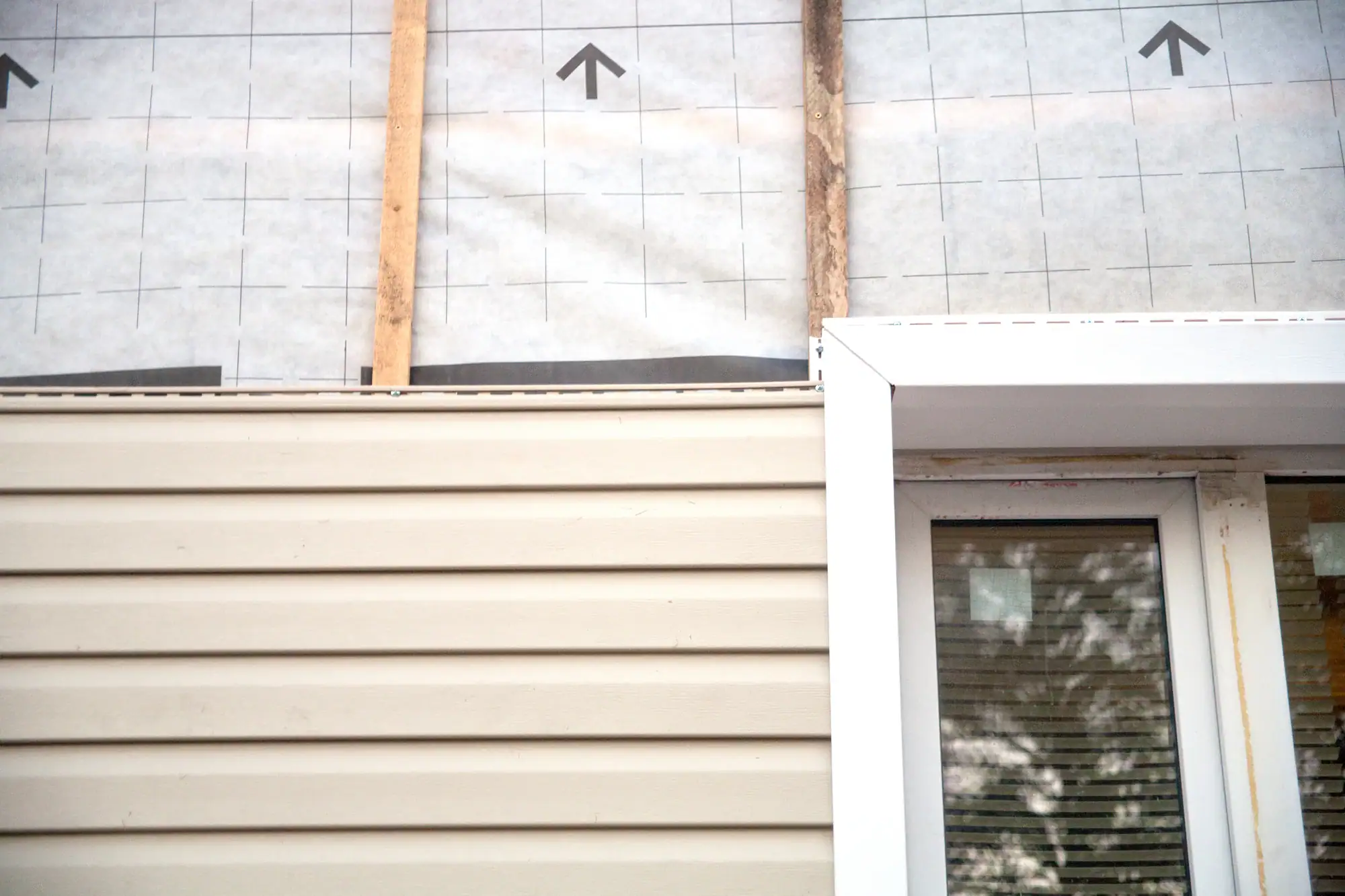
When siding fails in The Hamlet, it rarely announces itself loudly. It starts quietly — a little fading here, a hairline crack along a seam there, some discoloration on the north-facing panels that never quite dry out. By the time you notice it from the street, moisture has usually been working behind the wall for a while. New siding stops that process cold and gives your home a real barrier again.
The Hamlet sits right alongside Silver Lake in northwest Dover, and that proximity creates a consistently damp microclimate that accelerates the kind of siding wear most homeowners don’t see coming. Vinyl panels that might last 35 years in a drier inland setting can start showing stress much sooner here. Fiber cement holds up even better in high-moisture environments — and both materials, when installed correctly with a proper moisture barrier, keep water out of the wall assembly where it causes real structural damage.
In a walkable townhome community where every exterior is in plain view, new siding also does something else: it lifts the whole block. The Hamlet is the kind of neighborhood where residents are out walking, neighbors talk, and curb appeal is genuinely shared. When your home looks sharp, it reflects well on the community — and it protects the investment you’ve made in your property. According to the 2024 Cost vs. Value Report, vinyl siding recoups around 80% of project cost at resale, and fiber cement comes in even higher at 88%.
We’re based in Smyrna — about 15 miles up Route 13 from The Hamlet — and have been serving Kent County homeowners for over two decades. That means we know the housing stock in The Hamlet, we know the permitting process through the City of Dover’s building department, and we’ve worked in communities just like yours more times than we can count.
What sets us apart from larger regional contractors is straightforward: no outsourcing. Every siding project is handled by our own trained, insured crew from the first inspection to the final cleanup. You won’t get a subcontractor showing up at your door that you’ve never heard of. In a townhome community where neighbors share driveways and common areas, that matters.
Melissa and Richard McCain own and operate the business, and that ownership shows up in the reviews — 5.0 out of 5 stars from over 63 verified customers who consistently mention professionalism, communication, and job sites left cleaner than they found them. The A+ BBB accreditation backs that up independently.
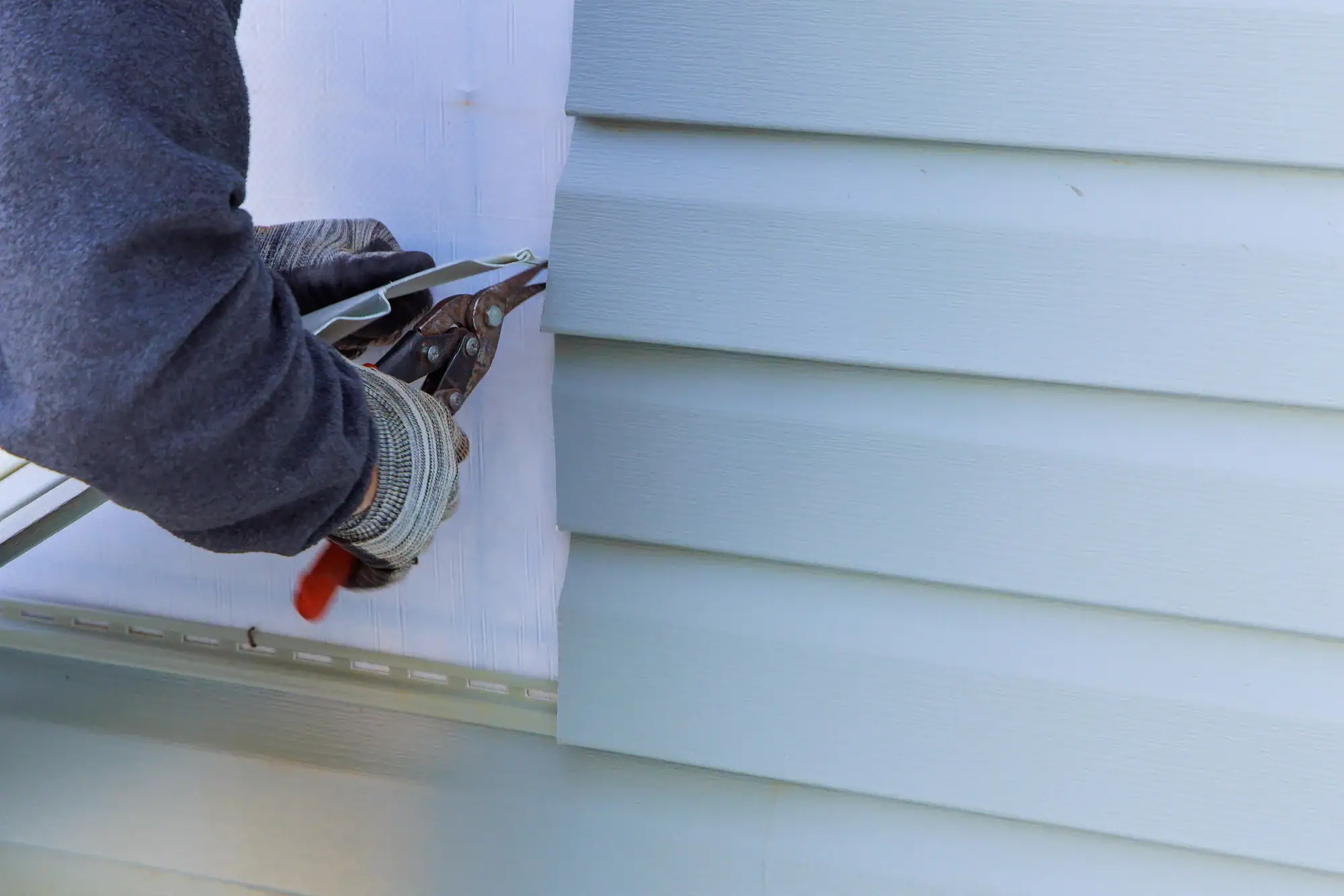
It starts with a free consultation and a detailed inspection of your existing siding. Before anything comes off the house, we walk through what we’re seeing — where the wear is, whether there’s moisture infiltration behind the current panels, and what the underlying sheathing looks like. This matters especially in The Hamlet, where Silver Lake’s ambient humidity means hidden moisture damage is a real possibility in homes built in the 1980s and early 1990s. If there’s rot or water damage underneath, you’ll know about it before the project scope is finalized — not after.
From there, we handle the building permit through the City of Dover. You don’t have to call the building department, fill out forms, or figure out what Dover’s code requires for exterior siding work. That’s taken care of as part of the process, and every installation is completed to meet local code requirements.
Once the permit is in order, the old siding comes off, a moisture barrier goes up, and new panels are installed and sealed. Most siding projects take two to five days depending on the size of the home and the material chosen. Our crew works efficiently, keeps the job site clean throughout — which is important in a tight townhome community where your neighbors are close — and does a full cleanup before we leave. When it’s done, you get a finished exterior that’s built to handle Delaware’s freeze-thaw cycles, summer humidity, and the kind of seasonal storms that roll through Kent County every year.
Ready to get started?
We offer both vinyl siding and fiber cement siding installation — and help you choose the right material based on your home’s actual exposure, not just what’s easiest to install. For homes in The Hamlet with north-facing walls or direct proximity to Silver Lake, fiber cement is worth a serious look. It’s virtually immune to moisture problems, carries a lifespan of up to 50 years, and holds paint well in high-humidity environments. Vinyl is still an excellent choice for most homes — it’s the most popular siding material in Delaware for good reason — but the thickness, UV resistance rating, and insulation backing all vary significantly between products, and those differences matter in Dover’s climate.
Every installation includes full removal of the existing siding, a moisture barrier, weatherproof seams, and proper trim work and sealing around windows and edges. These aren’t optional add-ons — they’re how siding is supposed to be installed if it’s going to last. We also handle any structural issues uncovered during removal, so you’re not left with a half-finished job because something unexpected turned up under the old panels.
For Hamlet homeowners in an HOA-adjacent community, we ensure the finished product meets community appearance standards as well as City of Dover building codes. And if your siding damage is storm-related, we provide insurance claims assistance — helping you document the damage and work through the claim correctly so you’re not leaving money on the table. Financing is also available for homeowners who want to move forward now without waiting.

The most obvious signs are visible — cracking, warping, fading that’s gone uneven, or panels that have pulled away from the wall. But in The Hamlet, the more important question is what’s happening behind the siding you can see. Homes in this community were likely built in the late 1970s through early 1990s, which puts the original siding at 30 to 45 years old. Vinyl siding has a lifespan of 20 to 40 years under normal conditions, and in a higher-moisture environment like the area around Silver Lake, that lifespan can run shorter.
Other things to look for: mold or mildew growth on the surface that keeps coming back no matter how many times you clean it, soft spots or bubbling under the panels (which usually means moisture has gotten behind the wall), and higher-than-normal heating or cooling bills that suggest the insulation value of the siding has degraded. If you’re not sure, a free inspection from us will tell you exactly what you’re dealing with before you commit to anything.
Both materials work well in Delaware’s climate, but they perform differently depending on your home’s specific exposure. Vinyl siding is moisture-resistant, requires almost no maintenance, and carries a lifespan of 20 to 40 years. It’s the most popular siding material in Delaware and handles the state’s humidity, freeze-thaw cycles, and seasonal storms well when it’s properly installed. The key variable with vinyl is quality — thickness, UV resistance, and whether it has insulated backing all affect how long it lasts and how well it performs.
Fiber cement goes further. It’s considered virtually immune to moisture problems, which makes it especially well-suited for homes in The Hamlet that face Silver Lake or have shaded north-facing walls that stay damp longer after rain. Its lifespan runs up to 50 years, it holds paint better in high-humidity environments, and it doesn’t warp or crack under freeze-thaw stress the way lower-grade vinyl can. It typically costs more upfront, but the 2024 Cost vs. Value Report shows fiber cement recoups about 88% of its cost at resale — slightly higher than vinyl’s approximately 80% return. We can walk you through the tradeoffs based on your home’s actual conditions.
Yes. The City of Dover requires a building permit for exterior siding replacement, and the work must be performed by a contractor who is properly registered under Delaware’s Contractor Registration Act through the Department of Labor. Skipping the permit isn’t just a technical violation — it can create real problems when you go to sell the home, since unpermitted work often has to be disclosed or corrected before a sale can close.
The good news is that we handle all of this as a standard part of every project. You don’t need to call the City of Dover’s building department, figure out what documentation is required, or track the permit status yourself. We manage the permitting process from start to finish and ensure every installation meets Dover’s current building code requirements. It’s one less thing on your plate, and it means the finished job is documented correctly for your records and for any future buyer.
In many cases, yes. Homeowners insurance policies typically cover siding damage caused by wind, hail, and storm events — which are all common in Kent County, where the flat, open terrain of central Delaware leaves homes fully exposed to nor’easters, summer thunderstorms, and tropical systems that track up the Delmarva Peninsula. The challenge is that getting a claim approved requires proper documentation of the damage, and insurance companies don’t always make that process straightforward.
We provide insurance claims assistance for storm-damaged siding. That means we help you document the damage correctly, work through the claim process, and make sure the scope of the repair reflects what actually needs to be done — not just what’s easiest to approve. This is something most siding contractors don’t offer, and it can make a significant difference in what your insurance actually covers. If you’ve had recent storm damage and aren’t sure whether it’s worth filing a claim, a free inspection is the right first step.
Most siding projects take two to five days depending on the size of the home and the material being installed. For a townhome in The Hamlet, the timeline typically falls on the shorter end of that range — but the precision required for townhome installation, including working around shared walls, tight spacing between units, and any HOA appearance standards, means our crew takes the time to do it right rather than rushing through.
During the project, there will be some noise and activity, and the old siding removal does generate debris. Our crew keeps the job site clean throughout the process and does a thorough cleanup before we leave — which matters in a close-knit community like The Hamlet where your neighbors are nearby and common areas are shared. Most homeowners find the disruption manageable and the timeline predictable. You’ll know what days we’re coming, what we’re doing each day, and when the job will be finished.
Yes, we offer financing. A full siding replacement on a Dover townhome or single-family home is a meaningful project cost, and we understand that not every homeowner wants to pay the full amount upfront — especially when the replacement is being driven by necessity rather than a planned renovation. Financing lets you move forward with the project now, rather than deferring it another season while moisture continues working behind deteriorating panels.
This is particularly relevant for homeowners in The Hamlet whose siding is at or past the end of its useful life. Waiting doesn’t save money — it usually costs more, because moisture damage to the underlying sheathing adds to the scope of the repair when you finally do address it. If budget is a concern, ask about financing options when you schedule your free consultation. We’ll walk you through what’s available so you can make a decision that works for your situation, not just your calendar.
Other Services we provide in The Hamlet