
Hear from Our Customers
The most immediate thing you notice is what stops happening. No more water stains creeping down interior walls after a heavy rain. No more paint bubbling near the foundation. No more soft spots you can feel when you press on the wall near a window frame.
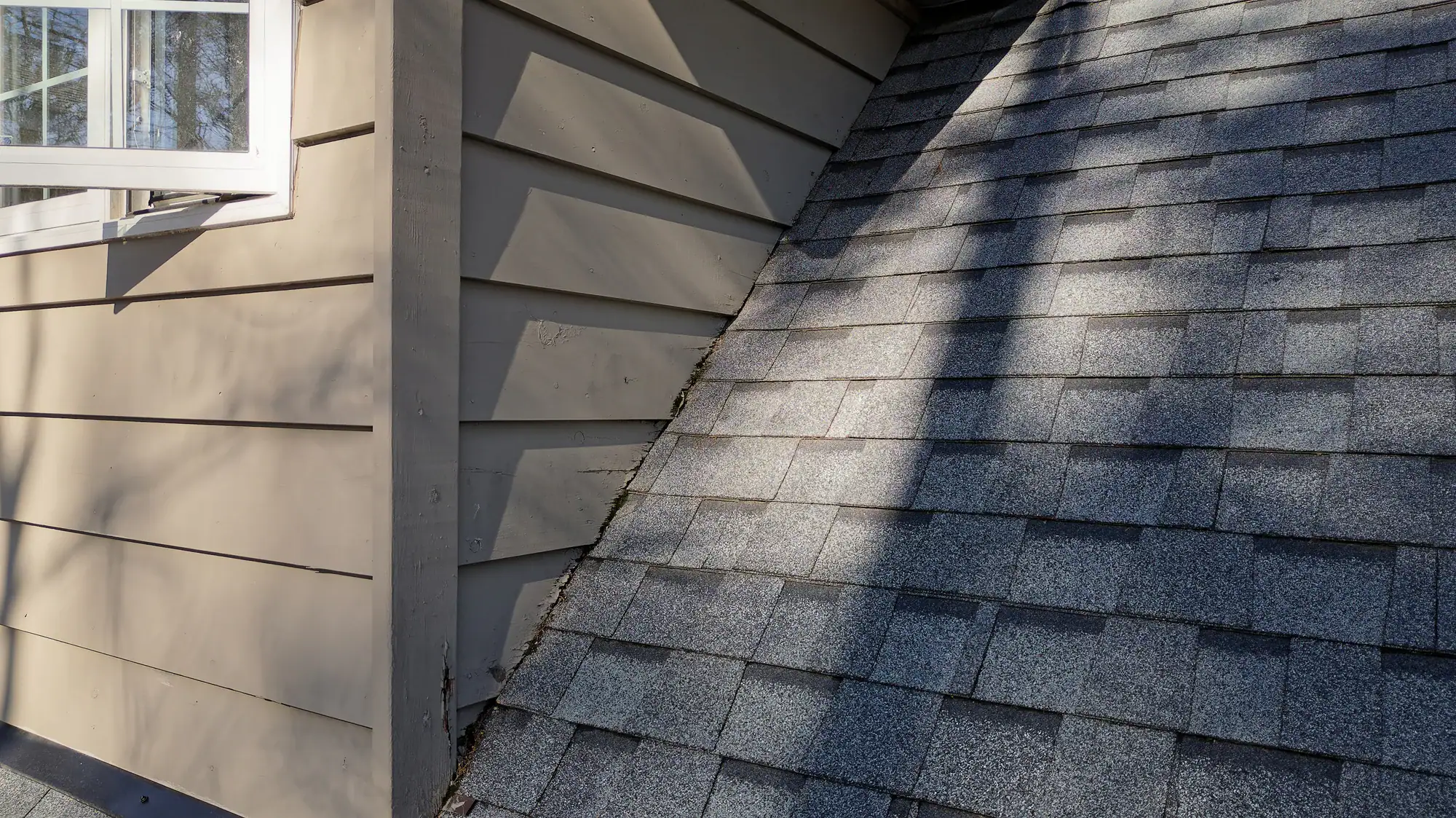
When siding fails on a home that’s been standing since the 1950s or 1960s — which describes most of Rodney Village — the damage doesn’t stay on the surface. It works inward. By the time it’s visible inside, you’re looking at a repair bill that makes new siding seem like the bargain it always was.
Rodney Village gets the full range of what Delaware throws at exterior surfaces. Kent County averages over 44 inches of rain per year, and the National Weather Service regularly issues severe thunderstorm watches for this area from spring through fall. Add in the freeze-thaw cycles of January and February, and older siding materials — whether original to the home or updated in the 1980s or 1990s — are working against a clock they’ve mostly already run out on.
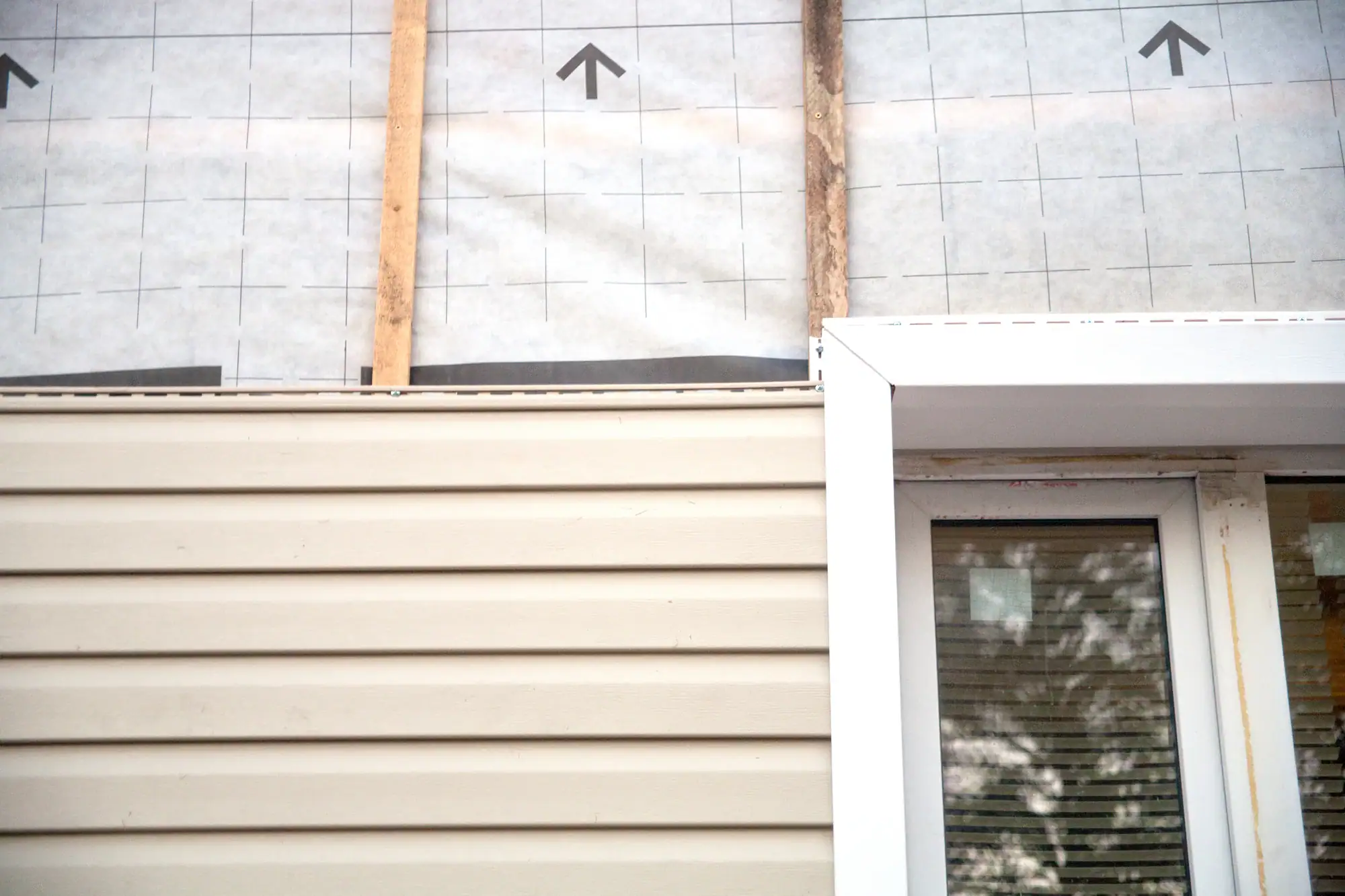
New vinyl or fiber cement siding, properly installed with a moisture barrier and weatherproof seams, changes how your Rodney Village home handles all of that. Water that used to find its way behind the panels now stays out. The framing underneath stays dry. The interior stays protected.
There’s also a practical financial side to this. The 2024 Cost vs. Value Report shows vinyl siding recoups roughly 80% of its cost at resale, and fiber cement comes in around 88%. If you’re in Rodney Village and thinking about selling — whether that’s a planned decision or one that could come up quickly — new siding is one of the few exterior improvements that actually shows up in what a buyer is willing to pay.
We’re based in Smyrna, Delaware — about 15 miles north of Rodney Village on US Route 13, the same road that runs right past the Rodney Village Shopping Center. We’ve been serving Kent and Sussex counties for over 22 years, which means we’ve worked on homes throughout this corridor long enough to know exactly what aging housing stock in Rodney Village looks like underneath old siding.
We’re BBB accredited with an A+ rating, licensed and insured per Delaware’s contractor registration requirements, and we carry a 5.0 out of 5 star rating from more than 63 verified reviews on Google and Facebook. Those reviews consistently mention the same things: clear communication before the job starts, crews that show up when we say we will, and job sites that are cleaned up completely when the work is done.
Every project is handled by our own team — no subcontractors, no day-labor crews, no surprises at the door. When you get an estimate from us, the people who wrote it are the people doing the work.
It starts with a free consultation and a detailed inspection of your home’s current exterior. For homes in Rodney Village — most of which were built in the 1950s and 1960s — this step matters more than it does on newer construction. Before any new siding goes on, we need to see what’s underneath.
Original siding materials from that era can hide decades of moisture infiltration, rot, or pest damage that won’t show up until the panels come off. Finding it at the inspection stage means you know what you’re dealing with upfront, not mid-project.
From there, you get a written scope of work with a clear price. No vague estimates, no line items that appear later. We handle all permitting — since Rodney Village is an unincorporated CDP, that means coordinating with Kent County, and it’s a step most homeowners would rather not navigate on their own. We take care of it.
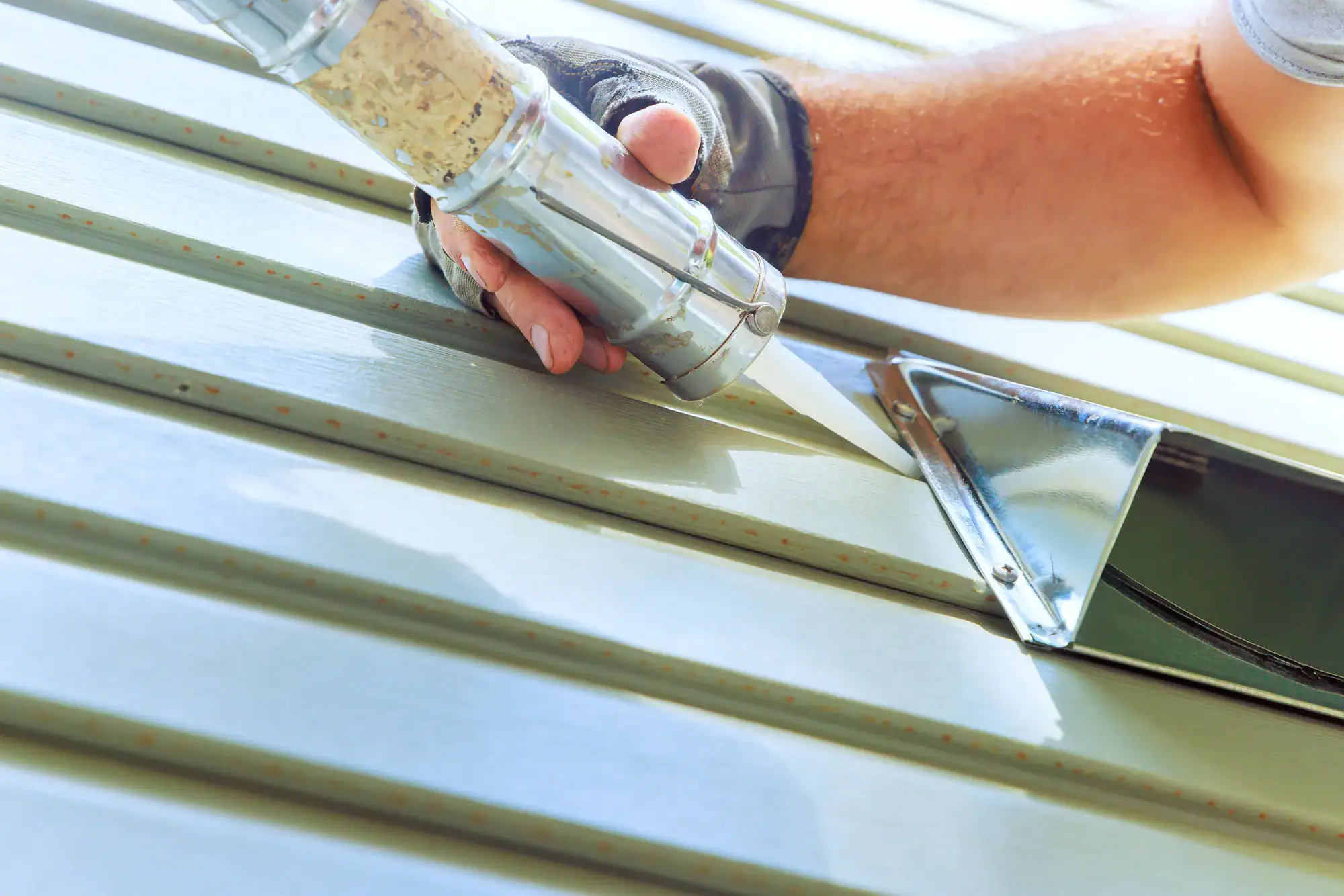
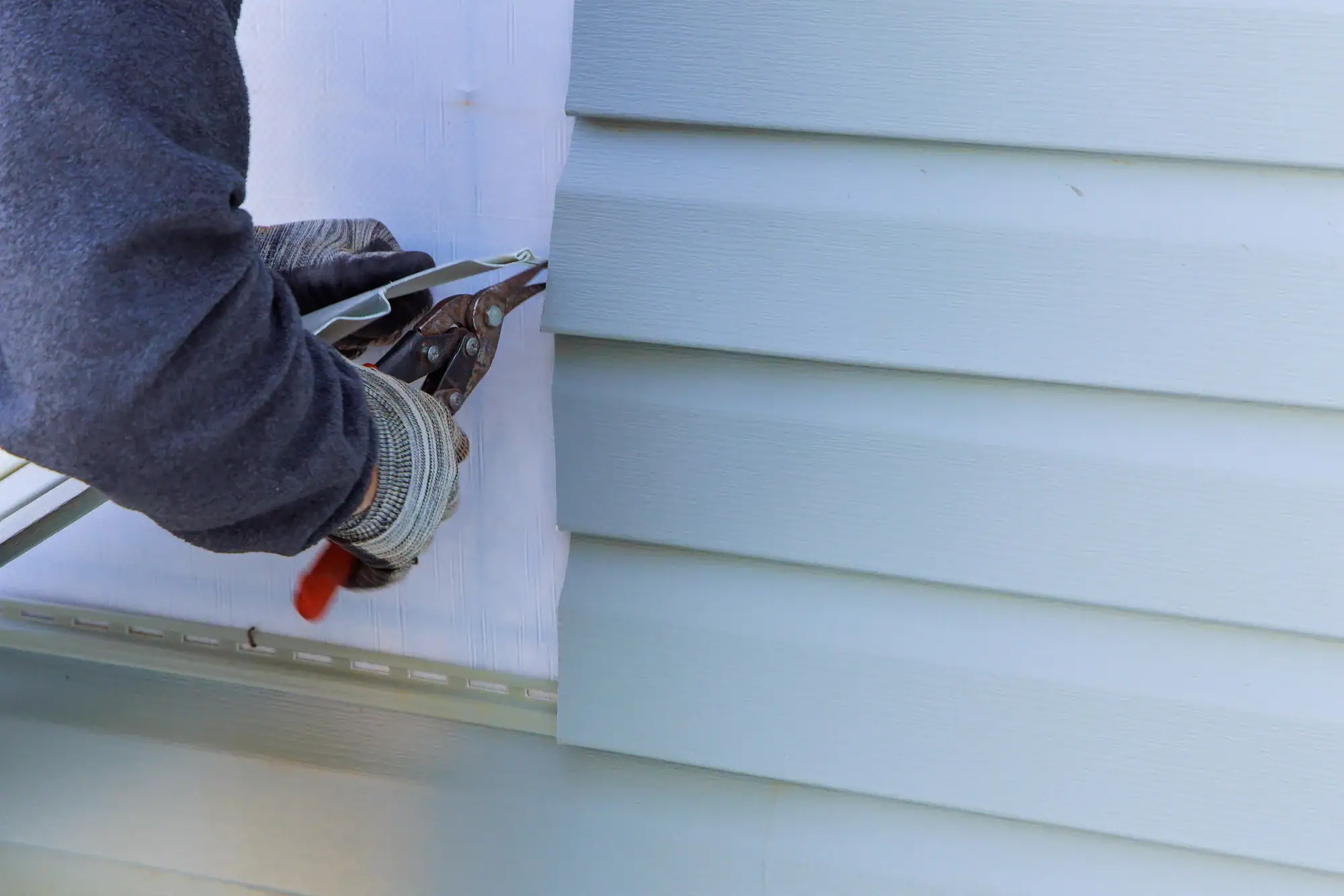
Once work begins, the old siding comes off completely, the underlying structure is inspected, a moisture barrier goes down, and new siding is installed and sealed. Most projects are completed in two to five days. The job site is cleaned up at the end of each day and fully at completion — no leftover debris, no stray fasteners in the yard.
Ready to get started?
We install both vinyl siding and fiber cement siding, and the choice between them comes down to your home’s age, your plans for the property, and your budget — not which one is easier to install.
Vinyl is the most popular siding material in Delaware for good reason. It resists moisture, doesn’t rot, handles wind and rain well, and requires minimal maintenance over its 20 to 40 year lifespan. For a Rodney Village homeowner who wants reliable protection without a premium price tag, vinyl is often the right call.
Fiber cement — materials like James Hardie — has a lifespan of up to 50 years, holds up exceptionally well in humid climates, and tends to perform better for resale value. If you’re planning to stay in the home long-term or want to maximize what a buyer will pay, fiber cement is worth the additional investment.
Both options include full removal of the existing siding, moisture barrier installation, weatherproof seaming, and trim work. We also offer financing, which matters in a community like Rodney Village where a full siding project is a significant line item in any household budget. If your siding was damaged in a storm, we can also assist with the insurance claims process — documenting the damage, working with your carrier, and making sure the claim reflects what actually needs to be done.

The clearest signs are visible damage you can see from the ground: cracking, warping, fading that goes beyond cosmetic, panels that have pulled away from the wall, or sections where the surface feels soft or spongy when you press on it. Mold or mildew growth that keeps coming back in the same spots is another indicator — it usually means moisture is getting behind the siding, not just sitting on the surface.
For homes in Rodney Village built in the 1950s and 1960s, the timeline alone is worth paying attention to. Original siding materials from that era have long exceeded their useful life. Even homes that received a vinyl update in the 1980s or 1990s are now 30 to 45 years into a material with a 20 to 40 year lifespan.
A free inspection from us will tell you whether you’re looking at a repair, a partial replacement, or a full installation — and what the underlying structure looks like before any decision gets made.
Vinyl siding is lighter, more affordable upfront, and easier to maintain over time. It resists moisture well, doesn’t rot, and holds up reliably in Delaware’s wet climate. A quality vinyl installation typically lasts 20 to 40 years.
Fiber cement — James Hardie is the most recognized brand — is denser, more rigid, and can last up to 50 years. It handles humidity exceptionally well and can hold paint longer, which matters in a climate as wet as Kent County’s.
The honest answer is that both are solid choices for a Rodney Village home. If budget is the primary concern and you want dependable protection without the premium cost, vinyl makes sense. If you’re staying in the home for the long haul, or if you’re preparing the property for sale and want to maximize resale value, fiber cement’s longer lifespan and higher cost-recoup rate at resale — roughly 88% according to the 2024 Cost vs. Value Report — often justifies the difference. We’ll walk you through both options based on your specific home and situation, not a sales script.
It often does, but the answer depends on your specific policy and how the damage occurred. Most standard homeowners insurance policies cover sudden storm damage — high winds, hail, falling debris — as a covered peril. What they typically don’t cover is damage that results from gradual deterioration or lack of maintenance.
Kent County gets regular severe thunderstorm activity through spring, summer, and fall, and nor’easters in the colder months can do real damage to siding — especially on older Rodney Village homes where the panels and fasteners have already been weakened by years of exposure. The distinction between storm damage and gradual wear matters, and it’s one of the places where homeowners can get shortchanged if they’re not careful about how the claim is documented.
We provide insurance claims assistance as part of our service. We’ll help document the damage thoroughly, work with your insurance carrier, and make sure the scope of the claim reflects what your home actually needs — not a minimum payout that leaves you covering the gap.
Yes, exterior siding work typically requires a building permit, and in Rodney Village — which is an unincorporated census-designated place — that means going through Kent County rather than a city building department. A lot of homeowners don’t realize that distinction upfront, and navigating county permitting on top of everything else involved in a siding project is genuinely inconvenient.
We handle all permitting as part of the job. We’re registered with the Delaware Department of Labor’s Office of Contractor Registration as required under the Delaware Contractor Registration Act, and we manage the permit process from submission through approval. You don’t have to figure out which office to call, what forms to file, or whether your contractor is even legally authorized to work in Delaware — we take care of it.
It’s one less thing on your plate, and it also means the work is done with a proper paper trail, which matters if you ever sell the home.
Most residential siding projects are completed in two to five days, depending on the size of the home and the material being installed. Fiber cement takes slightly longer to work with than vinyl, and homes with more complex rooflines or multiple stories add time.
What can extend the timeline on older homes in Rodney Village specifically is what gets discovered when the old siding comes off — if there’s rot, damaged sheathing, or moisture infiltration behind the existing panels, that work needs to happen before new siding goes on. We start every project with a thorough inspection precisely because of this.
The goal is to identify any underlying issues before work begins so the timeline and cost are as accurate as possible from the start. If something unexpected does come up during removal, you’ll be told about it immediately and given the option to decide how to proceed — no work added to the scope without your approval. The crew works each day until a clean stopping point and leaves the site cleared before we leave.
Yes, we offer financing. A full siding installation on a home in Rodney Village is a real financial commitment, and the ability to spread that cost over time can make the difference between getting the work done now and deferring it until underlying damage gets worse and more expensive to fix.
The practical risk of deferring siding replacement on an aging home isn’t just cosmetic. Moisture that gets behind failing siding doesn’t stay there — it works into the wall sheathing, the framing, and eventually the interior. By the time that damage becomes visible inside the house, the repair cost is significantly higher than new siding would have been.
Financing through us makes it possible to protect your home now, on a payment schedule that fits a real budget, rather than waiting on a problem that compounds the longer it sits. Reach out for a free estimate and ask about current financing options when you call.
Other Services we provide in Rodney Village