
Hear from Our Customers
Living on the water in Rock Hall is one thing. Keeping a home in good shape here is another. The Chesapeake Bay carries salt particles in the air year-round — not just during storms — and those particles land on every exterior surface of every home in town. Salt draws moisture to itself. That moisture sits against your siding constantly, working through seams and gaps, breaking down whatever protection was there. Wood warps. Paint peels. Metal fasteners rust. And by the time the damage is visible on the outside, there’s often a bigger problem hiding in the wall cavity behind it.
It’s what happens to siding near the Bay when the wrong material gets installed, or when the installation isn’t tight enough to keep moisture out in the first place. The right siding — installed correctly, with a proper moisture barrier and weatherproof seams — can handle what Rock Hall dishes out for decades.
For homeowners in Rock Hall, especially those managing a property from Baltimore, Philadelphia, or D.C., there’s also the deferred maintenance problem. Nearly one in three homes here sits vacant for months at a time. A crack in the siding that goes unnoticed through a winter can let moisture into the wall all season long. By spring, what started as a surface issue has become something that needs more than new panels. Getting ahead of it — with a thorough inspection and the right materials — is how you protect a property you’re not watching every day.
We’re based in Smyrna, DE, about 35 miles from Rock Hall via US-301. That’s close enough to know the climate, the housing stock, and the specific conditions that Bay-area properties face — and far enough that some contractors simply don’t bother to serve this area well. We do.
Melissa and Richard McCain have been running this company for over 22 years, and every project stays in-house. No subcontractors show up at your Gratitude neighborhood cottage or your waterfront property on Huntingfield Road without you knowing exactly who they are. The crew that shows up is our crew — trained, insured, and accountable to the same owners who answered your first call.
We hold a BBB accreditation with an A+ rating, carry a 5.0 out of 5 star rating across 63-plus verified reviews, and have built our reputation on doing the job right the first time. For Rock Hall homeowners who can’t always be present to supervise, that track record matters more than almost anything else.
It starts with a free consultation and a detailed inspection — before any commitment, before any work begins. For homes in Rock Hall, that inspection matters more than it does almost anywhere else. Salt air and coastal humidity don’t just affect the surface of siding; they work through gaps and around fasteners to reach the sheathing and framing underneath. The inspection tells you what’s actually going on, not just what’s visible from the driveway. If there’s moisture damage underneath the old siding, you’ll know about it before a single panel comes off — not after.
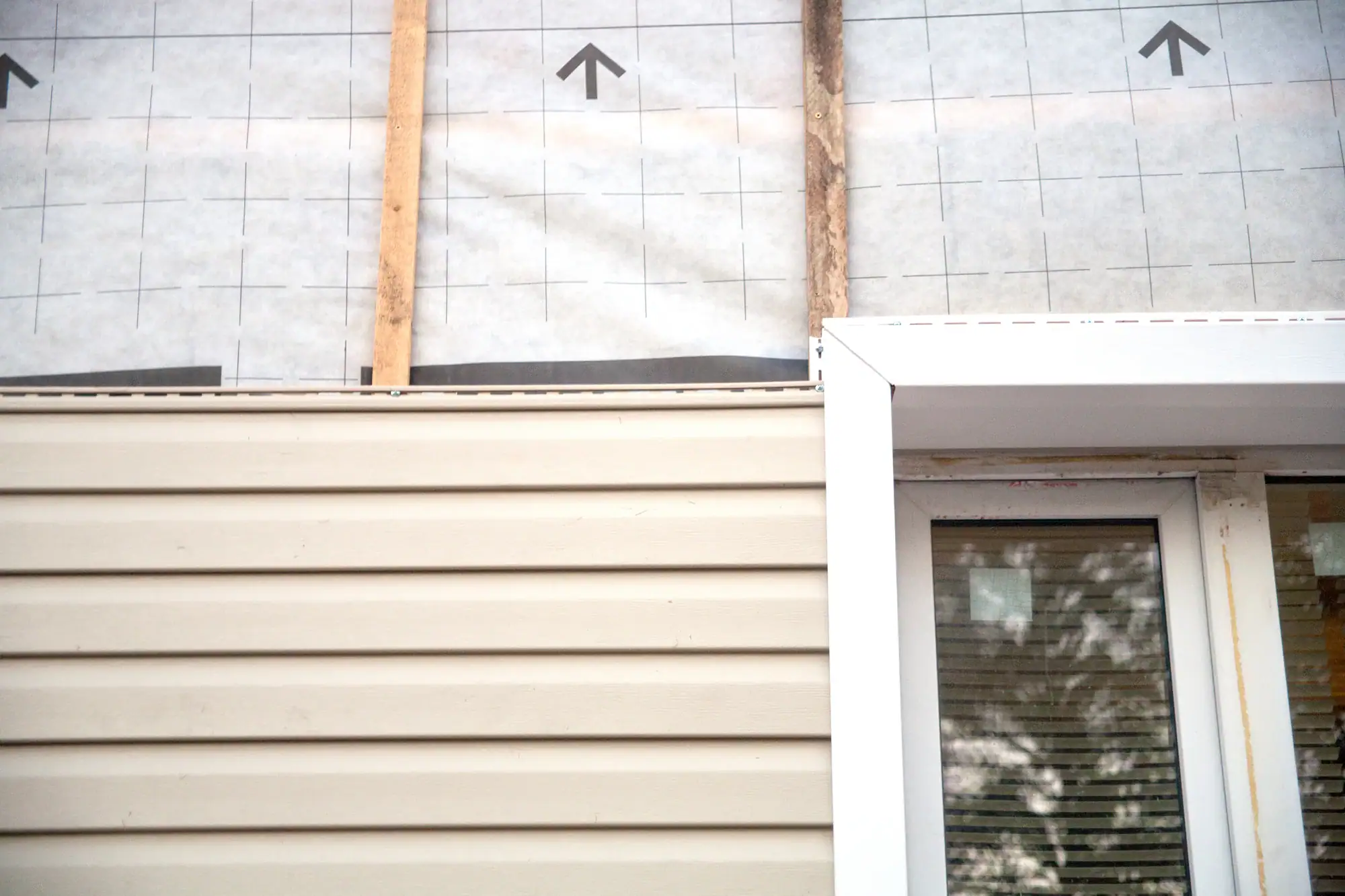
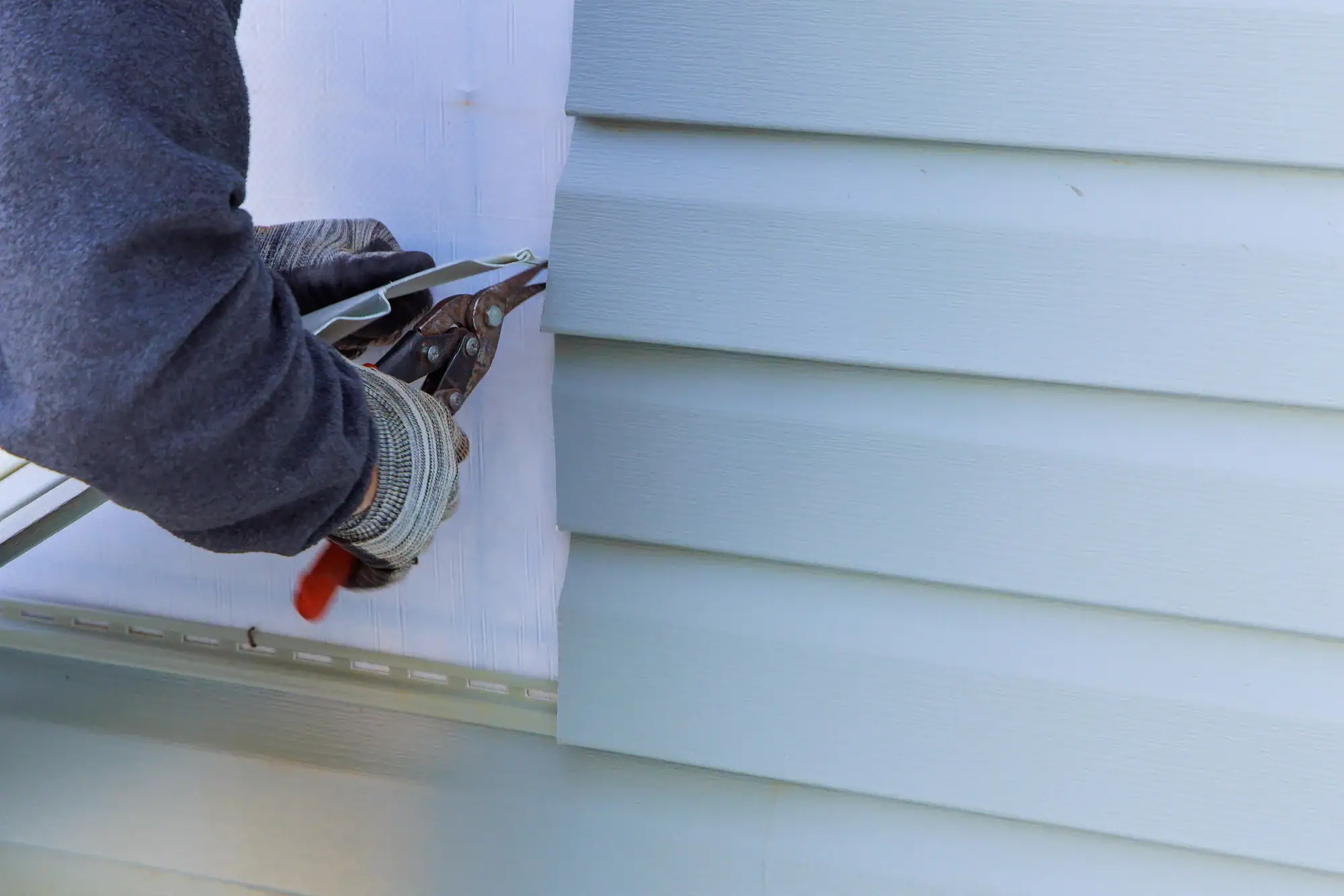
Once the scope is clear and you’ve approved a written estimate, the work begins with full removal of the existing siding. That step is important. Putting new siding over old siding skips the inspection of the underlying structure, which in a coastal environment like Rock Hall is how small problems become expensive ones. After removal, a moisture barrier goes on before any new material is installed. From there, panels are secured with the seams and fasteners needed to handle the wind loads and weather that come with sitting on the Chesapeake Bay.
Rock Hall is an incorporated municipality with its own zoning code, and exterior siding work here may require permits through both the Town of Rock Hall and Kent County. We handle all of that. You don’t have to figure out which office to call or whether you’ve missed a step. Most siding projects wrap up in two to five days, and the site is left clean when our crew leaves.
Ready to get started?
We install both vinyl and fiber cement siding, and the recommendation depends on your specific property — not on which product is easier to install. For homes in Rock Hall with direct Bay exposure, fiber cement is worth a serious look. It’s virtually immune to the moisture problems that destroy wood siding in a salt-air coastal environment, and it holds up against the humidity and storm exposure that come with living on the water. Vinyl is the most popular siding choice in the region for good reason — it doesn’t rot, doesn’t corrode, and resists the persistent moisture that defines Rock Hall’s climate. Both are solid options; the right one depends on your home’s architecture, how close you are to the water, and what you’re trying to spend.
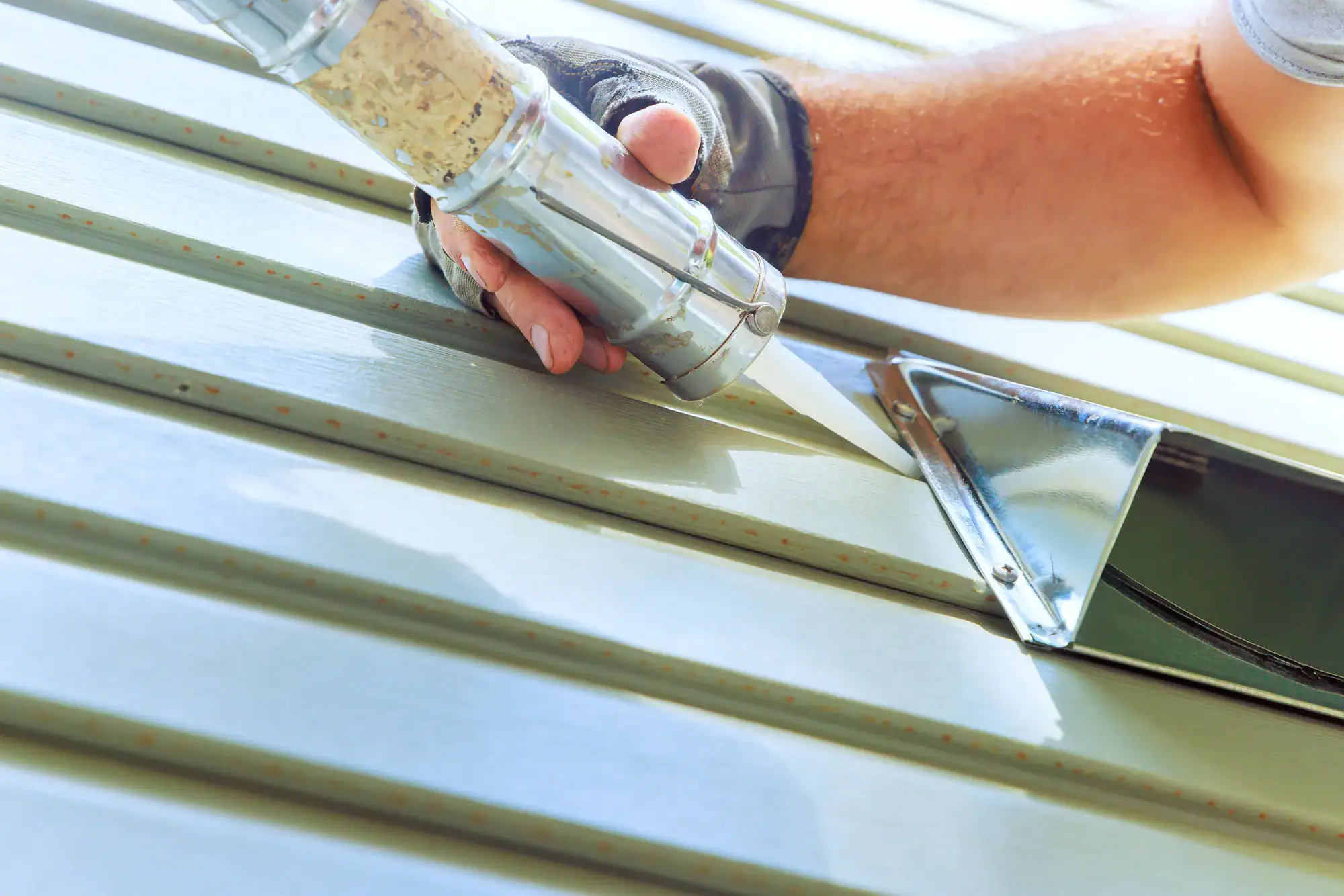
Every installation includes moisture barrier work, weatherproof seaming, and trim. If storm damage is part of the picture — which it often is after a nor’easter moves through the Bay corridor — we also assist with insurance claims. Bay-adjacent homeowners insurance policies in Maryland frequently carry separate wind and hail deductibles, and navigating that process without help can mean leaving money on the table. That assistance is part of what we bring to the table for Rock Hall homeowners.
Financing is available for qualifying projects, which matters when you’re looking at a full exterior replacement on a waterfront property. And because we also handle roofing and gutters, homeowners who need more than just siding can bundle the full exterior into one project, one schedule, and one crew — which is a real practical advantage when you’re coordinating access to a second home from out of town.

The two materials that consistently perform well in Rock Hall’s coastal environment are fiber cement and vinyl. Wood siding is a poor choice here — the salt particles carried in the Bay air are hygroscopic, meaning they actively draw moisture to whatever surface they land on. Over time, that constant moisture exposure causes wood to warp, rot, and develop mold, often faster than homeowners expect near the water.
Fiber cement is specifically recommended for Chesapeake Bay coastal homes because it resists moisture absorption and doesn’t react to salt air the way wood does. It holds paint well, handles the freeze-thaw cycles that come with Maryland winters, and stands up to the wind-driven rain that Bay storms produce. Vinyl is a strong alternative — it won’t rot, won’t corrode, and requires very little maintenance, which matters a lot for Rock Hall homeowners who aren’t on-site year-round. The right choice between the two comes down to your home’s architecture, your proximity to the water, and your budget. A free consultation with us will help you figure out which direction makes the most sense for your specific property.
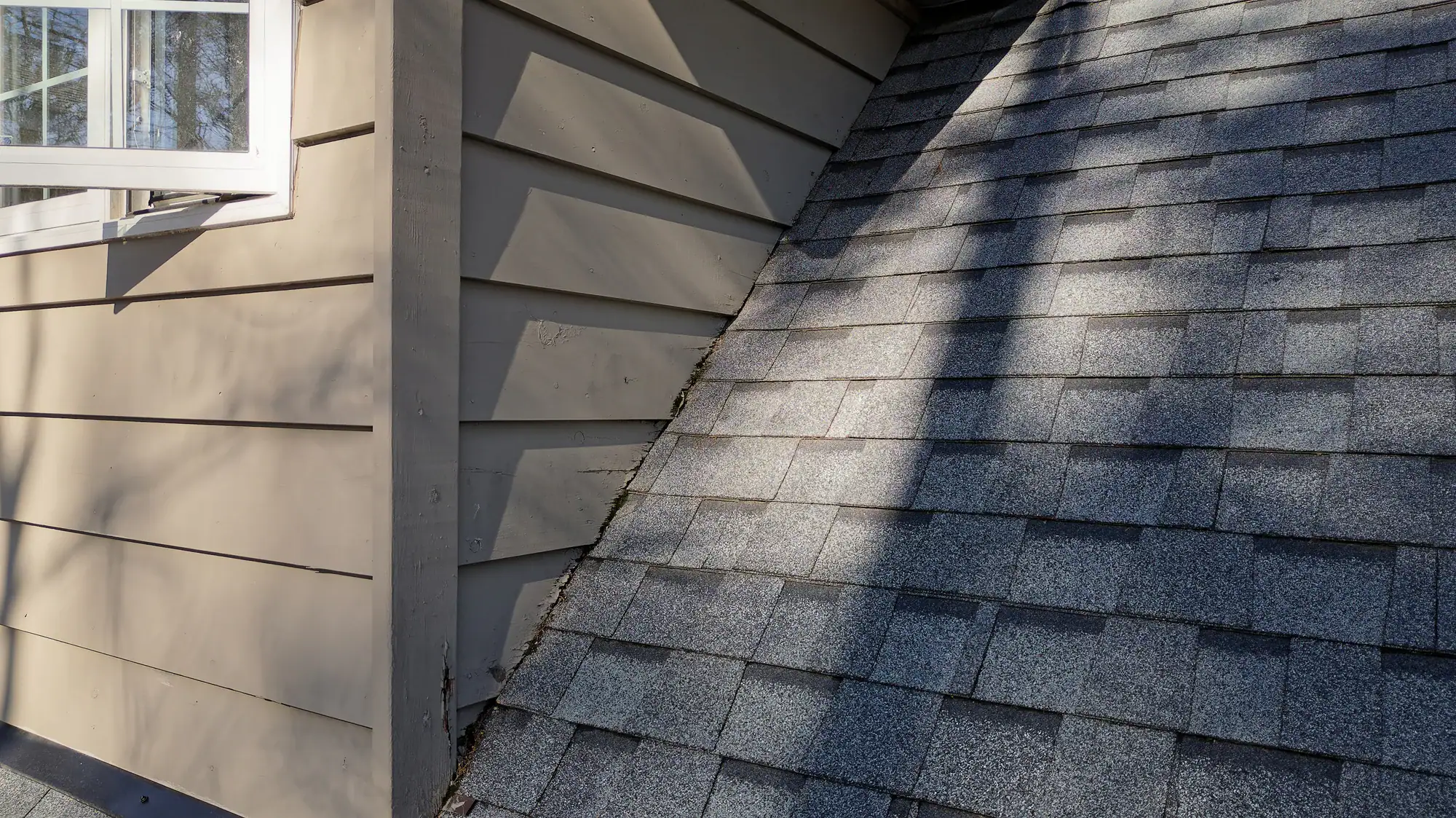
The visible signs of salt air damage on siding include peeling or bubbling paint, visible warping or buckling of panels, soft spots when you press on the surface, discoloration or staining that doesn’t wash off, and rust staining around fasteners or metal trim. If your home has wood siding, you may also notice areas that feel spongy or soft to the touch — that’s rot, and it usually means moisture has already reached the framing underneath.
The problem with salt air damage in Rock Hall is that the surface often looks worse than it is in some spots and better than it is in others. A crack or gap that looks minor from the outside can be a significant moisture entry point that’s been letting Bay humidity into the wall cavity for months or years. That’s why a thorough inspection before any work begins is so important for Rock Hall properties. We start every project with a detailed inspection so you know exactly what you’re dealing with — including what’s happening underneath the existing siding — before any commitment is made. For second-home owners who may have gone a full season without seeing the property up close, that inspection is often the most valuable part of the whole process.
It often does, but the details matter more for Rock Hall homeowners than for most. Properties adjacent to the Chesapeake Bay in Maryland frequently carry separate wind and hail deductibles in their homeowners insurance policies — sometimes one to five percent of the insured value of the home. On a property insured at $300,000, that could mean $3,000 to $15,000 out of pocket before your coverage kicks in. That’s a significant number that many homeowners don’t realize is in their policy until they file a claim.
Beyond the deductible structure, the documentation process matters. Insurance companies want to see the damage clearly documented, with evidence that connects it to a specific storm event. If you’re managing a Rock Hall property from out of town and weren’t present when the damage happened, that documentation can be harder to pull together. We assist with insurance claims for storm-damaged siding — helping homeowners understand what their policy covers, document the damage properly, and navigate the claims process so they’re not leaving money on the table. If a nor’easter or tropical system has come through the Bay corridor and you’re not sure what it did to your home’s exterior, a free inspection is the right first step.
Yes, and it’s more involved in Rock Hall than in many other areas. Rock Hall is an incorporated municipality with its own zoning code and permit requirements, which are separate from Kent County’s building permit process. Depending on the scope of your project, you may need to deal with both the Town of Rock Hall and Kent County — two separate permit authorities with different requirements and processes. Skipping permits on exterior siding work can create real problems at resale, particularly for properties that change hands frequently in Rock Hall’s active second-home market.
The good news is that you don’t have to figure any of this out yourself. We manage all permitting as part of every siding project. That means pulling the right permits from the right offices, making sure the work meets local building codes, and handling the paperwork so you don’t have to. For homeowners who live outside the area and can’t easily make trips to town hall in Chestertown or the Rock Hall Municipal Building on Main Street, having a contractor who handles this end-to-end is a genuine time saver — not just a convenience.
Most residential siding projects take two to five days from start to finish, depending on the size of the home, the material being installed, and whether any underlying damage is discovered during the removal phase. For Rock Hall homeowners managing a vacation or second home, the timeline is something worth thinking through before you schedule — the goal is usually to get the work done either before the season starts or after it ends, so it doesn’t cut into time you planned to be using the property.
Spring is a common window for Rock Hall homeowners who want to get ahead of the summer season, and it’s also when a lot of winter storm damage gets discovered for the first time. Fall is another good window after the peak boating and tourism season winds down. If you’re coordinating from out of town, the key is having a contractor who communicates proactively throughout the job — so you’re not wondering what’s happening at your property while you’re three hours away. We manage every project in-house with our own trained crew, which means consistent communication and no surprises about who is on-site or what’s been done. The free consultation is a good opportunity to talk through timing and what schedule works for your situation.
The first thing to verify is licensing. Maryland requires contractors performing home improvement work on owner-occupied residential property to hold a valid MHIC license — that’s the Maryland Home Improvement Commission license, and it’s a state-level requirement that’s separate from whatever the contractor holds in their home state. If a contractor can’t provide their MHIC license number, that’s a real problem, not a technicality. Ask for it upfront.
Beyond licensing, look for a contractor who is insured, has verifiable reviews with real detail in them, and can tell you specifically who will be doing the work at your property. For Rock Hall homeowners who aren’t always on-site, the no-subcontracting question matters a lot. A contractor who brings in day-labor crews to meet a deadline is a different situation than one whose own trained, insured team handles every job from start to finish. Also pay attention to how the estimate is presented — a vague, one-line quote is a red flag. A legitimate contractor gives you a written, itemized estimate that spells out materials, labor, and scope before any work begins. Rock Hall’s waterfront character and older housing stock in neighborhoods like Gratitude mean there’s a real chance of discovering something unexpected under the old siding, and you want a contractor who handles that transparently rather than springing surprise charges mid-project.
Other Services we provide in Rock Hall