
Hear from Our Customers
When siding fails in Riverview, it rarely fails all at once. It fades. Panels start to warp along the south-facing wall. Caulking at the trim pulls away and you don’t notice until there’s moisture behind the panels. By the time it’s obvious, it’s been a problem for a while.
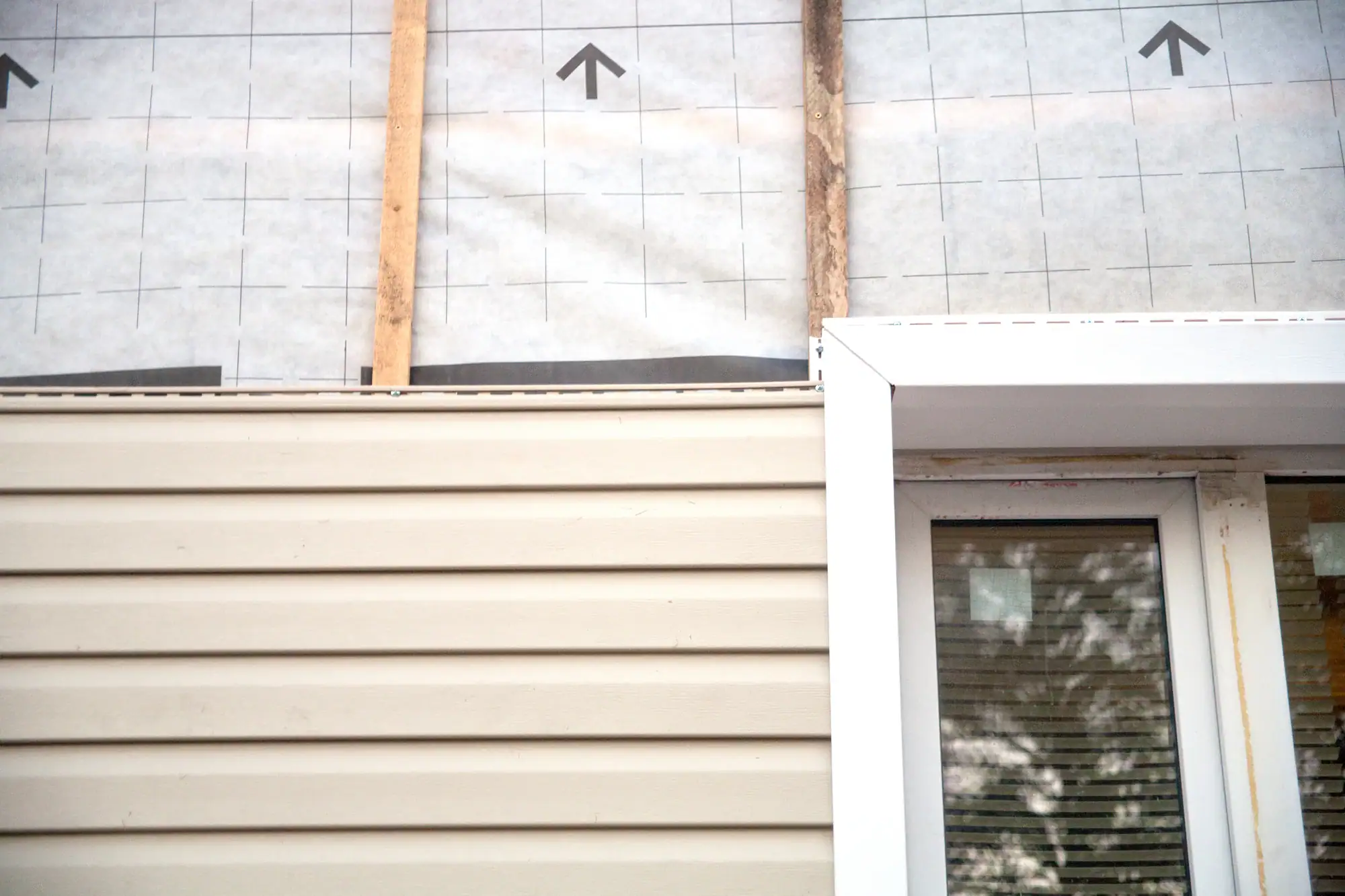
Getting new siding installed correctly — with a proper moisture barrier, weatherproof seams, and the right fastener pattern for Delaware’s wind loads — means that cycle stops. Your walls are sealed. The humidity that rolls in off the bay doesn’t find a way in. You’re not looking at the same faded, chalking exterior every time you pull into the driveway.
For Riverview homeowners specifically, there’s a financial angle worth naming. Median home values here rose 10% in a single year, and current listings are running from $375,000 into the $500s. The exterior condition of your home has a direct impact on what appraisers and buyers see. New fiber cement siding nationally recoups around 88% of project cost at resale. Vinyl comes in around 80%. That’s not a guarantee, but it’s a strong argument that this isn’t just maintenance — it’s an investment in what you’ve built.
We’re based in Smyrna — about 20 miles up the road from Riverview, well within the same Kent County territory we’ve been serving for over two decades. This isn’t a Wilmington company that added your ZIP code to a service area dropdown. We work in Riverview, we know the housing stock here, and we understand what the climate in this part of Delaware actually does to an exterior.
Our focus is Kent and Sussex County. That difference matters when something needs attention mid-project and you need a crew that’s 20 minutes away, not 45.
Every project we manage is handled in-house. No subcontractors. The crew that shows up to your Riverview home is our own team — licensed, insured, and accountable to the same ownership that’s been building our reputation in Kent County since before most of the current competition existed.
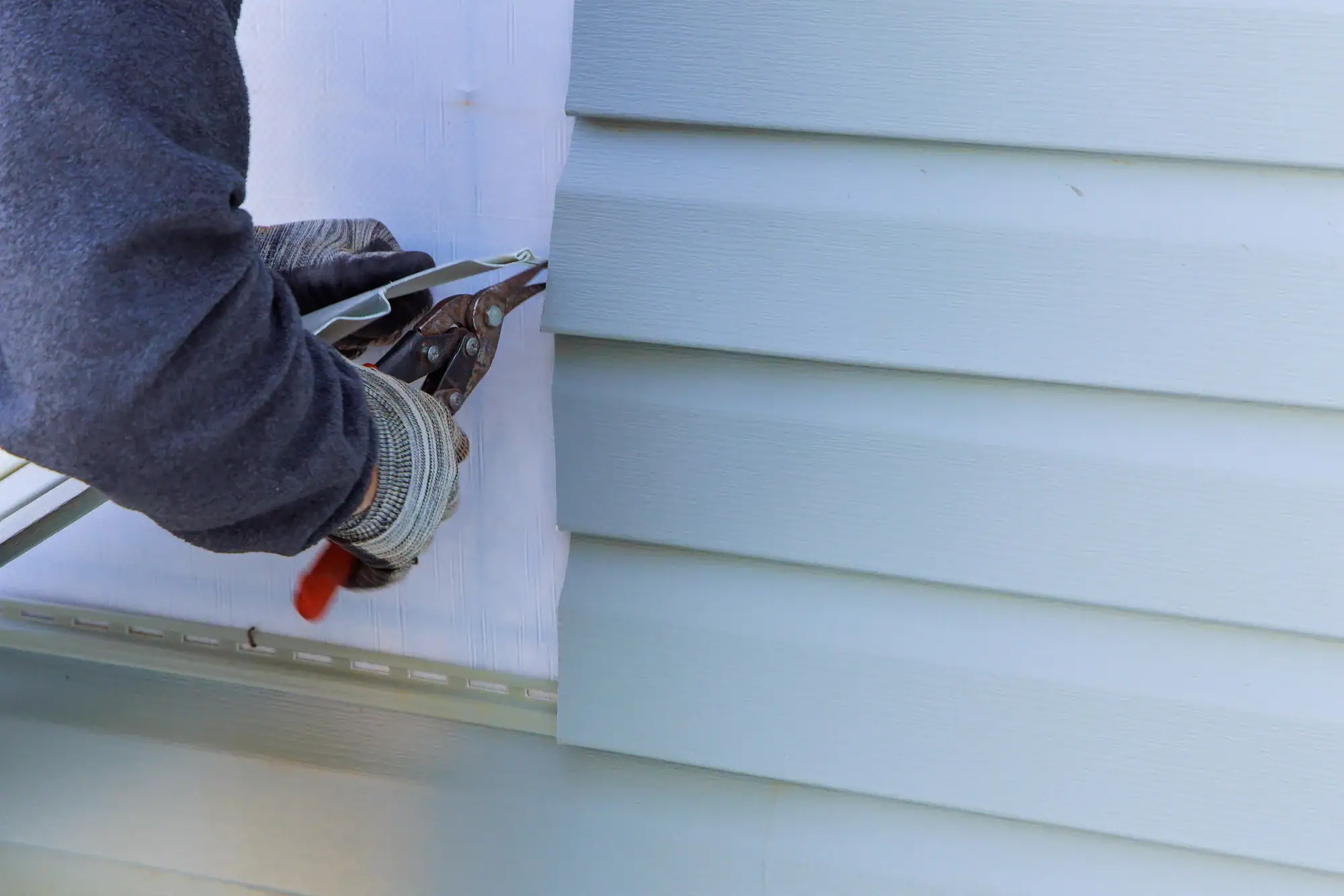
It starts with a detailed inspection before anything is quoted or scheduled. In Riverview’s climate — with the humidity that comes off the bay corridor and the freeze-thaw cycling that stresses fastener points every winter — what’s happening behind the siding matters as much as what’s visible on the surface. We walk through what we find, explain what it means, and give you a written scope before any commitment is made. If there’s rot or moisture damage in the substrate, you’ll know about it before the old siding comes off, not after.
Once the project is scoped, we handle all permitting through Kent County. Riverview is an unincorporated CDP, so building permit jurisdiction falls under the county — not a local town office. That process isn’t complicated, but it’s not something most homeowners want to navigate themselves. We take care of it entirely.
Installation typically runs two to five days depending on the size of your home and the material chosen. Vinyl and fiber cement both have their place in this climate, and we help you choose based on your home’s specific exposure, architecture, and budget — not on which product is easiest to install. When the job is done, the site is cleaned up completely. That’s not an extra — it’s part of the job.
Ready to get started?
Every siding project with us begins with a free consultation and a thorough inspection of your current exterior. In Riverview, where a significant portion of the housing stock dates to the late 1980s and 1990s, that inspection often turns up things the homeowner didn’t know were there — failed caulking at penetrations, moisture intrusion at window trim, or original thin-gauge vinyl that’s been absorbing UV damage for 30-plus years. You get a clear picture of what you’re working with before any money changes hands.
From there, the full scope includes removal of the existing siding, moisture barrier installation, new siding installation with weatherproof seams, trim work, and final sealing. Both vinyl and fiber cement are available. For homes in the Riverview corridor — positioned between the Delaware Bay lowlands near Frederica and US Route 13 toward Felton — moisture barrier quality and seam sealing aren’t optional details. They’re what separates a 10-year install from a 30-year one.
We also assist with insurance claims for storm-damaged siding. Kent County sees its share of nor’easters tracking up the Delmarva Peninsula, and siding damage from those events is often covered under homeowners insurance. Most siding contractors in the area don’t help with that process. We do. Financing is also available for homeowners who’d rather protect the home now and spread the cost over time.

The honest answer is that the signs are usually there before most homeowners act on them. Fading and chalking are cosmetic, but they signal UV degradation that affects the material’s structural performance. Warped or buckled panels mean the siding has absorbed moisture and expanded beyond what it was designed to handle. Gaps at seams, failed caulking around windows or trim, and any visible mold or mildew growth on the surface are all indicators that water is getting somewhere it shouldn’t.
In Riverview specifically, the bay-corridor humidity accelerates all of these problems. Homes built in the late 1980s and 1990s — which make up a significant portion of the housing stock here — used thinner-gauge vinyl that degrades faster than modern products. If your siding is original and 25 years or older, it’s worth having someone take a close look even if it still looks passable from the street. What’s happening at the seams and behind the panels is often more telling than the surface appearance.
Both are solid choices for Delaware’s climate, but they perform differently and suit different situations. Vinyl is the more affordable option, easier to install, and completely moisture-resistant — it won’t rot, it won’t absorb water, and it handles humidity well. Modern vinyl is also significantly more durable than the products installed in the 1980s and 1990s. A quality vinyl install in Riverview should last 20 to 40 years with minimal maintenance.
Fiber cement — most commonly James Hardie — is denser, harder, and more resistant to impact damage from hail or wind-driven debris. It holds paint longer and is considered virtually immune to moisture problems, which matters in a bay-adjacent climate like Riverview’s. The tradeoff is cost and installation complexity. Fiber cement is heavier, requires more labor, and typically runs higher than vinyl. It also recoups a higher percentage of project cost at resale — around 88% nationally versus roughly 80% for vinyl. If you’re planning to stay in the home long-term and want the most durable option, fiber cement is worth the conversation. If budget is the priority, quality vinyl installed correctly is a strong performer in this climate.
It often does, and it’s one of the most underused benefits homeowners in this area have. Standard homeowners insurance policies typically cover siding damage caused by wind, hail, and storm-driven debris — all of which are recurring events in Kent County. Nor’easters that track up the Delmarva Peninsula can drive rain horizontally across the peninsula and put real stress on siding fasteners, seams, and caulking. If a storm caused visible damage — cracked panels, torn sections, impact marks from debris — that’s generally a covered claim.
The challenge is that many homeowners either don’t realize the damage is claimable or don’t know how to document and file it effectively. We assist with the insurance claims process for storm-damaged siding. That means helping you document the damage, understand what your policy covers, and work through the claims process so you’re not leaving money on the table. Most siding contractors in the area don’t offer this. It’s a real differentiator, especially in a region that sees storm activity every year.
Yes, in most cases. Riverview is an unincorporated census-designated place, which means there’s no local town government — building permit jurisdiction falls under Kent County. For exterior siding work that involves removing existing siding and installing new material, a building permit is typically required. The permitting process also requires that the contractor performing the work be registered under Delaware’s Contractor Registration Act, which is administered by the Delaware Department of Labor. This is a state-level requirement that applies before any work begins.
The good news is that this isn’t something you have to figure out yourself. We handle all permitting as a standard part of every siding project. We manage the county process, ensure the work meets applicable building codes, and take that paperwork off your plate entirely. If you’re getting quotes from other contractors and they’re not mentioning permits at all, that’s worth asking about directly — skipping permits on exterior work can create complications at resale and may void manufacturer warranties on the materials.
For most residential homes in the Riverview area, a full siding replacement runs two to five days from start to finish. The range depends on the size of your home, the material being installed, and what’s found once the old siding is removed. If the inspection before the project starts turns up moisture damage or rot in the substrate — which does happen in homes that have had failing siding for a while, particularly given Riverview’s humidity exposure — that adds time and scope. But because we do a thorough inspection before the project begins, you’ll know upfront what you’re dealing with rather than getting a surprise mid-project.
Spring and early summer are the busiest season for exterior work in Kent County, so if you’re planning a project, getting on the schedule earlier rather than later gives you more flexibility on timing. Post-storm periods — especially after nor’easters in the fall and winter — also tend to drive a surge in requests. If your siding took damage in a storm, getting an inspection scheduled promptly is worth doing, both to assess the damage accurately and to make sure you’re not waiting months for availability.
Start with the basics: verify that the contractor is registered under Delaware’s Contractor Registration Act and carries current liability insurance. These aren’t optional — they’re legal requirements for anyone doing exterior work in Delaware. A contractor who can’t confirm registration and insurance coverage upfront is a contractor worth passing on. The Delaware Department of Labor’s Office of Contractor Registration is publicly searchable if you want to verify independently.
Beyond the legal requirements, look at review volume and consistency. A 5-star average from five reviews doesn’t tell you much. A 5-star average from 60-plus verified reviews, with consistent comments about communication, on-time completion, and clean job sites — that tells you something real. Ask specifically whether the company uses its own crew or subcontracts the work out. In Riverview, where word travels fast among neighbors, a contractor who sends an unfamiliar subcontract crew to your home is a different proposition than one who shows up with their own trained, insured team. We do not outsource. Every project is handled by our own crew, from the first inspection through final cleanup — and we’ve been building that reputation in Kent County for over 22 years.
Other Services we provide in Riverview