
Hear from Our Customers
Most homes in Pearson Grove and the Clayton area were built during Delaware’s suburban expansion of the 1990s. Builder-grade vinyl siding from that era was designed to last 20 to 30 years. That window has closed for a lot of homes out here — and the damage isn’t always obvious until something forces the issue, like a nor’easter peeling panels back or a home inspection flagging moisture behind the wall.
When your siding is doing its job, you stop thinking about it. No mold creeping up the north-facing wall. No warped panels catching your eye every time you pull into the driveway. No water finding its way behind a seam and sitting against the sheathing through a Kent County winter.
Pearson Grove’s rural character means many homes sit under mature tree canopy — which is beautiful, but it keeps siding surfaces shaded and damp long after rain stops. That’s exactly the kind of environment where aging vinyl fails quietly. The right siding material, properly installed with a moisture barrier and weatherproof seams, changes that equation. You get a home that handles what Delaware throws at it — humidity, freeze-thaw cycling, summer storms — without needing your attention every season.
We’re based in Smyrna — just a few miles from Pearson Grove, right in the heart of northern Kent County. This isn’t a regional chain claiming local presence from a satellite office. We’re a locally owned, owner-operated business that has been working on homes throughout this corridor for over 22 years.
We’re BBB accredited with an A+ rating, fully licensed and insured, and carry a 5.0 out of 5 rating from more than 63 verified reviews on Google and Facebook. Reviews consistently mention the same things: clear communication, crews that show up when we say we will, and job sites left clean at the end of every day.
Every project is handled entirely in-house. No subcontracting, no day-labor crews showing up unannounced. When you call us, the team that gives you your estimate is the same team that does the work. For homeowners in unincorporated communities like Pearson Grove, where word travels and your home is your most visible investment, that kind of accountability matters.
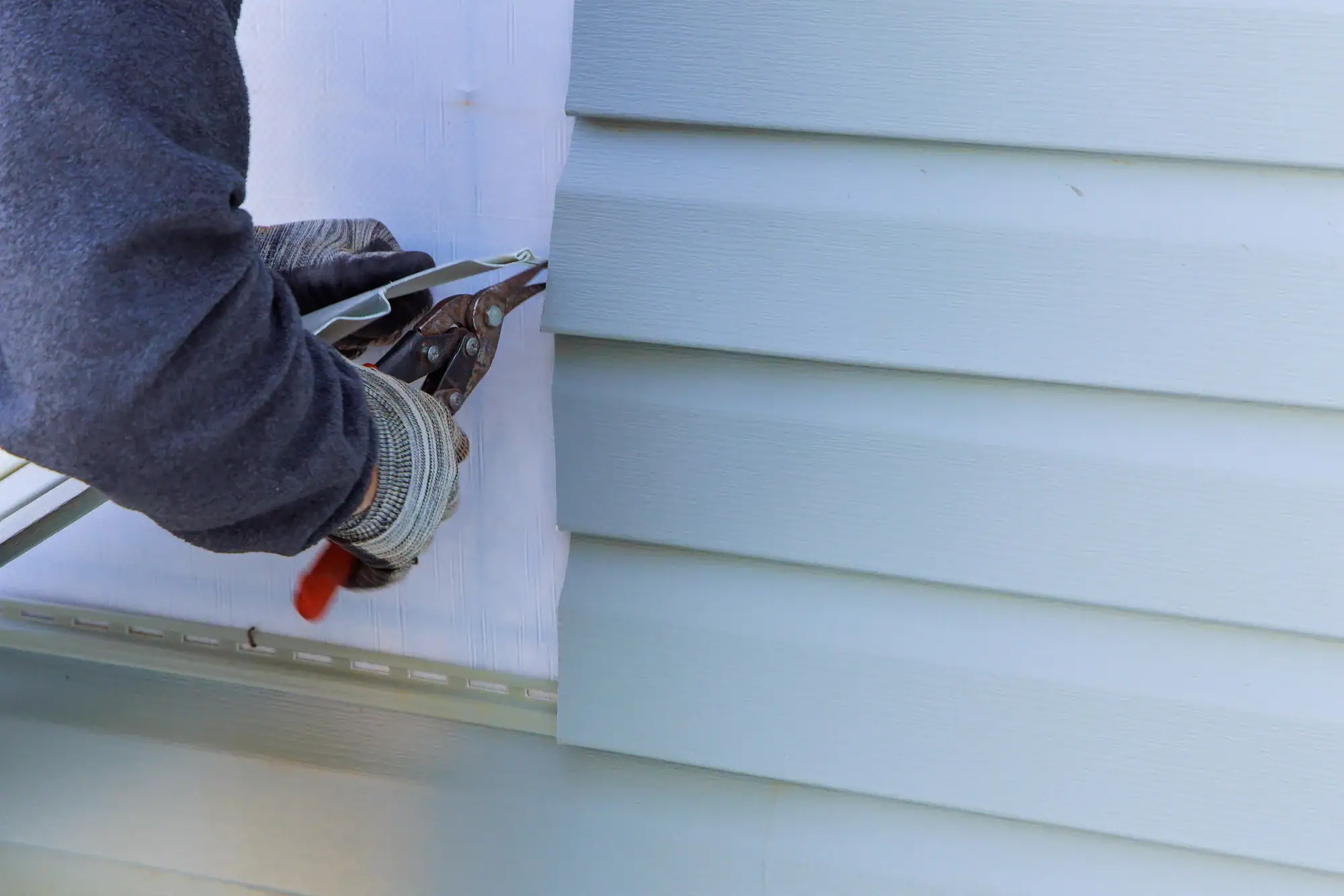
It starts with a free consultation and a detailed inspection of your current siding. Before anything is quoted or scheduled, we take a close look at what you’re working with — the condition of the existing panels, what’s underneath, how your home sits relative to sun and shade exposure, and whether there are any signs of moisture intrusion behind the surface. For homes in Pearson Grove surrounded by tree canopy, that inspection matters more than most homeowners expect.
From there, you get a written, itemized estimate that spells out exactly what’s included — materials, labor, removal of the old siding, moisture barrier installation, trim work, and sealing. No vague line items, no scope that shifts after the job starts. Because Pearson Grove is unincorporated, your project falls under Kent County’s building permit jurisdiction rather than a town permit office. We handle all of that permitting as a standard part of the process. You don’t navigate county forms or wonder whether you’re in compliance — that’s handled before the first panel comes off.
Most siding installations take two to five days from start to finish. We manage the job site throughout, and cleanup is completed before we leave. If the inspection turns up damage underneath the old siding — rot, moisture, anything structural — you hear about it before it affects the scope, not after.
Ready to get started?
We install both vinyl and fiber cement siding, and the recommendation you get is based on your home’s specific conditions — not on which product is easier to install. For homes in Pearson Grove with significant tree cover and the moisture challenges that come with it, that distinction is real. Vinyl is the most popular choice in Delaware for good reason: it’s moisture-resistant, doesn’t rot, and handles wind and rain well when it’s installed correctly. Fiber cement — particularly for homes that have dealt with persistent organic growth or need a longer service life — offers up to 50 years of performance and is essentially immune to the moisture problems that aging vinyl develops.
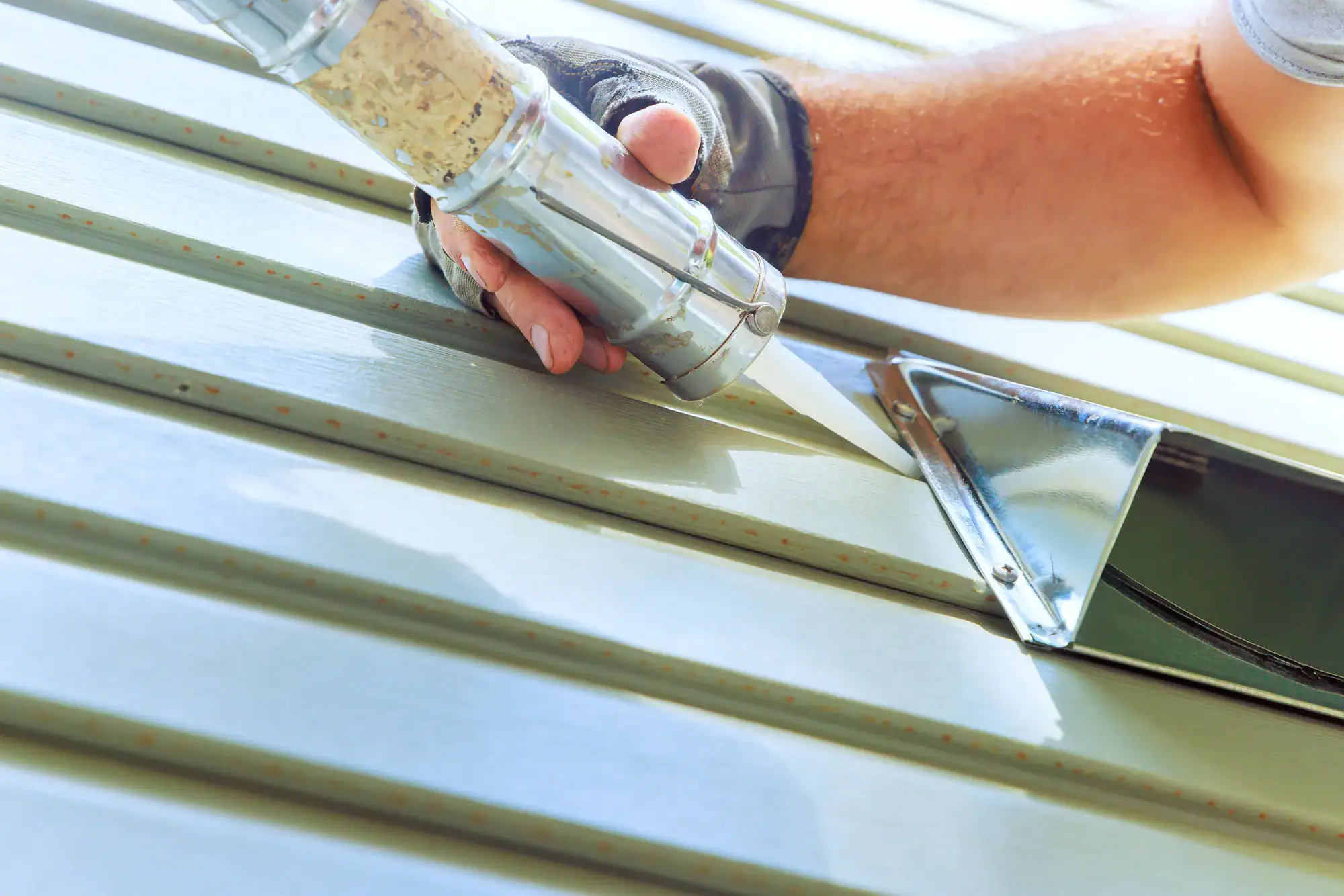
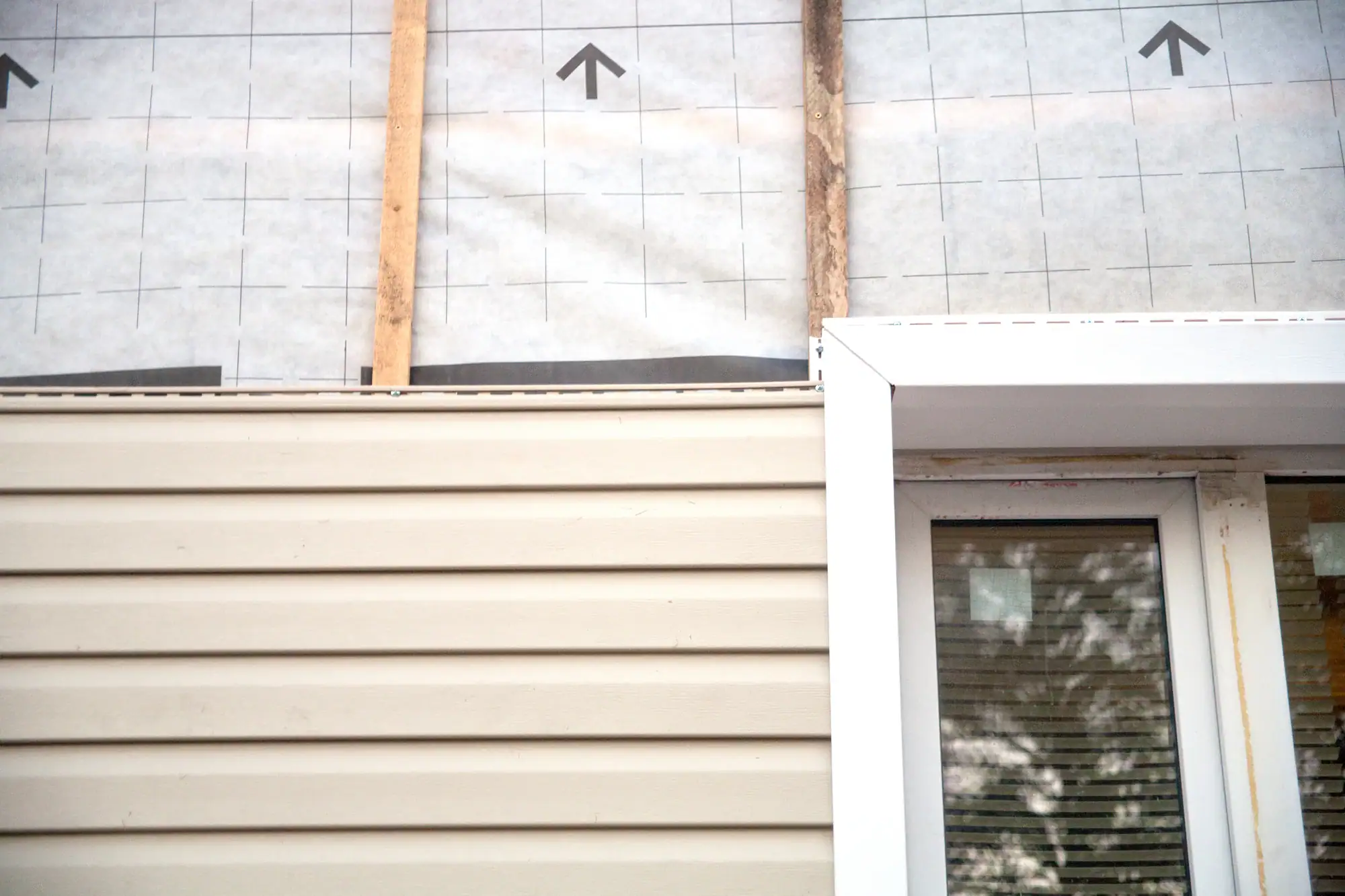
Every installation includes full removal of the old siding, a detailed inspection of the underlying structure, moisture barrier installation, and weatherproof sealing at every seam and trim line. If storm damage is part of the picture — which it is for a number of Kent County homeowners after a hard nor’easter — we also assist with the insurance claims process. That’s not a service most siding contractors offer, and it can make a meaningful difference in what the project ultimately costs you out of pocket.
Financing is available for homeowners who’d rather protect their home now and manage the cost over time. Free consultations are included on every job, with no pressure and no obligation attached.

Because Pearson Grove is an unincorporated community, it doesn’t have its own town permit office — your project falls under Kent County’s building permit jurisdiction. That’s a less familiar process for most homeowners who’ve only ever dealt with a municipal office, and it’s one of the reasons permit questions come up so often in this area.
The short answer is yes — exterior siding work in unincorporated Kent County typically requires a building permit, and starting without one can create real complications down the road, particularly at resale. The good news is that we handle all permitting as a standard part of every siding project. You don’t fill out forms, you don’t call the county, and you don’t have to figure out which requirements apply to your specific parcel. That’s managed for you before a single panel comes off the house.
This is one of the most common questions homeowners ask, and the honest answer is that it depends on what’s driving the visible issues. Mold, mildew, and algae growth that keeps coming back after cleaning is usually a sign that the siding’s surface coating has degraded past the point where cleaning solves anything. At that stage, you’re treating the symptom, not the problem.
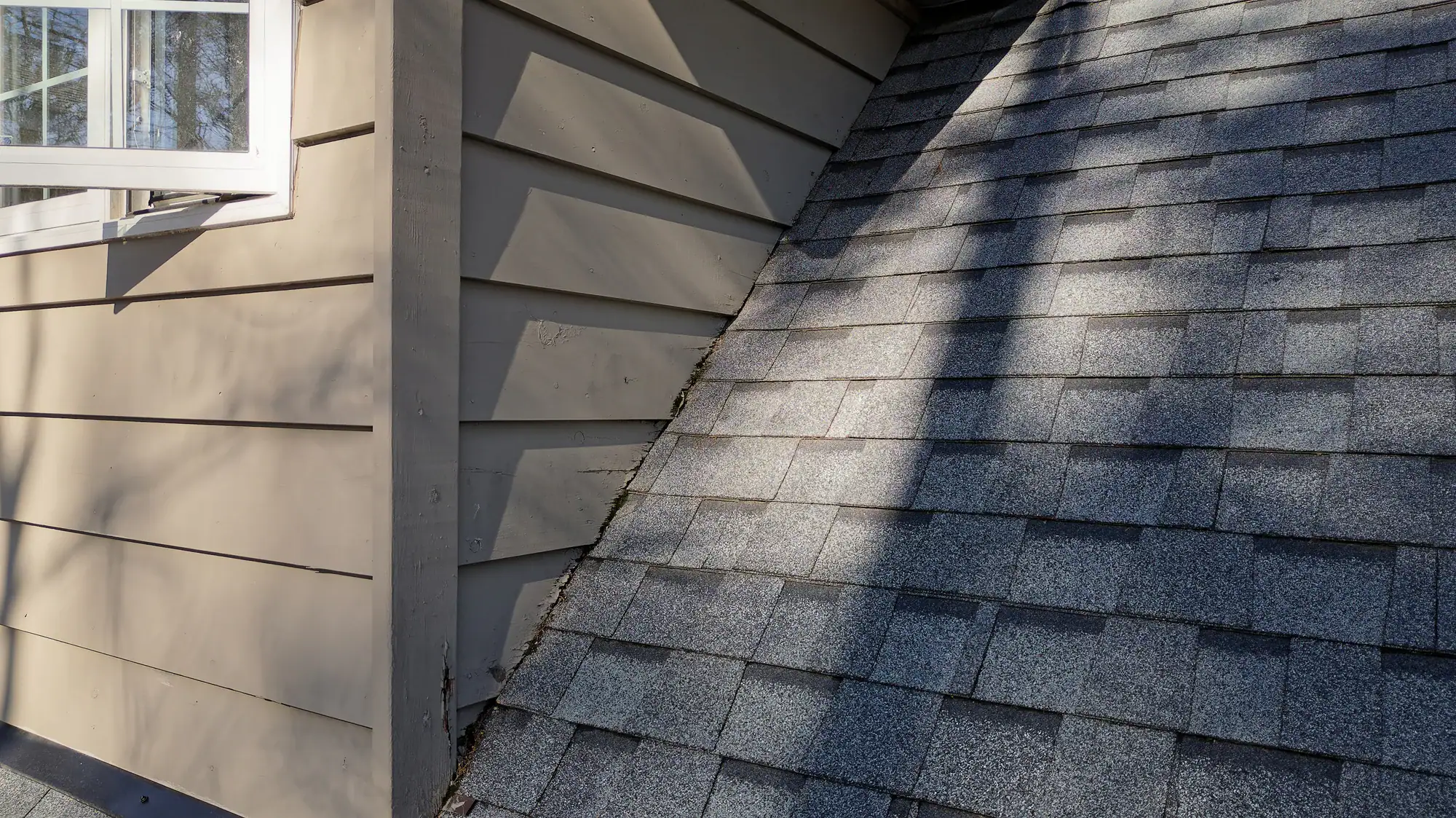
Other signs that replacement is the right call include panels that have cracked at the ends — common in Delaware after years of freeze-thaw cycling — warping that becomes more noticeable in summer heat, fading that no longer matches across panels, and any soft spots or bubbling that suggest moisture has gotten behind the surface. For homes in Pearson Grove that sit under mature tree canopy, north-facing walls especially tend to show these signs earlier than the rest of the house. A free inspection from us will give you a straight answer on where your siding actually stands, without any pressure to move forward if it’s not necessary.
Both materials work well in Delaware’s climate, but they perform differently depending on your home’s specific conditions. Vinyl is the most widely used siding material in the state for good reason — it’s moisture-resistant, low-maintenance, and handles the humidity and seasonal storms that northern Kent County sees without rotting or warping. A quality vinyl installation with proper backing and sealing will typically last 20 to 40 years.
Fiber cement goes further. It’s rated for up to 50 years, holds paint better over time, and is essentially impervious to the moisture problems that eventually catch up with older vinyl. For Pearson Grove homes surrounded by trees — where shaded, damp conditions accelerate surface degradation — fiber cement is worth the conversation. It costs more upfront, but the 2024 Cost vs. Value Report puts fiber cement siding at an 88% cost recoupment rate at resale, compared to approximately 80% for vinyl. The right choice comes down to your home’s architecture, how long you plan to stay, and what your current siding situation looks like underneath.
Possibly, and it’s worth finding out before you assume it’s an out-of-pocket expense. Homeowners insurance often covers siding damage caused by wind, hail, or storm impact — which are real and recurring events in northern Kent County. Nor’easters that track up the Delmarva Peninsula can crack panels, separate seams, and drive water behind siding on homes that were otherwise in decent shape.
The challenge is that navigating an insurance claim on your own can be frustrating, and insurers don’t always make it easy to understand what’s covered. We assist with the insurance claims process for storm-damaged siding — which means helping you document the damage, understand what your policy covers, and work through the process so you’re not leaving money on the table. This is something most siding contractors in Delaware don’t offer. If there’s any chance a storm contributed to your siding’s current condition, it’s worth having that conversation before you write a check for the full project cost.
Most residential siding installations take two to five days, depending on the size of the home and the material being installed. That timeline covers everything: removing the old siding, inspecting the underlying structure, installing the moisture barrier, putting up the new panels, and completing all trim work and sealing.
The two-to-five-day range holds for the majority of homes in the Pearson Grove and Clayton area, which are primarily single-family residential properties of standard size. Where timelines can extend is when the inspection turns up damage underneath the old siding — rot, moisture intrusion, or structural issues that need to be addressed before new siding goes on. This isn’t uncommon in 1990s-era homes that have been through 30 years of Delaware weather, and it’s one of the reasons a thorough inspection at the start of the project matters. If anything like that is found, you’ll know about it and have a clear picture of what it means for the scope and timeline before work continues.
The most reliable starting point is verified reviews with enough volume to be meaningful — not a handful of testimonials on a contractor’s own website, but consistent ratings across Google and Facebook from real customers who describe what the experience was actually like. Look for contractors who have been operating in your specific area for a significant amount of time, because longevity in a small community like northern Kent County means they’ve built a reputation worth protecting.
Beyond reviews, confirm that the contractor is registered with the Delaware Department of Labor’s Office of Contractor Registration and carries both liability insurance and workers’ compensation coverage. These aren’t optional — they’re legal requirements for any contractor working in Delaware, and skipping them puts you at real financial risk if something goes wrong on your property. Ask directly whether the work will be done by their own crew or subcontracted out, and ask to see a written, itemized estimate before any commitment is made. A contractor who hesitates on any of those questions is one worth walking away from. We check every one of those boxes and have been serving Smyrna and northern Kent County for over 22 years.
Other Services we provide in Pearson Grove