
Hear from Our Customers
When siding fails in Millington, it rarely announces itself with a dramatic crack or a sudden leak. It happens slowly — mold creeping up a north-facing wall, a panel lifting just enough to let moisture behind it, paint bubbling on trim that hasn’t been properly sealed in years. By the time most homeowners notice, the damage underneath is already ahead of the visible problem.
That’s the reality of living at the head of the Chester River. The Millington Wildlife Management Area sits just east of town — 4,000 acres of wetlands, hardwood forest, and meadow that keep ambient humidity elevated year-round. Your siding isn’t just dealing with Maryland’s general climate; it’s dealing with a persistent moisture environment that most contractors from outside the area have never actually worked in.
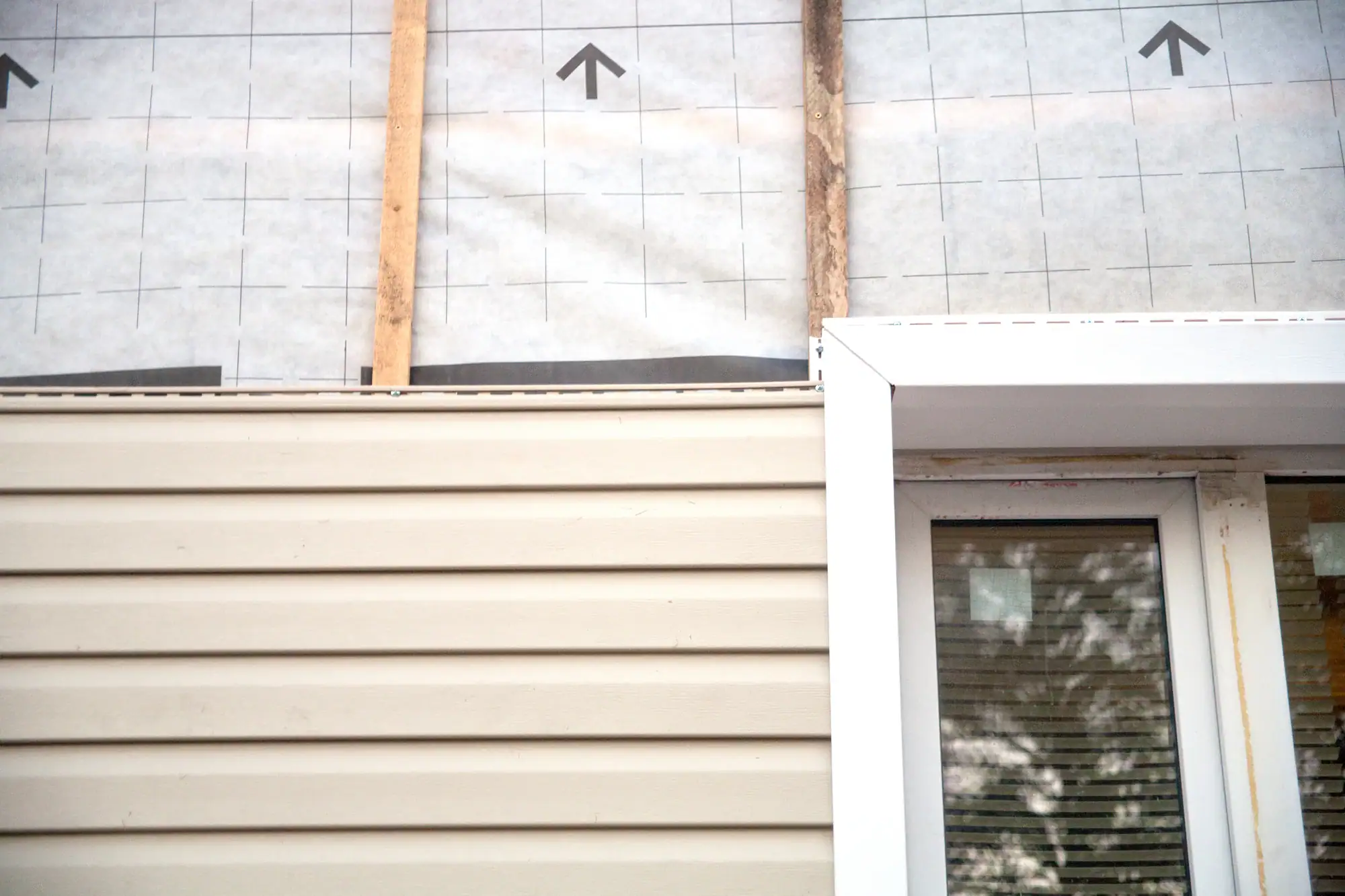
After a proper siding installation by our team, that changes. Moisture barriers go in correctly, seams are weatherproofed, and the material you choose — whether vinyl or fiber cement — is matched to what your specific home actually faces. You stop watching your walls and start forgetting about them, which is exactly what good siding should let you do.
We’re based out of Smyrna, DE — about 18 miles from Millington via MD 291 east toward the Delaware line. That’s not a long drive, and it’s one we’ve made many times. A Millington-area homeowner on Angi specifically named Richard McCain by name, noting he came out the same day they reached out and showed up on time for the job. In a town of under 600 people, that kind of reputation matters.
We’re owned and operated by Melissa and Richard McCain, and have been for over 22 years. We’re not a regional brand managing crews from a call center — we’re a family-owned operation with a real address, real reviews, and real accountability to the communities we serve.
Millington’s housing stock tells a different story than the newer subdivisions closer to Dover or Smyrna. Many homes here were built during the railroad era, re-sided decades ago, and are now carrying aging aluminum or early vinyl that’s well past its service life. That’s exactly the kind of project we’re built for. We understand what lies beneath those old panels, and we know how to address it properly.
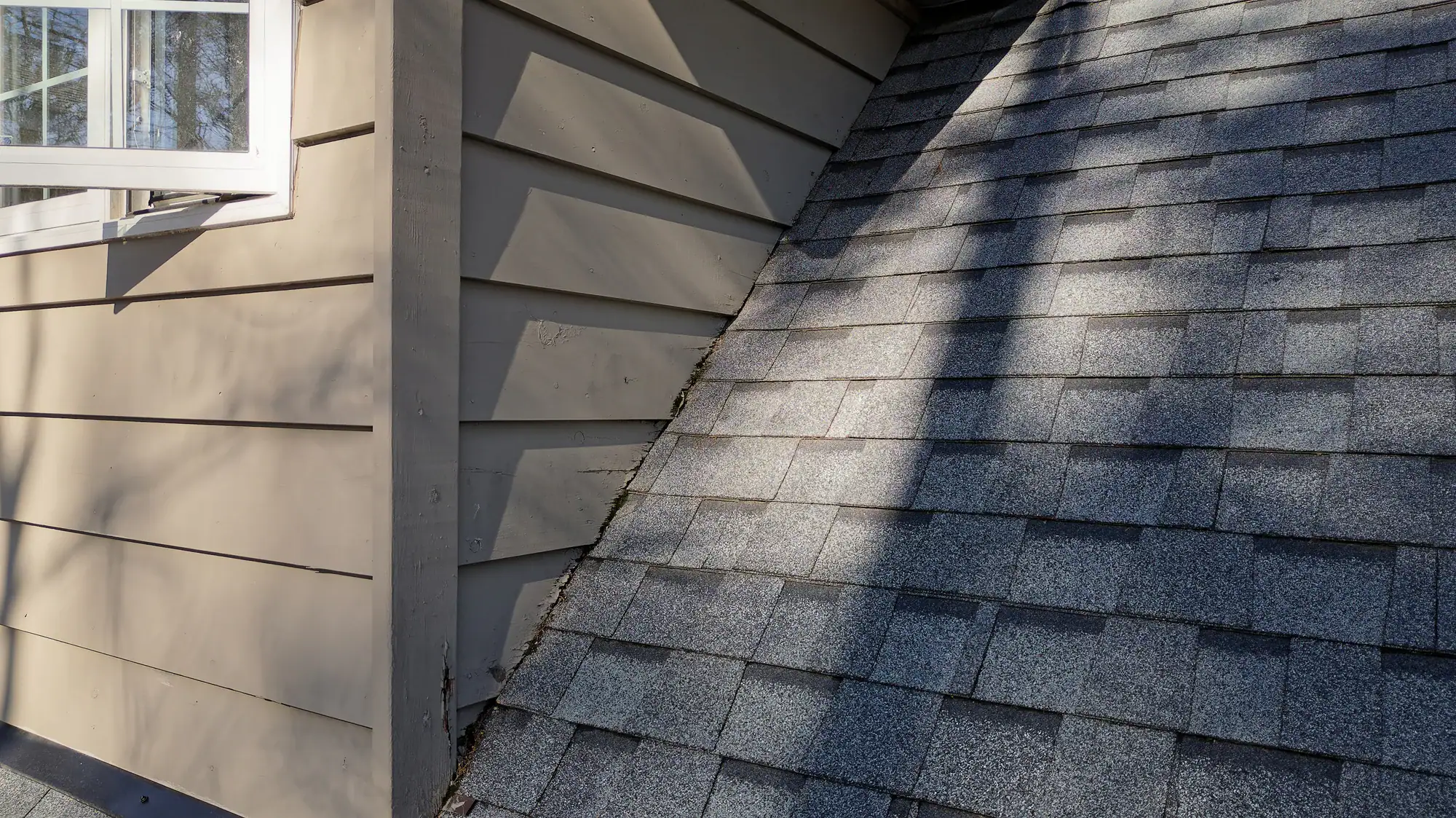
It starts with a free consultation and a thorough inspection of your current siding. Not a quick walk-around — an actual look at what’s happening at the seams, behind the panels where moisture tends to collect, and along the foundation line where older Eastern Shore homes tend to show wear first. If there’s rot or damage underneath the existing cladding, you’ll know about it before any work begins, not after the old panels come off.
From there, you get a written, itemized estimate. No vague ranges, no verbal commitments — a clear scope of what’s being done, what materials are being used, and what the full project involves. We handle all permitting. Millington is an incorporated town with its own municipal oversight, and siding work here typically involves coordination with Kent County’s building permit system — or Queen Anne’s County, depending on which side of the county line your property sits. That’s not your headache to sort out.
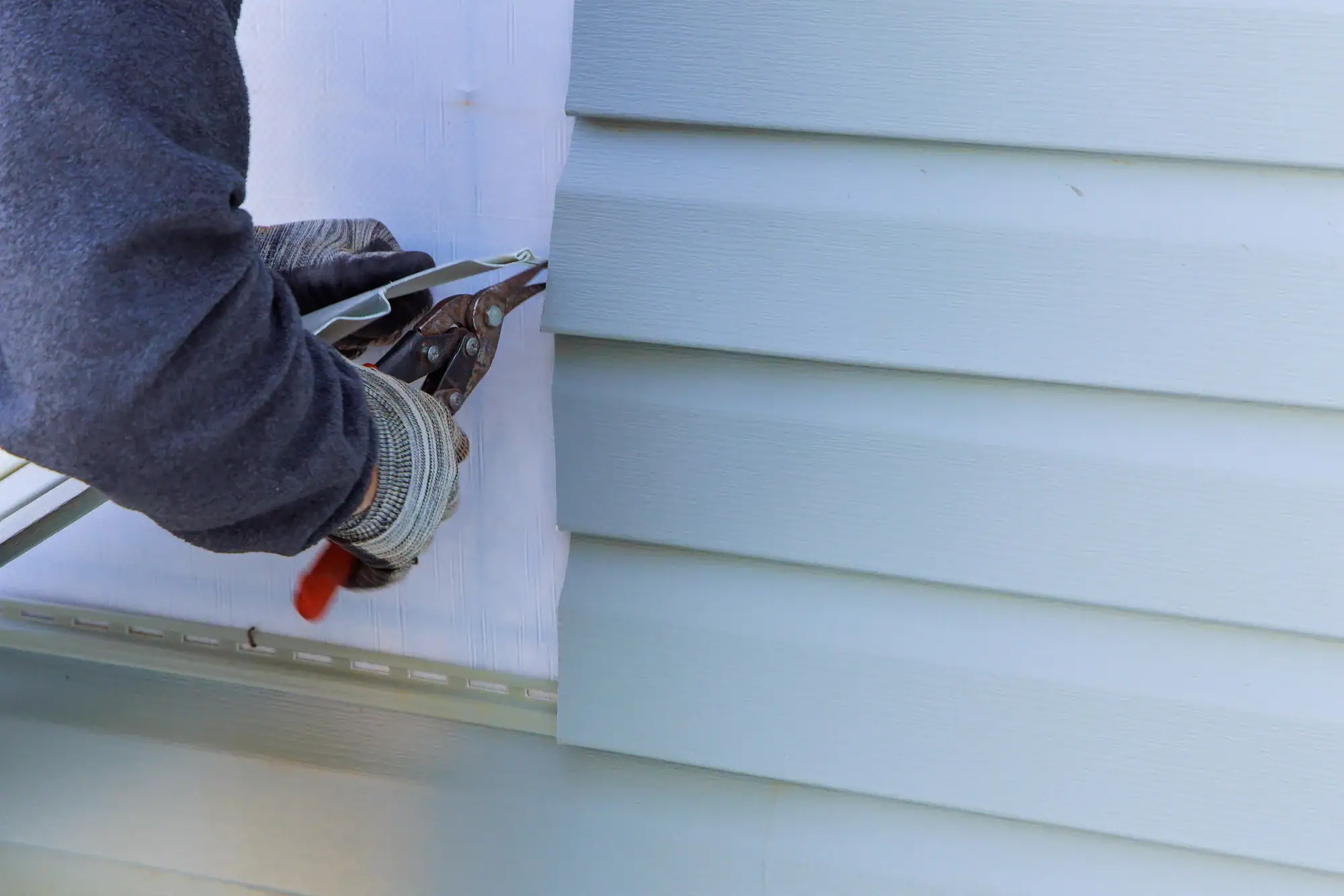
Once work begins, the crew on your property is our own trained, insured team — no subcontractors. Most siding installations take two to five days. When we leave, the job site is clean, the work is done right, and you’re not chasing anyone down for a callback.
Ready to get started?
Every siding project we complete includes full removal of the existing material. That matters in Millington more than it might in a newer neighborhood, because homes here often have layers — old aluminum over original wood, or early vinyl over wall systems that were never built with a proper moisture barrier. Pulling everything off is the only way to see what you’re actually working with, and it’s the only way to install a moisture barrier that does its job in a high-humidity environment like the Chester River corridor.
We offer both vinyl and fiber cement siding. Vinyl is the more common choice — moisture-resistant, low-maintenance, and built to handle the freeze-thaw cycling that Maryland’s Eastern Shore sees through winter. Fiber cement is worth considering for older homes where matching a more traditional profile matters, or where you want a longer service life. It can replicate the look of wood siding that many of Millington’s historic-era homes originally carried, without the maintenance burden.
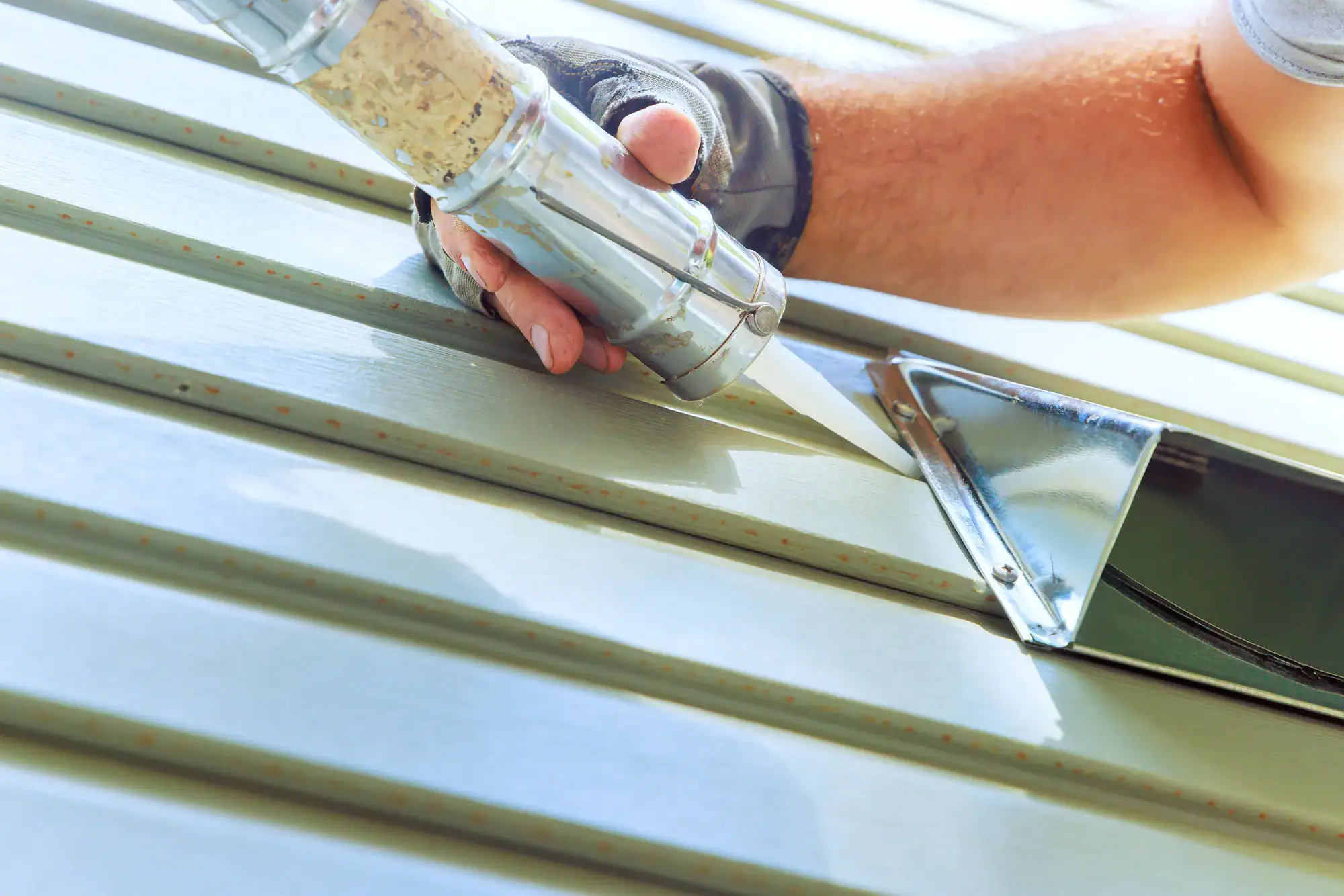
Trim work, weatherproof seaming, and sealing are all part of the installation — not add-ons. Financing is available if the project scope makes upfront payment difficult. Because we also handle roofing and gutters, homeowners who need multiple exterior upgrades can address everything with one contractor, one schedule, and one point of contact.

Yes, and this is worth paying attention to. Maryland requires all residential home improvement contractors to hold a valid license through the Maryland Home Improvement Commission — commonly called an MHIC license — before performing any work on a residential property. This is a state-level requirement, not just a county formality.
Millington sits right on the Maryland side of the upper Eastern Shore, and because it’s close to the Delaware border, you’ll encounter contractors who operate across both states. Holding Delaware contractor registration does not satisfy Maryland’s MHIC requirement. Before signing any contract for siding work in Millington, ask to see the contractor’s MHIC license number and verify it’s current. It’s a simple check that protects you from a real and documented risk in this market.
Both vinyl and fiber cement perform well in Millington’s conditions, but for different reasons. Vinyl is the more popular choice across Maryland’s Eastern Shore because it doesn’t absorb moisture, won’t rot, and requires minimal maintenance — which matters when your home is sitting in the humidity corridor created by the Chester River and the adjacent wetlands of the Millington Wildlife Management Area.
Fiber cement is the stronger long-term option if you’re dealing with an older home or want a material that more closely resembles wood. It’s virtually immune to moisture problems, holds paint longer than wood, and can last up to 50 years with proper installation. For Millington’s historic-era housing stock — some of it dating back to the railroad era of the 1870s — fiber cement is often the better fit aesthetically and structurally. The right choice depends on your home’s age, wall condition, and how much maintenance you’re willing to take on over time.
The honest answer is that you usually need someone to look underneath before you can know for certain. Visible signs like cracking, fading, warping, or panels pulling away from the wall are worth taking seriously — but they’re often symptoms of a bigger moisture problem that’s been developing behind the surface for years.
In Millington specifically, where older homes were frequently re-sided with aluminum or early vinyl in the 1970s and 1980s, the material you’re looking at may be 40 or 50 years old. At that age, the underlying moisture barrier — if one was ever installed — has likely degraded. A surface-level repair can stop the visible problem without addressing what’s happening behind the wall. Our free inspection looks at the full picture: the condition of the existing siding, the moisture barrier, and the wall structure underneath. That’s the only way to give you an honest recommendation.
In most cases, yes. Millington is an incorporated town with its own municipal oversight, and exterior siding work that involves removing old material and installing new cladding typically requires a building permit. Depending on where your property falls relative to the county line — Millington straddles both Kent and Queen Anne’s counties — your permit may need to go through Kent County’s building department or Queen Anne’s County’s system.
Kent County enforces the International Residential Code and International Building Code as adopted by Maryland, which means there are specific standards for moisture barriers, fastening methods, and material specifications that a permitted job has to meet. Skipping the permit isn’t just a regulatory risk — it can create problems when you sell the home, since unpermitted exterior work is a common flag during real estate transactions. We handle all permitting as part of the project, so you don’t have to navigate the process yourself.
Most residential siding installations take between two and five days, depending on the size of the home, the material being installed, and what the crew finds when the old siding comes off. For Millington homes — particularly older structures where there may be hidden rot, degraded sheathing, or absent moisture barriers underneath — it’s worth building in some flexibility for that discovery phase.
The inspection and estimate process happens before any work begins, so you’ll have a clear picture of the project scope upfront. If the crew uncovers something unexpected once the old siding is removed, you’ll be told about it immediately, with a written explanation of what was found and what addressing it would involve. Nothing gets added to the scope without your approval. The goal is to finish on schedule, leave the site clean, and not leave you with open questions about what was done or why.
It can, and it’s more common than many homeowners realize. Maryland’s Eastern Shore sees nor’easters, tropical storm remnants, and severe summer thunderstorms that can cause real damage to exterior siding — cracked panels, lifted sections, compromised seams that allow water infiltration. If the damage was caused by a covered weather event, your homeowners insurance policy may cover some or all of the replacement cost.
The process isn’t always straightforward. Insurance adjusters assess damage differently than contractors do, and claims that aren’t documented correctly can be underpaid or denied. We provide insurance claims assistance for storm-damaged siding — meaning we can help you document the damage, communicate with your insurer, and make sure the scope of the claim reflects what actually needs to be replaced. If you’ve had a recent storm and you’re not sure whether your siding damage rises to the level of a claim, a free inspection is a reasonable first step before you make any decisions.
Other Services we provide in Millington