
Hear from Our Customers
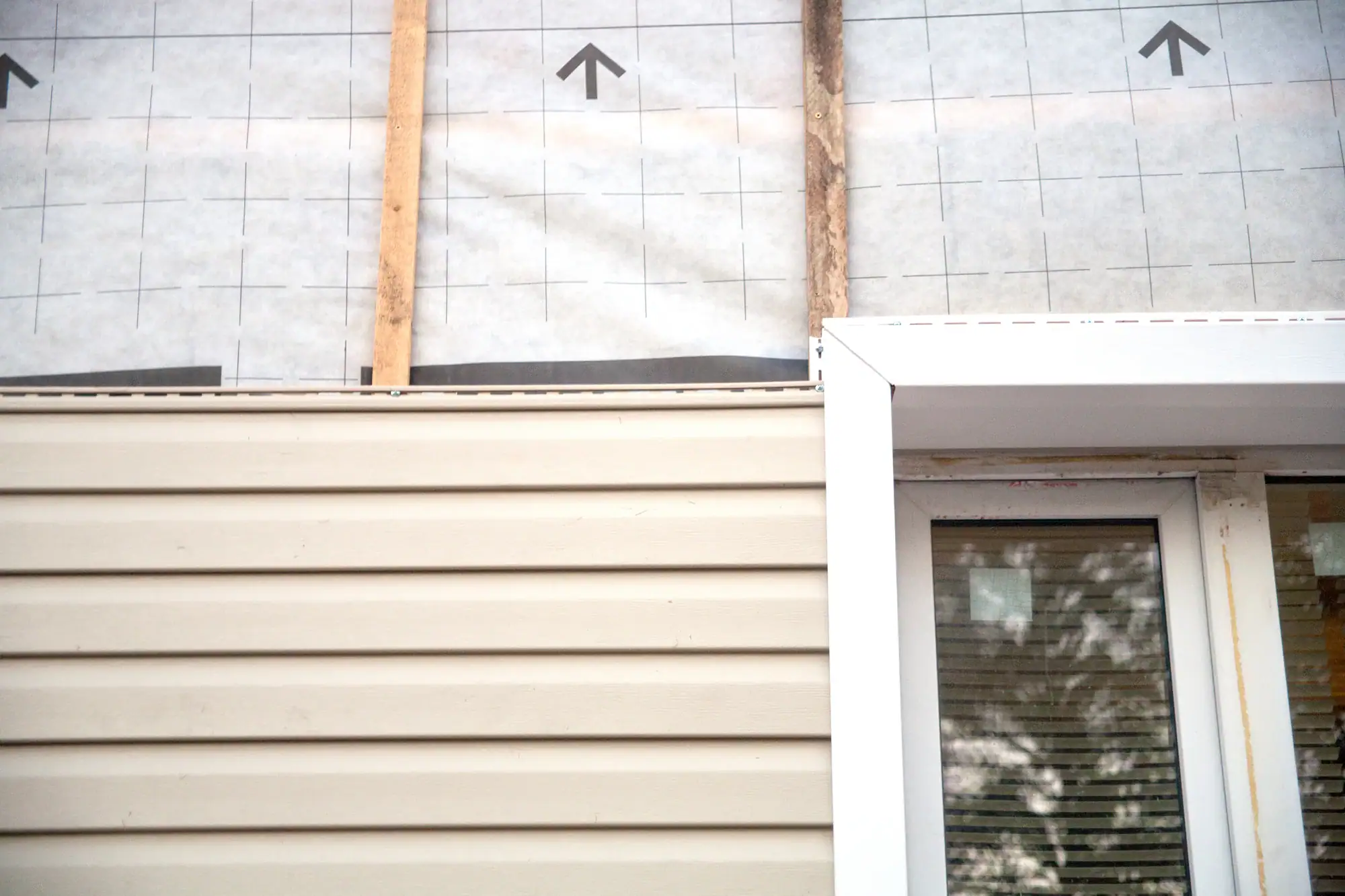
Most of the homes in Lincoln’s ZIP code were built in the 1990s. That means the vinyl siding on a large portion of houses here is now somewhere between 25 and 35 years old. Vinyl has a lifespan of 20 to 40 years — and in Delaware’s climate, the lower end of that range is where things start to quietly break down. Micro-cracks form. Seams separate. The moisture barrier behind the panels loses its integrity. Water gets in, and by the time you notice it, there’s rot or mold doing work behind the wall you can’t see from the driveway.
Lincoln’s setting makes this worse than it sounds. The open agricultural land surrounding the community doesn’t offer much windbreak. Nor’easters and summer thunderstorms moving up the US Route 113 corridor hit exposed homes harder than they’d hit a sheltered suburban neighborhood. That wind-driven rain finds every compromised seam and every panel that’s shifted even slightly out of place.
When siding is installed right — with a proper moisture barrier, tight weatherproof seams, and fastening that accounts for Delaware’s actual wind loads — your home stops being vulnerable to that pattern. You stop worrying about what’s happening behind the walls. Your heating and cooling systems work more efficiently because the thermal envelope is actually intact. And if you’re one of the many newer residents who purchased an existing Lincoln home in the last few years, you’re not inheriting someone else’s deferred maintenance problem anymore — you’re starting fresh with siding that will hold up for decades.
We’re based in Smyrna and have been serving Kent and Sussex counties for over 22 years. Lincoln falls squarely in that service area, and we’ve been working in northern Sussex County long enough to know exactly what the housing stock here looks like, what the climate does to it, and what corners some contractors cut when they think no one’s watching.
This isn’t a large multi-state operation with a call center routing your job to whoever’s available. Every project is managed entirely in-house — the same crew from start to finish, no subcontractors, no strangers showing up at your door. Melissa and Richard McCain run the company out of Smyrna, and that local ownership means real accountability. When something needs to be addressed, there’s a real person to call who has a stake in getting it right.
We’re BBB accredited with an A+ rating, licensed and insured in Delaware, and carry a 5.0 out of 5 star rating across 63-plus verified reviews. Those reviews consistently mention the same things: clear communication, clean job sites, and work that finishes on time.
It starts with a free consultation and a thorough inspection of your current siding. We actually look at what’s there — checking for panel damage, seam separation, moisture infiltration, and the condition of whatever’s underneath. If there’s rot or hidden damage behind the old siding, you’ll know about it before any work begins, not after. Written scope, clear pricing, no vague estimates.
Once you’re ready to move forward, we handle all permitting through Sussex County. Because Lincoln is unincorporated, there’s no local town hall to deal with — permits go through the county building department, and navigating that process on your own isn’t straightforward. We handle it entirely so you don’t have to figure out which office to call or which forms to file.
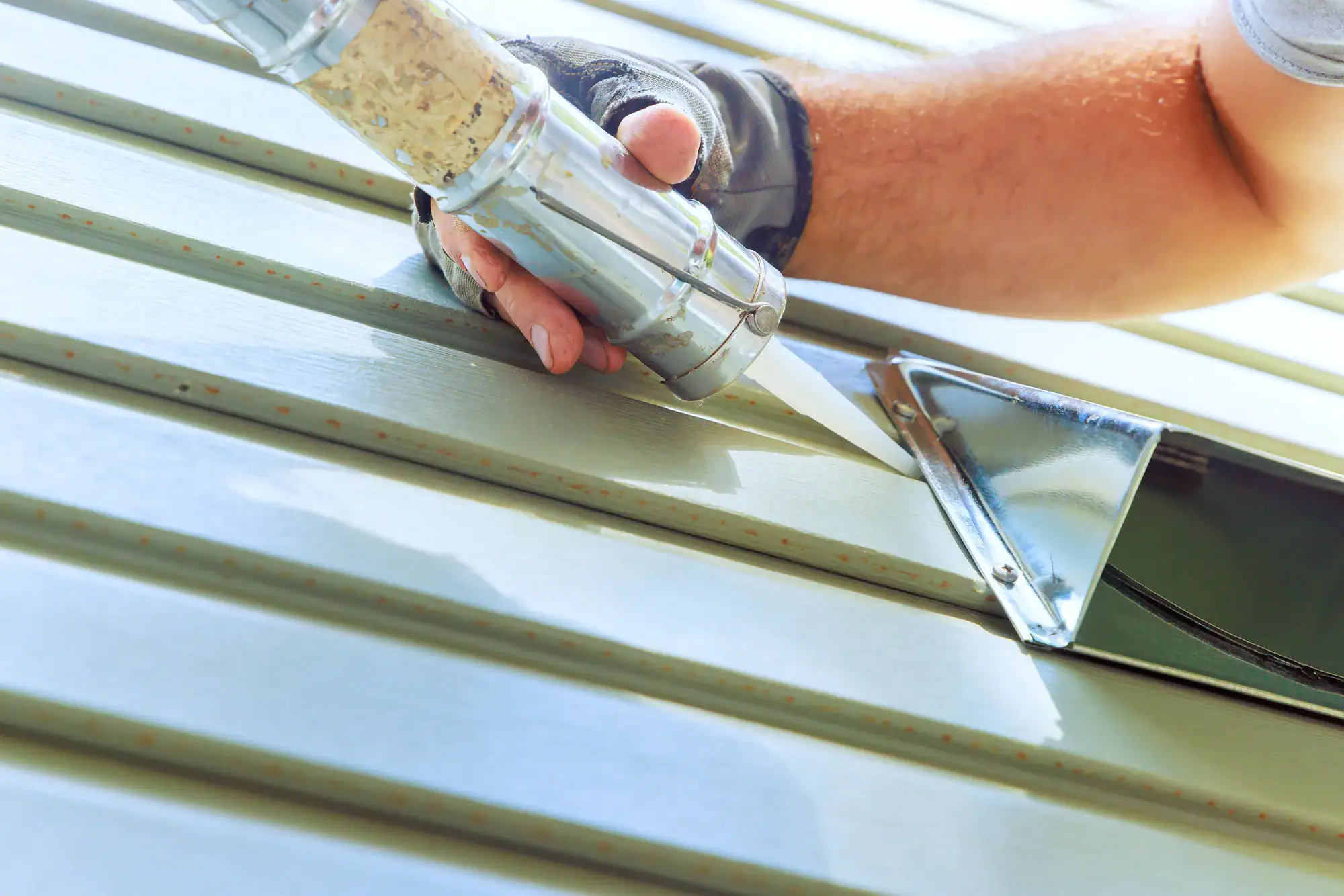
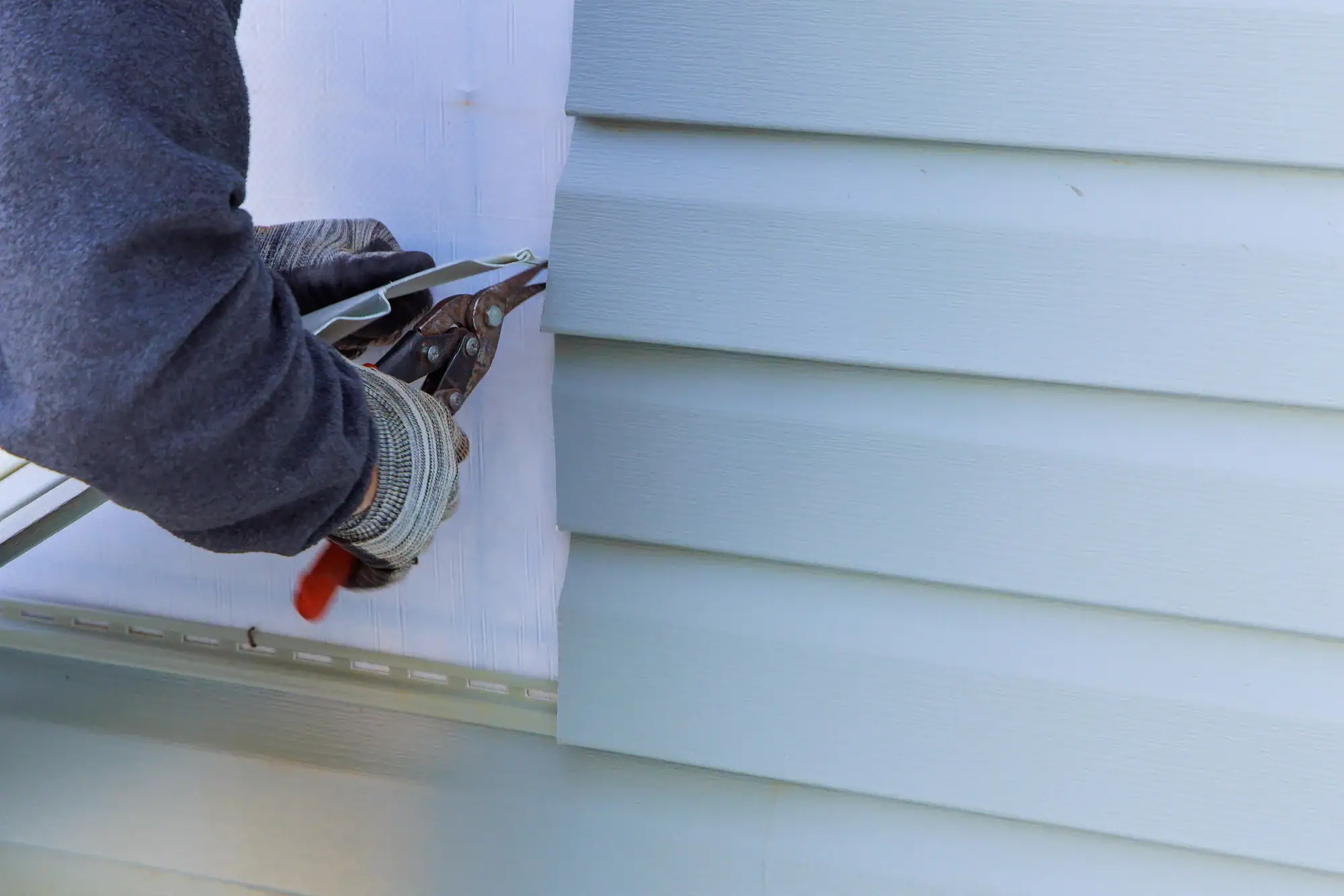
Installation typically takes two to five days depending on the size of your home and the material being used. The old siding comes off first, which allows a full inspection of the underlying structure before anything new goes on. Moisture barrier goes in, new panels are installed and secured for Delaware’s wind conditions, trim work and sealing are completed, and the site is cleaned up thoroughly when the job is done. Most siding projects take place in spring, summer, or fall when weather windows are reliable — but if storm damage has made your situation urgent, we can work with your timeline.
Ready to get started?
We install both vinyl and fiber cement siding, and the choice between them matters more in northern Sussex County than a lot of contractors will tell you. Vinyl is the most popular option in Delaware for good reason — it’s moisture-resistant, doesn’t rot, handles wind and rain well, and when properly installed can last 20 to 40 years. For Lincoln homeowners working with a defined budget, quality vinyl installed correctly is a solid long-term investment.
Fiber cement is a different conversation. It has a lifespan of up to 50 years and is virtually immune to the moisture problems that Delaware’s humidity creates. For homes that have experienced repeated storm damage, or for homeowners who want to install once and not think about it again for decades, fiber cement is worth the higher upfront cost. The 2024 Cost vs. Value Report puts fiber cement siding at an 88 percent cost recoupment rate at resale — compared to roughly 80 percent for vinyl — which matters if you’re thinking about long-term home value in a market where Lincoln’s median home values are around $276,000.
Every siding project includes full removal of the old siding, moisture barrier installation, trim work, weatherproof sealing, and cleanup. If your situation involves storm damage, we also assist with insurance claims — a service most siding contractors don’t offer and most homeowners don’t know to ask about. Financing is available for homeowners who want to move forward now rather than wait.

Yes, siding replacement in Lincoln typically requires a building permit, and because Lincoln is an unincorporated community, that permit goes through Sussex County — not a local town hall. There is no Lincoln municipal government, which means the county building department handles all exterior renovation permits for homes in this area. That process is less familiar to most homeowners than dealing with a local municipality, and it adds a layer of complexity that catches people off guard.
We manage all permitting as part of every siding project. You don’t need to research which county office to contact, figure out which application forms apply, or schedule your own inspections. We handle it from start to finish, making sure the project meets Sussex County building codes before work begins and throughout the installation. This is included in the service — not an add-on.
The honest answer is that it depends on what’s driving the problem. If you’re dealing with a few cracked or warped panels after a storm, targeted repair can absolutely make sense. But if your home was built in the 1990s — which describes a large portion of Lincoln’s housing stock — and the siding hasn’t been replaced since, there’s a real chance that what looks like isolated panel damage is actually a symptom of broader failure. Vinyl installed 25 to 35 years ago in Delaware’s humid, freeze-thaw climate has likely lost moisture barrier integrity across more than just the visible problem areas.
The inspection that starts every project we do is specifically designed to answer this question honestly. We look at the full picture — panel condition, seam integrity, moisture barrier performance, and what’s happening underneath — and give you a straight answer about whether repair or full replacement makes more sense for your specific situation. There’s no pressure to go bigger than you need to.
Both vinyl and fiber cement perform well in Delaware’s conditions, but for different reasons and at different price points. Vinyl is moisture-resistant by nature — it doesn’t absorb water, doesn’t rot, and handles the humidity that northern Sussex County deals with year-round. Quality vinyl, properly installed with a solid moisture barrier, is a reliable choice for Lincoln homeowners working within a defined budget. The key word is quality — not all vinyl is the same. Thickness, UV resistance, and wind load ratings vary significantly, and cheaper vinyl fails faster in Delaware’s climate.
Fiber cement is the more durable option over the long term. It’s essentially immune to moisture problems, handles freeze-thaw cycling well, and doesn’t warp or crack under the kind of wind-driven rain that hits exposed homes in Lincoln’s open agricultural landscape. It costs more upfront, but its 50-year lifespan and 88 percent cost recoupment rate at resale make a strong case for homeowners who want to install once and not revisit the decision for decades. We install both and will help you choose based on your home’s actual exposure and your budget — not on what’s easiest to sell.
In many cases, yes. Homeowners insurance policies often cover siding damage caused by wind, hail, and storm impact — which is relevant for Lincoln homeowners given how frequently nor’easters and severe summer thunderstorms move through northern Sussex County. The open landscape around Lincoln means homes here take more direct wind exposure than homes in more sheltered neighborhoods, and that wind-driven damage is exactly the kind of event most standard policies are designed to cover.
The challenge is that navigating an insurance claim for siding damage isn’t always straightforward. Insurance companies have their own inspection processes, and the documentation required to support a claim can be more involved than homeowners expect. We assist with insurance claims for storm-damaged siding — helping you understand what your policy covers, documenting the damage properly, and working through the claims process so you’re not doing it alone. This is a service most siding contractors don’t offer, and it can make a significant difference in what you actually recover from a claim.
Most residential siding projects take two to five days from start to finish. The range depends on the size of your home, the material being installed, and whether the inspection after removing the old siding reveals any underlying issues — rot, mold, or structural damage — that need to be addressed before new siding goes on. Those discoveries aren’t common, but they do happen, particularly with older homes, and it’s better to know about them early than to cover them up with new siding.
For Lincoln homeowners, the timing of your project also matters seasonally. Spring, summer, and fall offer the most reliable weather windows for exterior installation work. Winter projects are possible but more weather-dependent. If you’re dealing with storm damage that’s left your home exposed or compromised, we can work with your timeline to prioritize getting the work done before additional damage accumulates. We manage the full project schedule and keep you informed throughout — no disappearing between work sessions, no vague timelines.
Start with the basics: verify that the contractor is registered with the Delaware Department of Labor’s Office of Contractor Registration. Delaware doesn’t issue a traditional state contractor license — instead, all contractors are required to register before starting work, and that registration is a consumer protection measure. If a contractor can’t confirm their registration, that’s a problem worth taking seriously.
Beyond registration, look at review volume and consistency. A handful of five-star reviews is easy to manufacture. Sixty-plus verified reviews that consistently mention the same things — communication, clean job sites, on-time completion — is a much harder pattern to fake. Check the BBB accreditation status. Ask whether the crew doing the work is employed directly by the company or subcontracted out. In a small, tight-knit community like Lincoln, word travels fast when a contractor does good work — and just as fast when they don’t. We’ve been building that reputation across Kent and Sussex counties for over 22 years, and every project is handled by our own trained, insured team with no subcontracting. That’s the kind of accountability that matters when someone is working on your home.
Other Services we provide in Lincoln