
Hear from Our Customers
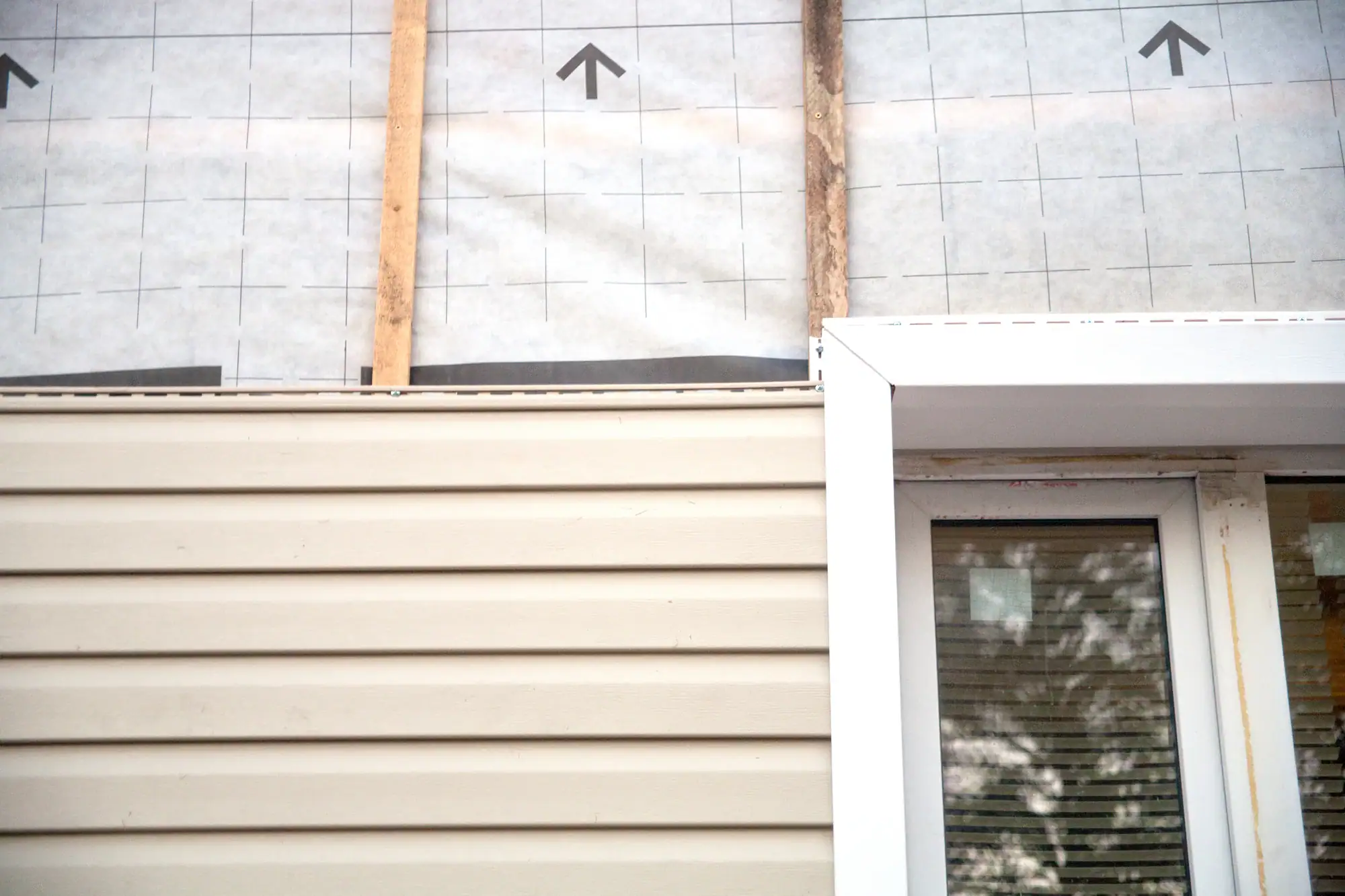
When siding fails in Lewes, it usually isn’t dramatic. It’s quiet. Salt air gets into the fasteners. A seam separates after a nor’easter. Moisture finds its way behind a panel on the north side of the house and sits there for months before you ever see a stain on the interior wall. By the time it’s visible, the damage is already done.
Getting the right siding installed correctly — with a proper moisture barrier, sealed seams, and materials rated for coastal wind loads — means you stop that cycle before it starts. For homes in the Lewes Beach neighborhood or anywhere within reach of bay air, the quality of the installation matters as much as the material itself.
For homeowners in the Historic District, there’s an added layer. Vinyl siding is explicitly prohibited on new noncontributing structures there. That means your material choice isn’t just a preference — it’s a code requirement. Fiber cement, properly installed, gives you the durability and historic-compatible appearance that the City of Lewes’s Historic Preservation Architectural Review Commission expects, without sacrificing performance in a coastal environment.
First State Roofing & Exteriors Co. is based in Smyrna and has been serving Sussex County — including Lewes and the broader Cape Region — for over 22 years. That’s not a number we throw around lightly. It means we’ve worked through enough Delaware storm seasons to know exactly what coastal exposure does to exterior siding over time, and how to install it so it lasts.
We handle every project in-house. No subcontractors, no day-labor crews showing up at your door. If you own a vacation rental or a second home near Cape Henlopen and you’re managing the project from Philadelphia or D.C., that matters. You need to know the crew that shows up is the same crew we’d send to our own families’ homes.
We’re also BBB accredited with an A+ rating, licensed and insured in Delaware, and carry 5.0-star reviews across Google and Facebook from Lewes homeowners who had the same questions you probably have right now.
It starts with a free consultation and a thorough inspection of your current siding. In Lewes, that inspection matters more than it does in most places. We’re looking at what the salt air and seasonal storms have already done — not just the surface, but what’s underneath. If there’s moisture damage, rot, or compromised sheathing behind your old siding, you need to know that before a single panel comes off. We tell you what we find, in writing, before any work begins.
From there, we handle the permitting. In Lewes, that means a City of Lewes building permit for virtually all exterior work — the city’s own guidance is clear that permits are required for pretty much everything except painting. If your property is in the Historic District, we navigate the Historic Preservation Architectural Review Commission process as well. Contractors who don’t know Lewes’s specific requirements can get work stopped mid-project. We’ve done this before.
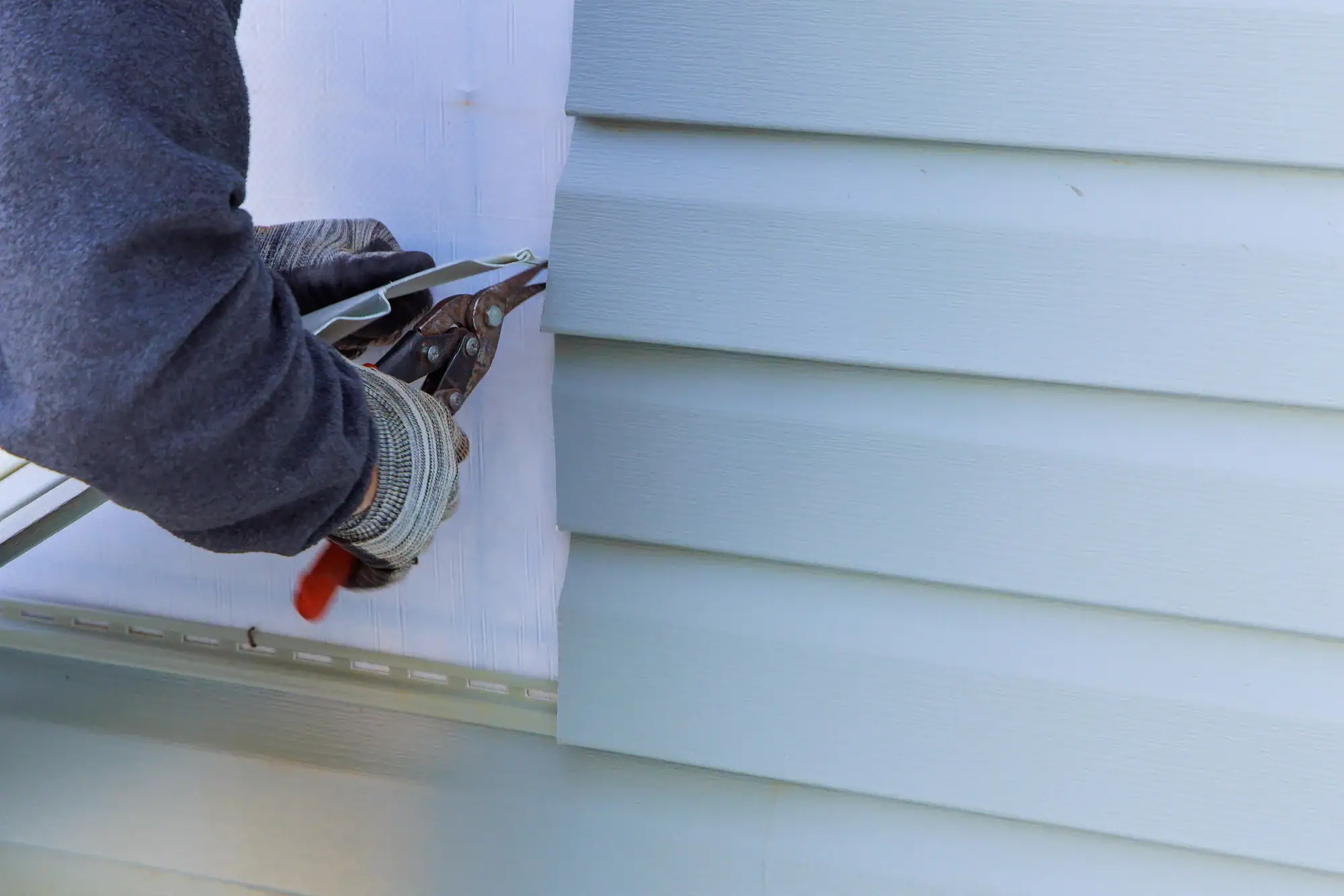
Once approvals are in place, installation typically takes two to five days depending on the size of your home and the material selected. We remove the old siding, install the moisture barrier, and put up every panel to meet coastal wind load standards. When we leave, the site is clean and the work is done right.
Ready to get started?
We install both vinyl siding and fiber cement siding — and we help you choose based on your home’s specific situation, not on what’s easiest for us to install. For most homes in the Plantations communities, Hawkseye, Henlopen Landing, and similar neighborhoods outside the Historic District, vinyl is a smart, durable choice. It resists moisture, doesn’t rot, and holds up well in Delaware’s humidity and freeze-thaw cycles. For Historic District properties or high-value coastal homes where longevity and appearance both carry weight, fiber cement is the right call — it’s dimensionally stable, virtually immune to moisture problems, and approved for use where vinyl is not.
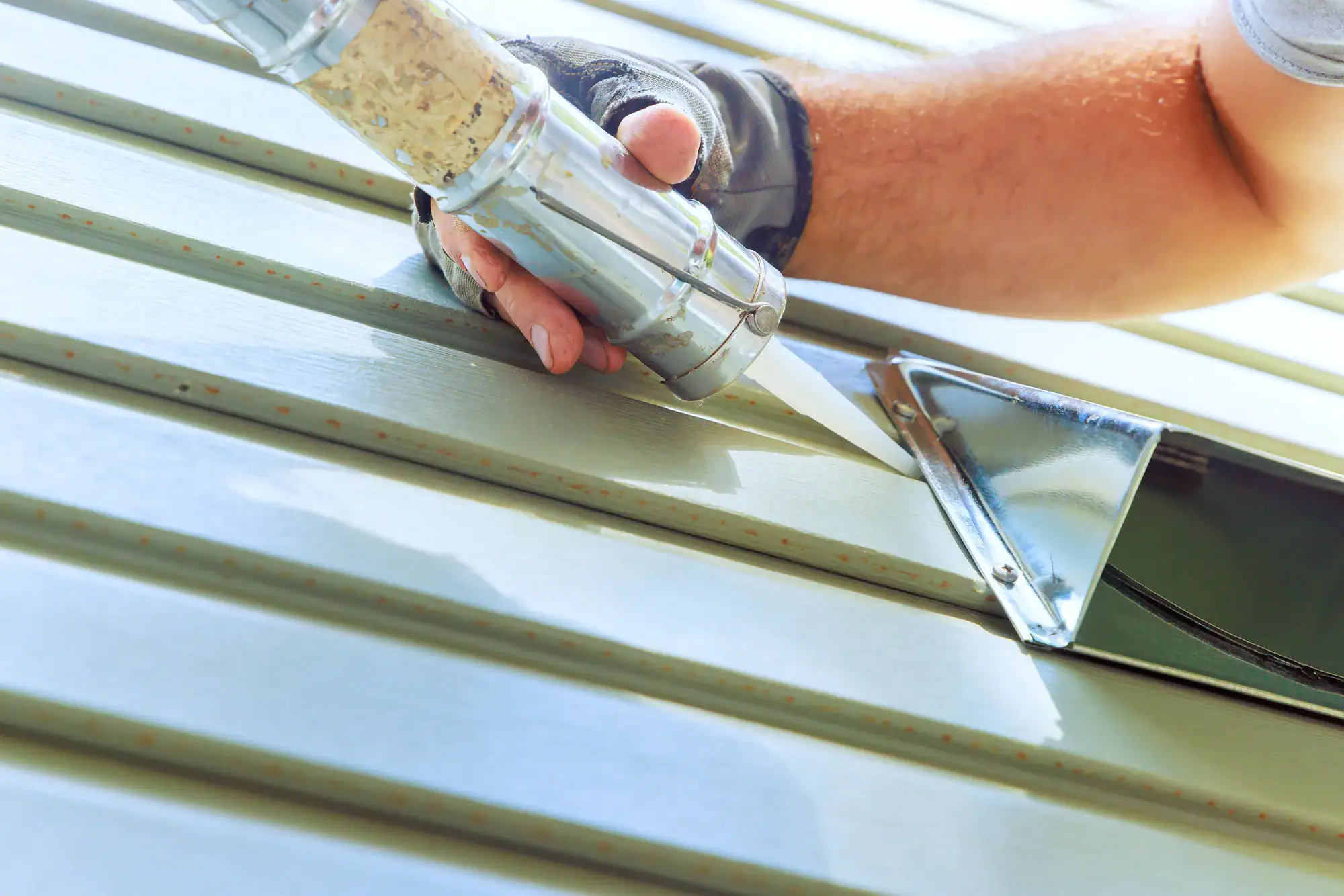
Every installation includes full removal of existing siding, moisture barrier installation, weatherproof seam sealing, trim work, and cleanup. We also assist with insurance claims if your siding was damaged in a nor’easter or storm — a service most contractors in the area don’t offer at all. If you’re weighing whether your storm damage qualifies for a claim, that conversation is part of what we do.
Financing is available if the scope of the project is larger than you planned for. And if you’re a vacation rental owner or managing a property remotely, we communicate throughout the project so you’re never left wondering what’s happening on your home.

Yes, and it’s one of the most important things to know before you hire anyone to work on a property in the Historic District. The City of Lewes’s zoning code explicitly prohibits vinyl siding and aluminum siding on new noncontributing structures within the Historic District. Any exterior changes to properties in that area require approval from the Historic Preservation Architectural Review Commission — known locally as the HPARC — before work can begin. Materials must be compatible with the historic character of the neighborhood.
This means if you call a contractor who isn’t familiar with Lewes’s specific rules and they show up with vinyl, the work can be stopped, fines can follow, and you may be required to remove and replace non-compliant materials at your own expense. Fiber cement siding is generally the right choice for Historic District homes in Lewes — it’s durable, historically compatible in appearance, and meets HPARC standards. We handle the HPARC approval process as part of the project, so you don’t have to figure out what’s required on your own.
Yes. The City of Lewes requires a building permit for virtually all exterior construction and alteration work. Their own published guidance states that permits are required for pretty much everything except painting. Siding replacement falls clearly within that requirement. On top of the building permit, contractors working in Lewes must hold a City of Lewes mercantile license — a city-specific requirement that goes beyond the standard Delaware state contractor registration.
If your property is in the Historic District, you also need HPARC approval before any exterior material changes are made. That’s a separate process from the building permit, and it has to happen first. Skipping permits isn’t just a code violation — it can create serious problems when you go to sell the home, since unpermitted work often comes up during buyer inspections and title searches. We manage all of this — the city building permit, the mercantile license requirement, and the HPARC process where applicable — so the project moves forward without you having to navigate the City of Lewes’s building department on your own.
Salt air is genuinely corrosive, and it affects siding in ways that aren’t always obvious at first. It attacks the metal fasteners that hold panels in place, degrades finish coatings faster than UV exposure alone would, and causes premature chalking and fading on vinyl surfaces — especially on homes in Lewes Beach and other bay-facing locations. The issue isn’t just the material itself; it’s how the installation is done. Panels installed without marine-grade fasteners and properly sealed at every seam and penetration will fail faster regardless of the material.
For most homes in the greater Lewes area, high-quality vinyl siding installed correctly — with a full moisture barrier and sealed trim interfaces — performs well. It doesn’t rot, doesn’t absorb moisture, and resists the humidity that coastal Delaware delivers year-round. For homes with direct bay exposure or high-value properties where longevity matters most, fiber cement is worth the additional investment. It’s dimensionally stable, holds paint longer, and doesn’t degrade the same way vinyl can under sustained salt air exposure. The right answer depends on your home’s specific location and exposure, which is exactly why we start every project with an inspection.
Nor’easters are a regular reality on the Delaware coast, and they cause siding damage in a specific way that’s worth understanding. It’s not usually a single catastrophic event — it’s wind-driven rain finding a compromised seam, a loose panel, or a gap at a corner board and forcing water behind the siding. That moisture sits against the sheathing and framing, and if it isn’t caught quickly, you end up with mold, rot, and structural deterioration that goes far beyond a cosmetic siding repair. One documented nor’easter stalled over the mid-Atlantic for nearly three days, delivering continuous rain and high winds to coastal Delaware — that kind of sustained event tests every weak point in an exterior.
Homeowners insurance often does cover storm-damaged siding, but the claim process can be frustrating to navigate while you’re also trying to find a qualified contractor. We assist with insurance claims for storm-damaged siding — we help document the damage, work with your insurer, and keep the project moving without the delay that comes from trying to manage both sides of the process yourself. If you’re not sure whether your damage qualifies, a free inspection and consultation is the right starting point.
Most siding installation projects take two to five days depending on the size of the home and the material being installed. Lewes’s seasonal patterns do affect scheduling in a few practical ways. Summer is peak season in the Cape Region — contractors are busy, and many homeowners prefer not to have a work crew at the house during the height of the rental or vacation season. The spring window from April through May and the fall window from September through October tend to be the most practical timing for Lewes homeowners and vacation rental owners who want work completed without disrupting their busiest months.
Nor’easter season runs roughly October through March, and storm damage often creates urgent repair needs during that window. If your siding has been compromised heading into winter, deferring the repair through the cold months means more freeze-thaw cycles working against a weakened moisture barrier. We recommend addressing damaged siding before winter rather than waiting for spring, both to prevent further deterioration and because scheduling tends to open up in the fall after the summer rush. Financing is available if timing and budget need to align before you can move forward.
Lewes has a specific local licensing requirement that most homeowners don’t know about: contractors performing construction, alteration, repair, or remodeling work within city limits must hold a City of Lewes mercantile license under the city’s own code. That’s separate from Delaware’s state-level contractor registration requirement, which requires all contractors to register with the Delaware Department of Labor’s Office of Contractor Registration before work begins. A contractor who is registered at the state level but hasn’t obtained the city mercantile license is not fully compliant to work in Lewes.
The simplest way to verify a contractor is to ask them directly — a legitimate, established contractor will have no hesitation providing their Delaware contractor registration number and confirming they hold the required city license. You can also check BBB accreditation status, which is a reliable indicator of a business that stands behind its work and maintains its credentials. First State Roofing & Exteriors Co. is BBB accredited with an A+ rating, licensed and insured in Delaware, and has been operating in Sussex County for over 22 years. We’re not a traveling crew that showed up after the last storm — we’re a Delaware business with real accountability to the communities we serve, including Lewes.
Other Services we provide in Lewes