
Hear from Our Customers
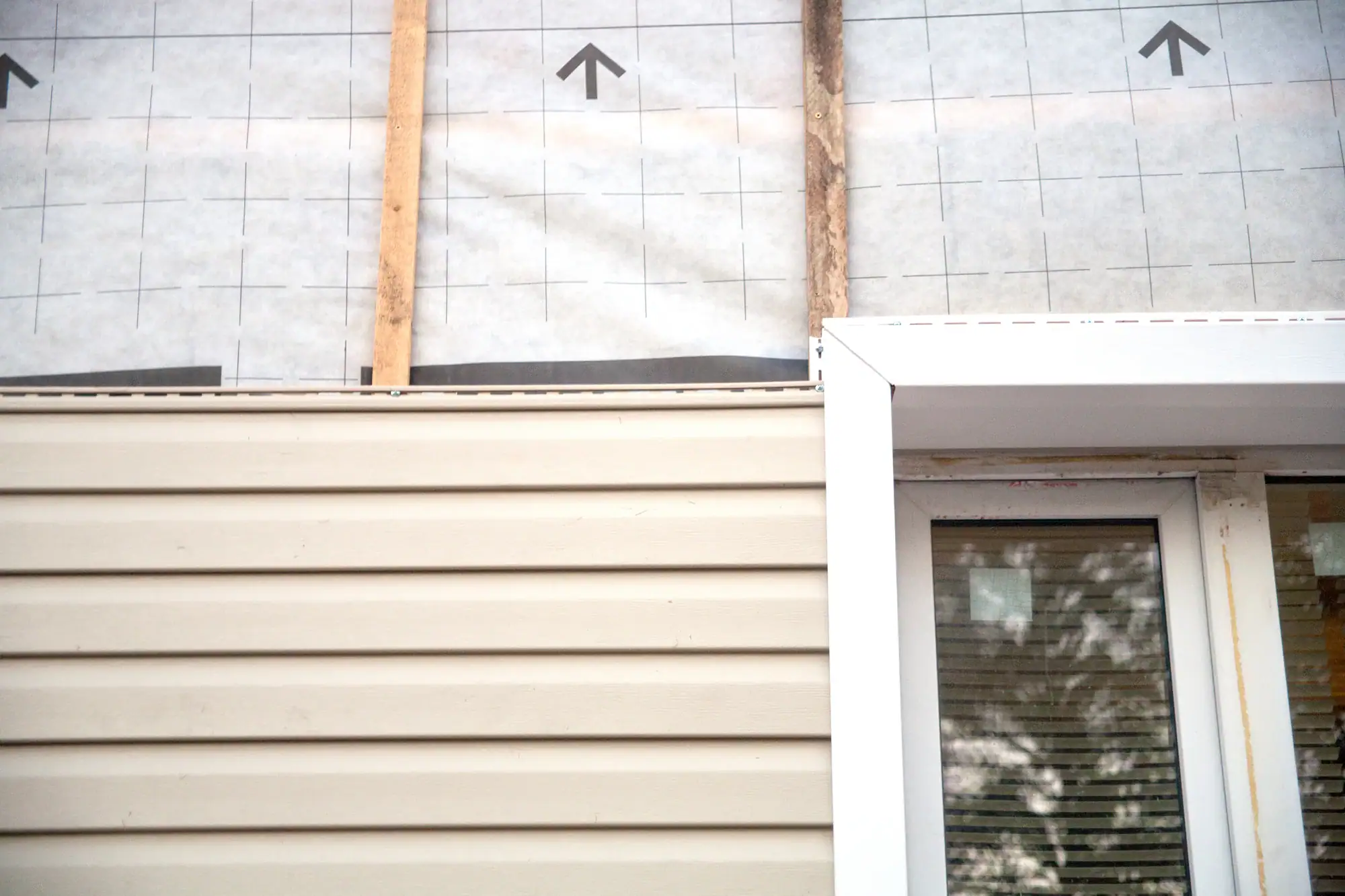
The homes on Lawndale Drive were built around 1970. That’s more than 50 years of Delaware summers pushing humidity behind every gap, and 50 winters running freeze-thaw cycles through whatever’s left of the original siding. By the time most homeowners notice something’s wrong — soft spots, bubbling, visible mold — the wall assembly underneath has usually been taking on moisture for years.
New siding stops a slow problem from becoming a structural one. When the moisture barrier is installed correctly and the panels are sealed tight, your Lawndale home handles Delaware’s 44-plus inches of annual rainfall the way it was supposed to. The 19977 ZIP code gets real winters — the National Weather Service issues winter storm warnings for this area regularly — and every freeze-thaw cycle that hits compromised siding widens the gaps a little more. A proper installation closes all of that off.
The practical side matters too. You get a home that looks like it belongs in a neighborhood that’s been growing and improving, not one that’s been standing still. For homeowners in Lawndale who’ve been in their house for decades and are finally ready to deal with the exterior, this is the project that removes the worry.
We’re based at 202 E Mt Vernon St in Smyrna — the same 19977 ZIP code as Lawndale Drive. When you call for a free consultation, you’re not reaching a regional franchise or a multi-state operation that happens to list your area on their website. You’re calling a locally-owned business that has been working on homes in Kent County for over two decades.
Melissa and Richard McCain own and operate this company. That means real accountability — not a customer service rep reading from a script, but people whose business reputation lives in the same community where your home is. We’re BBB accredited with an A+ rating, licensed and insured per Delaware’s contractor registration requirements, and have earned a 5.0 out of 5 rating from more than 63 verified reviews.
Every siding project is handled by our own crew. No subcontractors, no day-labor teams, no strangers showing up at your door that nobody’s vetted. For a quiet residential street like Lawndale Drive, that’s not a small thing.
It starts with a free consultation and a real inspection — not a quick walk-around and a number pulled from thin air. For homes built around 1970, like most of those on Lawndale Drive, this inspection matters more than it does on newer construction. Fifty-year-old siding often hides moisture damage, deteriorated sheathing, or pest activity underneath. You deserve to know what’s there before anyone touches a panel, and we’ll tell you exactly what we find.
From there, you get a written scope and a clear cost before any work begins. If you decide to move forward, we handle all permitting. Lawndale is unincorporated Kent County, so there’s no municipal building department to navigate — but county-level permits and contractor registration requirements still apply, and that paperwork is handled for you.
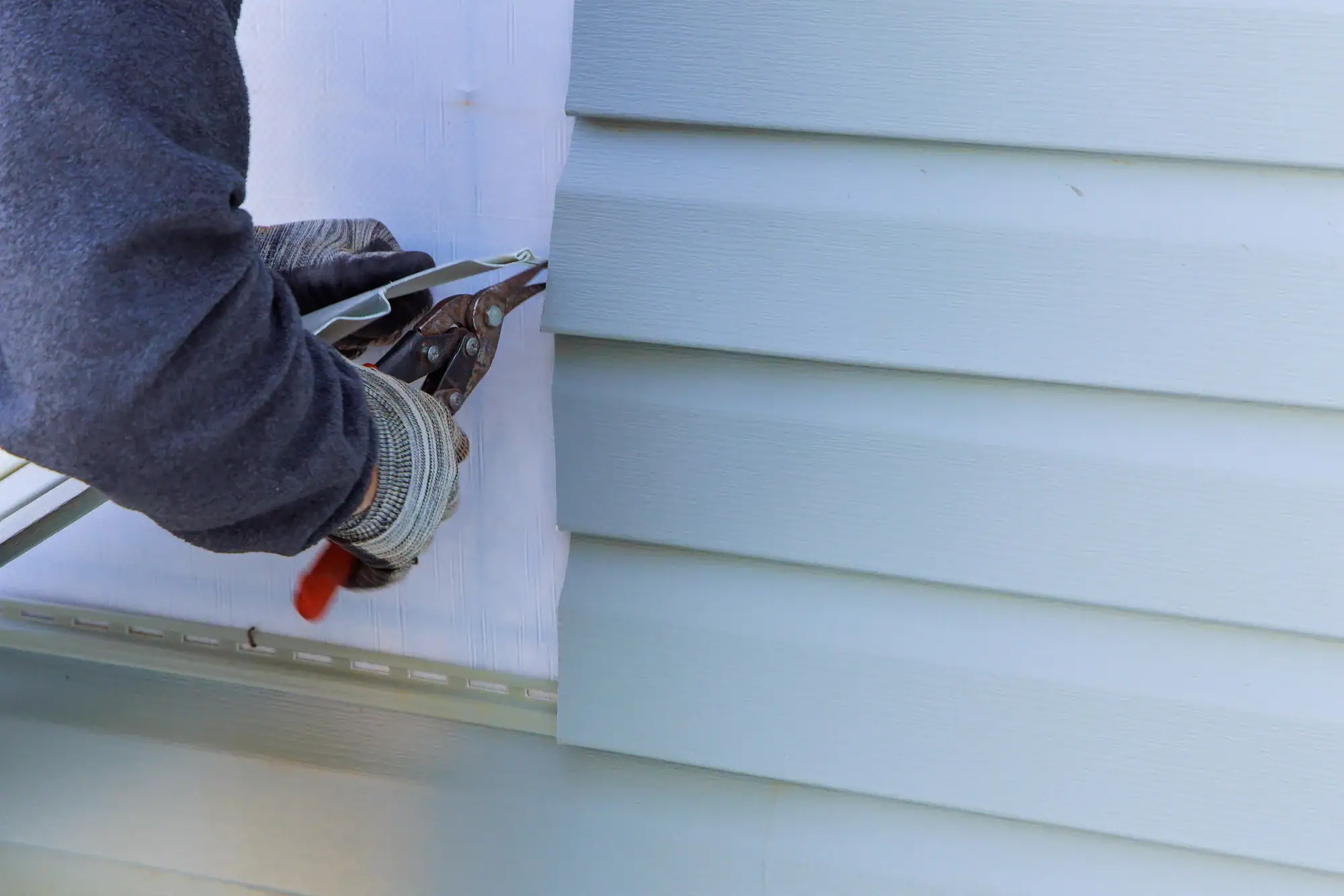
Once the job starts, most siding installations take two to five days depending on the size of the home and the material being installed. The old siding comes off, the moisture barrier goes on, and new panels are installed and sealed. When our crew leaves, the site is clean.
Ready to get started?
We offer both vinyl and fiber cement siding, and we’ll help you choose based on your home’s specific situation — not on which product is easiest to install. For a 1970s ranch or cape cod in the Lawndale area, that choice affects how the exterior performs for the next 30 to 50 years.
Vinyl is Delaware’s most popular option for good reason — it resists moisture, doesn’t rot, and handles wind and rain well. Fiber cement goes further, holding up against the kind of sustained humidity that Kent County summers deliver and lasting up to 50 years with minimal maintenance.
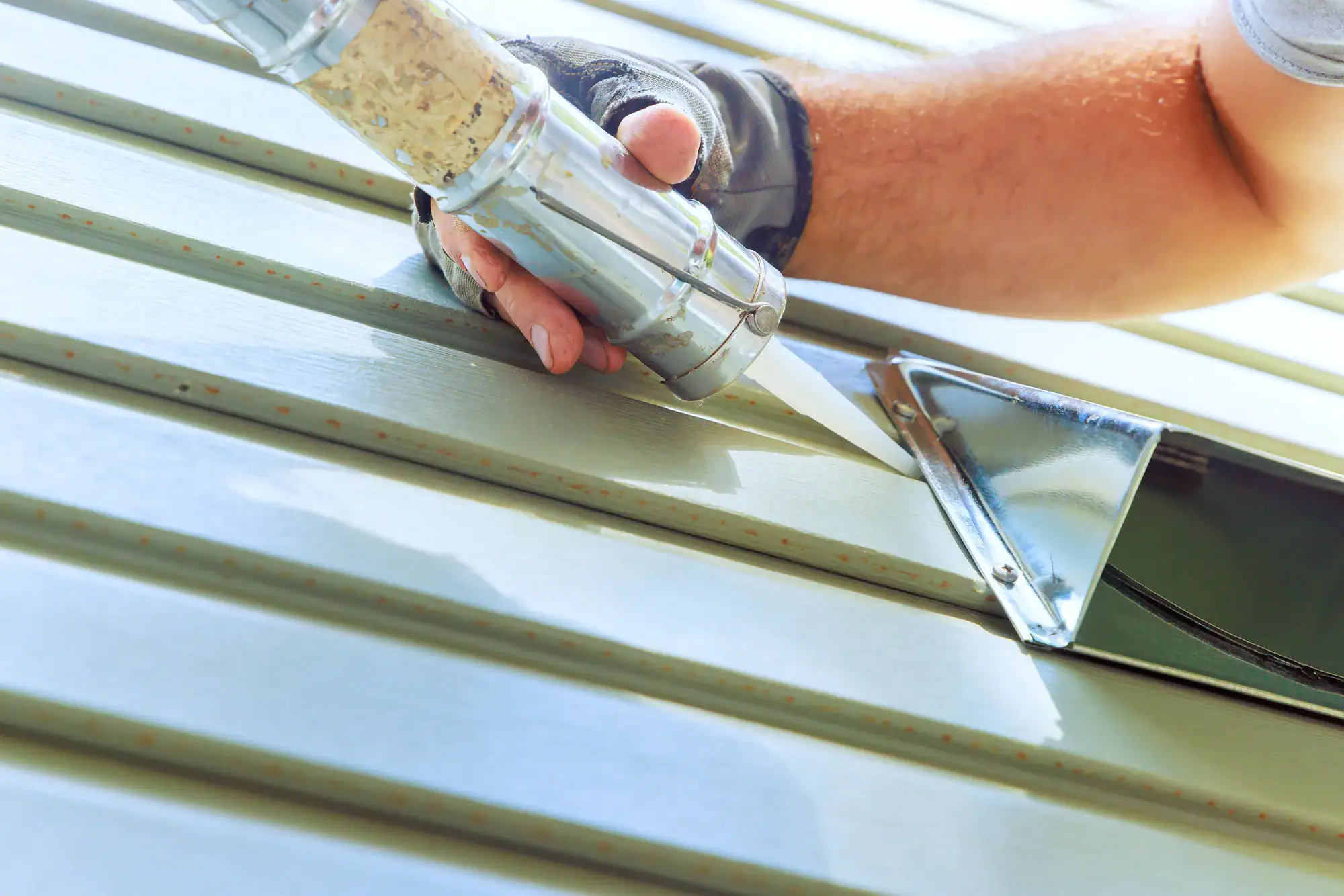
Every project includes full removal of the old siding, moisture barrier installation, trim work, and weatherproof sealing at every seam. If storm damage is involved — and nor’easters and summer wind events hit this part of the Delmarva Peninsula regularly — we also assist with insurance claims. That’s a service most siding contractors in the Smyrna area don’t advertise, and it can make a meaningful difference in what you pay out of pocket.
Financing is available for homeowners who want to move forward now rather than wait. A free consultation is included on every job, no commitment required to get started.

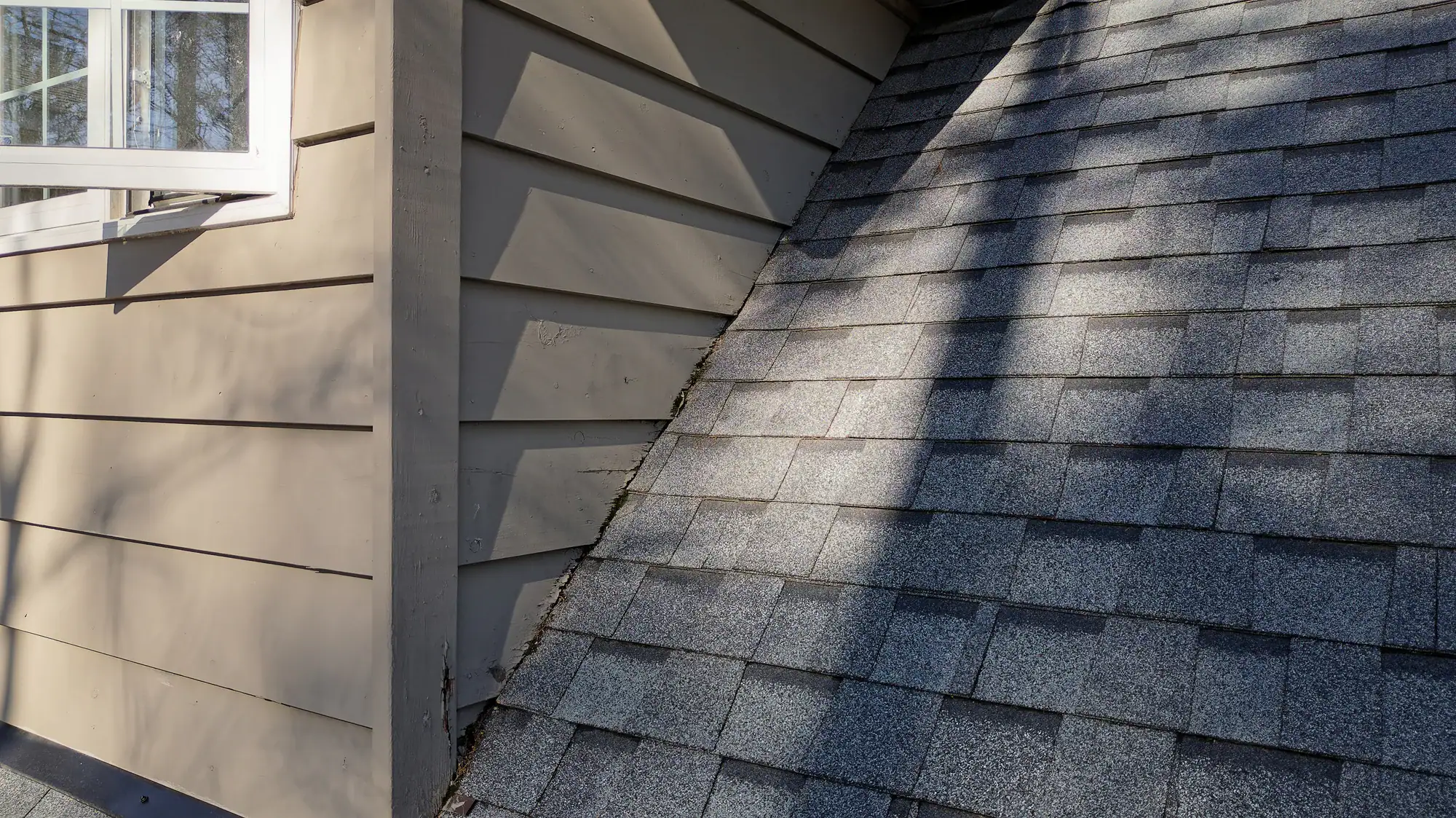
The clearest signs are ones you can see and feel: warping, cracking, fading that’s gone past cosmetic, panels that have pulled away from the wall, or soft spots when you press on the siding. For homes in Lawndale built around 1970, the more important question is often what’s happening behind the siding rather than what’s visible on the surface. Original siding from that era — whether aluminum, wood, or early vinyl — has been at or past its functional lifespan for years.
Delaware’s climate accelerates the timeline. The combination of humid summers and freeze-thaw winters means that any gap or compromised seal becomes a moisture entry point, and that moisture has somewhere to go: into the wall sheathing, the insulation, and eventually the framing. By the time a homeowner notices a soft spot or visible mold, the damage underneath is typically more extensive than the surface suggests. A free inspection from us will tell you exactly what you’re dealing with — including what’s underneath — before you commit to anything.
Both are solid choices for Delaware’s climate, but they perform differently and come in at different price points. Vinyl is the most widely installed siding in the state because it resists moisture, doesn’t rot or warp, and requires almost no maintenance. A quality vinyl installation can last 20 to 40 years. It handles Delaware’s rainfall and humidity well, and it’s typically the more accessible option for homeowners working within a tighter budget.
Fiber cement — James Hardie is one of the most recognized brands — goes further in terms of durability and weather resistance. It’s described as virtually immune to moisture problems, which matters in a climate like Smyrna’s where sustained summer humidity is a real stressor for exterior materials. Fiber cement can last up to 50 years and holds paint longer than wood or vinyl. The tradeoff is cost — it runs higher than vinyl per square foot installed. We install both and will help you weigh the options based on your home’s age, exposure, and what you’re trying to accomplish long-term.
Yes, permits can be required for exterior siding replacement work, and the process in Lawndale is a little different than it would be in an incorporated town. Because Lawndale is an unincorporated community in Kent County, there’s no municipal building department — permitting falls under county jurisdiction rather than a town office. Delaware also requires all contractors to be registered with the Department of Labor’s Office of Contractor Registration before work begins, which is a state-level requirement separate from any local permit.
If you’re working with us, you don’t have to figure any of this out yourself. We handle all permitting and ensure every project meets applicable building codes before the first panel goes on. This matters beyond just the job itself — unpermitted exterior work can create complications when you sell your home, and it can affect your homeowner’s insurance coverage if something goes wrong. Getting it done right the first time protects you in more ways than one.
It often can, and it’s worth finding out before you assume you’re paying for the full project out of pocket. Delaware’s Delmarva Peninsula location makes this area a regular target for nor’easters in late winter and spring, and summer storms with high winds and wind-driven rain. Both can cause the kind of siding damage that qualifies as a covered claim under a standard homeowner’s insurance policy — cracked panels, lifted sections, compromised seals, and water intrusion behind the siding.
The process of filing a claim and working with an adjuster isn’t always straightforward, and some homeowners don’t realize their damage qualifies until it’s too late to file. We assist with insurance claims for storm-damaged siding, which means we can help you document the damage, work with your insurance company, and understand what your policy actually covers. This is a service most siding contractors in the Smyrna area don’t offer, and it can significantly reduce what you end up paying out of pocket for a replacement that’s already overdue.
Most siding installation projects take two to five days from start to finish, depending on the size of the home and the material being installed. For a typical home in Lawndale — built around 1970, averaging roughly 1,200 to 1,300 square feet — you’re generally looking at the lower end of that range under normal conditions. The timeline can shift if the inspection turns up damage underneath the old siding that needs to be addressed before new panels go on, which is more common on homes of this age than on newer construction.
We manage the entire project with our own crew, which keeps the schedule predictable. There’s no waiting on a subcontractor to show up or coordinating between different teams. The job runs start to finish without the gaps and delays that can stretch a two-day project into two weeks. If you’re working full-time and need to know when your home will be back to normal, that consistency matters.
The most important thing you can do is verify before you commit. In Delaware, all contractors are required to be registered with the Department of Labor’s Office of Contractor Registration — this is a state-level requirement, and working with an unregistered contractor puts you at real risk if something goes wrong. Ask any contractor you’re considering whether they’re registered, licensed, and insured, and ask to see documentation. A legitimate contractor won’t hesitate.
Beyond the basics, pay attention to how the estimate is structured. A detailed, written, line-item estimate is a good sign. A vague number with a pressure to sign quickly is not. Be cautious of contractors who ask for a large upfront deposit — reputable contractors typically require 10% or less before work begins, with the balance due when the job is complete. Our free consultation is a low-risk way to get a detailed inspection and a clear picture of what your project actually involves — with no obligation to move forward until you’re ready.
Other Services we provide in Lawndale