
Hear from Our Customers
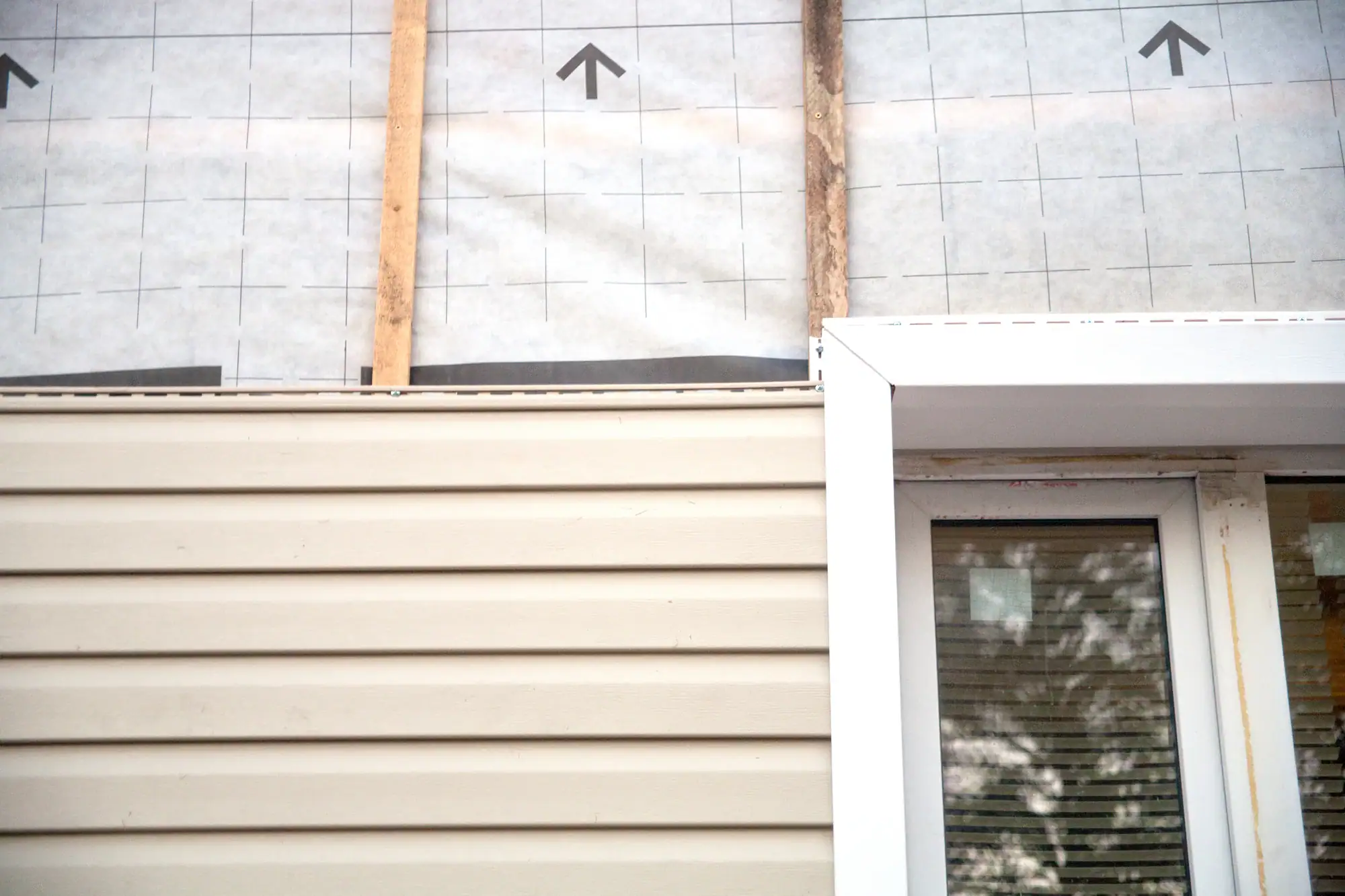
Camden is a town where most people are out the door by 7 a.m. heading up US 13 to Dover or over on DE 10 toward the base. Exterior maintenance is the kind of thing that gets pushed back — not because you don’t care, but because there’s never a good window to deal with it. By the time siding problems are obvious from the curb, there’s usually moisture damage behind the panels that’s been building for a while.
A lot of the homes in Camden’s newer subdivisions were built with builder-grade vinyl — thinner material with minimal UV resistance that wasn’t designed to handle Delaware’s combination of 44-plus inches of annual rainfall, summer heat, and freeze-thaw cycles in late winter. That siding is now 15 to 25 years old in many cases, and it shows. Fading, hairline cracks at panel joints, and soft spots in the wall are all signs the material has reached the end of what it was built to do.
When you replace it with properly spec’d vinyl or fiber cement, the difference isn’t just cosmetic. You’re stopping moisture before it reaches the wall cavity, which is where the expensive damage happens. You’re also improving how the home holds up through the next storm season — and in Kent County, those seasons are not gentle.
First State Roofing & Exteriors Co. is based in Smyrna — about 12 to 15 miles north of Camden along US 13. That’s not a regional office claiming Delaware coverage from across the state line. It’s the same DuPont Highway corridor that Camden residents drive every day, and it’s the county we’ve been working in for over two decades.
In that time, we’ve worked on homes throughout Kent County, including colonials near Camden’s historic crossroads area, mid-century ranches, and the newer subdivision builds that make up a big part of Camden-Wyoming’s current housing stock. We know what the local permit offices require, we understand how Delaware’s climate affects different siding materials, and we’ve seen firsthand what happens when builder-grade vinyl is left too long in this environment.
We’re BBB accredited with an A+ rating, licensed and insured, and every project is handled by our own crew — no subcontractors, no handoffs. You know who’s showing up, and they’re accountable to us.
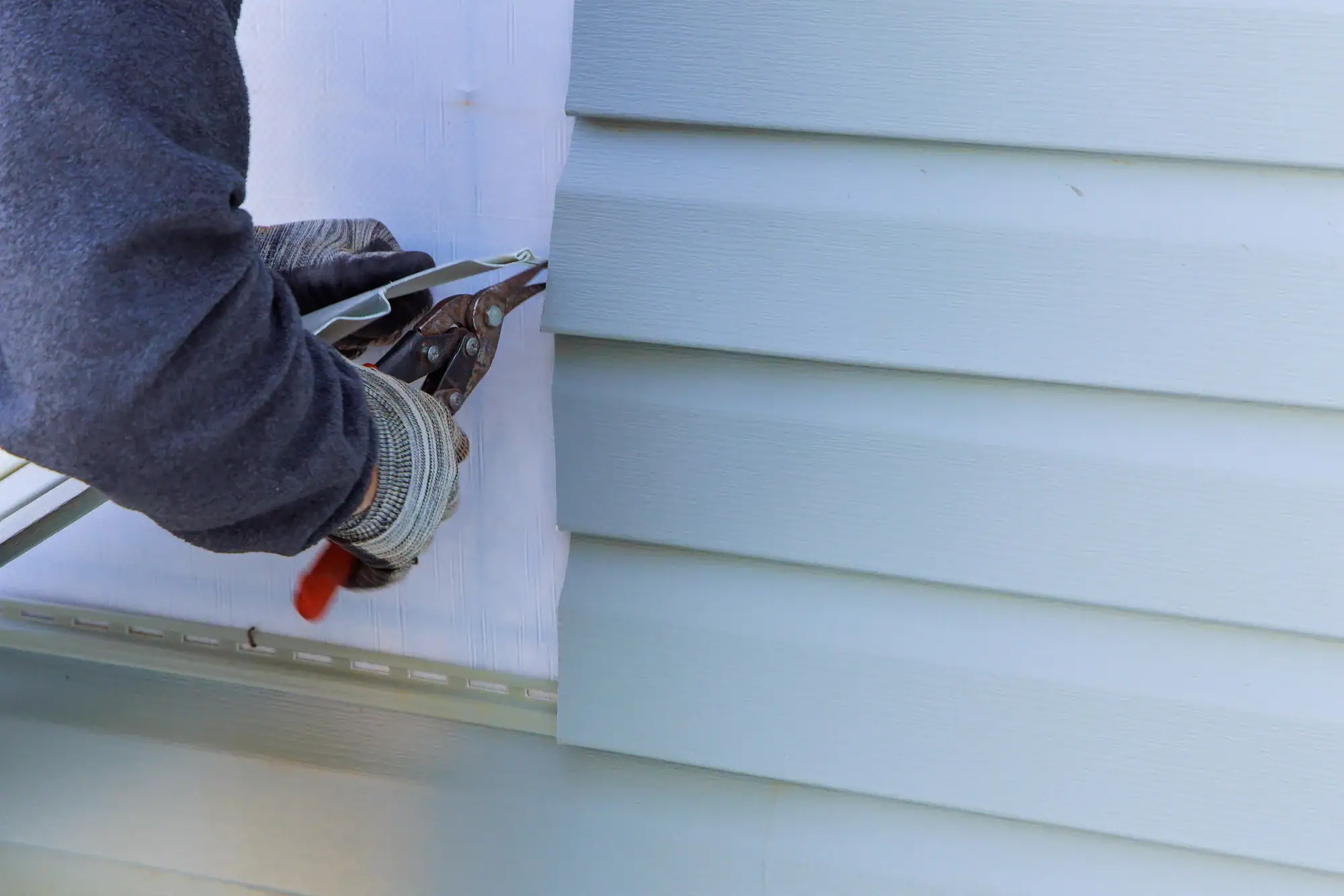
It starts with a free consultation and a detailed inspection of your current siding. We’re not just looking at what’s visible from the street — we’re checking seams, probing for soft spots, and assessing what’s happening at the moisture barrier level. If there’s damage underneath that needs to be addressed before new siding goes on, we tell you before any work begins. No scope creep after the job starts.
From there, we handle the permitting. Siding replacement in Camden requires contractor registration under Delaware’s Contractor Registration Act and a municipal building permit from the Town of Camden. If your home is near the historic crossroads area, there may be additional review requirements for exterior changes. We know what’s needed and we take care of it — you don’t have to research the process or make calls to the town office.
Once the permit is in place, most full siding replacements take two to five days. We remove the old siding, inspect and address anything underneath, install the moisture barrier, and put up the new material with weatherproof seams and properly secured panels built for Kent County’s wind loads. When we’re done, the job site is clean. You come home to finished work, not a yard full of debris.
Ready to get started?
We offer both vinyl siding and fiber cement siding, and we’ll give you a straight recommendation based on your home’s architecture, its exposure, and your budget — not on which product is easier for us to install. For most of Camden’s newer subdivision homes, properly spec’d vinyl is the right call: durable, moisture-resistant, and designed to handle Delaware’s seasonal swings without warping or cracking. For higher-value properties — including homes in and around the Wild Quail community — fiber cement is worth the conversation. It lasts up to 50 years and holds up exceptionally well against the humidity and rainfall that define this part of Kent County.
Every siding project includes full removal of the existing material, a thorough inspection of the underlying structure, moisture barrier installation, and complete trim work and sealing. If we find rot or structural damage underneath — which does happen, especially on homes where builder-grade siding has been failing slowly — we tell you immediately and explain the options before we proceed.
We also assist with insurance claims for storm-damaged siding. If Kent County’s last storm season left your siding with impact damage or blown panels, that may be a covered claim rather than an out-of-pocket expense. We can help you document the damage, understand your coverage, and work through the process. Financing is available as well, so project cost doesn’t have to be the reason you keep putting it off.

Based on what we’re seeing in the Camden market, a full siding replacement typically runs in the $8,000 to $16,000 range depending on the size of the home, the material you choose, and whether there’s underlying damage that needs to be addressed once the old siding comes off. Vinyl is generally the more affordable option; fiber cement costs more upfront but lasts significantly longer and performs better against Delaware’s moisture levels.
The most common reason projects come in at the higher end of that range is discovering rot or moisture damage in the wall cavity after removal — which is exactly why a thorough inspection before and during the job matters. We provide written, itemized estimates before any work begins so you know what you’re committing to. If something unexpected comes up during the job, we discuss it with you before proceeding — not after.
It often does, and it’s worth finding out before you assume it’s an out-of-pocket expense. Kent County sees regular wind-driven storms, hail events, and the occasional nor’easter that can crack panels, blow off sections, or drive water behind seams in ways that aren’t always obvious from the outside. If your siding took damage in a recent storm, your homeowners insurance policy may cover the replacement — minus your deductible.
The key is documenting the damage correctly and presenting it to your adjuster in a way that’s consistent with your policy’s covered perils. We assist with insurance claims for storm-damaged siding in Camden — we can help you identify what’s covered, document the damage thoroughly, and work through the claims process. We’ve done this in Kent County before and understand what adjusters are looking for. It’s worth a call before you write a check.
For most homes in Camden, vinyl is the practical choice — it’s moisture-resistant, doesn’t rot, and handles Delaware’s freeze-thaw cycles and summer humidity without warping or cracking when it’s properly spec’d. The key word there is properly spec’d. Not all vinyl is the same. Builder-grade vinyl, which is what a lot of Camden’s 2000s and 2010s subdivision homes were originally finished with, is thinner and less UV-resistant than premium products. That material is now showing its age in this climate.
If you’re in a higher-value home — particularly in the Wild Quail area or an older property near the historic downtown — fiber cement is worth considering. It’s more expensive upfront, but it lasts up to 50 years and is virtually immune to the moisture problems that drive most siding failures in Delaware. We’ll give you an honest recommendation based on your specific home, not a pitch for the most expensive option on the menu.
Yes, in most cases you do. Siding replacement in Camden requires the contractor to be registered under Delaware’s Contractor Registration Act — which is a legal requirement before any work begins in the state — and typically also requires a municipal building permit from the Town of Camden. Skipping that permit can create real problems when you go to sell the home, since unpermitted exterior work can surface during a title search or buyer inspection.
If your home is near Camden’s historic downtown — the original Mifflin’s Crossroads area — there may also be additional review requirements for exterior material changes, particularly if your property is on or adjacent to the National Register of Historic Places. We handle all permitting as part of every siding project. You don’t have to research the requirements, file applications, or follow up with the town office. It’s included, and we make sure everything is done correctly before installation starts.
Most full siding replacements take two to five days from start to finish, depending on the size of the home, the material being installed, and whether any structural repairs are needed once the old siding comes off. Partial replacements or repairs on a single elevation typically run one to two days. We give you a realistic timeline before the job starts — not an optimistic estimate that falls apart on day two.
For Camden homeowners who are working around a tight schedule — whether that’s a PCS timeline connected to Dover Air Force Base, a home listing deadline, or just the reality of a busy household commuting out on US 13 every morning — we communicate clearly throughout the project. You’ll know when we’re starting, what’s happening each day, and when we expect to wrap. The goal is that the job is done before the next storm season arrives, not after it.
The honest answer is that you often can’t tell from the outside alone, which is why a proper inspection matters before anyone recommends a course of action. Visible signs like fading, chalky surfaces, cracked or warped panels, and gaps at seams are all indicators that the material is failing — but they don’t always tell you what’s happening at the moisture barrier underneath. In Delaware’s climate, water can work behind failing siding for years before it shows up as an interior wall stain or musty smell.
For Camden homes with the original builder-grade vinyl from the 2000s or 2010s, the inspection often reveals that spot repairs aren’t the right answer. You can replace individual panels, but if the underlying material is degraded across the whole house, you’re patching a problem that’s going to keep coming back. We start every project with a free consultation and a detailed inspection — we’ll tell you honestly what we find and what makes sense for your specific home, whether that’s a targeted repair or a full replacement.
Other Services we provide in Camden