
Hear from Our Customers

Living on the Delaware Bay side of Milford Neck is different. The salt air that rolls off the water corrodes standard metal roofing components faster than most contractors account for — fasteners, flashing, drip edge, gutters. When those components fail, water finds a way in.
Getting a roof properly specified for a bayfront environment means you’re not replacing flashing two years after a new installation because someone used inland-grade hardware on a bay-facing home in Slaughter Beach. The corrosion-resistant fasteners, aluminum flashing, and sealed penetrations we use are built for this specific coastal exposure.
For seasonal property owners, there’s another layer. If your Slaughter Beach home sits empty from October through May, a small storm in November can turn into a serious water problem by spring — and nobody’s there to catch it. A properly installed roof with the right materials and sealed penetrations gives you something close to peace of mind when you’re not on-site.
Beyond the bay exposure, Delaware’s freeze-thaw cycles and high humidity create ideal conditions for algae growth on asphalt shingles. The dark streaking you see on roofs throughout Slaughter Beach isn’t just cosmetic — it signals shingle degradation. Algae-resistant materials are a practical call in this environment, not an upsell. When everything is done right from the start, you stop managing the roof and start forgetting it exists.
We’re headquartered in Milford — the closest full-service roofing and exteriors contractor to Slaughter Beach. That’s not a technicality. It means faster response when a nor’easter comes through, a team that knows Slaughter Beach Road and what happens to access routes when the tide runs high, and genuine familiarity with the Delaware Bay coastal environment that homes here are actually built in.
Owner Richard McCain has been doing this work in Kent and Sussex counties for over 22 years. We’re licensed through the Delaware Division of Professional Regulation, carry full General Liability and Workers’ Compensation insurance, and hold a consistent 5.0-star rating across more than 63 verified reviews. That track record matters in a community as small and connected as Slaughter Beach — word travels fast, and a contractor who doesn’t follow through doesn’t last.
We handle everything in-house. No subcontracting, no strangers on your roof who weren’t part of the original conversation.
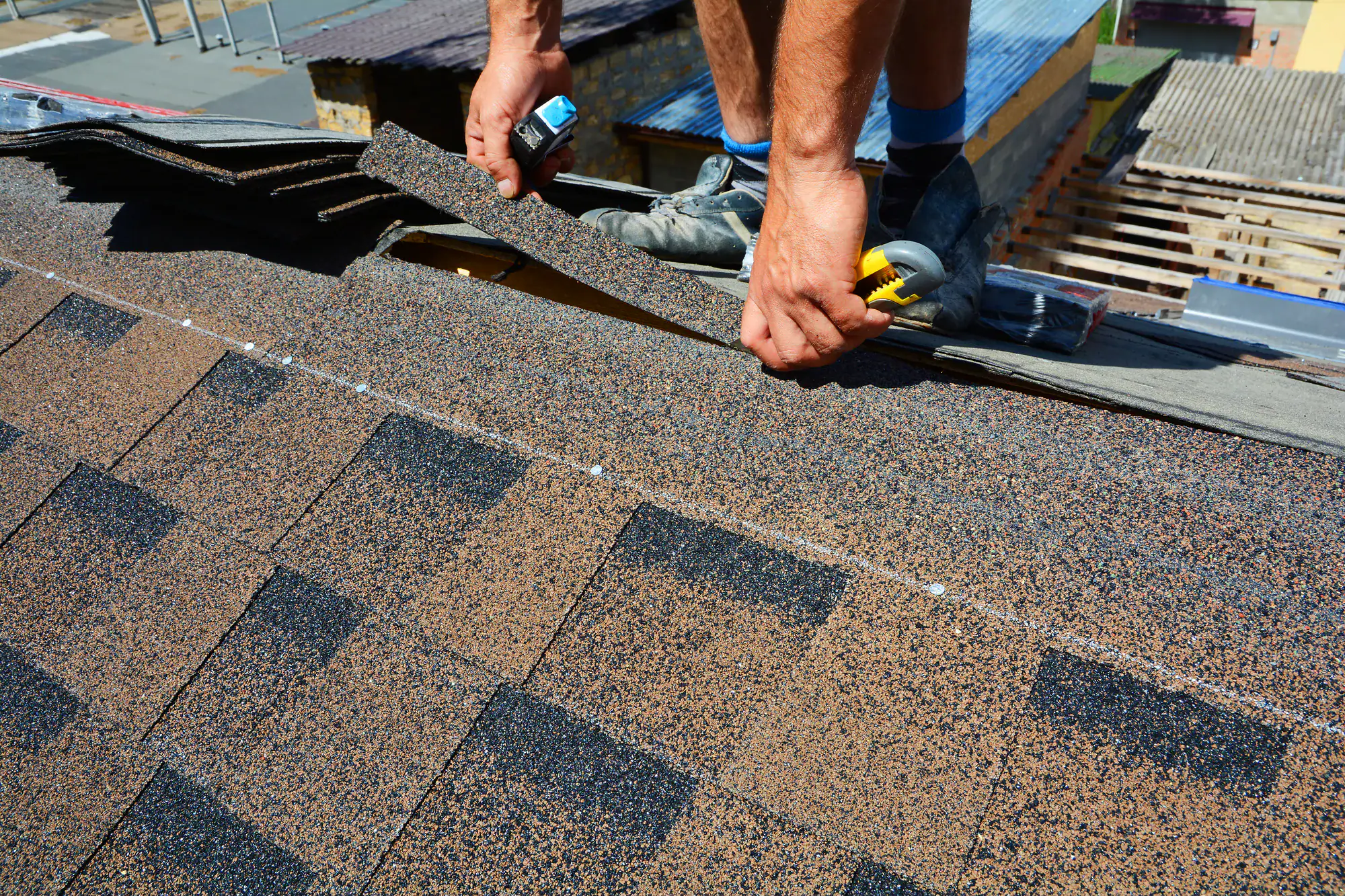
It starts with a free roof inspection. A real one — documented, with findings you can actually use, whether that’s for an insurance claim, a pre-sale disclosure, or just knowing where things stand. For seasonal property owners who aren’t in Slaughter Beach year-round, this inspection is especially useful before you close up for the winter or after you return in the spring to assess what the off-season left behind.
From there, you get a written estimate with the scope clearly laid out. No vague line items, no materials left unspecified. For bayfront properties in Slaughter Beach, that means the estimate reflects the actual environment — wind-rated shingles appropriate for bay exposure, corrosion-resistant flashing and fasteners, and proper underlayment for a home that sees storm-driven moisture from the Delaware Bay side.
Permitting in Slaughter Beach is more involved than a standard inland job. You’ll need a town building permit, a Sussex County building permit, and depending on your property’s proximity to the bay or wetlands, potentially a DNREC approval before the town will issue its permit. The town’s Building Official also serves as the Flood Zone Manager — which tells you something about how seriously the regulatory environment takes construction compliance here. We know how to navigate that process so you’re not chasing paperwork across three agencies on your own.

Ready to get started?
We cover the full range of residential and commercial roofing — replacement, installation, repair, emergency repair, inspections, and maintenance. On the residential side, that includes asphalt shingles, metal roofing, slate, rubber, clay tile, and cool roof options. For commercial properties, we handle EPDM and TPO flat roofing systems. Beyond the roof itself, we also do siding, gutters, windows, and skylights — which matters for Slaughter Beach homeowners dealing with salt air damage across the entire exterior, not just the roof plane.
We offer emergency service 24/7. When a nor’easter rolls up the bay and pulls flashing loose at midnight, that availability is the difference between a contained repair and a ceiling full of water by morning. DNREC has formally documented that Slaughter Beach experiences storm surge flooding from nor’easters and tropical storm remnants — this isn’t a hypothetical risk, it’s a recurring condition that makes emergency response availability a real consideration when choosing a contractor.
Financing is available for larger projects, and every job starts with a free estimate. For homeowners dealing with storm damage, we work directly with insurance providers to help navigate the claims process — useful in any situation, and especially so when you’re managing a Slaughter Beach property from a distance and need someone local handling the details on the ground.

Yes, and it’s worth understanding before work starts. Roofing projects in Slaughter Beach typically require both a town building permit and a Sussex County building permit. Depending on where your property sits relative to the bay shoreline, dune systems, or wetland areas, you may also need an approval from DNREC before the town will issue its permit. In some cases, Army Corps of Engineers involvement is required as well.
The town’s Building Official handles both building permits and the Flood Zone Ordinance — a dual role that reflects just how seriously coastal construction compliance is taken here. Unpermitted work in a flood zone community can create real problems: voided insurance coverage, complications when you go to sell the property, and potential liability. Working with us means you get the right permits pulled from the start, which protects you from those headaches down the road.
Salt air is corrosive to metal, and roofs have a lot of metal components — fasteners, flashing, drip edge, ridge vents, gutters. On a bayfront property in Slaughter Beach, those components are exposed to salt-laden air every single day. Standard steel fasteners that would last decades on an inland home can begin corroding in a fraction of that time in a direct bay exposure environment. When fasteners corrode, shingles loosen. When flashing corrodes, it separates from the roof deck and creates gaps where water gets in.
The fix isn’t complicated, but it requires a contractor who actually accounts for the environment. Corrosion-resistant or galvanized fasteners, aluminum or coated flashing, and proper sealing at every penetration point are the baseline for a coastal installation in Slaughter Beach. If a contractor gives you a quote that doesn’t reflect the specifics of your location — or can’t explain what materials they’re using and why — that’s worth pressing on before you sign anything.
This is one of the more common situations for property owners in Slaughter Beach, where a significant portion of homes are occupied seasonally or part-time. The problem with an unoccupied property is that minor roof damage — a few missing shingles after a fall nor’easter, a small flashing gap that lets moisture in — can go unnoticed for months. By the time you return in the spring, what would have been a straightforward repair has had all winter to become something much more involved.
The most practical approach is a documented roof inspection before you close up for the season in the fall, and again when you return in the spring. We offer free inspections with written findings — so you have an actual record of the roof’s condition, not just someone’s word for it. If a neighbor calls you in February to say something looks off, having a contractor two miles away in Milford who can get eyes on the roof quickly — and communicate what we find — is exactly the kind of backup a seasonal property owner needs.
For asphalt shingles, algae-resistant options are the practical choice in Slaughter Beach’s environment. The high humidity coming off Delaware Bay creates ideal conditions for Gloeocapsa magma — the algae responsible for the dark streaking you see on roofs throughout the area. Algae-resistant shingles use copper-infused granules to inhibit that growth, which extends the life of the shingle and keeps the roof looking the way it should. This isn’t an upgrade for aesthetics — it’s a functional decision based on what the local environment actually does to standard shingles.
For wind resistance, shingles with higher uplift ratings and installation using a six-nail pattern (rather than the standard four) provide meaningful additional holding power for homes with direct bay exposure. Metal roofing is another option worth considering for bayfront properties — properly specified metal roofs can last significantly longer than asphalt in coastal conditions and handle wind loads well. The right material depends on your specific property, budget, and how long you intend to own the home, which is worth walking through during a free estimate conversation.
After a storm causes roof damage, the general sequence is: document everything as thoroughly as possible (photos, video, written notes), contact your insurance provider to open a claim, and arrange for an adjuster to inspect the damage. Where a lot of homeowners run into difficulty is in understanding what the adjuster’s report actually covers, whether the scope of damage is fully captured, and how to make sure the contractor’s repair plan aligns with what insurance is prepared to pay for.
We work directly with homeowners’ insurance providers to help navigate this process. That means helping document damage in a way that supports your claim, communicating with the adjuster, and making sure the approved scope actually addresses what needs to be fixed. For Slaughter Beach property owners who aren’t local full-time — and may be managing a storm damage situation from a distance — having a contractor handle the coordination on the ground is a significant practical advantage. DNREC has formally documented that Slaughter Beach faces recurring storm surge and nor’easter damage risk, so this isn’t an edge case. It’s a realistic scenario for most property owners here over the course of ownership.
It depends on the age of the roof, the extent of the damage, and what the rest of the roof looks like. A targeted repair makes sense when the damage is genuinely isolated — a few shingles lost to wind, a flashing joint that separated — and the surrounding roof is in solid condition with meaningful life left in it. In that case, a good repair buys you real time and costs a fraction of a full replacement.
Where repair gets complicated is when the damage is a symptom of a roof that was already close to the end of its useful life. Patching a 20-year-old asphalt shingle roof that has widespread granule loss, cracked seals, and compromised underlayment doesn’t change the underlying condition — it just delays the inevitable while the rest of the roof continues deteriorating. In Slaughter Beach’s environment specifically, where salt air and humidity accelerate wear, a roof that looks marginal from the ground may be in worse shape than it appears. A documented inspection gives you an honest picture of what you’re actually working with, which is the only way to make a repair-versus-replace decision that holds up over time.
Other Services we provide in Slaughter Beach