
Hear from Our Customers
The neighborhoods surrounding Rodric Village were built out heavily in the 1950s and 1960s. That housing stock is solid, but roofs don’t last forever. If your home is 60 years old and has had one or two roofs installed since original construction, there’s a real chance the current one is approaching the end of its useful life.
Kent County’s climate is unforgiving. You get freeze-thaw cycles in January that crack shingles and weaken seals, humid summers that accelerate algae growth along the roofline, nor’easters in the fall and spring that drive rain sideways into every gap, and occasional tropical storm remnants pushing through with gusts over 70 mph.
When the work is done right, what you get is straightforward: a roof that doesn’t leak, doesn’t surprise you, and doesn’t become a problem you’re managing every season. You also get documentation — a professional assessment that gives you a clear picture of your home’s condition, which matters whether you’re planning to stay for decades or thinking about selling.
First State Roofing & Exteriors Co. is a family-owned roofing and exteriors contractor based in Delaware, with over 22 years of hands-on experience across Kent and Sussex counties. Rodric Village sits squarely in the middle of our core service territory — the same south Dover residential cluster that includes Pennwood, Laurel Bend, Kent Acres, and Rising Sun-Lebanon. This isn’t a company stretching to cover a zip code we don’t know. These are communities we’ve worked in for more than two decades.
Because Rodric Village is unincorporated, roofing permits run through Kent County rather than a local municipal building department. That’s a detail that matters more than most homeowners realize — out-of-town contractors frequently skip the permit process in unincorporated areas, leaving you with work that isn’t code-compliant and warranties that don’t hold up. We’re verified through the Delaware Division of Professional Regulation, pull the proper permits, and manage every project in-house. No subcontracting, no accountability gaps, no strangers on your roof who weren’t part of the original conversation.
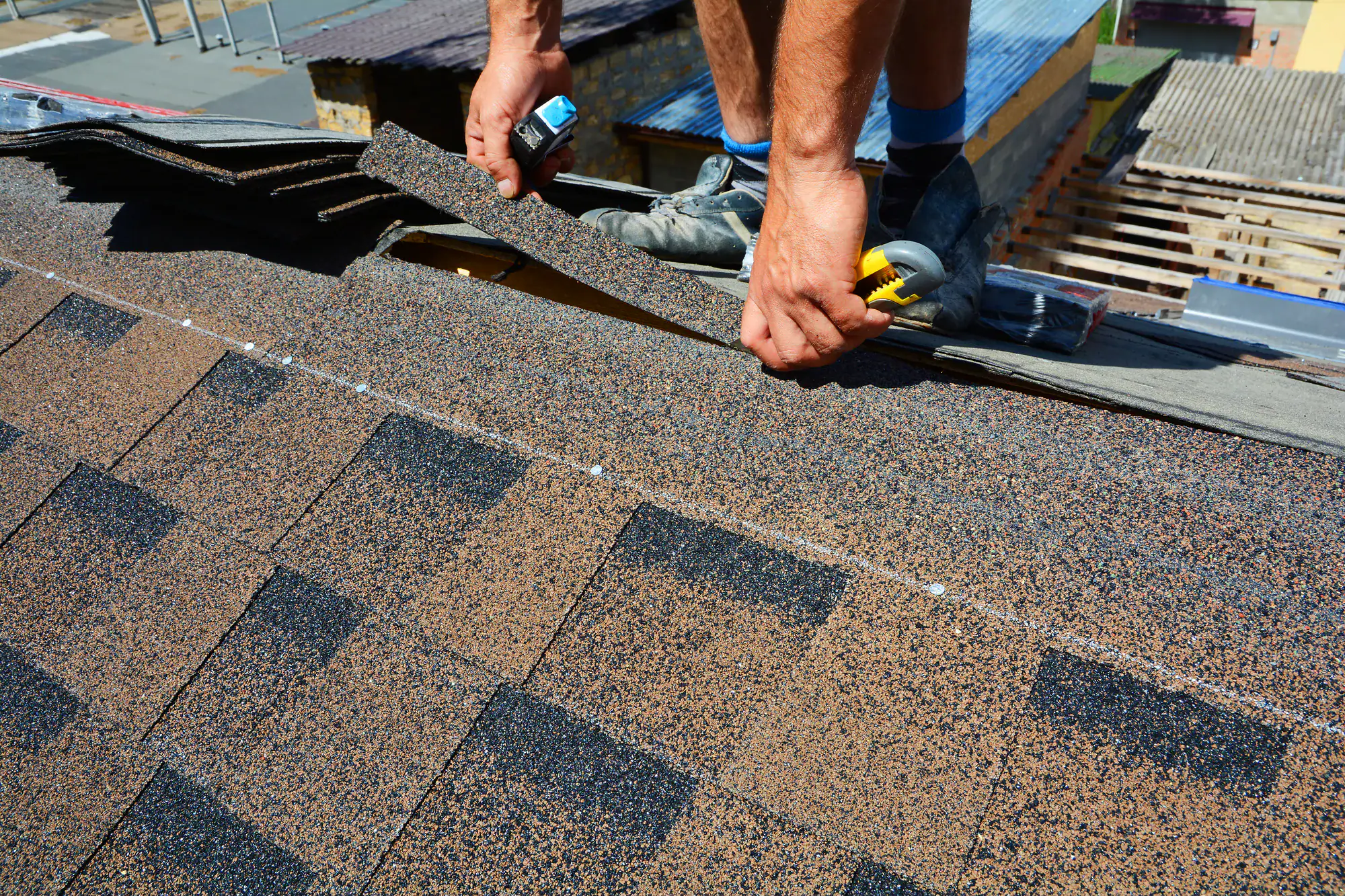
It starts with a free inspection. A member of our team comes out, gets on the roof, and gives you an honest assessment of what’s there — shingles, flashing, decking, ventilation, all of it. For homes in the Rodric Village area, that inspection often turns up things that aren’t visible from the street: algae growth that’s been quietly degrading the shingles, flashing that’s lifted after years of freeze-thaw cycles, or decking that’s soft in spots from moisture that got in before anyone noticed.
You get a written estimate that spells out exactly what the work involves and what it costs. No vague language, no line items you have to guess at.
If the damage is storm-related, we work directly with your insurance provider to simplify the claims process. Delaware sees nor’easters and tropical storm remnants regularly enough that this isn’t an edge case — it’s a service we use often. Once the project is approved and scheduled, our crew handles everything from start to finish. Because Rodric Village falls under Kent County’s permitting jurisdiction, permits are pulled through the county before work begins — not after, not skipped.
The job gets done, the site gets cleaned up, and you’re not left with a dumpster in the driveway and a list of things to follow up on.
Ready to get started?
We handle the full range of residential and commercial roofing work: roof replacement, roof repair, emergency roof repair available around the clock, roof inspections, and ongoing maintenance. On the materials side, that includes asphalt shingles — the most common choice for Kent County homes — along with metal roofing, EPDM, TPO for commercial applications, slate, and more.
For Rodric Village homeowners dealing with the algae streaking that’s common on older roofs in Delaware’s humid climate, algae-resistant shingles are worth discussing specifically — they’re not an upsell, they’re a practical choice for this environment.
Beyond roofing, we cover siding installation, gutter installation and repair, windows, and skylights. For a home in the south Dover area that’s been through 60 years of weather, it’s common for multiple exterior systems to need attention around the same time. Being able to address roofing and gutters together — or siding and roofing in a single project — means one contractor relationship, one schedule, and no coordination headaches between separate crews.
Financing is available for larger projects, which matters in a community where a full roof replacement is a significant household expense. Free estimates are always included. If you’re not sure whether you need a repair or a full replacement, the inspection will tell you — and the answer won’t be padded to sell you something bigger than what’s actually needed.

The honest answer is that you often can’t tell from the ground, and that’s exactly why a professional inspection matters. Shingles can look intact from the street while the flashing around chimneys or vents has been compromised, or the decking underneath has absorbed moisture over multiple seasons.
In the south Dover area, where a lot of the housing stock dates back to the 1950s and 1960s, it’s not unusual to find a roof that’s had two or three layers of shingles put on over the years — and at that point, a repair isn’t always the right call even if the visible damage looks minor.
A good rule of thumb: if your roof is 20 years or older and you’re seeing granules in the gutters, curling or cupping at the shingle edges, or dark streaking from algae growth, it’s worth getting a professional assessment before the next nor’easter makes the decision for you. We provide free inspections, so there’s no cost to getting a clear answer. The inspection will tell you specifically what’s failing, what’s fine, and what the realistic options are — repair, partial replacement, or full replacement — with a written estimate for whatever direction makes sense.
It depends on the policy and the cause of the damage, but storm-related roof damage — wind, hail, falling trees — is typically covered under standard homeowner’s insurance. What trips people up is the documentation and claims process. Insurance adjusters assess damage on their own timeline, and without a contractor who knows what to look for and how to communicate it, homeowners sometimes end up with a settlement that doesn’t fully cover the actual scope of the work needed.
Delaware sees enough nor’easters and tropical storm remnants that storm damage claims are a regular part of the roofing business here, not an occasional exception. We work directly with homeowners’ insurance providers to help document the damage accurately and navigate the claims process. That means you’re not trying to figure out the paperwork on your own while also dealing with a damaged roof.
If you’ve had recent storm damage in the Rodric Village area and aren’t sure whether to file a claim, a free inspection is a good first step — it gives you documented evidence of what’s actually there before you make that call.
For most residential homes in the Rodric Village area, architectural asphalt shingles are the practical choice — they’re durable, cost-effective, and widely available with strong manufacturer warranties. The specific detail that matters for this part of Delaware is algae resistance. Gloeocapsa magma, the bacteria responsible for the dark streaking you see on a lot of older roofs in the area, thrives in Delaware’s humid conditions.
Algae-resistant shingles — typically embedded with copper granules — are worth the modest price difference because they hold up significantly better over time in this environment.
For homeowners looking at longer-term options, metal roofing can last up to 50 years and handles freeze-thaw cycles well without the cracking and seal degradation you get with asphalt over time. It’s a higher upfront cost but a lower long-term maintenance burden. The right material choice also depends on your roof’s pitch, the existing structure, and your budget — which is exactly what the inspection and estimate conversation is designed to work through.
Because Rodric Village is an unincorporated community, it doesn’t have its own municipal building department. Roofing permits for work done here fall under Kent County’s jurisdiction — specifically the Kent County Levy Court’s Department of Planning Services, which administers building permits for unincorporated areas of the county.
This is a detail that matters more than most homeowners realize, because it’s also the detail that unlicensed or out-of-town contractors most frequently skip. When a contractor doesn’t pull the proper permit, the work isn’t officially inspected, which means it may not meet Delaware’s adopted building code standards for roofing — things like underlayment requirements, ventilation standards, and wind resistance ratings.
If you ever sell your home or file an insurance claim and it comes out that permitted work was done without a permit, you’re the one holding the problem. We handle the permitting process as part of the project — it’s not something you need to manage or follow up on. The permit gets pulled before work begins, not after.
For a standard single-family home in the Rodric Village area, a full roof replacement is typically completed in one day. That’s assuming normal conditions — a straightforward tear-off of existing shingles, no significant decking damage discovered during the process, and weather that cooperates. Our crew arrives, removes the old material, installs new underlayment and shingles, and cleans up before they leave.
Verified reviews from our customers specifically call out the one-day completion and clean worksite as things that stood out.
Where timelines can extend is when the inspection reveals decking that needs to be replaced — soft spots from moisture intrusion are not uncommon in older homes in this area — or when a project involves additional exterior work like gutters or siding at the same time. Emergency repairs, which are available around the clock, are a different situation: the priority there is securing the roof to stop active water intrusion as quickly as possible, with full replacement or repair work scheduled once the immediate problem is contained.
Either way, you’ll know the timeline before work begins, not after.
The practical reason is accountability. A contractor who has been operating in Kent County for over 22 years has a reputation that travels in this community. In established residential areas like the south Dover cluster — Rodric Village, Pennwood, Laurel Bend, Kent Acres — neighbors talk, and word of mouth is still one of the most reliable ways a contractor builds or loses business.
A company that does poor work or disappears after payment doesn’t survive two decades in a market like this. We carry a 5.0-star rating across 63+ verified reviews, are BBB accredited, and are verified through the Delaware Division of Professional Regulation.
The other reason is local knowledge. Delaware’s climate, Kent County’s permitting process, the specific challenges of mid-century housing stock in the south Dover area — these aren’t things you learn from a corporate training manual. They come from years of working on the actual roofs in these actual neighborhoods. That combination — local roots, verifiable credentials, and a documented track record — is what separates a contractor you can rely on from one you’re hoping works out.
Other Services we provide in Rodric Village