
Hear from Our Customers
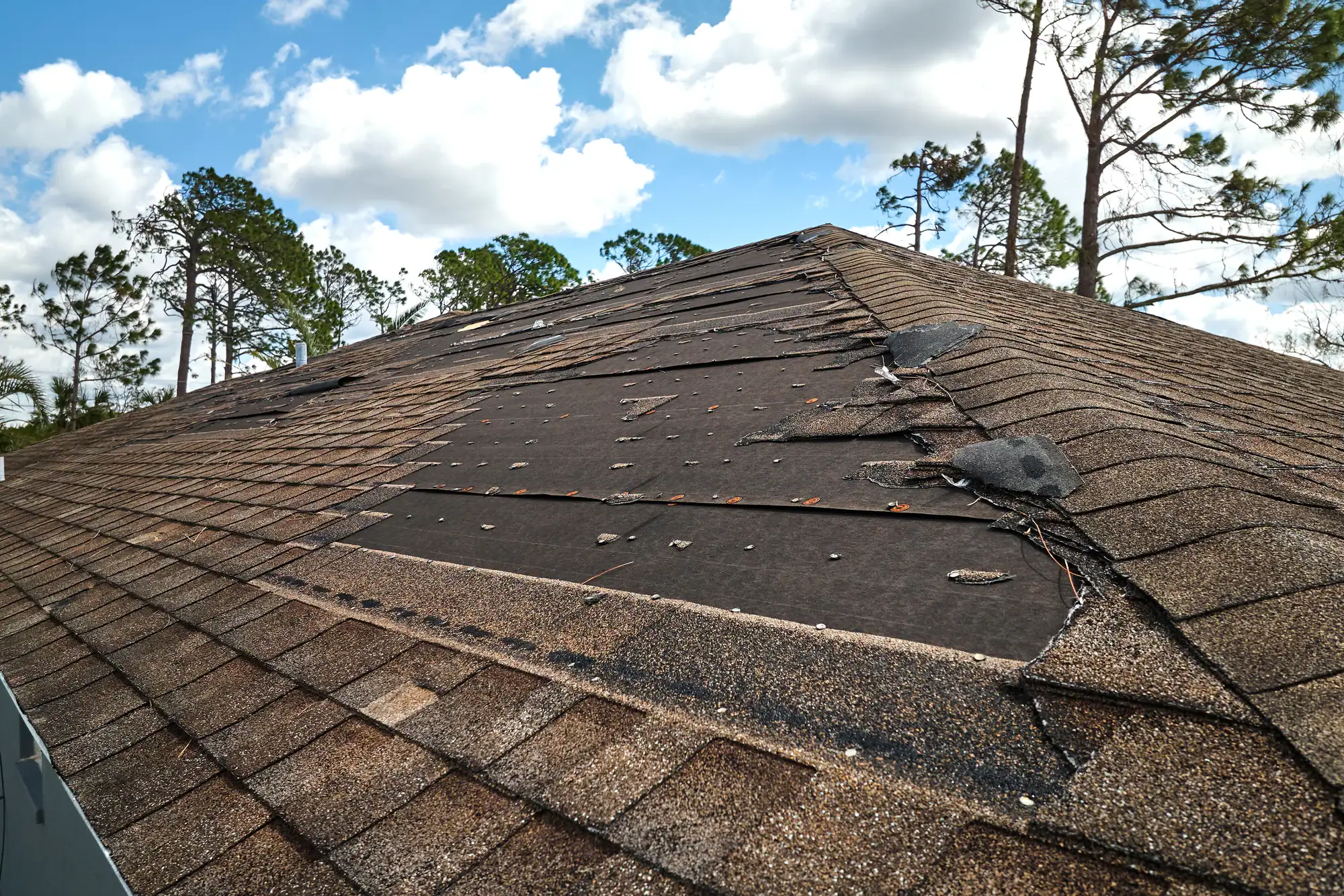
A properly repaired roof is not something you think about. That’s the point. No more watching the ceiling after a nor’easter rolls up from the Nanticoke River watershed. No more wondering if that dark spot in the corner is getting bigger. You get back to your life, and your home holds up the way it’s supposed to.
Green Briar’s humid subtropical climate means there is no dry season here. Rainfall is consistent year-round, and the ambient moisture levels in this part of western Sussex County are higher than most inland Delaware communities. That sustained humidity is hard on roofing systems—it accelerates granule loss, promotes algae and lichen growth on shingle surfaces, and quietly degrades flashing and underlayment long before you see any interior signs. A repair that accounts for those conditions is built differently than a generic patch job.
For homeowners in Green Briar’s established neighborhoods—homes built in the 1980s, 1990s, or mid-2000s—the stakes are real. A 2006-built home here is nearly 20 years old, approaching the threshold where architectural asphalt shingles start to fail in ways that aren’t visible from the street. Getting ahead of that with a proper inspection and targeted repair means you’re protecting the equity you’ve built, not just plugging a hole.
First State Roofing & Exteriors Co. is a family-owned roofing contractor based in Delaware, and we’ve been doing this work across Kent and Sussex counties for over 22 years. We hold GAF Master Elite Contractor status—a certification that puts us in the top 2% of roofers in the country and gives our customers access to GAF’s strongest available warranties, including the Golden Pledge® Limited Warranty covering both materials and workmanship.
Green Briar sits outside Seaford’s city limits in unincorporated Sussex County, which means roofing work here falls under the Sussex County Building Code Office—not the city’s code department. We know that distinction, we handle the permit process correctly, and we document everything. That matters at resale. It matters to your lender. And it matters when you’re filing an insurance claim after a storm.
Every job we take on is handled by our own trained, insured crew from start to finish. No subcontractors. The people we send to your home on day one are the same people who finish the job. Our 5.0 Google rating from 63-plus verified reviews reflects what that consistency actually looks like in practice.
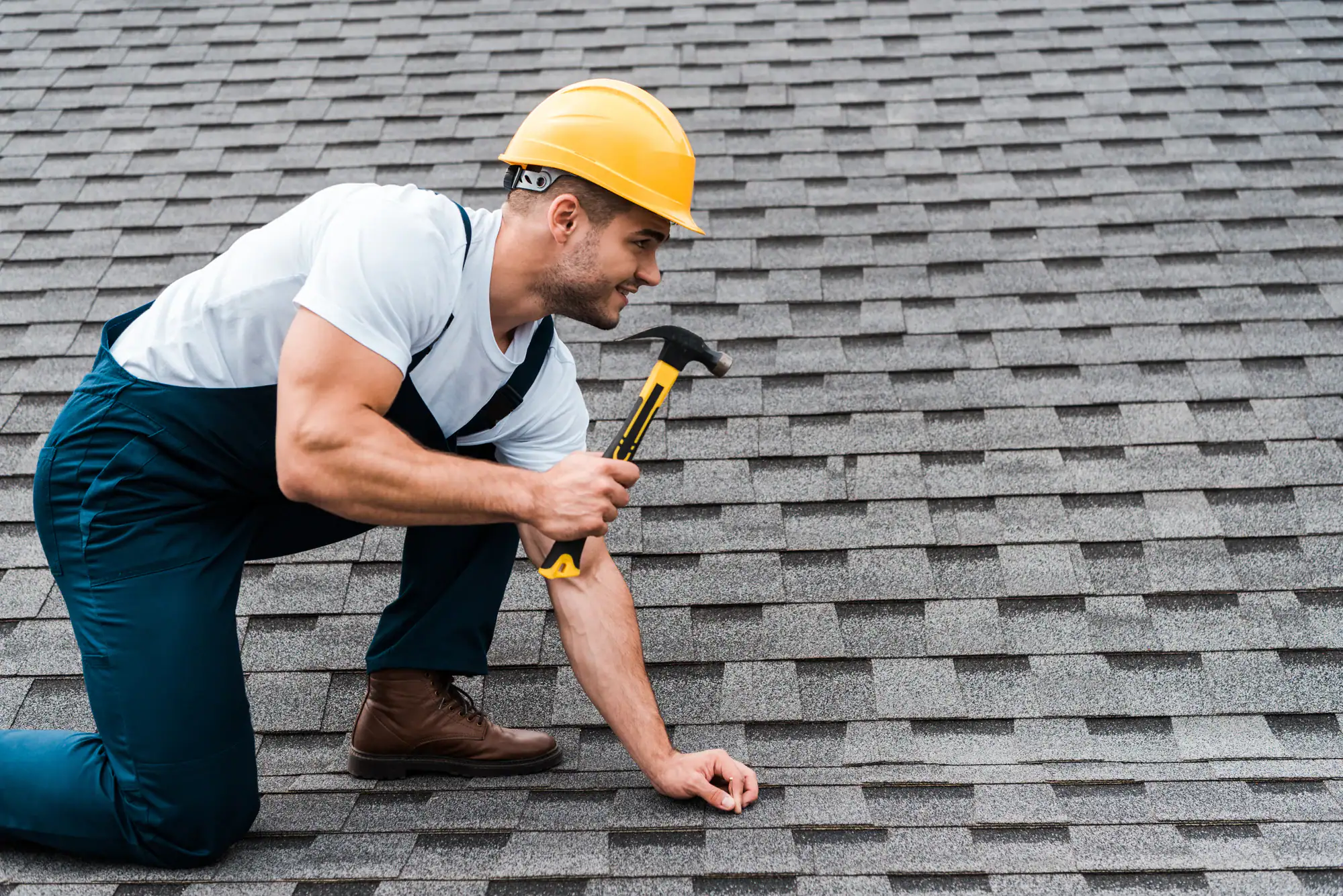
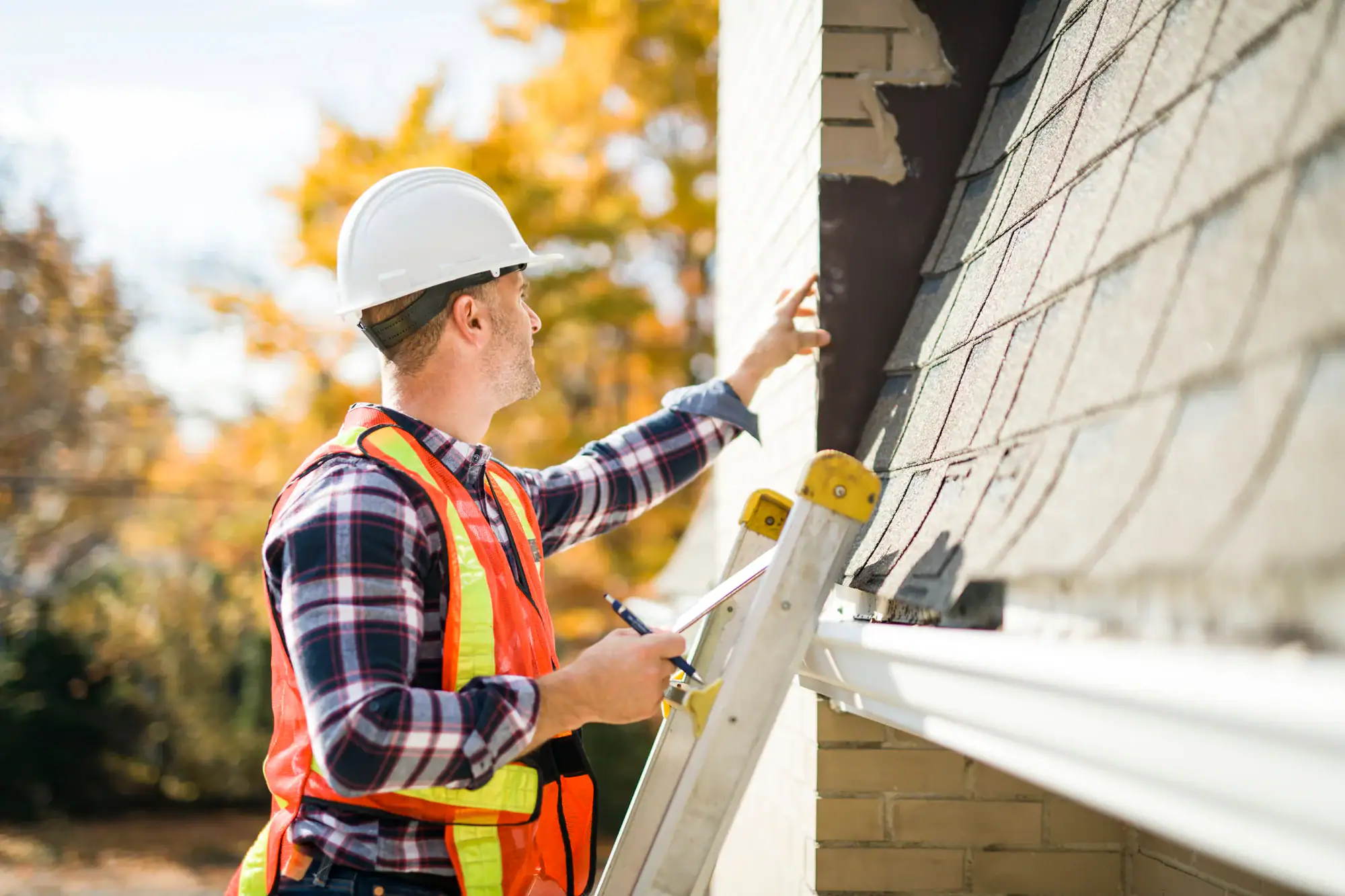
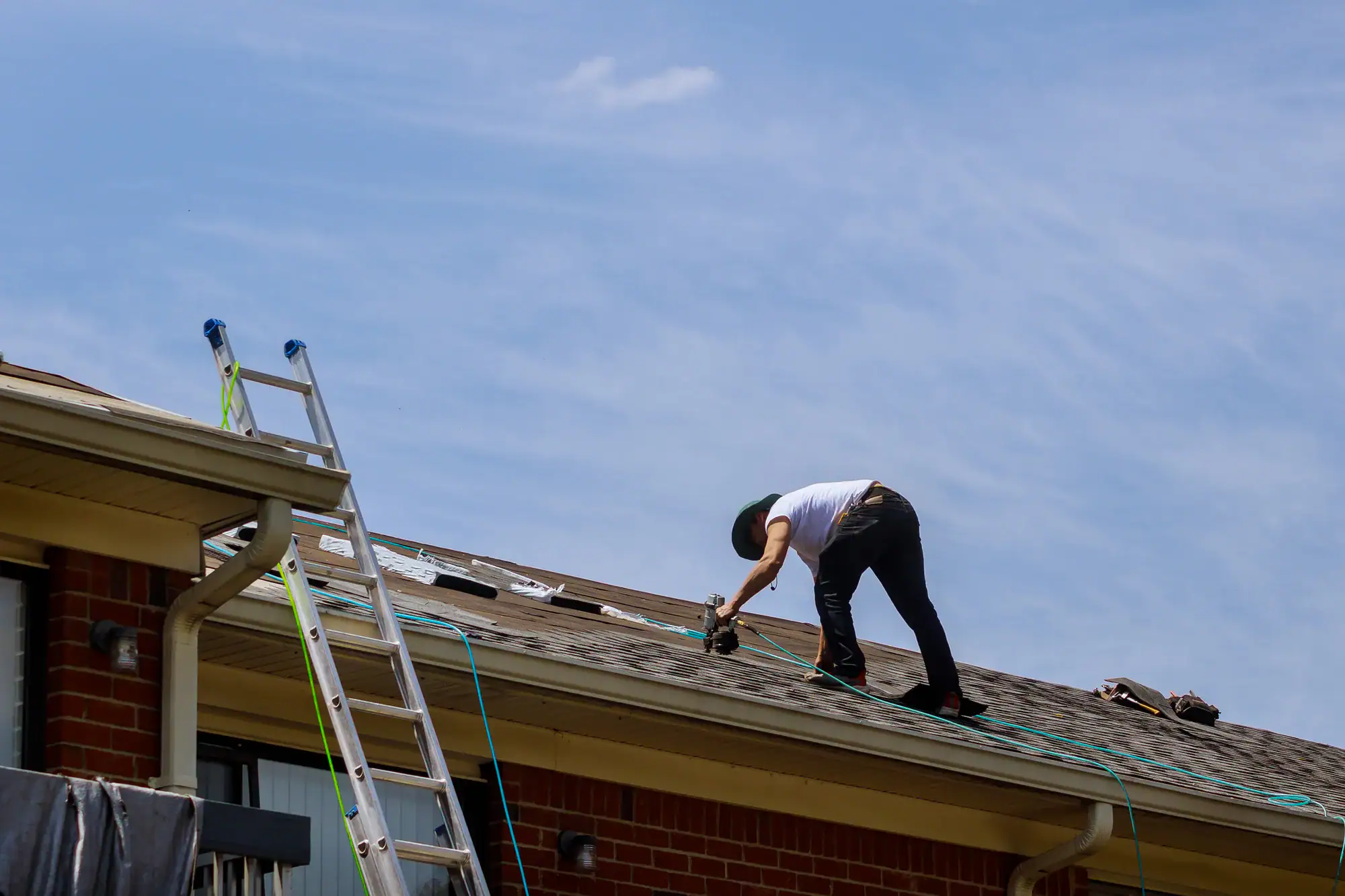
It starts with a free inspection. We come out, get on the roof, and look at what’s actually happening—not just what’s visible from your driveway. In Green Briar, where crawl space foundations are common and freeze-thaw cycles put real mechanical stress on roofing systems every winter, that inspection goes deeper than a surface check. We’re looking at flashing conditions, underlayment integrity, fastener performance, and any signs of moisture infiltration that the last cold snap may have widened.
After the inspection, you get a clear written scope of what needs to be done and why. If it’s a repair, we tell you it’s a repair. If the roof is closer to the end of its useful life and replacement makes more financial sense, we’ll tell you that too—honestly, with the reasoning behind it. No pressure, no upsell.
Once the work is scheduled, our crew handles everything: materials, installation, cleanup, and permit filing with the Sussex County Building Code Office. We don’t leave debris, nails, or materials on your property. When we’re done, the job site looks like we were never there—which, based on what our customers consistently say in reviews, is exactly what they were hoping for. If your damage was storm-related, we can also walk you through the insurance claims process so you’re not navigating that alone.
Ready to get started?
Roof repair in Green Briar covers a wide range of issues, and the right fix depends on what your specific home actually needs. Common repairs include flashing replacement around chimneys, skylights, and valleys—areas that take the most abuse from wind-driven rain in this part of the Delmarva Peninsula. We also handle shingle repair and replacement, leak diagnosis and sealing, gutter system repairs, and emergency work when a storm has created an immediate vulnerability.
Because Green Briar’s housing stock spans from 1958-era construction all the way to homes built in 2020 and beyond, we approach every job with the understanding that no two roofs here are the same. An older home on Green Briar Road and a newer build on Green Briar Way may share the same zip code but face very different repair needs. The inspection process accounts for that—material age, installation quality, ventilation performance, and how the home’s crawl space foundation interacts with the roof system during temperature swings.
For homeowners dealing with storm damage, our insurance claims assistance is part of the service. We document the damage thoroughly, provide the documentation your adjuster needs, and help you understand what your policy should cover. Financing is also available for repairs that fall outside what insurance addresses, so a damaged roof doesn’t have to sit and worsen while you sort out the budget.
Yes, and this is one of the most important things to get right before any roofing work starts. Green Briar sits outside Seaford’s incorporated city limits, which places it under the jurisdiction of the Sussex County Building Code Office rather than the City of Seaford’s code department. Sussex County requires building permits for roofing work in unincorporated areas, and skipping that step creates real problems—it can void your manufacturer warranty, create disclosure issues when you sell the home, and in some cases create liability with your mortgage lender.
We handle the Sussex County permit process as a standard part of every project. We’re properly registered with Delaware’s Department of Labor and Division of Revenue, and we meet all requirements for contractor work in unincorporated Sussex County, including the non-resident contractor compliance provisions under Delaware Title 30. You don’t have to chase down paperwork or figure out the county’s process—we take care of it, and we document everything.
The honest answer is that it depends on a few specific factors—the age of the roof, the extent of the damage, and how much of the surface is affected. A useful rule of thumb in the industry is the 30% threshold: if more than 30% of your roof needs work, replacement often makes more financial sense than repair over time. But that calculation also depends on the age of the system. Architectural asphalt shingles—the most common roofing material in Green Briar—are typically rated for 25 to 30 years, but in a humid subtropical climate with sustained coastal plain moisture, actual performance can fall short of that if the roof hasn’t been maintained.
For homes in Green Briar’s established section built in the 1980s or 1990s, a roof that’s been in place for 25-plus years is likely past the point where repair is the smarter investment. For a 2006 or 2008-built home, you’re in a gray zone—the roof may have years left, or it may have reached the point where targeted repair is the right call. A proper inspection is the only way to know. We’ll give you an honest assessment of both options, with the reasoning behind the recommendation, so you can make the decision that actually makes sense for your home and your budget.
Western Sussex County gets a full range of weather events—nor’easters, high winds, hail, and sustained wind-driven rain from storms tracking up the Delmarva Peninsula. In Green Briar specifically, the most common damage we see after those events falls into a few categories. Lifted or missing shingles are the most visible, but they’re often not the most serious. Flashing failures—around chimneys, skylights, valleys, and roof penetrations—are where most leaks actually originate, and they’re frequently missed because the damage isn’t obvious from ground level.
Wind-driven rain is particularly effective at finding gaps in flashing that were already slightly compromised. A flashing seal that was holding fine in calm conditions can fail entirely when rain is hitting the roof at a horizontal angle during a storm. We also see a lot of damage from freeze-thaw cycles in the winter months—water infiltrates small gaps, freezes, expands, and forces those gaps wider. In Green Briar, where many homes are built on crawl space foundations, that temperature differential between the interior and the roof deck can make freeze-thaw damage more pronounced than in slab-on-grade construction. A post-storm inspection is the only reliable way to find all of it.
It depends on the cause of the damage, the age of your roof, and the specific terms of your policy—but storm damage from wind, hail, and related events is generally covered under standard homeowners insurance policies in Delaware. The challenge is in the documentation and the claims process. Insurers require clear evidence that the damage was caused by a covered event, and adjusters sometimes underestimate the scope of damage, especially when the most significant issues aren’t visible from a surface inspection.
This is where having a contractor who helps with the insurance process makes a real difference. We document damage thoroughly—photographs, written assessments, and the detail level that adjusters need to process a claim accurately. We’ve worked through storm damage claims across Sussex County and know what documentation holds up. We won’t tell you that insurance will cover everything, because every policy is different, but we’ll make sure you have the strongest possible case for what should be covered. If there’s a gap between what insurance pays and what the repair costs, financing is available to bridge it.
Most roof repairs—flashing replacement, shingle repair, leak sealing—are completed in a single day. More extensive repairs involving larger sections of the roof or decking issues can run two to three days. The timeline depends on the scope of the work, the condition of the underlying deck once we get into the repair area, and weather. In Green Briar, we try to schedule work during windows of dry weather, particularly in the spring and fall when nor’easters and afternoon storms can create scheduling complications.
Permit processing through the Sussex County Building Code Office adds some lead time to the front end of the project, but we handle that as part of our standard process so it doesn’t create delays on your end. Once the permit is in place and materials are staged, the crew shows up and works through the job without handoffs or scheduling gaps. You won’t have a crew show up for half a day and then disappear for a week—the job gets done, the site gets cleaned up, and you know exactly where things stand at every step.
Green Briar sits on the Atlantic Coastal Plain in the Nanticoke River watershed, and that geographic position creates ambient humidity levels that are consistently higher than what you’d find in inland Delaware communities. The climate here is classified as humid subtropical—meaning significant rainfall every month of the year with no real dry season. That sustained moisture exposure does specific things to a roofing system over time.
Shingle granules, which protect the asphalt layer beneath from UV degradation, erode faster in high-humidity environments. Algae and lichen growth—the dark streaking you sometimes see on roofs—isn’t just cosmetic. Lichen in particular has root-like structures that physically break down shingle material as it grows. Flashing sealants also degrade faster under constant moisture cycling. What this means practically is that a roof in Green Briar may show signs of wear at 18 to 20 years that a roof in a drier climate might not show until 23 or 25 years. Regular inspections—every few years once your roof is past the 15-year mark—are the most cost-effective way to catch those issues before they become structural problems rather than surface repairs.
Other Services we provide in Green Briar