Understanding When Homeowners Insurance Covers Roof Replacement
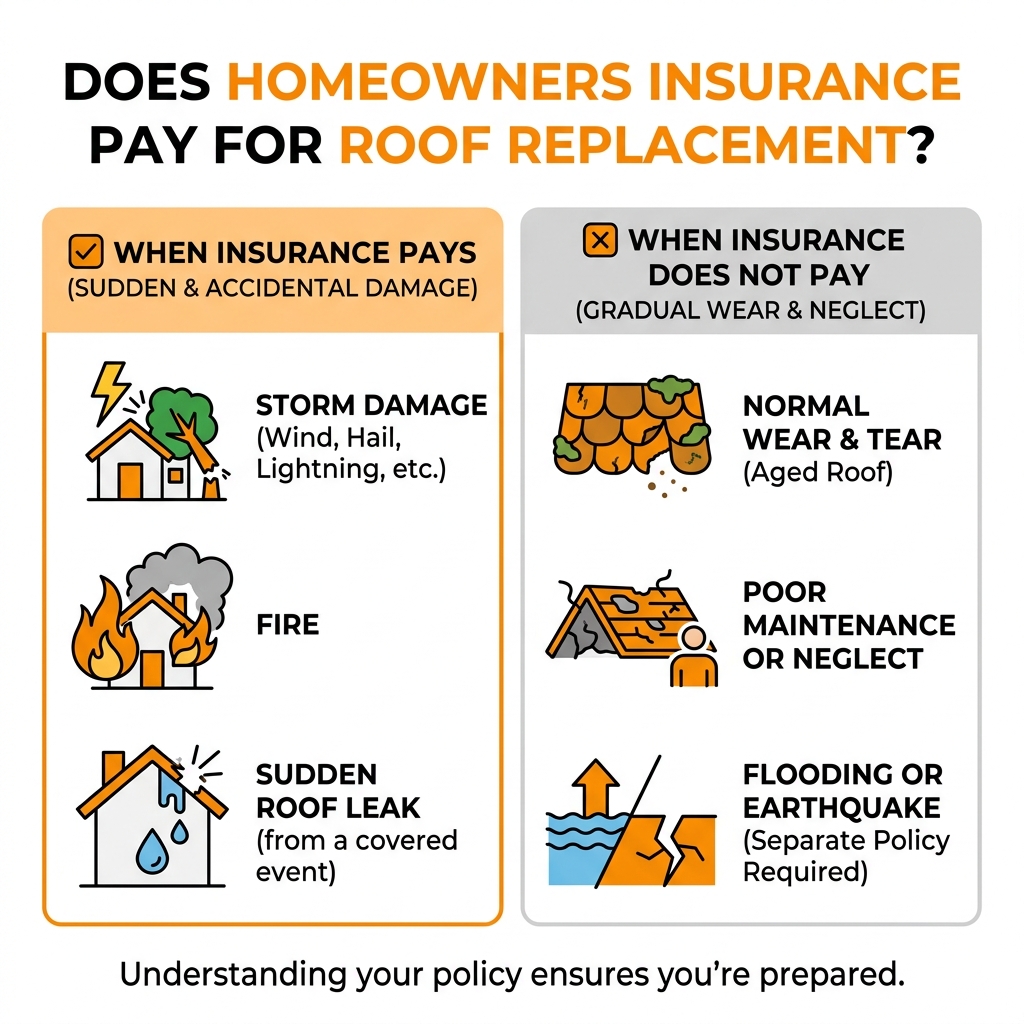
Does homeowners insurance cover roof replacement? Yes – when the damage is caused by a sudden, covered event such as wind, hail, fire, or a falling tree. It does not pay for damage caused by age, neglect, or normal wear. As Kent and Sussex County, DE roofing and exterior experts, we know that understanding how these claims work is essential for protecting your home and avoiding costly surprises.
Quick Answer:
| Situation | Covered? |
|---|---|
| Storm damage (wind, hail, lightning) | Yes |
| Fire or falling tree | Yes |
| Sudden roof leak from a covered event | Yes |
| Normal wear and tear | No |
| Old or neglected roof | No |
| Flooding or earthquake | No (separate policy needed) |
A roof replacement is one of the biggest home expenses you can face – the average cost runs around $9,520 to $11,500. When a storm rolls through Kent and Sussex County, DE and leaves your home exposed, knowing whether your insurance will step in can make all the difference.
The catch is that insurance policies are not always straightforward. Coverage depends on the cause of the damage, the age of your roof, and whether you have kept up with basic maintenance. If any one of those factors works against you, your claim could be denied.
I’m Richard McCain, Owner and President of First State Roofing & Exteriors, with over 20 years of hands-on experience helping Kent and Sussex County, DE homeowners navigate roof damage – including working directly alongside insurance professionals on claims related to does homeowners insurance cover roof replacement. I’ve seen what gets claims approved and what gets them denied, and I’ll walk you through exactly what you need to know.
Does homeowners insurance cover roof replacement word roundup:
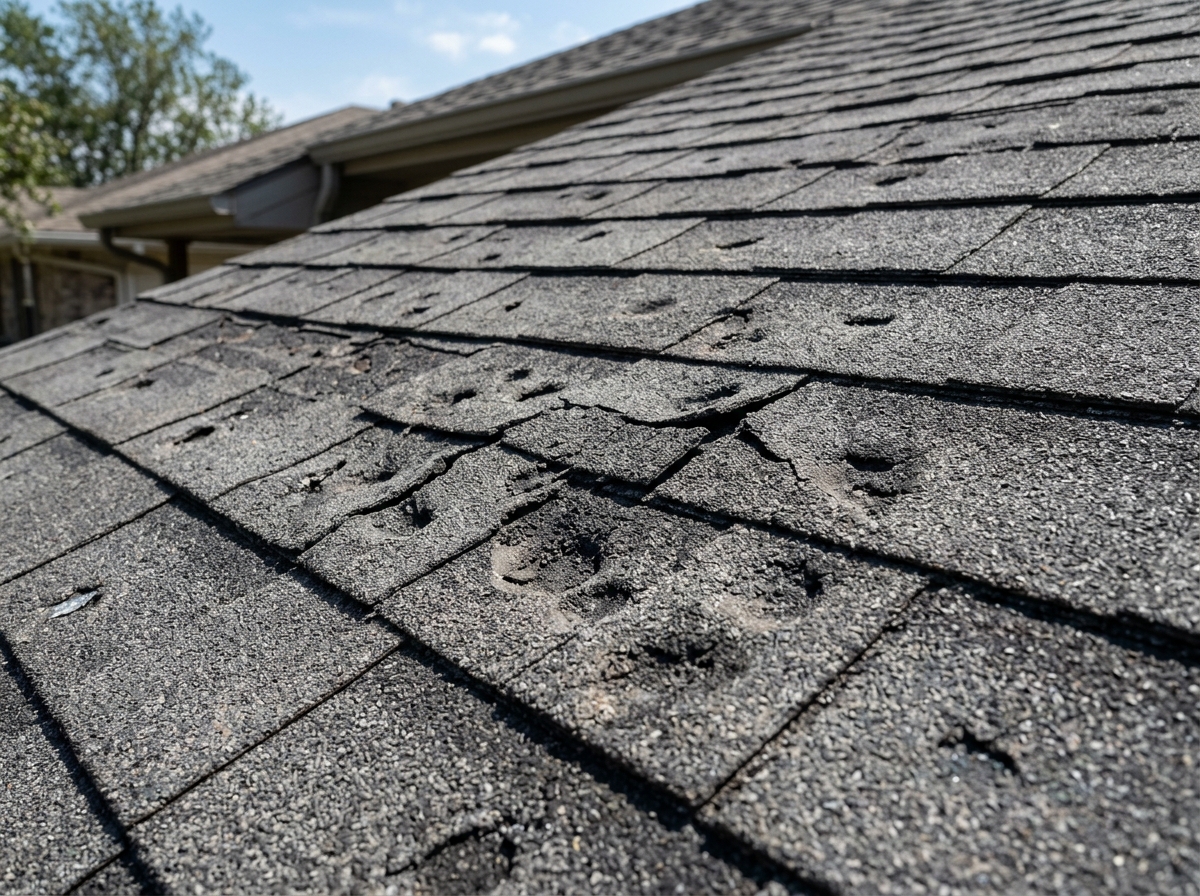
Standard homeowners insurance policies, especially HO-3 and HO-5 forms, typically cover your roof under “Dwelling Coverage” (Coverage A). This protection applies to perils – insurance terms for events – that are sudden, accidental, and unexpected. If a Kent and Sussex County, DE thunderstorm sends a limb through your shingles or a fire damages the roof structure, your policy is generally designed to restore your home to its prior condition.
The most common covered perils include:
- Windstorms: High winds that rip shingles off or lift sections of the roof.
- Hail Impact: Large hailstones that bruise shingles or crack slate and tile.
- Fire and Lightning: Direct strikes or house fires that destroy the roof structure.
- Falling Objects: A tree or heavy debris crashing onto the roof during a storm.
- Weight of Ice and Snow: Structural failure caused by the sheer weight of a winter storm.
According to Investopedia, the distinction between a covered peril and general maintenance is the most frequent point of contention. Insurance is not a maintenance plan; it is a financial safety net for catastrophic or sudden losses. If your roof is damaged by one of these events, we provide professional storm damage repair services to help you document the damage correctly for your provider.
Common Exclusions: Why Your Roof Claim Might Be Denied
Understanding why a claim is rejected is just as important as knowing what is covered. The primary reason for denial is wear and tear. Just like tires on a car, roofs have a finite lifespan. If your 3-tab asphalt shingle roof is 25 years old and starts failing, the insurance company views this as an expected homeownership expense rather than a sudden accident.
Common exclusions include:
- Lack of Maintenance: If moss buildup, clogged gutters, or pest infestations (like squirrels or raccoons) cause the damage, insurance will not pay.
- Manufacturer Defects: Issues stemming from the way the shingles were made are usually handled through manufacturer warranties, not home insurance.
- Improper Installation: If a previous contractor cut corners, your insurer may deny the claim, stating the damage was inevitable due to poor workmanship.
- Earthquakes and Floods: These require separate, specific policies or endorsements.
As noted by Bankrate, maintaining records of your roof’s upkeep can be your best defense during a dispute. If you can prove the roof was in good health before a storm, you are much more likely to get an approval. We help homeowners by identifying roof hail damage and providing the documentation needed to prove the damage was weather-related.
ACV vs. RCV: Calculating Your Insurance Payout
How much you actually receive for a does homeowners insurance cover roof replacement claim depends heavily on your policy type. There are two main ways insurers calculate payouts: Actual Cash Value (ACV) and Replacement Cost Value (RCV).
| Feature | Actual Cash Value (ACV) | Replacement Cost Value (RCV) |
|---|---|---|
| Calculation | Replacement cost minus depreciation | Full cost to replace at today’s prices |
| Age Factor | Payout drops as the roof gets older | Age does not reduce the payout amount |
| Out-of-Pocket | High (you pay the difference) | Low (you only pay your deductible) |
| Premiums | Generally lower monthly cost | Generally higher monthly cost |
The ACV Example: Imagine a 15-year-old roof that costs $15,000 to replace today. If the insurer determines the roof has depreciated by 80%, they might only cut you a check for $3,000. After you pay your $1,000 deductible, you are left with $2,000 to cover a $15,000 job.
The RCV Example: With an RCV policy, the insurer covers the full $15,000 replacement cost. You simply pay your $1,000 deductible, and the insurance company handles the remaining $14,000.
Many insurers shift older roofs (typically those over 20 years old) from RCV to ACV to limit their risk. Understanding these insurance and financing options is vital before you sign a contract for a new roof.
How Roof Age and Maintenance Impact Coverage
Your roof’s age is the single most important factor insurers look at when determining coverage. Inaccurate reporting of roof age costs insurers an estimated $1.31 billion in lost premiums annually, which is why they are becoming much stricter about inspections.
- The 20-Year Rule: Many insurance companies in Kent and Sussex County, DE will refuse to provide RCV coverage—or even a new policy—if the roof is older than 20 years.
- Premium Discounts: On the flip side, a brand-new roof is a major risk reducer. Homeowners with a new roof pay an average of 19% less for insurance than those with a 20-year-old roof. Some discounts range from 5% to 35% depending on the materials used.
- Lifespan Expectations: While asphalt shingles last 15 to 30 years, materials like metal (40-70 years) or slate (75-100+ years) are viewed more favorably by insurers because they are more durable.
To ensure your coverage remains intact, we recommend following our comprehensive roof replacement guide and keeping a file of all maintenance, including gutter cleanings and professional inspections.
Step-by-Step Guide to Filing a Roof Insurance Claim
Filing a claim for does homeowners insurance cover roof replacement can feel overwhelming, but following a structured process increases your chances of a fair settlement.
- Document the Damage: As soon as it is safe, take photos and videos of the roof from the ground. Note the date and time of the storm.
- Contact Your Insurer: Notify your agent immediately. Ask if you have ACV or RCV coverage and what your deductible is.
- Get a Professional Estimate: Before the insurance adjuster arrives, have a trusted roofer perform an inspection. We provide expert roofing services in Seaford, DE and across the state to give you an honest assessment of the damage. First State Roofing & Exteriors offers free estimates; call (302) 222-4065 for a free inspection.
- Meet the Adjuster: The insurance company will send an adjuster to verify the claim. It is often helpful to have your contractor present during this meeting to ensure no damage is overlooked.
- Review the Settlement: Once the adjuster provides an estimate, compare it to your contractor’s quote. If there is a large discrepancy, you can appeal the decision or ask for a re-inspection.
Frequently Asked Questions about Roof Insurance
Will a new roof lower my homeowners insurance premiums?
Yes. Insurers view a new roof as a lower-risk feature because it is less likely to leak or fail during severe weather. In Kent and Sussex County, DE, installing a new roof can earn you a premium discount of 5% to 35%. If you choose impact-resistant shingles rated Class 4, you may qualify for even greater savings. Always notify your agent after a replacement so any eligible discount can be applied.
Does insurance cover roof damage from falling trees?
Typically, yes. If a tree falls because of a covered peril such as wind or lightning, your dwelling coverage usually pays for roof repairs and for removing the tree from the structure. If the tree was dead, rotting, or clearly hazardous for a long time, the insurer may argue the loss was preventable and deny all or part of the claim.
What should I do immediately after discovering roof damage?
Safety comes first – never climb onto a damaged roof yourself. Take steps to prevent additional interior damage, such as using a tarp if it can be done safely, because insurance companies generally expect homeowners to mitigate further loss. Document everything with photos and arrange for a professional roof inspection as soon as possible.
If you suspect storm damage or think it may be time for an upgrade, First State Roofing & Exteriors offers free estimates and free inspections for Kent and Sussex County, DE homeowners. Call (302) 222-4065 for a free inspection.
Conclusion
At First State Roofing & Exteriors, we understand that your roof is your home’s first line of defense. Whether you are dealing with a sudden storm or simply planning for the future, navigating the question of does homeowners insurance cover roof replacement requires a partner you can trust.
As a family-owned Kent and Sussex County, DE company serving homeowners in Dover, Milford, and throughout the state, we pride ourselves on integrity, transparency, and being there for our neighbors 24/7. We don’t just fix roofs; we help you protect your investment. If you suspect damage or need a professional assessment, we are ready to help you through every step of the process. First State Roofing & Exteriors provides free estimates and free inspections—call (302) 222-4065 for a free inspection.