Understanding What Drives Commercial Roof Replacement Costs
The commercial roof replacement cost in 2025 ranges from $6 to $12 per square foot, with premium systems reaching $15 or more. For a standard 20,000-square-foot building, this places the total investment between $120,000 and $240,000. Replacing a commercial roof is one of the largest capital investments a property owner will make, and understanding the variables that determine the final price is essential for strategic planning and budgeting. Prices vary based on materials, labor, building complexity, and regional factors, influencing the total for any office building, retail center, or industrial facility.
Delaware business owners face unique considerations—from coastal wind requirements to local building codes—that directly impact roofing costs. Climate, accessibility, and contractor expertise all play critical roles in determining your investment.
I’m Richard McCain, owner and president of First State Roofing & Exteriors, and in my 20+ years of hands-on leadership, I’ve guided countless Delaware property owners through the commercial roof replacement cost planning process. My team and I specialize in delivering transparent estimates and durable, code-compliant solutions custom to our regional climate and your specific building needs.
Our company gives free estimates. For a precise, no-obligation assessment of your property, call (302) 222-4065 for a free inspection today.
Terms related to commercial roof replacement cost:
Average Commercial Roof Replacement Cost in 2025
The national average for a commercial roof replacement cost falls between $6 and $12 per square foot. This range can be broken down into three primary system tiers based on materials, installation complexity, and performance.
When breaking down these costs further, we can categorize them by system type:
- Basic / Low-End Systems: These systems cost between $4–$6 per square foot. This tier typically includes simple roof overlays (where code permits) or systems with minimal insulation, chosen for their low initial investment.
- Mid-Range Systems: These systems cost between $7–$10 per square foot. This range covers the most common materials like TPO and EPDM and involves a standard tear-off of the old roof. They provide a balance of durability and cost-effectiveness.
- High-End Systems: Premium systems cost $11–$15+ per square foot. This tier includes materials like PVC or metal, or projects requiring a full tear-off with upgraded insulation and complex architectural work. These systems offer the greatest longevity, performance, and energy efficiency.
These figures are averages. The final price you receive will be custom to your specific building’s needs, the chosen materials, and the unique challenges of the installation process.
Key Factors That Determine the Price of a New Commercial Roof
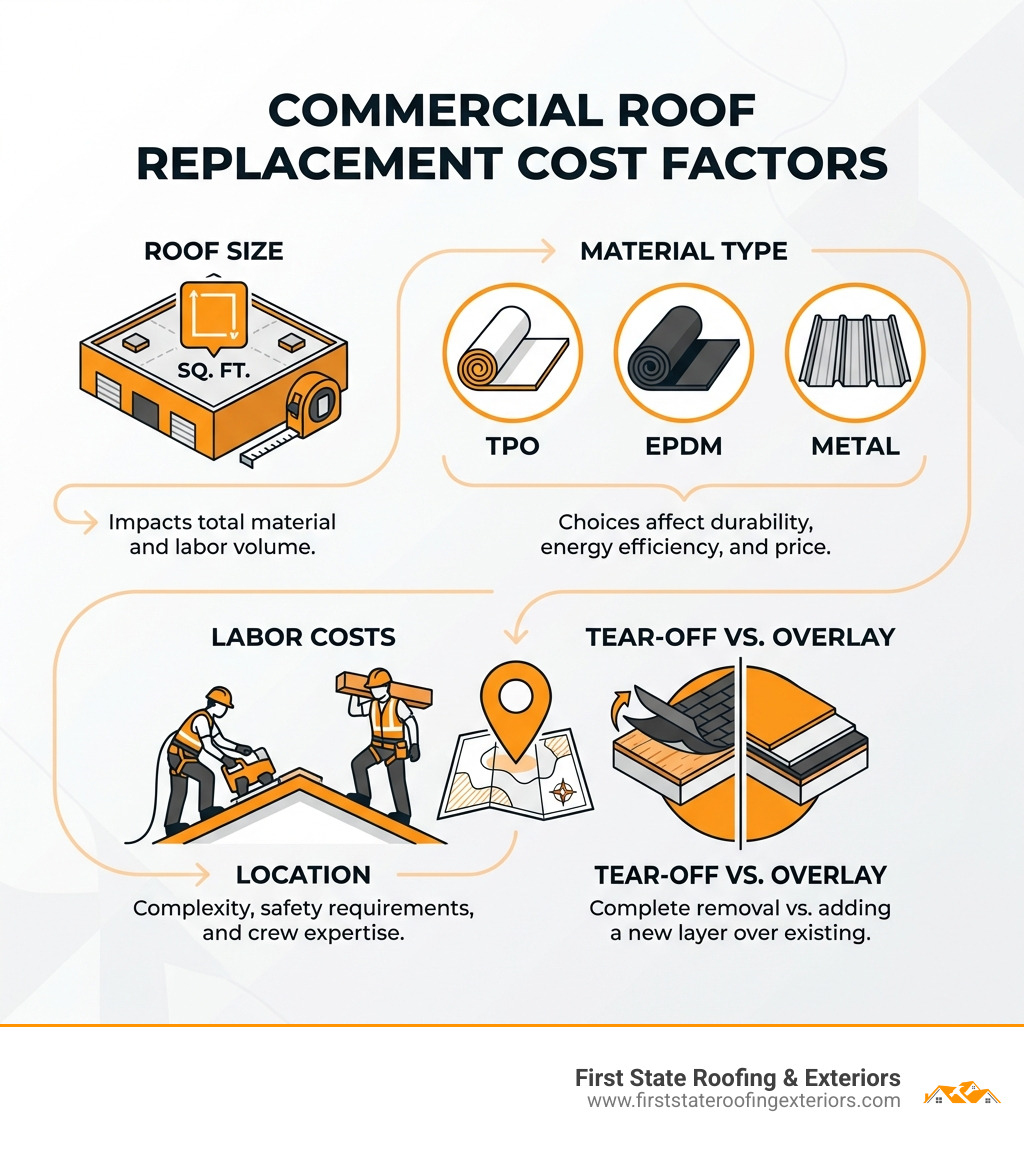
Understanding the key factors that influence the commercial roof replacement cost is essential for any building owner or facility manager. These variables allow us to provide transparent and accurate estimates, ensuring you know exactly what you’re paying for.
How Do Labor Costs and Accessibility Affect the Total Price?
Labor is a significant component of any roofing project, typically accounting for 40-60% of the total project cost. This percentage can fluctuate based on several factors, including:
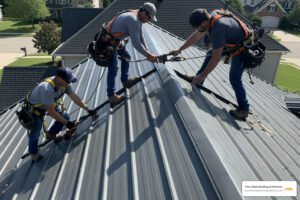
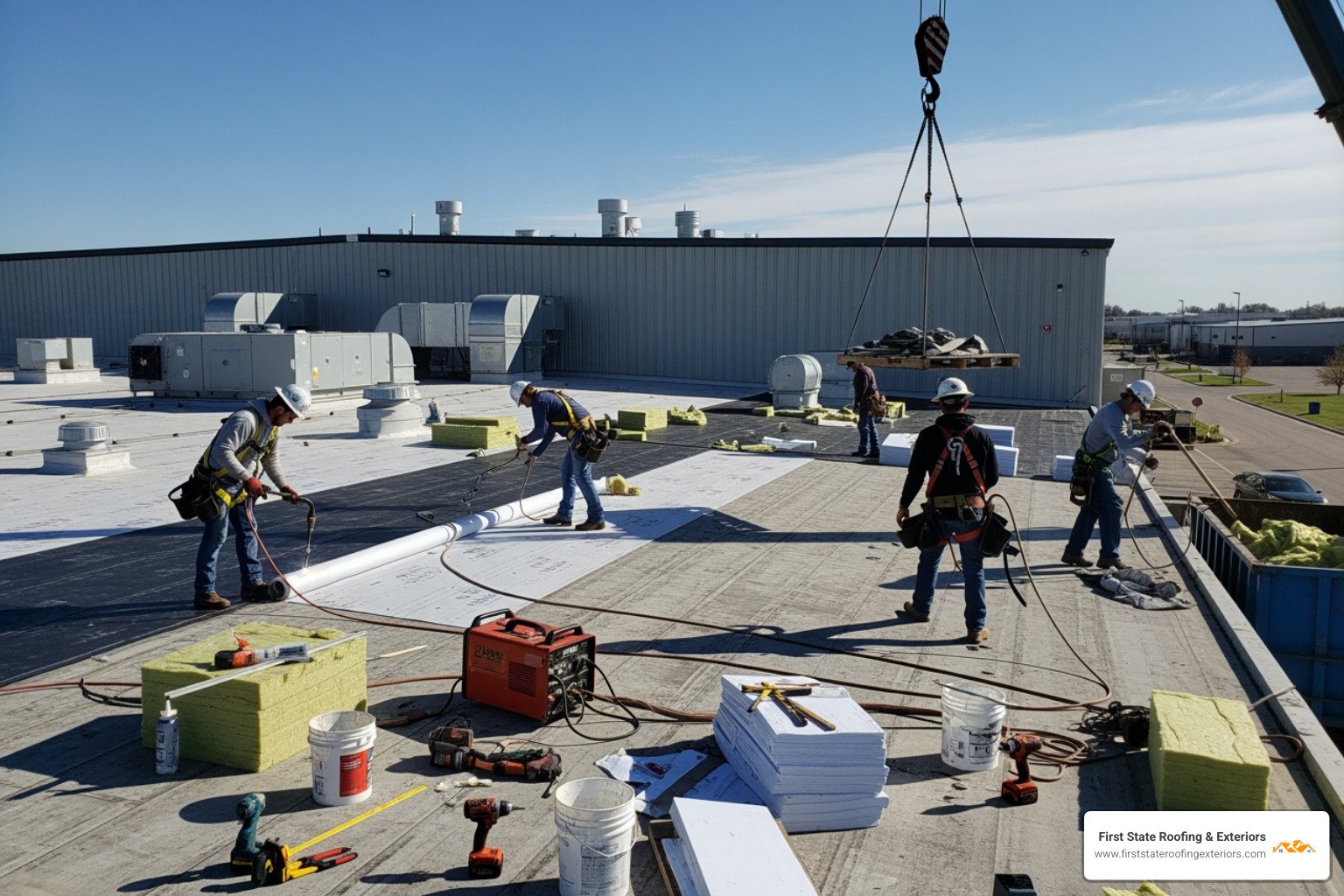
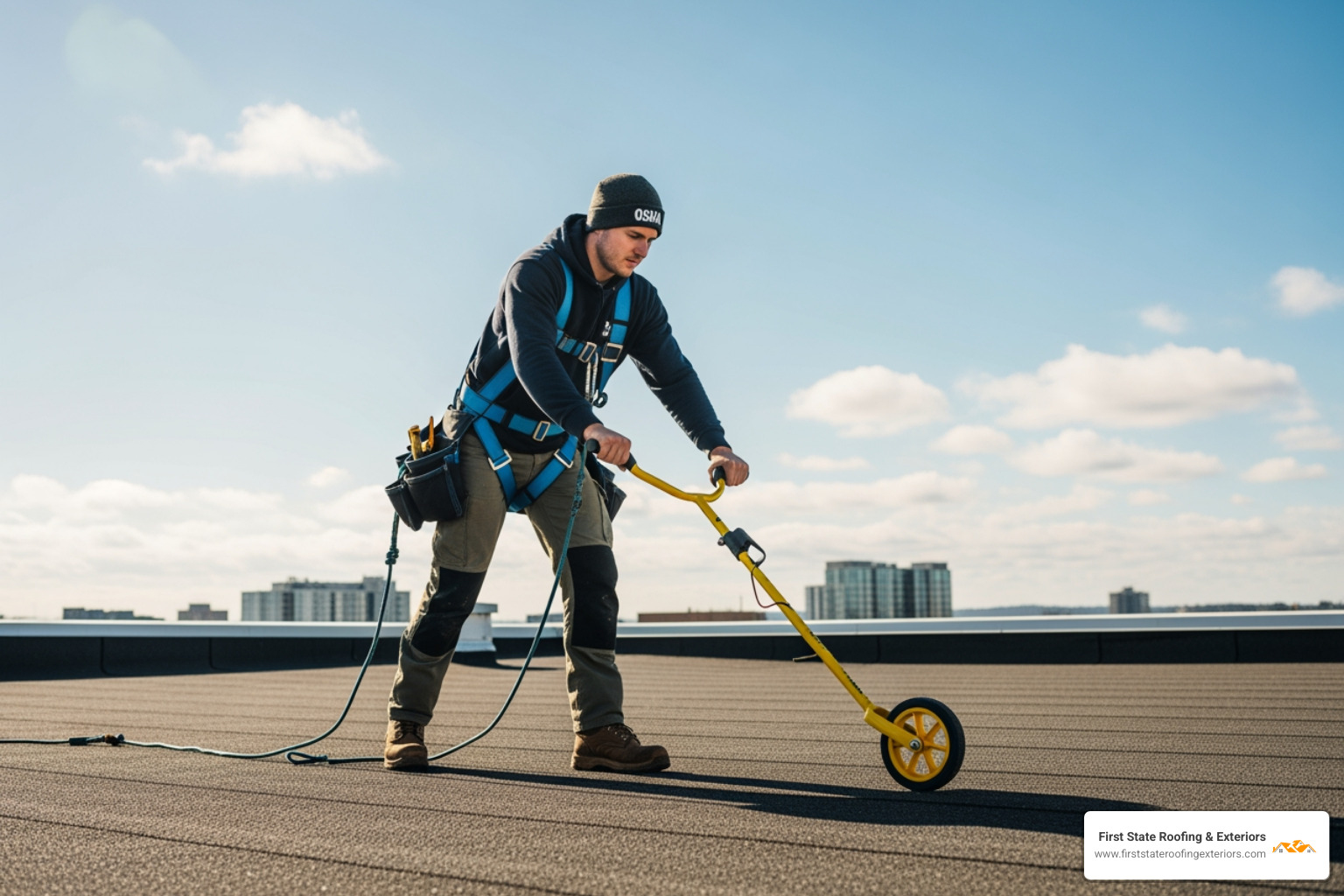
- Building Height and Accessibility: Replacing a roof on a multi-story building, especially in a densely populated area like downtown Dover, requires specialized equipment such as cranes or lifts, and extensive safety measures for our crews. This naturally increases labor hours and equipment rental costs compared to a single-story warehouse with easy ground-level access. Our team, always equipped with proper OSHA-required safety harnesses, ensures safety on every job.
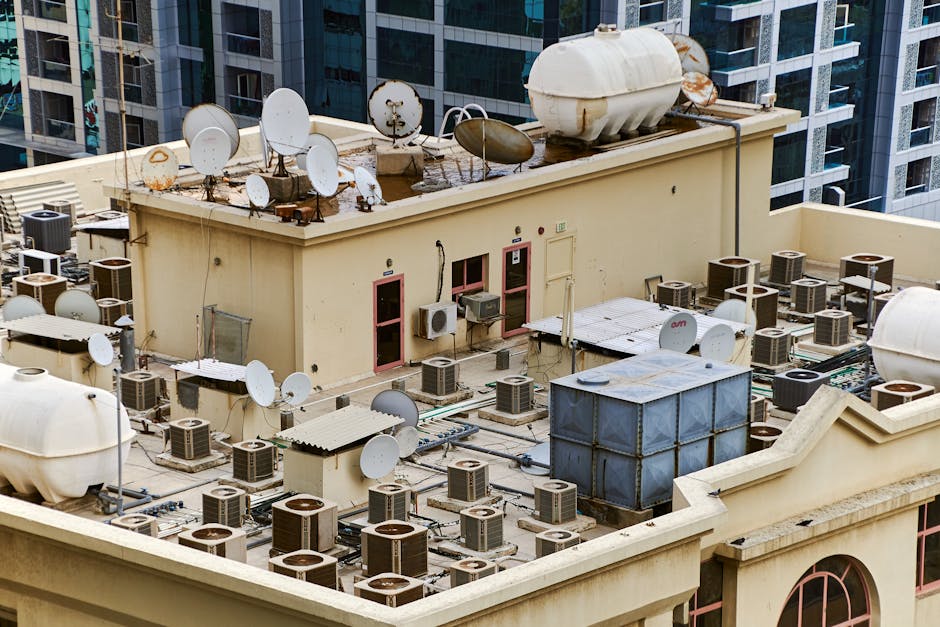
- Roof Complexity: Commercial roofs are rarely simple, flat surfaces. They often feature numerous penetrations like HVAC units, skylights, vents, and pipes. Each of these elements requires meticulous flashing and sealing to prevent leaks, adding to the labor time and complexity. A highly intricate roof design can increase labor costs by 20-50%.
- Property Access: The ease with which materials can be delivered and waste can be removed also impacts labor. If there are limited “lay down” areas for materials or if work must be done outside normal business hours to minimize disruption to tenants, these logistical challenges can increase the overall labor expense.
What Is the Cost Difference Between a Tear-Off and an Overlay?
When considering a commercial roof replacement, one of the first decisions is whether to perform a full tear-off or an overlay (also known as a re-cover). This choice significantly impacts the commercial roof replacement cost:
- Full Tear-Off: This method involves completely removing the existing roofing system down to the structural deck. While it adds an estimated $1.50 to $3.00 per square foot for labor and disposal fees, it offers several advantages. A tear-off allows our team to inspect the underlying roof deck for rot, water damage, or structural issues, ensuring a solid foundation for your new roof. It also provides a clean slate for optimal adhesion and performance of the new material, potentially extending its lifespan and warranty coverage.
- Overlay (Re-Cover): An overlay involves installing a new roofing system directly over the existing one. This is generally a more cost-effective option upfront as it saves on tear-off labor and disposal. However, building codes often limit overlays to one existing roof layer, meaning if you already have two layers, a tear-off becomes mandatory. Additionally, an overlay might hide underlying issues, potentially compromising the new roof’s performance or lifespan if the existing substrate is unstable. While cheaper, it’s not always the best long-term solution.
How Does Your Building’s Location and Local Codes Impact Cost?
Your commercial building’s location within Delaware plays a crucial role in determining the final commercial roof replacement cost:
- Regional Labor Rates: Labor costs can vary significantly even within our state. For instance, projects in more urban areas like Wilmington might have slightly higher labor rates compared to those in more rural parts of Kent or Sussex County.
- Climate Considerations: Delaware’s climate, with its humid summers, cold winters, and occasional coastal storms, influences material choices. Buildings in coastal areas like Milford or Seaford may require improved fastening systems or more robust materials to withstand higher wind loads, which can increase costs.
- Local Building Codes and Permits: Every municipality in Delaware has specific building codes that must be adhered to. These codes dictate everything from the type of materials allowed to insulation requirements (e.g., minimum R-values). For commercial low-slope roofs, most U.S. climate zones, including ours, require a minimum R-25 or R-30 thermal value for the system. Meeting these local building codes may necessitate insulation upgrades, adding to the overall expense. Permit fees, which typically range from 0.5% to 2% of the project value, are also a mandatory part of the process. For precise local estimates and code compliance in your area, such as Seaford, DE, it’s always best to consult with a local expert like First State Roofing & Exteriors.
Cost Breakdown by Commercial Roofing Material
The choice of roofing material is arguably the single largest factor influencing your commercial roof replacement cost. Each material offers a unique combination of upfront cost, durability, lifespan, and performance characteristics. Making the right choice involves balancing your budget with your long-term goals for the property.
| Material Type | Cost/Sq. Ft. (Installed) | Lifespan (Years) | Key Benefit |
|---|---|---|---|
| TPO | $6–$10 | 15-25 | Energy-efficient, reflective, heat-welded seams |
| EPDM | $5–$9 | 20-30 | Durable, cost-effective, excellent waterproofing |
| PVC | $8–$12 | 25-30+ | Superior chemical/fire resistance, longevity |
| Metal Roofing | $10–$15+ | 40-60+ | Extreme durability, low maintenance, aesthetic |
| Modified Bitumen (Mod-Bit) | $6–$10 | 15-20 | Excellent tensile strength, tear resistance |
| Built-Up Roofing (BUR) | $7–$11 | 15-20 | Multi-layered, durable, good fire resistance |
Single-Ply Membranes (TPO, EPDM, PVC)
These modern, flexible membrane systems are the most common choice for flat or low-slope commercial roofs across Delaware due to their versatility and performance.
- TPO (Thermoplastic Olefin): With an installed cost ranging from $6–$10 per square foot, TPO is a highly popular, energy-efficient option. Its reflective white surface helps reduce cooling costs by deflecting UV rays, making it an excellent choice for buildings looking to improve energy efficiency. TPO’s heat-welded seams create a strong, monolithic barrier against water. While TPO has undergone several improvements since its introduction, an expected lifespan of 15-25 years is generally achievable with proper maintenance.
- EPDM (Ethylene Propylene Diene Monomer): Often referred to as “rubber roofing,” EPDM is a durable, synthetic rubber membrane that typically costs $5–$9 per square foot installed. It’s known for its excellent waterproofing capabilities and resistance to weathering, UV radiation, and hail. EPDM is a cost-effective choice that provides reliable protection and can last 20-30 years with proper care.
- PVC (Polyvinyl Chloride): At the higher end of single-ply membranes, PVC costs between $8–$12 per square foot installed. This premium option is prized for its superior longevity and exceptional resistance to chemicals, fire, and grease. This makes PVC an ideal choice for commercial kitchens, restaurants, or industrial facilities where such exposures are common. PVC roofs can provide 25-30+ years of reliable service.
Metal Roofing Systems
Though generally more expensive upfront, metal roofing offers best durability and a long lifespan, often justifying its higher commercial roof replacement cost.
- Cost: Commercial metal roofing systems typically cost $10 to $15+ per square foot installed. This wide range accounts for different metal types (steel, aluminum, copper), gauges, and panel styles.
- Durability and Longevity: Metal roofs are renowned for their strength, resistance to extreme weather, and minimal maintenance requirements. With a lifespan of 40-60 years or even more, a metal roof can be a once-in-a-lifetime investment for your commercial property.
- Types:
- Standing Seam Metal: This system features interlocking panels with raised seams, offering superior weather resistance and a sleek, modern aesthetic. It’s generally more expensive but provides exceptional protection.
- R-Panel (Exposed Fastener Metal): A more economical metal option, R-panels are corrugated sheets fastened with screws that are exposed to the elements. While durable, they typically require more maintenance over time compared to standing seam systems.
Traditional Systems (Modified Bitumen & Built-Up)
These asphalt-based systems have been reliable choices for commercial flat roofs for decades, known for their proven performance.
- Modified Bitumen (Mod-Bit): An installed Modified Bitumen roof typically costs $6–$10 per square foot. This system is a hybrid, combining asphalt with polymer modifiers for added flexibility and elasticity. It’s usually installed in two or three layers, offering excellent tensile strength and tear resistance. Mod-Bit roofs generally last 15-20 years.
- Built-Up Roofing (BUR): Often referred to as “tar and gravel” roofs, BUR systems cost between $7–$11 per square foot installed. They consist of multiple layers of asphalt (bitumen) alternated with reinforcing fabrics (ply sheets), topped with a layer of gravel or coating. This multi-ply construction creates a thick, durable, and robust waterproof membrane that has a proven track record of 15-20 years.
Beyond the Basics: Additional Expenses and Long-Term Value
When planning for a commercial roof replacement, it’s crucial to look beyond just the material and labor line items. Several additional expenses can impact the final commercial roof replacement cost, and understanding the long-term value of your investment is paramount.
How Do Warranties Affect the Overall Commercial Roof Replacement Cost and Value?
Warranties are an essential, often overlooked, component of your commercial roof replacement. They provide protection for your investment and can significantly affect its long-term value:
- Types of Warranties:
- Manufacturer’s Material Warranty: This covers defects in the roofing materials themselves. The length can vary from 10 to 30+ years, depending on the material and system.
- Contractor’s Workmanship Warranty: This covers errors made during the installation process. Its duration typically ranges from 1 to 10 years, though reputable contractors like First State Roofing & Exteriors often stand behind their work for longer.
- No Dollar Limit (NDL) Warranty: This is the most comprehensive type of warranty, offered by manufacturers and often requiring installation by a certified contractor. An NDL warranty typically covers both materials and labor for the entire system, without a monetary limit, for an extended period (e.g., 20 years). While an NDL warranty may add a small percentage to the upfront commercial roof replacement cost, it provides invaluable long-term protection and peace of mind, especially for critical commercial assets.
- Value Proposition: A strong warranty means that if an issue arises due to material defect or installation error, you are protected from potentially massive repair or replacement costs. It essentially acts as an insurance policy for your roof. When evaluating quotes, always consider the warranty terms and what they truly cover, as a pro-rated warranty might offer less value over time.
How Can Preventive Maintenance Reduce Future Costs?
A proactive approach to roof maintenance is the most effective strategy for maximizing your roof’s lifespan and significantly reducing long-term commercial roof replacement cost.
- Extending Lifespan: Regular inspections (ideally twice a year), prompt removal of debris, and addressing minor issues like small cracks or clogged drains can prevent them from escalating into major, costly problems. This vigilance can extend the life of your commercial roof by many years, delaying the need for a full replacement.
- Cost Savings: By identifying and fixing small issues early, you avoid expensive emergency repairs or premature replacement. For example, a minor leak caught early is a simple fix, but left unchecked, it can lead to extensive water damage to insulation, decking, and interior finishes, costing tens of thousands of dollars.
- Emergency Preparedness: Even with the best maintenance, unforeseen events can occur. Having a plan for emergency roof repair is crucial. Our team offers rapid response services for commercial properties throughout Delaware, minimizing downtime and further damage when disaster strikes.
- Optimizing Performance: Regular maintenance ensures your roof performs as intended, including maintaining its energy efficiency, which can lead to ongoing savings on your utility bills.
Frequently Asked Questions about Commercial Roof Replacement Costs
What Are the Signs My Commercial Roof Needs Replacement Instead of Repair?
Deciding between repair and full replacement is a critical financial decision. Here are the clear signs that indicate your commercial roof likely needs replacement:
- Widespread Leaks: If you’re experiencing leaks in multiple areas, not just isolated spots, it often points to a systemic failure of the roofing membrane or flashing, making repairs less effective and more frequent.
- Extensive Deterioration: Look for large cracks, blisters, significant ponding water that doesn’t drain within 48 hours, or widespread exposed membrane. These are signs that the material has reached the end of its functional life.
- Age Beyond Lifespan: Most commercial roofing materials have an expected lifespan (e.g., 15-20 years for Modified Bitumen, 20-30 years for EPDM/TPO). If your roof is well past its prime, replacement is a more prudent investment.
- High Repair Costs: A good rule of thumb is that if your repair costs over the last two years have exceeded 30% of the estimated replacement cost, investing in a new roof is the more financially sound decision. Continuing to pour money into an old, failing roof becomes a losing proposition.
- Structural Damage: If there’s evidence of sagging, rotting, or other structural issues on the roof deck, a full tear-off and replacement are necessary to address these underlying problems.
How Can I Save Money on My Commercial Roof Replacement?
While a commercial roof replacement cost is a significant investment, there are smart strategies you can employ to save money without compromising quality:
- Get Multiple Detailed Quotes: Always obtain at least three comprehensive quotes from reputable commercial roofing contractors in Delaware. This allows you to compare pricing, materials, and proposed scopes of work fairly. Be wary of bids that are significantly lower than others, as they might indicate shortcuts in materials or labor.
- Schedule During Off-Season: Consider scheduling your project during the late fall or winter months (weather permitting). Roofing contractors may have less demand during these periods, potentially offering more competitive pricing or faster project completion.
- Choose Cost-Effective Materials Wisely: Materials like TPO and EPDM often offer the best balance of cost-effectiveness, durability, and energy efficiency for flat roofs. While they might not be the absolute cheapest upfront, their longevity and performance can lead to lower overall lifecycle costs compared to constantly repairing an inferior system.
- Invest in Regular Maintenance: As discussed, a proactive maintenance plan can extend your roof’s lifespan by many years, delaying the need for a full replacement and saving you a substantial amount in the long run.
- Explore Financing and Insurance: Discuss potential financing options with your contractor or financial institution. Also, review your commercial property insurance policy. If the damage requiring replacement was due to a covered event (like a storm), your insurance might cover a significant portion of the commercial roof replacement cost.
What Is the Typical Timeline for a Commercial Roof Replacement?
The timeline for completing a commercial roof replacement project can vary significantly based on several factors:
- Size and Complexity: A small, straightforward commercial roof (e.g., 1,500 sq ft) might be completed in 3-5 days. However, a large, complex roof (e.g., 50,000 sq ft) involving a full tear-off, multiple penetrations, and specialized materials could take 4-6 weeks or even longer.
- Scope of Work: Projects requiring a full tear-off will naturally take longer than an overlay due to the additional time needed for demolition and debris removal. Extensive deck repairs or insulation upgrades also add to the timeline.
- Weather Conditions: Inclement weather, such as heavy rain, snow, or extreme winds, can cause delays. Our team in Delaware always prioritizes safety and quality, which sometimes means pausing work during unfavorable conditions.
- Accessibility: Difficult-to-access roofs requiring extensive staging or specialized equipment can extend the project duration.
- Building Occupancy: If work must be conducted outside normal business hours to minimize disruption to your operations, it can impact the project’s daily progress and overall timeline.
It’s important to discuss the estimated timeline thoroughly with your contractor during the bidding process to ensure realistic expectations for project completion.
Conclusion: Partnering with a Trusted Delaware Roofing Expert
Calculating your commercial roof replacement cost involves more than just a simple price-per-square-foot formula. By understanding the key factors—from materials and labor to accessibility and local codes—you can create a realistic budget and choose a solution that offers the best long-term value for your commercial property in Delaware. While it’s tempting to select the lowest bid, the quality of installation, the durability of the materials, and the reliability of your contractor are what truly protect your investment for decades to come.
As a family-owned Delaware-based company, First State Roofing & Exteriors is dedicated to protecting and enhancing businesses with integrity and transparency. We pride ourselves on being local experts, understanding the unique challenges and requirements of our regional climate and building codes.
First State Roofing & Exteriors gives free estimates. For a detailed, transparent assessment of your property, contact the experts at First State Roofing & Exteriors. Call us today at (302) 222-4065 for a free inspection or learn more about our commercial roof replacement services.