You notice a water stain on the ceiling near your fireplace. Maybe it showed up after a heavy rainstorm, maybe after a nor’easter rolled through Dover, DE. You’re not sure if it’s the chimney, the roof, or something else entirely — and the last thing you want is to call a contractor and get told you need a whole new roof when you just need a targeted fix.
Here’s what’s likely happening: the problem almost certainly isn’t the chimney itself. It’s the flashing. And understanding that distinction is the first step toward actually solving it.
What Is Chimney Flashing and Why Does It Fail?
Chimney flashing is the metal system that seals the gap where your chimney passes through your roof. Without it, water would run straight down the chimney’s sides and into your home every time it rained. It’s one of the most structurally important parts of your entire roof — and one of the most overlooked until it starts failing.
According to the National Roofing Contractors Association, roughly 95% of roof leaks originate at flashing points rather than through damaged shingles. For chimney-related leaks specifically, about 85% trace back to flashing failure. So if you’re chasing a chimney leak, the flashing is almost always where the investigation should start.
The Two-Part System Most Homeowners Don’t Know About
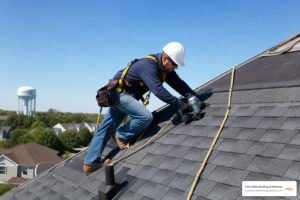
A properly installed chimney flashing is actually two separate layers working together. The first is step flashing — individual L-shaped pieces of metal woven into the shingles along the sides of the chimney as the roof is built. The second is counter flashing, which overlaps the step flashing from above and is cut directly into the mortar joints of the chimney itself. Together, they create a water-shedding system that handles rain coming from every angle.
When either layer fails, the whole system is compromised. Step flashing can corrode, pull loose from the shingles, or get damaged during a re-roofing job. Counter flashing, which relies on its mortar joint embedment to stay sealed, is especially vulnerable in Kent County. Delaware winters bring an average of 15 inches of snow, and the freeze-thaw cycles that follow are brutal on mortar. Water works its way into micro-cracks, freezes, expands, and gradually pries the counter flashing away from the chimney — sometimes by just a fraction of an inch, which is all it takes.
On wider chimneys — anything over about 30 inches — there’s a third element called a cricket or saddle. It’s a triangular metal diverter installed on the upslope side of the chimney that prevents water and debris from pooling behind it. Building code actually requires one for chimneys of that size, and its absence is a common reason why flashing fails prematurely even when it was installed correctly everywhere else.
Age matters too. Aluminum flashing, which is common on most residential roofs, typically lasts 15 to 20 years. Galvanized steel runs a bit longer but is prone to rust over time, especially in the humid coastal-adjacent air that comes with living on the Delmarva Peninsula. If your home was built more than two decades ago and the flashing has never been touched, you’re likely past the point where it can be expected to hold.
Why Caulk Is Not a Chimney Flashing Repair
This is the part worth slowing down on, because it’s where a lot of homeowners get burned — sometimes twice.
When a contractor applies roofing sealant, caulk, or black tar over failing flashing instead of replacing the metal, it looks like a repair. It might even stop the leak for a season or two. But sealants dry out, crack, and lose their bond under normal weather exposure. Most last three to seven years under good conditions. In Kent County, where the humidity is constant and the temperature swings between summer heat and winter freeze, that timeline shortens dramatically. Eventually the leak comes back, often worse than before because water has been quietly working its way into the roof deck the whole time.
The frustrating part is that this shortcut is common. It’s faster, it’s cheaper for the contractor, and it looks fine from the ground. If you’ve already had someone “fix” your chimney leak and it’s showing up again, there’s a reasonable chance this is exactly what happened. You didn’t have a bad roof — you had a bad repair.
A proper chimney flashing repair means replacing the metal. It means new step flashing woven into the shingles, counter flashing cut and embedded into the mortar joints, and an assessment of the surrounding roof deck for any rot or moisture damage that accumulated while the leak was active. The National Roofing Contractors Association specifically discourages reusing old flashing during a re-roofing job — the standard is new metal, properly installed, not a sealant layer over whatever was there before.
It’s also worth noting that replacing just one piece of the flashing system without evaluating the rest is another shortcut that tends to fail. Base flashing, step flashing, and counter flashing are interdependent. Swapping out one section while leaving compromised metal elsewhere just moves the problem rather than solving it.
Chimney Flashing Repair in Kent County: What the Local Climate Actually Means for Your Roof
Kent County gets about 45 inches of rain per year — that’s roughly 18% above the national average of 38 inches. There is no real dry season here. Rain falls consistently year-round, which means your chimney flashing is under near-constant moisture stress in a way that homeowners in drier parts of the country simply don’t experience.
Add in the nor’easters that roll through Delaware in late fall and winter, driving wind and rain at sharp angles that standard rainfall doesn’t replicate, and you have a climate that is genuinely hard on roofing systems. Flashing that might hold up for 25 years in a dry inland climate can start showing problems in 15 here in Kent County.
Older Dover and Kent County Homes: Flashing Past Its Service Life
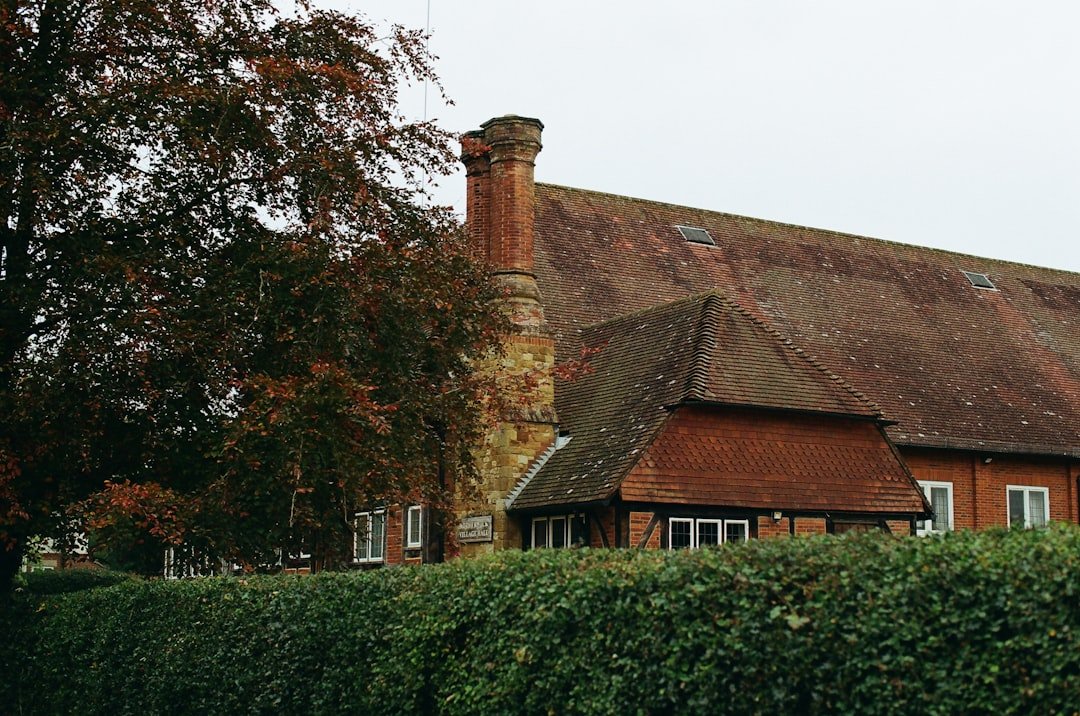
Dover’s historic neighborhoods and the older housing stock spread across towns like Milford, Harrington, and Felton mean that a significant portion of Kent County homes are sitting on original flashing that’s 30, 40, or even 50 years old. That’s well beyond the useful life of aluminum or galvanized steel flashing under any conditions — let alone Delaware’s.
If you’re in one of these older homes and you’ve never had the chimney flashing inspected or replaced, the question isn’t really whether it needs attention. It’s whether it’s already failing and you just haven’t found the leak yet. Chimney flashing leaks are often slow and intermittent — they show up during heavy rain or a nor’easter and then seem to disappear, which makes it easy to put off dealing with them. Meanwhile, water is working its way into the roof deck, and over time that leads to rot, attic mold, and ceiling damage that costs significantly more to address than the flashing repair would have.
For homeowners near Dover Air Force Base who may have recently purchased a home, this is worth paying particular attention to. Military families moving into Kent County often buy homes without a full picture of the maintenance history, and chimney flashing is one of those systems that rarely comes up in a standard home inspection unless the inspector specifically flags it.
We offer free inspections that will tell you exactly what you’re working with — and a free estimate means you find out what it would cost to fix before you commit to anything.
Does Homeowner’s Insurance Cover Chimney Flashing Damage in Delaware?
This is one of the most common questions we hear, and the honest answer is: it depends on the cause.
If your chimney flashing was damaged by a storm — wind, hail, ice, or a nor’easter — there’s a real chance your homeowner’s insurance policy will cover the repair. What insurance typically won’t cover is flashing that failed due to age or lack of maintenance, which gets classified as a wear-and-tear issue rather than sudden storm damage. The line between the two isn’t always obvious, and insurance adjusters don’t always make it easy to navigate.
This is an area where having an experienced contractor in your corner makes a practical difference. We work directly with insurance providers on storm damage claims, which means we can help document what happened, communicate with the adjuster, and make sure the claim accurately reflects the scope of the damage. Homeowners who try to navigate that process alone often leave money on the table simply because they don’t know what to ask for or how to frame the damage.
If you’ve had recent storm activity in Kent County — and between the nor’easters and the occasional tropical system that pushes up the Delmarva Peninsula in fall, there’s usually something worth checking after — it’s worth having the flashing assessed before you assume the repair is entirely out of pocket. The inspection itself is free, and knowing where you stand with your insurance is a much better position to be in than finding out after the fact.
Getting Chimney Flashing Repair Right the First Time
Chimney flashing repair isn’t complicated when it’s done correctly. The problem is that the shortcuts are easy to miss, the damage is slow-moving, and Kent County’s climate keeps the pressure on year-round. A proper repair — new metal, correctly installed, with the full system assessed — is the kind of fix that holds for decades. A caulk patch is the kind of fix that brings you back to searching for answers two winters from now.
If you’re seeing signs of a chimney leak, or you haven’t had the flashing inspected in more than 15 years, it’s worth getting a professional set of eyes on it before the next nor’easter makes the decision for you.
First State Roofing & Exteriors Co. has been serving Kent County homeowners for over 22 years. We offer free estimates, work with insurance providers on storm damage claims, and carry authorizations from GAF, Owens Corning, TAMKO, CertainTeed, and Atlas Pro — so when we replace your flashing, we’re doing it with materials and methods that are built to last in Delaware’s climate.