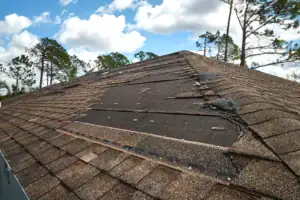
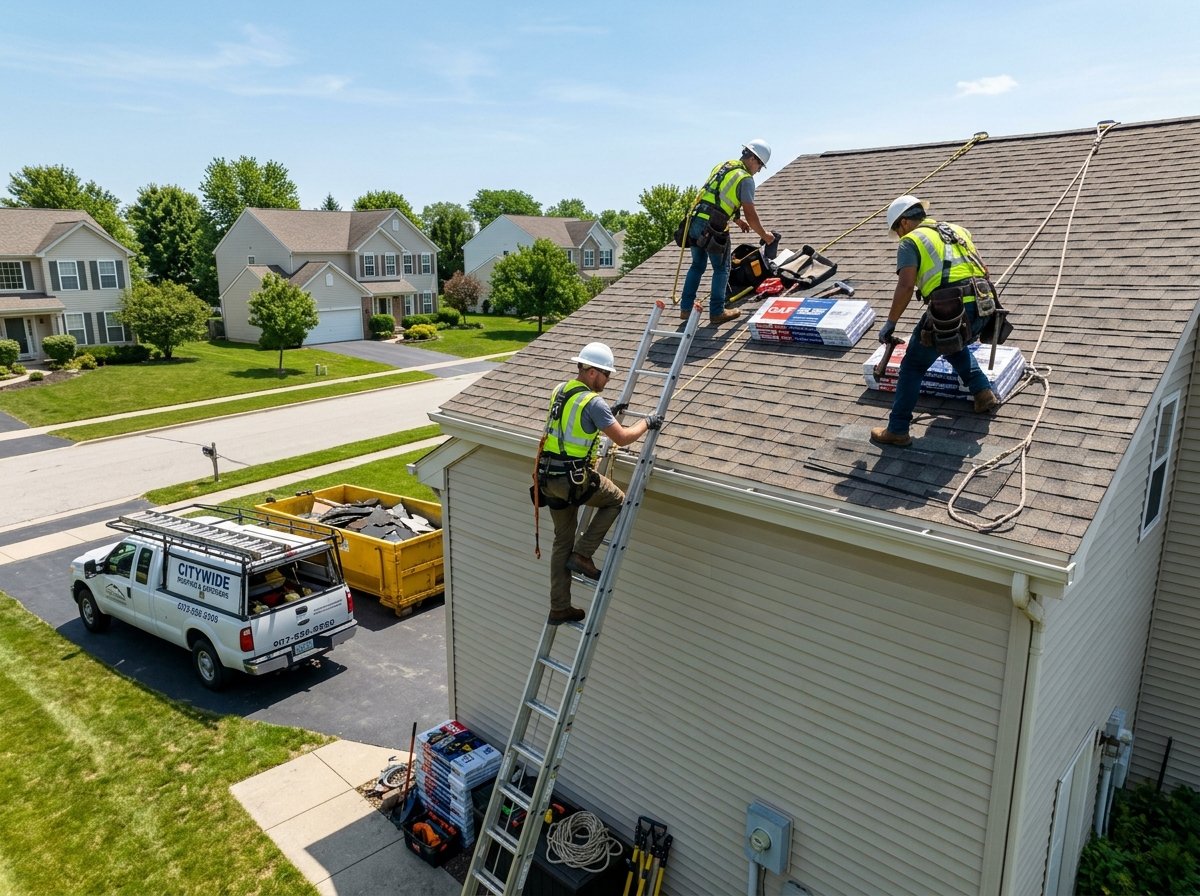
Your roof is near the end of its life. Maybe an inspection this fall confirmed it, or maybe a leak over the holidays made the decision for you. Now you’re wondering whether you have to wait until spring, or whether a roof can actually be replaced in the middle of a Delaware winter.
The short answer is yes. Roofs get replaced in Kent County every winter. But cold weather changes how the work has to be done, and a contractor who works the same way in January as in June is cutting corners. Here is what actually changes, what to ask, and when waiting does and doesn’t make sense.
Can You Replace a Roof in Winter in Delaware?
Yes, on most days. Delaware’s winters are milder than New England’s or the upper Midwest’s. Kent County gets plenty of days in December, January and February that are above freezing, dry and calm enough for a crew to work safely. The days that rule out roofing are the ones with snow or ice on the roof, freezing rain, or high wind, and those come in spells rather than for months at a time.
The real question isn’t whether it can be done. It’s whether your contractor adjusts the materials and the process for the cold.
What Changes When It’s Cold
Shingle seal strips need warmth to bond
Asphalt shingles have a strip of adhesive that bonds each shingle to the one below it. The sun’s heat activates that strip. In summer it seals within days. In winter it may not seal fully until warmer weather arrives, and until it does, the shingles are more exposed to wind lift. Shingle manufacturers publish cold-weather instructions for this, which often call for hand-sealing shingles with roofing cement. Ask your contractor whether they follow the manufacturer’s cold-weather application instructions for the shingle they’re installing. That matters for the warranty as well as the roof.
Shingles get stiff and can crack
Cold asphalt is less flexible. Shingles that are bent hard over ridges and hips, or handled roughly, can crack. Good crews store materials somewhere warmer when they can, take extra care at ridges and valleys, and avoid working when it’s simply too cold for the material.
Nail guns need adjusting
Stiff shingles change how nails seat. A nail gun set for summer can drive nails too deep in winter and break through the shingle, or leave them proud. Crews should check and adjust pressure through the day as temperatures change.
Ice barrier underlayment matters more
Along the eaves and in valleys, a self-adhering ice and water barrier goes under the shingles to stop water that backs up behind ice dams from reaching the deck. On a winter install, this layer is your main protection while the shingles finish sealing, and it’s the part that protects you from ice dams for the life of the roof. Confirm it’s in the scope of work.
Shorter days, tighter schedules
Less daylight means less working time per day. A replacement that takes one day in July might be planned more carefully in January so that the roof is never left open overnight. A crew should only tear off what it can dry in the same day.
Benefits of Replacing Your Roof in Winter
- Easier scheduling. Spring and early summer are the busiest months for roofers in Delaware, after winter damage shows up. In winter, you often get your choice of dates.
- You stop the damage now. If your roof is already leaking, every freeze-thaw cycle between now and April pushes more water into the deck and insulation. Replacing it now can mean less decking to replace.
- Less heat on the crew and your yard. Cool days are comfortable working conditions, and dormant lawns and plants handle foot traffic and debris better than summer gardens.
- Time to plan the budget. Many homeowners use the slower season to review insurance and financing options before committing.
When Waiting Until Spring Makes Sense
Winter replacement isn’t always the right call. Waiting is reasonable when:
- The roof is old but not leaking, and a recent inspection found no soft decking or active damage.
- A small, targeted repair can keep it watertight for a few more months.
- You want a material or color that needs a long lead time anyway.
If you’re unsure whether you need a new roof or just a repair, our guide on whether to repair or replace your roof walks through the five factors that decide it. And if your roof is actively leaking right now, start with the leak. A temporary fix or emergency roof repair can protect the house until a replacement is scheduled.
Questions to Ask a Contractor About a Winter Install
- Do you follow the shingle manufacturer’s cold-weather application instructions, including hand-sealing when needed?
- What is the minimum temperature you’ll install at, and what happens if the forecast changes mid-job?
- Will you only tear off what you can dry in the same day?
- Is ice and water barrier included along the eaves and in the valleys?
- How do you protect the house and landscaping if snow or rain moves in during the project?
- Who handles the permit, and how does winter affect the inspection schedule?
A contractor who answers these clearly and specifically has done winter work before. One who says “it’s no different from summer” hasn’t thought about it.
What About Leaks You Already Have?
If you’re considering a replacement because the roof is leaking, figure out the cause first. Some winter leaks come from attic condensation or ice dams, not from worn-out shingles, and a new roof alone won’t fix them. Our guide to winter roof leaks in Kent County explains how to tell the causes apart.
Plan Your Winter Roof Replacement
First State Roofing & Exteriors replaces roofs across Kent and Sussex Counties all year, and we plan winter jobs around the forecast and the material’s cold-weather requirements. Start with a free inspection so you know whether you need a roof replacement now or a repair that buys you time. Call (302) 222-4065 or request your estimate online.