
Hear from Our Customers
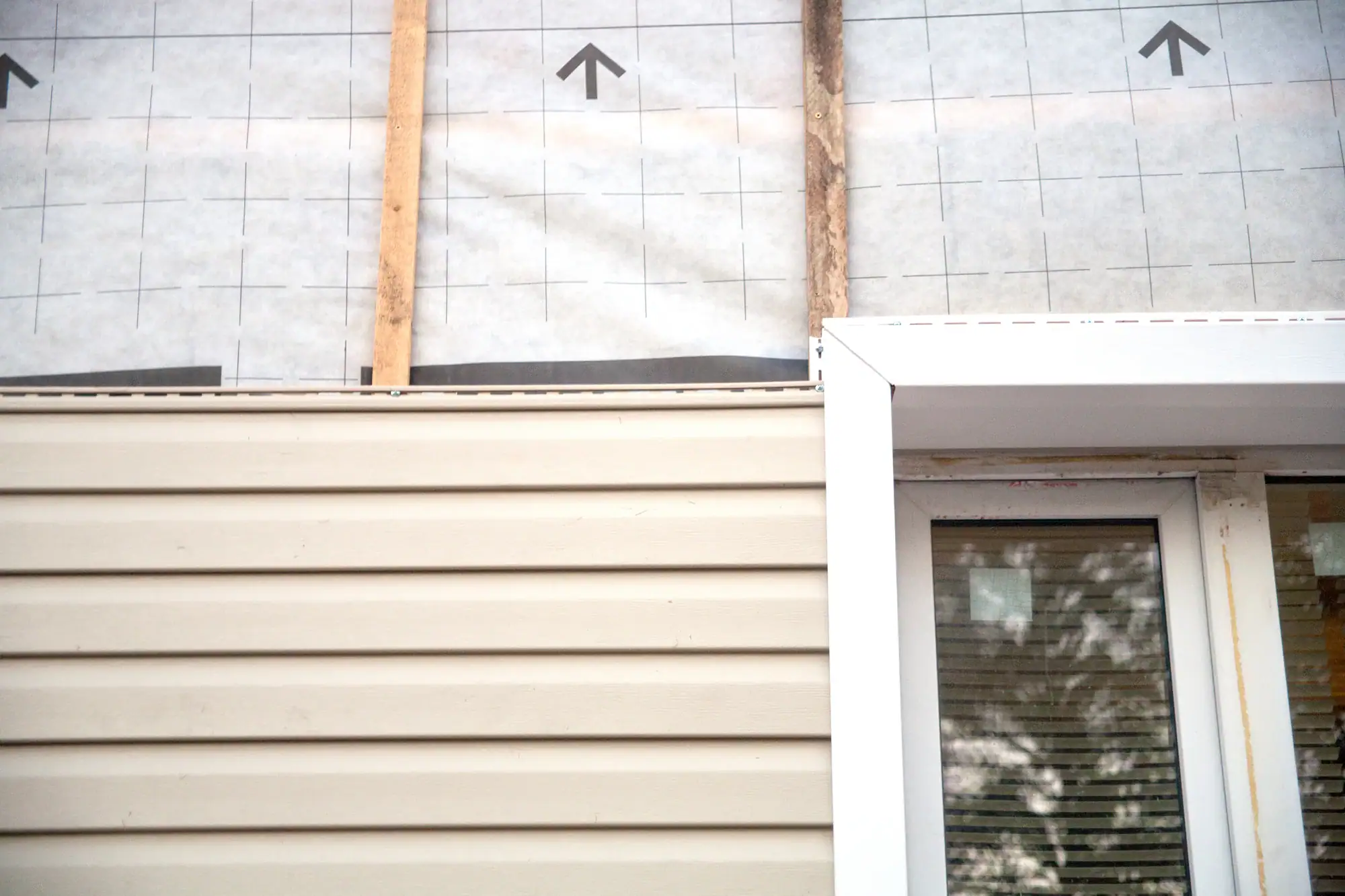
Fox Hall is a neighborhood that takes pride in how it looks — walkable streets, well-kept yards, homes that have been lived in and cared for. But siding doesn’t announce when it starts failing. It just quietly lets moisture in, lets mold take hold behind the panels, and lets the wall sheathing underneath absorb years of damage before anything looks wrong from the curb.
By the time the warping or cracking is visible, the problem behind it is usually bigger than the surface suggests. For homes in Fox Hall built anywhere from the 1940s through the 1990s, that timeline matters. Vinyl siding has a functional lifespan of 20 to 40 years. A home sided in 1985 is now 40 years into that window.
Kent County averages over 44 inches of rainfall per year, and every winter brings freeze-thaw cycles that stress aging panels — expanding and contracting until the seams give and water finds a path in. New siding doesn’t just change how your home looks. It stops that process cold. It puts a proper moisture barrier between your walls and Delaware’s climate, keeps mold and rot from spreading, and gives you a weatherproof exterior built to handle what this area actually throws at it.
We’re based in Smyrna — about 15 miles up the road from Fox Hall — and have been working in Kent County for over 22 years. That’s not a regional footprint stretched thin across four states. It’s focused, local experience with the specific housing stock, climate patterns, and building codes that apply to homes right here in Dover’s west-side neighborhoods like Fox Hall.
Melissa and Richard McCain own and operate the company. When you call, you’re reaching people who have built our reputation in this county and have every reason to protect it. Every project is managed in-house by our own trained, insured crew — no subcontractors, no day-labor surprises, no one showing up at your door that you didn’t agree to.
From Fox Hall and Fox Hall West to Foxhall Courtside and the Woodlands of Foxhall just down the road, this is familiar territory. We hold a BBB accreditation with an A+ rating, carry a 5.0 out of 5 from over 63 verified reviews, and are licensed and insured in Delaware per the state’s contractor registration requirements.
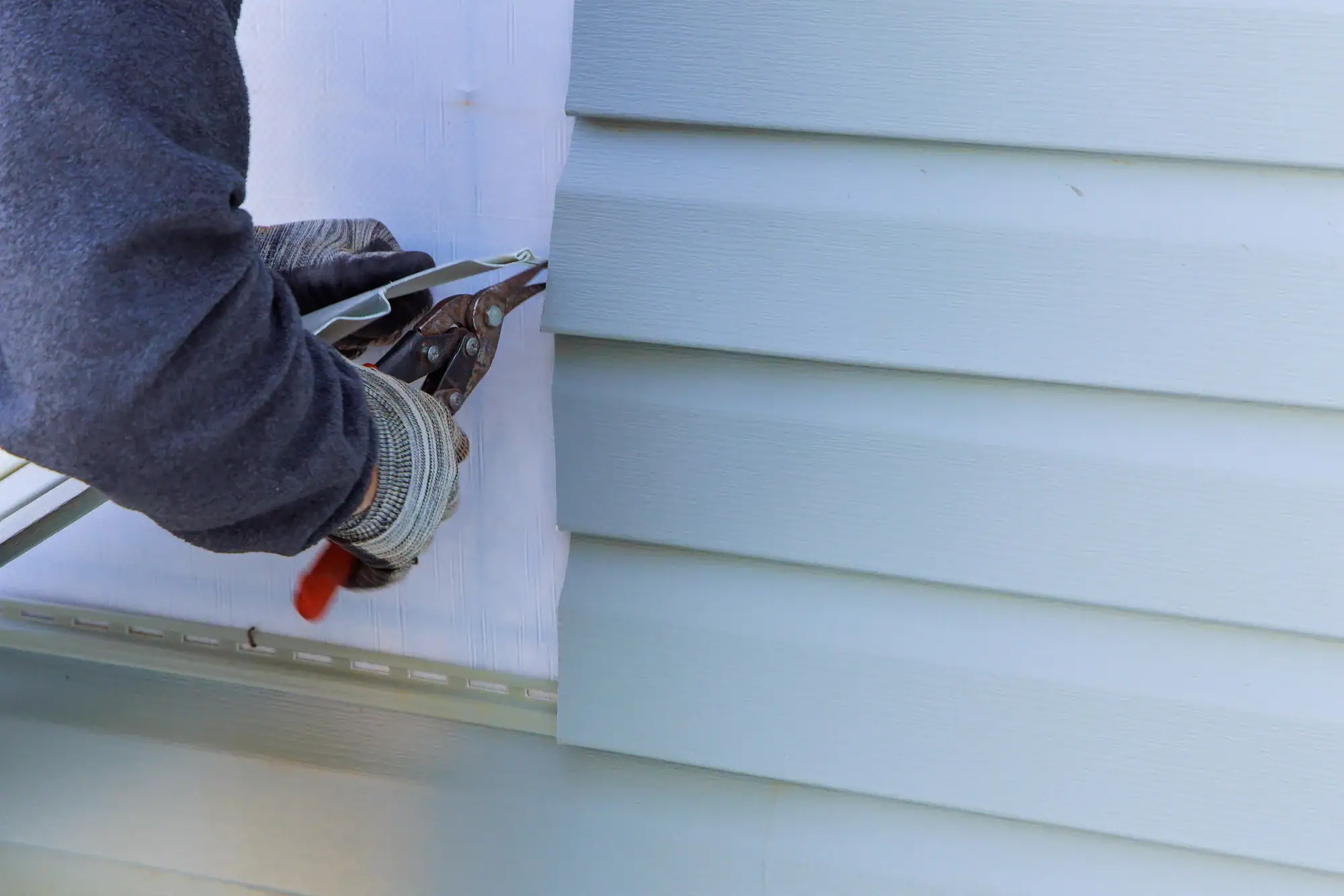
It starts with a free consultation and a detailed inspection of your existing siding. This isn’t a quick visual scan — it’s a real look at what’s happening at the seams, around windows and trim, and at any areas where moisture may have already gotten behind the panels. For older Fox Hall homes, that inspection often turns up early-stage issues that haven’t surfaced yet. You’ll know exactly what’s there before any work begins, and nothing changes scope without your approval.
From there, the old siding comes off. Full removal is the right approach because it lets our crew inspect the wall sheathing underneath — the layer that takes the hit when siding fails. If there’s rot, moisture damage, or anything that needs attention before new siding goes on, you’ll know about it upfront. Then comes the moisture barrier installation, followed by the new siding panels, trim work, and sealing.
We handle all permitting with the City of Dover — siding replacement in Dover requires a building permit, and that process is managed entirely on your behalf. Most siding installation projects take two to five days. The job site is kept clean throughout, and when our crew leaves, it’s spotless. That’s not an upsell — it’s just how we do the work.
Ready to get started?
We install both vinyl siding and fiber cement siding, and the recommendation you get will be based on your home, your goals, and what makes sense for your budget — not on which product is easiest to install.
Vinyl is the most popular siding choice in Delaware for good reason. It resists moisture, doesn’t rot, holds up well against wind and rain, and requires very little maintenance. For Fox Hall homeowners who want a durable, cost-effective replacement that handles Kent County’s humidity and seasonal storms without demanding annual upkeep, vinyl is a strong choice. Not all vinyl is equal, though — thickness, UV resistance, and wind load ratings vary significantly, and the cheaper end of the market tends to fail faster in Delaware’s climate.
Fiber cement — particularly James Hardie board — is the more durable option and is considered virtually immune to moisture problems. It holds paint longer, resists impact, and has a lifespan of up to 50 years. For Fox Hall homeowners who are planning to stay long-term or want to maximize resale value, fiber cement adds an average of $18,230 to a home’s value at resale with an 88% cost recoupment rate, according to the 2024 Cost vs. Value Report. Vinyl comes in at an average of $13,957 added resale value with roughly an 80% recoupment rate.
Financing is available for both options. If the project cost is a barrier right now, that’s a conversation worth having before you decide to wait.

The most obvious signs are visible — cracking, warping, fading that’s gone past the point of looking worn, or panels that are pulling away from the wall. But in Delaware’s climate, the more important signs are often less visible. If you’re noticing higher energy bills, cold spots on interior walls during winter, or any musty smell in rooms that back up to an exterior wall, those can all point to siding that’s no longer doing its job.
Moisture infiltration in Kent County’s humid climate happens gradually, and by the time it shows up inside the house, it’s usually been building for a while. For Fox Hall homes built in the 1980s and 1990s — which covers a large portion of the neighborhood — the age alone puts the siding in or past its replacement window. A free inspection with us will give you a clear picture of what’s actually happening, not just what’s visible from the driveway.
Both materials work well in Delaware’s climate, but they serve different needs. Vinyl is moisture-resistant, low-maintenance, and the more budget-accessible option. It doesn’t rot, handles wind and rain well, and is the most commonly installed siding material in Delaware. The key is making sure you’re getting a quality product — thicker panels with proper UV resistance and wind load ratings perform significantly better than the cheaper end of the market, especially after years of Kent County’s freeze-thaw cycles and summer humidity.
Fiber cement is the heavier-duty option. It’s denser, more impact-resistant, holds paint longer, and has a lifespan of up to 50 years. It’s also more resistant to the kind of mold and algae growth that Delaware’s persistent humidity encourages on north-facing walls. The upfront cost is higher than vinyl, but the 2024 Cost vs. Value Report puts fiber cement’s resale recoupment rate at 88% — making it a strong investment for homeowners who are thinking about the long game or planning to sell.
Yes. Siding replacement in Dover requires a building permit from the City of Dover’s Building Inspections department. On top of that, any contractor doing the work in Delaware must be registered with the Delaware Department of Labor’s Office of Contractor Registration before work begins — that’s a state-level requirement that applies regardless of the municipality.
This is one of the areas where hiring a contractor who knows the local process matters. We handle all permitting as part of every siding project. You don’t need to figure out Dover’s permit process, schedule inspections, or track down forms. It’s managed for you, and the finished project will be fully code-compliant — which matters especially if you’re planning to sell. Unpermitted exterior work can create real complications at closing in Delaware, so having that documentation in order from the start protects you down the road.
In many cases, yes — but it depends on the cause of the damage and how the claim is filed. Kent County gets hit regularly by nor’easters, summer thunderstorms, and tropical storm remnants tracking up the Delmarva Peninsula. Wind-driven rain, hail, and falling debris can all cause siding damage that qualifies as a covered loss under a standard homeowners insurance policy.
The challenge is that insurance companies don’t always make the claims process straightforward, and homeowners who try to navigate it alone sometimes end up with a settlement that doesn’t cover the full scope of the damage. We assist with insurance claims for storm-damaged siding — something most siding contractors don’t offer. If you’ve had recent storm activity and you’re not sure whether your siding damage qualifies, a free inspection is the right first step. We can document what’s there and help you understand what a legitimate claim looks like before you contact your insurer.
Most siding installation projects take two to five days from start to finish, depending on the size of the home and the material being installed. Fiber cement takes slightly longer than vinyl due to the weight and cutting requirements of the material. The two-to-five-day window assumes normal working conditions — weather delays are possible in Delaware, particularly in late fall and winter when freeze-thaw conditions affect installation quality if the temperature drops below the threshold for proper sealant adhesion.
For Fox Hall homes, the project timeline also includes the inspection phase before any panels go up. If the old siding removal uncovers moisture damage, rot, or structural issues in the wall sheathing underneath — which is more common in older homes — that repair work adds time before the new siding can go on. You’ll know about any of that before our crew starts, not mid-project. We keep the job site clean throughout the process, and the final walkthrough happens before our crew leaves.
It’s one of the higher-return exterior projects you can do before listing. The 2024 Cost vs. Value Report puts vinyl siding replacement at an average of $13,957 added resale value with roughly an 80% recoupment rate, and fiber cement at an average of $18,230 added value with an 88% recoupment rate. In a neighborhood like Fox Hall — where homes are competitively priced and buyers are value-conscious — fresh siding makes a real visual difference and signals to buyers that the home has been maintained, not just staged.
There’s also a practical side to this for Fox Hall specifically. The neighborhood has a mix of military families, state government workers, and long-term residents, many of whom cycle through the Dover area on defined timelines. If you’re approaching a move and your siding is 20 or 30 years old, replacing it before listing removes a negotiating point for buyers and avoids the scenario where a home inspection flags it as a deferred maintenance item. We offer free consultations, so you can get a clear picture of scope and cost before making any decisions.
Other Services we provide in Fox Hall