
Hear from Our Customers
When DNREC designated Bowers Beach a priority area after the October 2025 nor’easter — and Mayor Ada Puzzo was publicly describing dunes dropping dangerously close to homes — it wasn’t a weather headline for most people in this town. It was their front yard. That kind of exposure changes what you need from a siding contractor.
You don’t need someone who sells the same product to a Dover suburb that they sell to a bayfront home in Bowers. You need installation that’s actually designed for what your house faces.
New siding done right means a proper moisture barrier between the wall and the panel, weatherproof seams that don’t let bay wind drive rain behind the surface, and materials selected for salt air resistance — not just curb appeal. Vinyl siding holds up well in coastal environments because it doesn’t rot, doesn’t corrode, and doesn’t absorb moisture the way older materials do. Fiber cement takes that further, offering up to a 50-year lifespan and near-total resistance to moisture infiltration, which matters on a bayfront property that takes a beating every storm season.
Beyond durability, new siding also does something practical for your home’s value. According to the 2024 Cost vs. Value Report, fiber cement siding recoups an average of 88% of project cost at resale, and vinyl comes in around 80%. In a community where waterfront property values are climbing, that’s not a small consideration.
A quick search for siding contractors near Bowers Beach turns up companies based out of New Castle — nearly 50 miles away — running location pages with no real presence in Kent County. We’re different. We’re based in Smyrna, about 20 to 25 miles up Route 1 from Bowers Beach Road, and we’ve been serving Kent County for over 22 years. That’s not a marketing claim — that’s a track record in the same county, the same climate, and the same housing stock you’re dealing with.
We’re owned and operated by Melissa and Richard McCain, licensed and insured with a BBB A+ rating and a 5.0 out of 5 star average across more than 63 verified reviews. Every project is handled entirely in-house — no subcontractors, no day-labor crews showing up unannounced. The team that gives you the estimate is the team that does the work. In a town the size of Bowers, where word travels fast and neighbors compare notes, that kind of accountability matters.
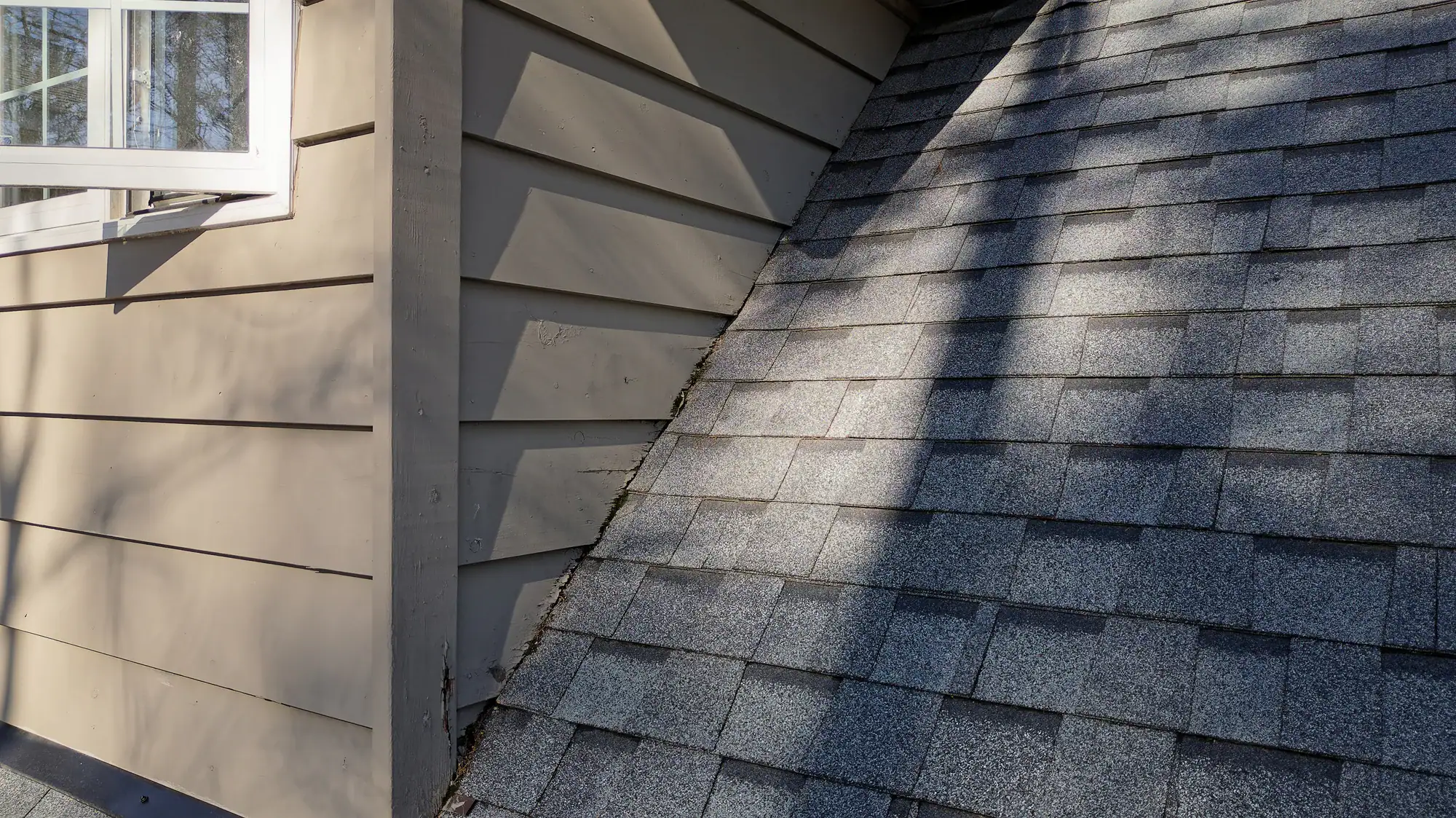
It starts with a free consultation and a detailed inspection before anything is touched. In Bowers, that inspection step isn’t just a formality. Older fishing cottages and mid-century homes that have been absorbing bay humidity and salt air for decades often have surprises hiding behind the old siding — rot, mold, or moisture damage to the sheathing that needs to be addressed before new panels go up.
We identify those issues upfront, walk you through exactly what we found, and get your approval before any scope changes. No mid-project surprises, no inflated bills after the fact.
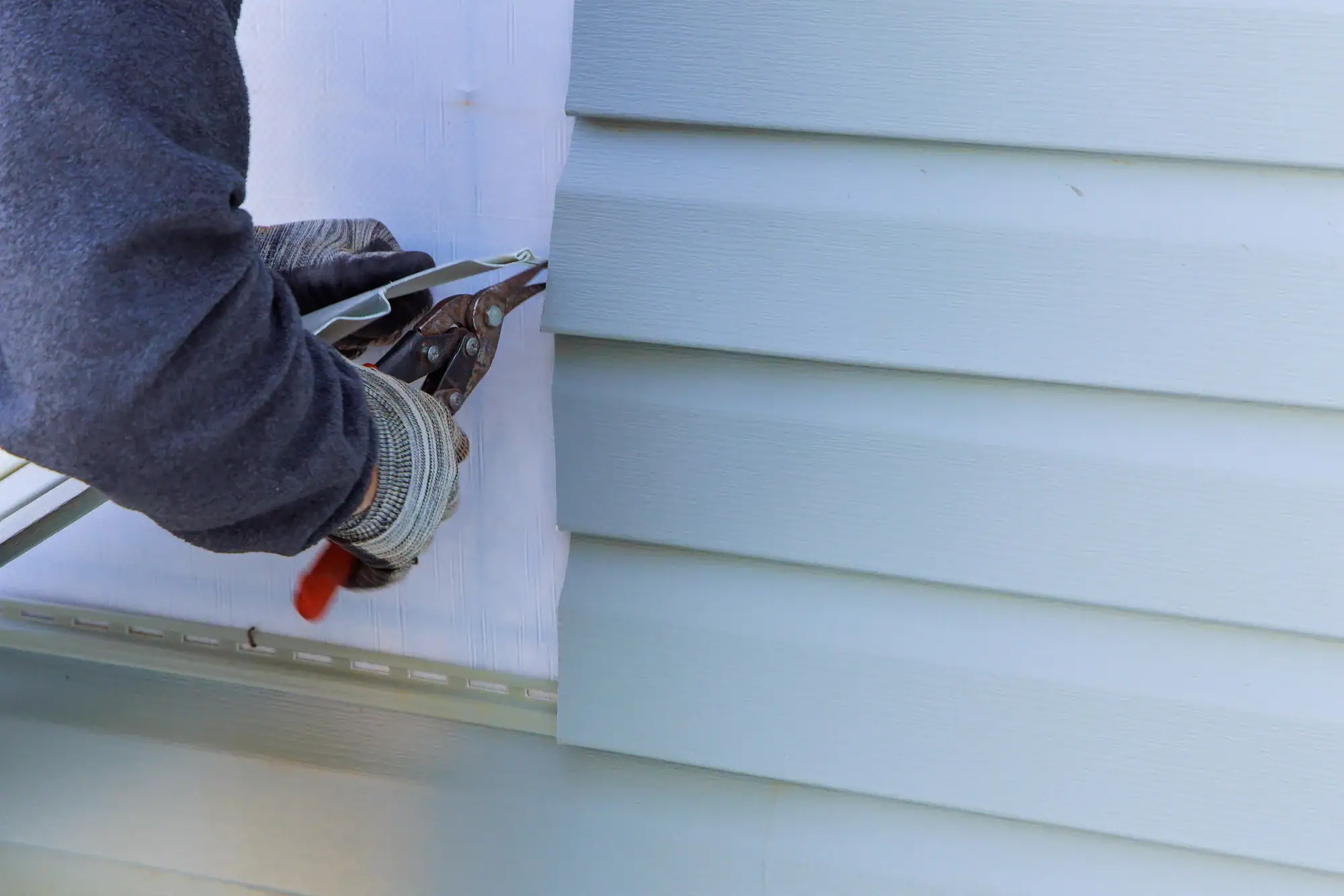
Once the scope is confirmed, the old siding comes off and the underlying structure gets a proper look. A moisture barrier goes in, followed by installation of new panels with weatherproof seaming and UV-resistant finishes suited to coastal exposure. Most siding projects take two to five days depending on the size of the home.
Permitting is also part of what we handle — and in Bowers, that’s worth paying attention to. The Town of Bowers has its own Zoning Compliance Officer overseeing exterior construction permits, and properties in the FEMA Zone AE flood designation along the bay may have additional requirements under federal floodplain management rules. We handle all of that on your behalf. You don’t have to figure out what “substantial improvement” means under NFIP guidelines — that’s our job, not yours.
Ready to get started?
We offer both vinyl siding and fiber cement siding installation, and we’ll help you choose the right material for your specific situation — not just the one that’s easiest to install. For most homes in Bowers, vinyl is a strong choice: it’s moisture-resistant, handles salt air without corroding, and has a lifespan of 20 to 40 years.
For homes with higher bay exposure or homeowners who want a longer-lasting solution, fiber cement is worth the conversation — it’s virtually immune to moisture problems and can last up to 50 years, which matters when your home sits between the St. Jones River and the Murderkill River with Delaware Bay at your front door.
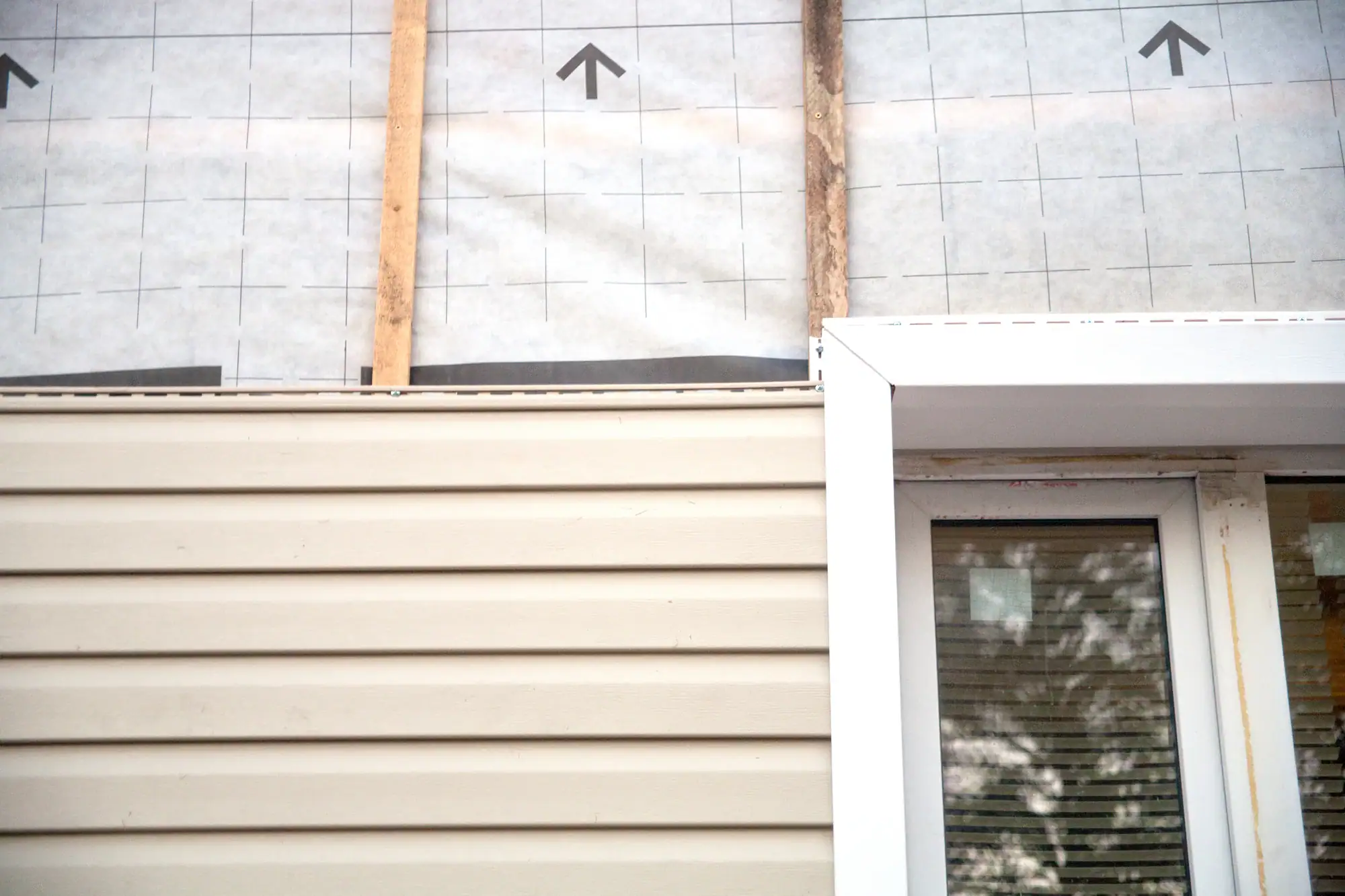
Every siding job includes full removal of the old siding, moisture barrier installation, trim work, and sealing. Weatherproof seams are standard, not an add-on. If your home has storm damage from a recent nor’easter, we also assist with insurance claims — a service most siding contractors in the area don’t offer and rarely advertise. That can make a real difference when you’re trying to figure out whether your homeowners insurance covers what the last storm left behind.
Financing is available for homeowners who need it. Siding projects are a meaningful investment, and not everyone is in a position to write a check for the full amount upfront. Ask about financing options when you call for your free consultation.

Salt air is genuinely hard on exterior materials. Metal fasteners corrode faster, coatings degrade more quickly, and anything that traps moisture becomes a problem in a hurry. For homes in Bowers Beach with direct bay exposure, vinyl siding is the most common choice because it doesn’t rot, doesn’t rust, and doesn’t absorb moisture. It handles salt air well and requires very little maintenance beyond an occasional rinse.
For homes on the front row with the most direct exposure — or for homeowners who want the longest possible lifespan — fiber cement is worth considering. It’s essentially immune to moisture infiltration, holds paint well, and can last up to 50 years. It costs more upfront, but on a bayfront property that takes a real beating every storm season, the durability argument is strong. We offer both and will give you a straight answer on which one makes sense for your home’s specific location and exposure level.
It depends on your policy, but wind and storm damage to siding is often covered under a standard homeowners insurance policy. The challenge is knowing what to document, how to file the claim, and whether the damage meets your deductible threshold. A lot of Bowers residents have dealt with storm damage — particularly after events like the October 2025 nor’easter that DNREC flagged as causing significant damage along the bay — and not everyone knows where to start with the insurance side of things.
We assist with insurance claims for storm-damaged siding, which means we can help you understand what’s covered, what documentation you need, and how to move the process forward. This isn’t something most siding contractors offer. If your siding took a hit in a recent storm and you’re not sure whether to file a claim or just pay out of pocket, that conversation with us is worth having before you make any decisions.
Yes, in most cases. The Town of Bowers has a Zoning Compliance Officer who oversees permits for exterior construction work, including new construction and substantial improvements to existing structures. If your property is in a FEMA Zone AE flood designation — which applies to much of the Delaware Bay shoreline through Bowers Beach — there are additional federal floodplain management requirements that come into play.
Specifically, if the total cost of improvements to your home exceeds 50% of the structure’s market value, it triggers full compliance with current floodplain regulations, which can affect how the work is done. This is more regulatory complexity than most homeowners want to navigate on their own, and it’s one of the reasons working with a licensed, experienced contractor matters here more than in most inland towns. We handle all permitting as part of the project. You don’t have to call the town office, research NFIP definitions, or figure out what applies to your specific property — we manage that process from start to finish.
The honest answer is that it depends on what’s going on beneath the surface, not just what you can see from the outside. Visible cracks, fading, warping, or panels that have come loose are obvious signs. But the more important question is whether moisture has gotten behind the siding and started working on the sheathing or framing underneath.
In a coastal environment like Bowers Beach — where homes deal with high ambient humidity year-round, salt air, and repeated storm exposure — that kind of hidden moisture damage is more common than people expect. A full inspection before any work begins is the only way to know for sure. We start every project with a detailed inspection and walk you through exactly what we find. If a targeted repair is the right call, we’ll tell you. If the underlying damage or the age of the existing siding makes full replacement the smarter move, we’ll explain why. You won’t be pushed toward a larger project than what your home actually needs.
Most siding installation projects take two to five days, depending on the size of the home and the material being installed. That timeline accounts for removing the old siding, inspecting the underlying structure, installing the moisture barrier, and putting up the new panels with proper seaming and trim work.
For homes in Bowers, there are a couple of factors that can affect scheduling. If hidden damage is discovered during the inspection — rot or moisture damage to the sheathing, for example, which is more common in older bayfront homes — addressing that adds time before the new siding goes up. Seasonal timing also matters. Many homeowners in Bowers with seasonal rental properties or second homes prefer to schedule siding work in the spring or early fall to avoid disrupting summer occupancy. We’ll give you a realistic project timeline during your free consultation, so you can plan around it without guessing.
The first things to verify are licensing and insurance. Delaware requires contractors to be registered with the Office of Contractor Registration through the Department of Labor before any work begins. In Bowers specifically, where properties in FEMA flood zones have additional regulatory requirements, working with an unregistered or uninsured contractor isn’t just a quality risk — it can create complications with your flood insurance and compliance status.
Beyond credentials, look at how the contractor handles the estimate. A vague quote with no line-item detail on materials, labor, and scope is a red flag. Legitimate contractors provide written, itemized estimates and don’t require large upfront deposits — a reasonable deposit is 10% or less, with the balance due on completion. Ask specifically whether they subcontract work out or handle everything in-house. In a small community like Bowers, where you’re trusting someone to work on a home that takes real environmental abuse from the bay, knowing exactly who shows up to do the job matters. We use only our own trained, insured crew — no subcontractors — and offer free consultations so you can ask all of this before committing to anything.
Other Services we provide in Bowers