
Hear from Our Customers
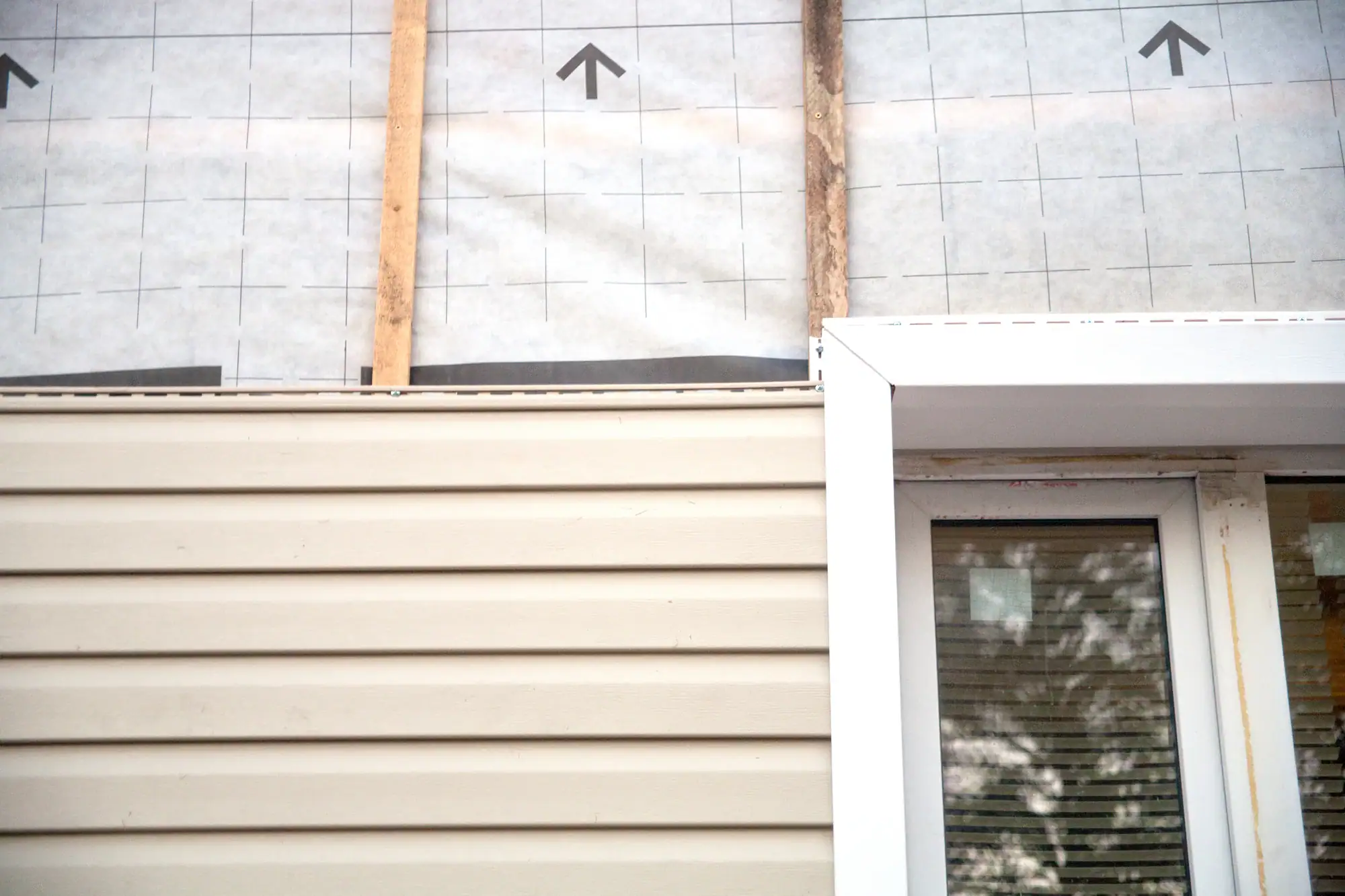
The most common discovery when we remove old siding from Bicentennial Village homes is that the problem was already worse underneath. The original vinyl on a 1990s Colonial that’s weathered Delaware summers — the humidity, the freeze-thaw cycles, the nor’easters — doesn’t fail all at once. It fails quietly.
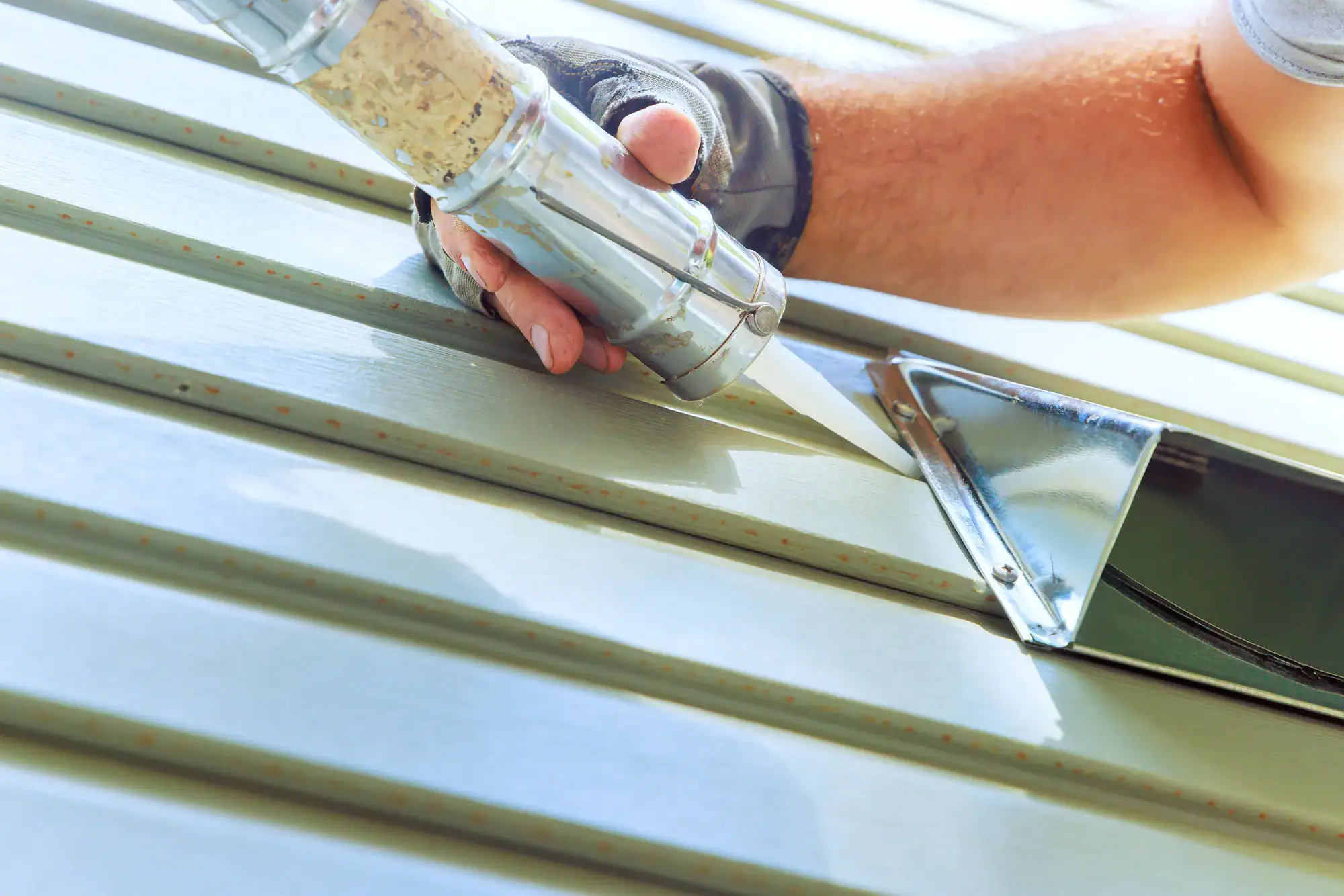
Seams separate. Caulking dries out. Moisture finds its way behind the panels before there’s anything visible to flag it. Once we address that with a proper installation — new panels, moisture barrier, weatherproof seams, everything sealed the way it should be — the difference isn’t just visual. The walls stop working against you. Mold and mildew don’t get a foothold. The home holds its value instead of quietly losing it.
That matters in Bicentennial Village’s real estate market, where homes move quickly. Buyers notice siding. Whether you’re planning to sell or planning to stay, getting this done properly means you’re not handing the next owner — or the next storm season — a problem you knew about.
We’re based in Smyrna, about 15 miles up Route 13 from Bicentennial Village, and have been working throughout Kent County for over two decades. That’s not a corporate service area map — it’s actual project experience on the same 1970s ranches and 1990s Colonials that define neighborhoods like Bicentennial Village.
We’re owned and operated by Melissa and Richard McCain. When you call, you’re dealing with people who are accountable to this community, not a regional call center routing jobs to whoever’s available. Every project is handled by our own trained, insured crew — no subcontractors, no surprises about who shows up.
We carry an A+ BBB rating and a 5.0/5 star rating from 63+ verified reviews, with consistent feedback about communication, clean job sites, and work that gets finished on time.
It starts with a free consultation and a detailed inspection of your existing siding. On homes in Bicentennial Village — especially the 1990s Colonials — that inspection matters more than people expect. Before any new material goes up, we check what’s underneath: sheathing condition, moisture damage, any rot or mold that developed behind panels over the years. You get a clear picture of what you’re working with before any commitment is made.
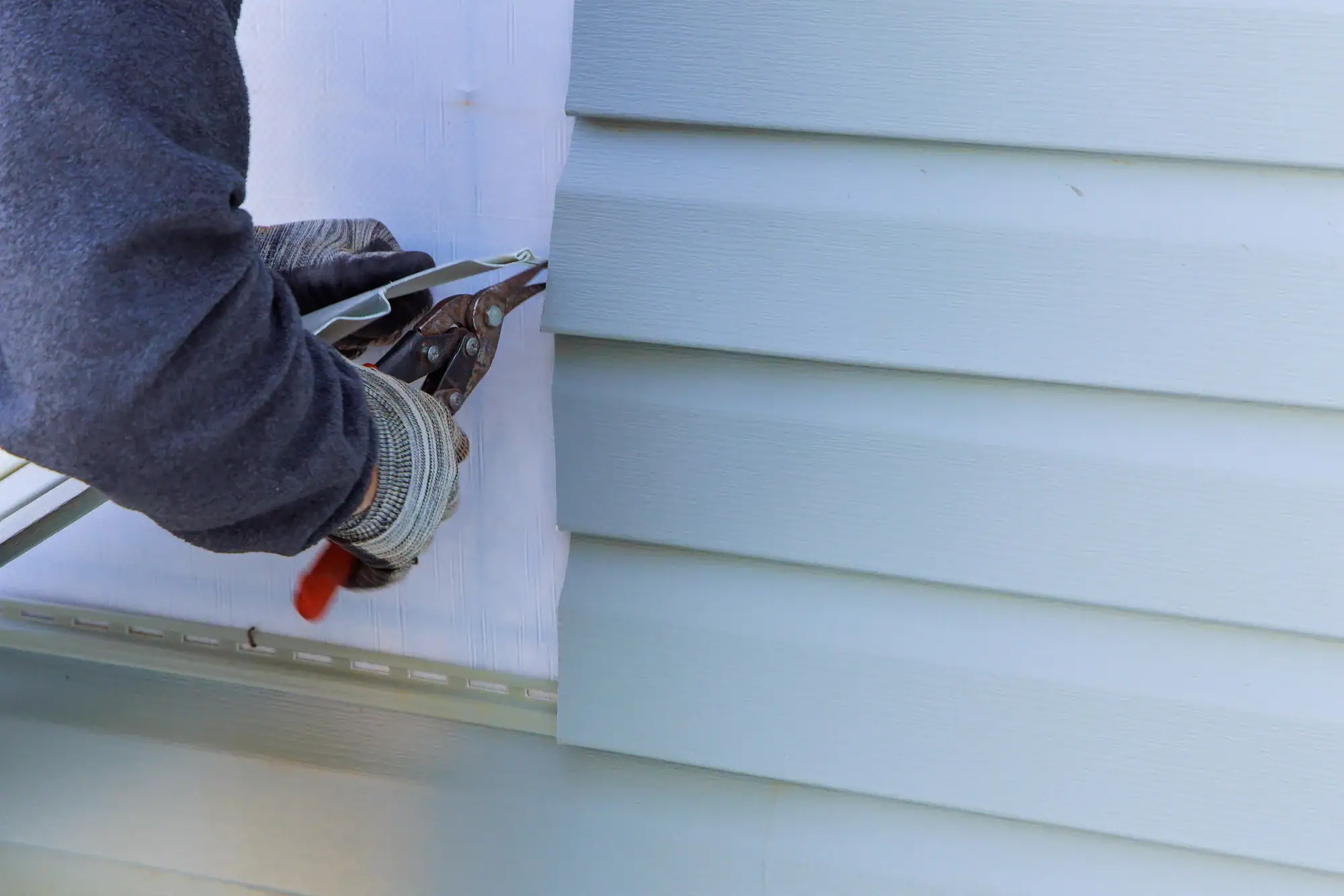
From there, the old siding comes off completely. Full removal is the right approach because it’s the only way to catch hidden damage before it gets sealed behind new material. Once the wall assembly is inspected and any underlying issues are addressed, a moisture barrier goes on, then the new siding — installed with tight, weatherproof seams built to handle Delaware’s humidity and seasonal wind loads.
Because Bicentennial Village falls within the incorporated City of Dover, siding replacement requires proper permitting. We handle that entirely — pulling the permit, coordinating inspections, and making sure everything meets City of Dover building code. You don’t have to navigate the building department or worry about whether the work will hold up at closing. Most projects run two to five days, and we clean up completely before we leave.
Ready to get started?
We install both vinyl siding and fiber cement siding, and our recommendation depends on your specific home — not on which product is easier to sell. For most Bicentennial Village homeowners, that conversation comes down to a few real factors: how much shade your home gets from the neighborhood’s mature maple and oak canopy, your timeline if you’re preparing to sell, and what you want out of the next 20 to 50 years.
Vinyl is Delaware’s most popular siding material for good reason. It’s moisture-resistant, it doesn’t rot, and it performs well through the freeze-thaw cycles and summer humidity that Kent County gets every year. A quality vinyl installation on a Bicentennial Village home holds up for 20 to 40 years when it’s done correctly — which means the right thickness, proper fastening for local wind loads, and a moisture barrier underneath.
Fiber cement is the longer-term play. It lasts up to 50 years and is essentially immune to the mold and moisture problems that Delaware’s climate accelerates — particularly on north-facing or heavily shaded walls where siding tends to fail first in this neighborhood. It also carries strong resale value: the 2024 Cost vs. Value Report found fiber cement siding recoups an average of 88% of its cost at resale nationally, compared to approximately 80% for vinyl. If you’re in a home you’re planning to hold, or if you want the strongest possible position when you do list it in Dover’s competitive market, fiber cement is worth the conversation. Either way, the job includes full removal, moisture barrier installation, trim work, sealing, and permit handling — start to finish, no outsourcing.

Yes — and this is one of the details that catches homeowners off guard. Bicentennial Village sits within the incorporated City of Dover, which means siding replacement is subject to City of Dover building permit requirements, on top of Delaware’s statewide contractor registration rules. That’s two layers of compliance, and skipping either one creates real problems: failed inspections, code violations, and complications when you go to sell the home.
We handle all of it directly. We pull the permit, schedule inspections, and make sure every aspect of the installation meets current City of Dover building code. It’s handled as part of the project. If you’re preparing to sell in Dover’s fast-moving market — where homes in Bicentennial Village are moving quickly — having a properly permitted, code-compliant siding job on record is exactly what you want buyers and their inspectors to find.
The visible signs are a starting point — fading, chalking, cracking, warping, or panels that have pulled away from the wall. But on homes built in the 1990s in Bicentennial Village, the more important question is what’s happening behind the siding. Delaware’s humidity and seasonal storms create conditions where moisture works into the wall assembly long before there’s anything obvious on the surface.
What you’re really looking for is whether the siding is still doing its job as a moisture barrier. If you’re seeing mold or mildew streaking — especially on the north-facing or tree-shaded sides of the house, which is common given the mature canopy in Bicentennial Village — that’s a sign the surface has already lost its resistance. Soft spots near windows, door frames, or corners are another indicator that moisture has been getting behind the panels. A proper inspection, which we provide at no cost, will tell you what’s actually going on before you commit to anything.
It can be, and it’s worth checking before you assume you’re paying out of pocket. Dover and the surrounding Kent County area sees real weather — the region has been under severe weather warnings dozens of times in the past year alone, with Doppler-detected hail events and sustained winds from nor’easters that are capable of damaging siding. Wind-driven impact, hail strikes, and water infiltration from storm damage are all scenarios that homeowners insurance policies commonly cover.
The catch is that insurance claims for siding damage require documentation, and the process can feel confusing if you haven’t done it before. We assist with insurance claims for storm-damaged siding — helping you understand what’s covered, what documentation is needed, and how to move through the process without leaving money on the table. If you’ve had a recent storm and you’re not sure whether your siding took damage, a free inspection is the right first step.
Both materials work well in Delaware’s climate, but they’re not interchangeable, and the right choice depends on your home and your priorities. Vinyl is the more affordable option and handles moisture and humidity well — it won’t rot, it doesn’t absorb water, and a quality installation holds up for 20 to 40 years through Kent County’s freeze-thaw cycles and summer storms. It’s the most popular siding material in Delaware for those reasons.
Fiber cement — James Hardie being the most recognized brand — takes things further. It lasts up to 50 years, holds paint better over time, and is essentially immune to the mold and mildew issues that Delaware’s humidity can accelerate on older or lower-grade siding. It’s also more impact-resistant, which matters in a neighborhood that sees real storm seasons. The tradeoff is cost: fiber cement runs higher than vinyl upfront, but the 2024 Cost vs. Value Report shows it recoups an average of 88% of its cost at resale, compared to roughly 80% for vinyl. For Bicentennial Village homeowners thinking about long-term value — or preparing to sell in a market where buyers are paying attention to exteriors — that difference is worth factoring in.
Most siding installation projects run two to five days, depending on the size of the home and the material being installed. For a typical 2,000–2,500 square foot Colonial in Bicentennial Village, you’re generally looking at the middle of that range — three to four days for a full replacement under normal conditions.
Our crew works from the exterior, so you don’t need to be home for most of the project and your daily routine inside the house stays largely unaffected. What you will notice is activity outside — removal of old siding, installation of the moisture barrier and new panels, trim work, and sealing. We handle cleanup as we go and do a full site cleanup before we leave at the end of the project. In a neighborhood where homes sit close together and neighbors are attentive, that matters.
Yes, financing is available. A full siding replacement on a home in Bicentennial Village is a real investment — the scope, the materials, and the permitting all add up — and not every homeowner is in a position to write a check for the full amount the day they decide to move forward. Financing makes it possible to get the project done when it needs to happen, rather than waiting while the underlying damage gets worse or the selling window gets shorter.
This is especially relevant for military families in the Dover area who may be working with a specific timeline — PCS orders don’t always give you months to plan a major exterior project. Being able to finance the work and move forward quickly, without compromising on materials or workmanship, is a practical option that makes a real difference. We’ll walk you through what’s available during your free consultation so you can make a decision that fits your situation.
Other Services we provide in Bicentennial Village