

Hear from Our Customers
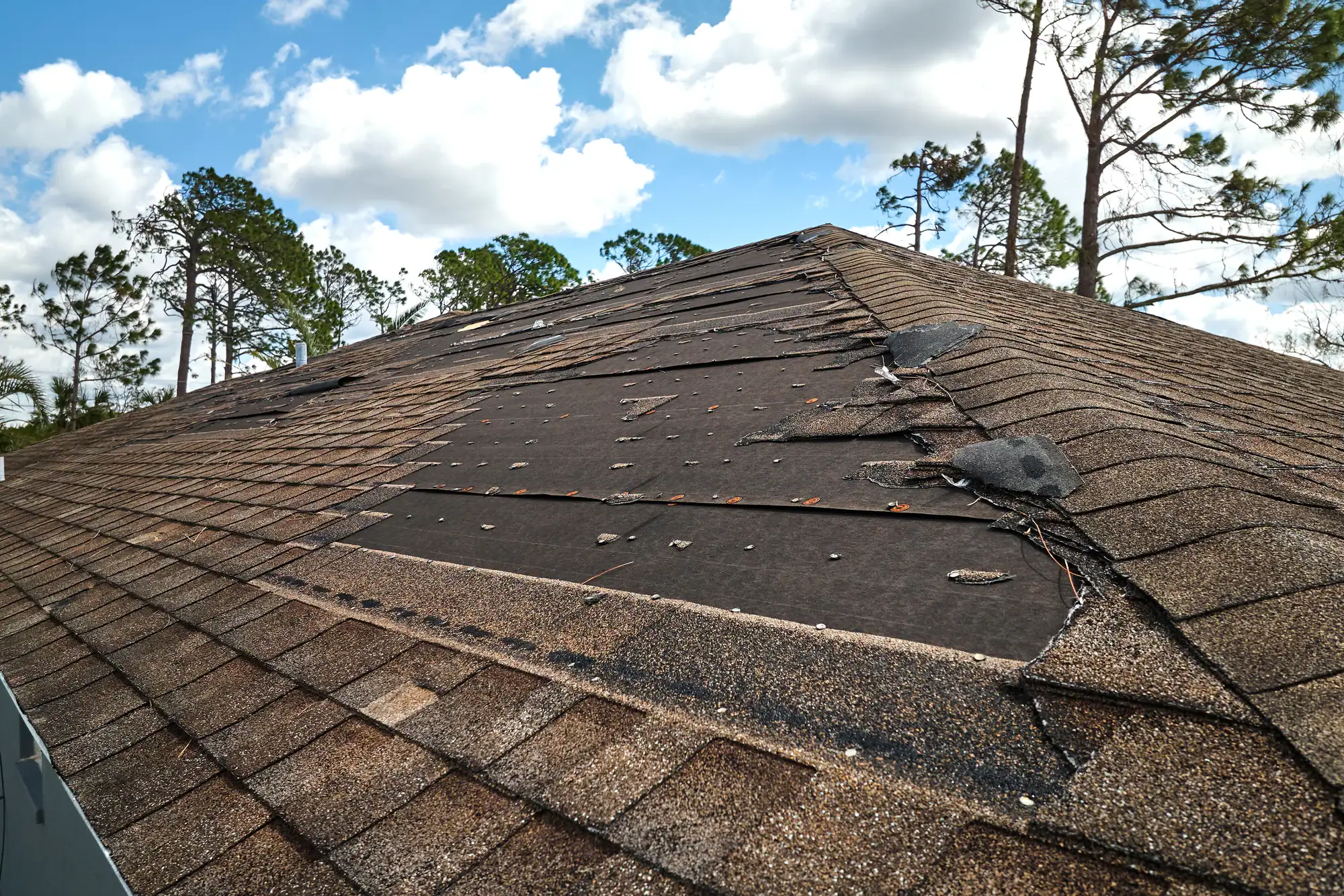
Clayton experiences around 44 inches of rain annually, and summer thunderstorm season here isn’t subtle. AccuWeather flags the 19938 ZIP code for damaging winds and flash flooding potential every season. What that means practically is that a roof with granule loss, a lifted shingle, or a compromised flashing joint isn’t just a maintenance item — it’s a liability waiting for the next storm to activate it.
A ceiling stain shows up weeks after the water first got in. By then, you’re not dealing with a shingle problem anymore — you’re managing water damage in the attic, potential mold, and compromised decking that will cost significantly more to repair.
The good news is that most roof issues, caught early, are straightforward repairs. We perform a professional inspection that tells you exactly what you’re working with — no guessing, no worst-case assumptions. When we come out to your Clayton home, you get a clear picture of what needs attention now, what can wait, and whether a full replacement is actually on the table or not. That honesty matters, especially when you’re trying to decide between a repair and a much bigger project.
For homeowners in Clayton’s older downtown core along Main Street — where some properties date back well before the 2000s — the situation can be more layered. Decades of patched repairs, mismatched materials, and flashing installed by contractors long out of business create a roof system that looks fine from the street but may be quietly failing underneath. Getting a real assessment from a crew that knows what to look for changes everything.
We operate out of Smyrna, DE — just a short drive from Clayton via DE 6. That proximity means when you call, the team that shows up actually knows this area: the weather patterns, the building stock, the permit process, and what roofs in Kent County go through over a 20-plus-year lifespan.
We’ve been doing this work in Delaware for over 22 years. Richard McCain leads a crew that handles every job in-house — no subcontractors, no handoffs to people you’ve never met. The same team that starts your project finishes it. That consistency shows up in our reviews, which consistently mention clean job sites, clear communication, and work completed on schedule.
We also hold GAF Master Elite Contractor status — a certification held by only the top 2% of roofing contractors in the country. For Clayton homeowners, that translates directly to access to the GAF Golden Pledge® Limited Warranty, which covers both materials and workmanship. Most contractors serving this area can’t offer that level of protection.

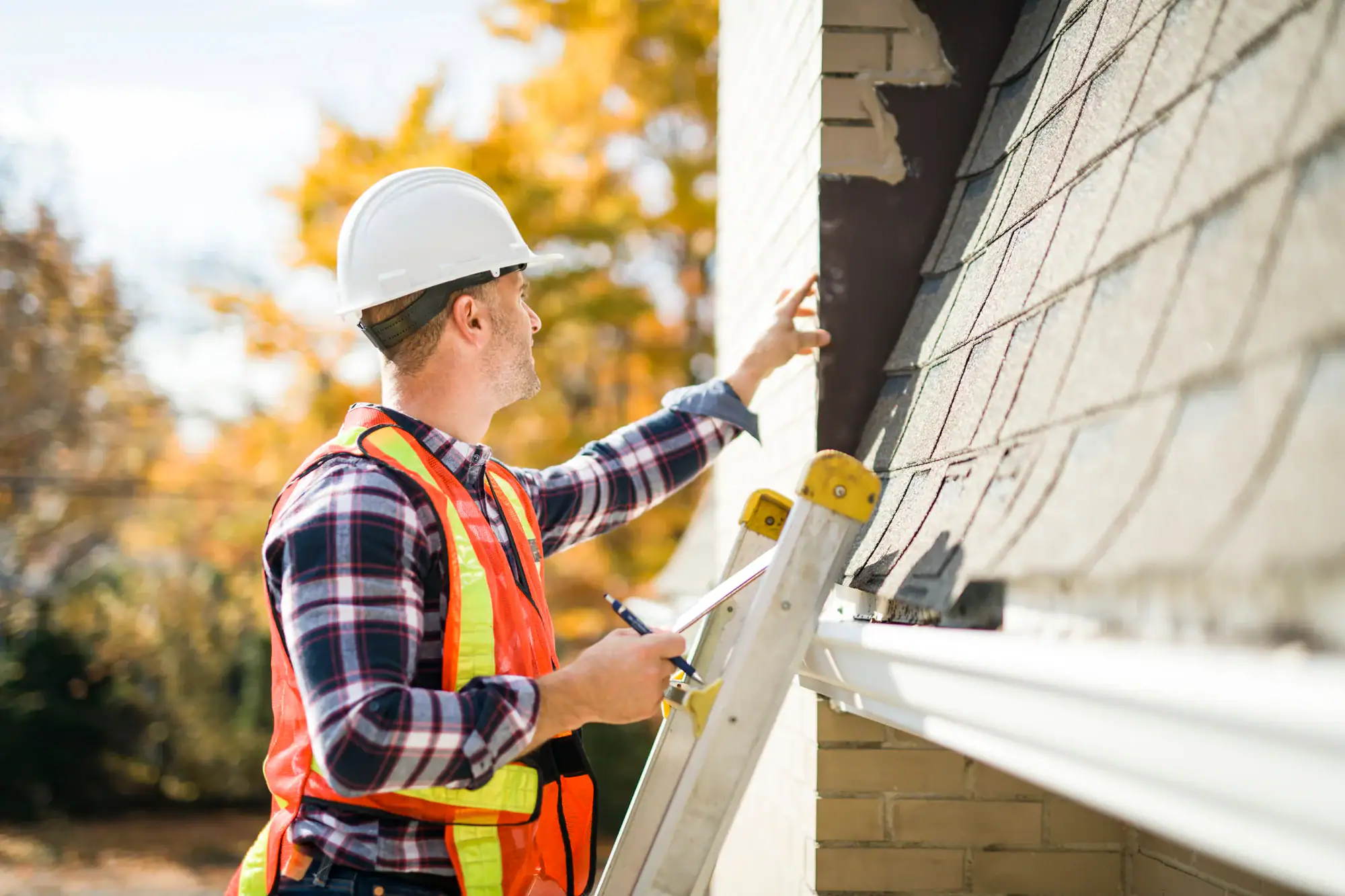
It starts with a free inspection. One of our crew members comes out, gets on the roof, and takes a real look — not a drive-by assessment from the street. We’re checking shingles, flashing, underlayment, decking, and ventilation. The goal is to understand exactly what’s going on before any conversation about cost or scope happens.
From there, you get a written estimate that spells out what needs to be done and why. If the damage is storm-related, we can help you work through the insurance claims process — documenting the damage, communicating with your adjuster, and making sure the claim reflects the full scope of what needs to be repaired. That’s a step a lot of contractors skip entirely, and it’s one of the reasons Clayton homeowners dealing with storm damage find the process so frustrating on their own.
One thing worth knowing if you’re in Clayton specifically: roof permits here require a scheduled inspection through First State Inspection Agency at 302-422-3859, and a final inspection is required before the permit closes out. That’s a local procedural detail that out-of-area contractors often don’t know, and it can create real headaches for homeowners if it’s handled wrong. We know the local process and handle permitting correctly from the start.
Once the work is done, the job site is cleaned up completely — no debris left in the yard, no nails in the driveway.
Ready to get started?
Not every roof problem is a replacement. And not every repair is enough. The honest answer depends on what’s actually happening up there — the age of the materials, the extent of the damage, and whether the underlying structure is still sound. We handle the full range: shingle repair and replacement, flashing repair, leak remediation, storm damage restoration, emergency roof repair, and full roof replacement when the situation calls for it. We also work on gutters, siding, windows, and skylights, so if a storm hit more than just your roof, you’re not coordinating three different contractors.
For Clayton homeowners in the 2000s-era subdivisions — where original asphalt shingle roofs are now 20 or more years into their lifespan — the inspection process often reveals granule loss, shingle curling, or nail pops that aren’t visible from the ground. Catching these early typically means a targeted repair rather than a full replacement. Waiting until a leak appears inside the house usually means the damage has already progressed to the decking or insulation, which changes the scope and cost significantly.
If your home falls within Clayton’s Downtown Development District boundary, it’s worth asking whether your project qualifies for the state’s DDD rebate program, which can offer up to 20% back on qualified capital construction costs for improvements within the district. We also offer financing for larger projects, so an unexpected repair or replacement doesn’t have to stall while you figure out the budget. Free estimates are available — no commitment required to find out where your roof actually stands.
The honest answer is that you often can’t tell from the ground, and neither can a contractor who hasn’t actually gotten on the roof. The general industry guideline is that if more than 30% of the roof surface needs work, replacement is usually the smarter financial move over repair. But the age of the roof matters just as much as the percentage of damage.
For Clayton homeowners in the subdivisions built in the early 2000s, the math is straightforward: asphalt shingles typically last around 25 years under normal conditions. A roof installed in 2003 is now over 20 years old and may be approaching the end of its functional life even if it hasn’t leaked yet. Signs like granule buildup in gutters, shingles that are curling at the edges, or flashing that’s starting to pull away from the chimney or walls are all indicators that the system is degrading. A professional inspection gives you a clear picture of where you actually stand — and a trustworthy contractor will tell you whether repair is genuinely sufficient or whether you’re patching something that needs to be replaced.
Roof repair costs vary considerably depending on what’s actually wrong. Minor repairs — a few lifted shingles, a small flashing issue — can run as low as $150. More significant repairs involving multiple damaged sections, underlayment issues, or decking damage can run up to $7,000. The range is wide because the scope of work varies that much from one job to the next.
Several factors affect where your project falls in that range: the size of the damaged area, the pitch of the roof, the materials involved, and how accessible the problem area is. Labor accounts for roughly 60% of total roofing project cost, which is why the cheapest bid often reflects corners being cut on crew quality or proper installation steps, not just a more efficient operation. For Clayton homeowners, getting a written, itemized estimate before any work begins is the best way to understand exactly what you’re paying for and why — and to compare estimates on an apples-to-apples basis rather than just on the bottom line number.
It depends on the cause of the damage, the age of the roof, and the specific terms of your policy. Generally speaking, homeowners insurance covers sudden, storm-related damage — wind, hail, a falling tree — but typically does not cover damage that results from gradual wear, deferred maintenance, or an aging roof that was already past its useful life. The distinction matters, and insurance adjusters will look at the roof’s condition and age when evaluating a claim.
Clayton’s summer storm season produces the kind of wind and hail events that do generate legitimate insurance claims. The challenge is that damage from these events isn’t always obvious from the ground, and a claim that’s filed without proper documentation of the full scope of damage can result in a payout that doesn’t cover everything that actually needs to be repaired. We assist Clayton homeowners with the insurance claims process — helping document damage thoroughly and communicate with adjusters so the claim reflects what’s actually there. If you’ve had a storm come through and you’re not sure whether to file a claim, a professional inspection is the right first step before you decide.
For minor repairs — replacing a few shingles or patching a small section — a permit is typically not required. But for larger projects, particularly those involving replacement of more than 25% of the roof sheathing or a change in roofing material type, a permit is required. And in Clayton specifically, the permitting process works a little differently than in some other Kent County municipalities.
The Town of Clayton requires that roof permits be scheduled through First State Inspection Agency at 302-422-3859. A final inspection is also required before the permit can be closed out. This is a local procedural detail that out-of-area contractors sometimes aren’t aware of, which can create compliance issues for homeowners after the fact. Working with a contractor who knows Clayton’s specific permit requirements — and handles that process correctly from the start — protects you from code enforcement problems down the road and ensures the work is properly documented for future home sales or insurance purposes.
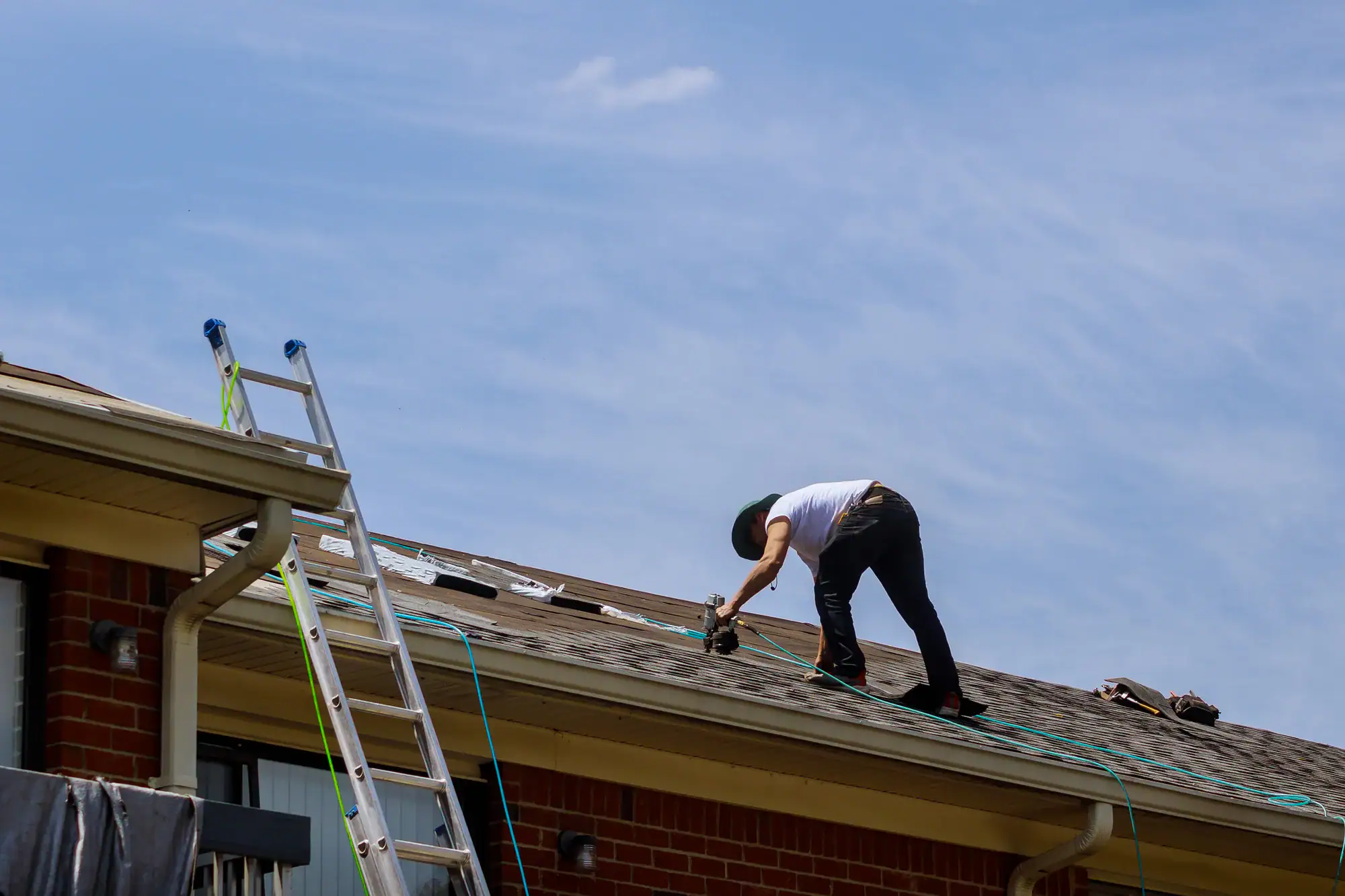
Most roof repairs — shingle replacement, flashing repair, leak remediation — are completed in a few hours to a full day, depending on the size of the damaged area and what we find once we’re up there. More extensive repairs involving decking or underlayment replacement can take two to three days. Full replacements typically run one to three days for a standard residential roof.
As far as timing goes, fall is generally the best window for planned roofing work in Delaware. Temperatures are milder, humidity is lower, and materials seal properly without the complications that come with extreme summer heat or winter cold. That said, Clayton’s summer thunderstorm season means a lot of repair calls come in between June and September, and emergency repairs can’t always wait for ideal conditions. We offer emergency roof repair availability for situations where waiting isn’t an option — a storm-related leak that’s actively letting water into the house, for example, needs to be addressed before the next rain event, not scheduled for October.
GAF Master Elite is the highest certification tier that GAF — the largest roofing manufacturer in North America — awards to contractors. Only the top 2% of roofing contractors in the country hold this status, and it requires ongoing training, a proven track record, and maintained insurance and licensing standards. It’s not a designation that gets handed out broadly.
For Clayton homeowners, the practical reason it matters is the warranty. GAF’s Golden Pledge® Limited Warranty — the strongest warranty GAF offers — is only available when the roof is installed by a Master Elite contractor. It covers both the materials and the workmanship under a single document, which is meaningfully different from the manufacturer-only material warranties that most contractors can offer. If something goes wrong with the installation itself, not just the shingles, you’re covered. Among the contractors actively targeting the Clayton market, we hold Master Elite status — others operating in this area hold lower certification tiers or none at all. That gap in warranty protection is real, and it’s worth understanding before you sign with anyone.
Other Services we provide in Clayton