Why Roof Restoration Services Are Worth Knowing About Before You Replace Your Roof
Roof restoration services are one of the most cost-effective ways to extend the life of your home’s roof — and most Kent and Sussex County, DE homeowners don’t realize they’re even an option until they’re already facing a replacement quote.
Here’s a quick answer if you’re weighing your options:
| Option | Average Cost | Lifespan Added | Best For |
|---|---|---|---|
| Roof Repair | Lowest | 1-5 years | Isolated damage |
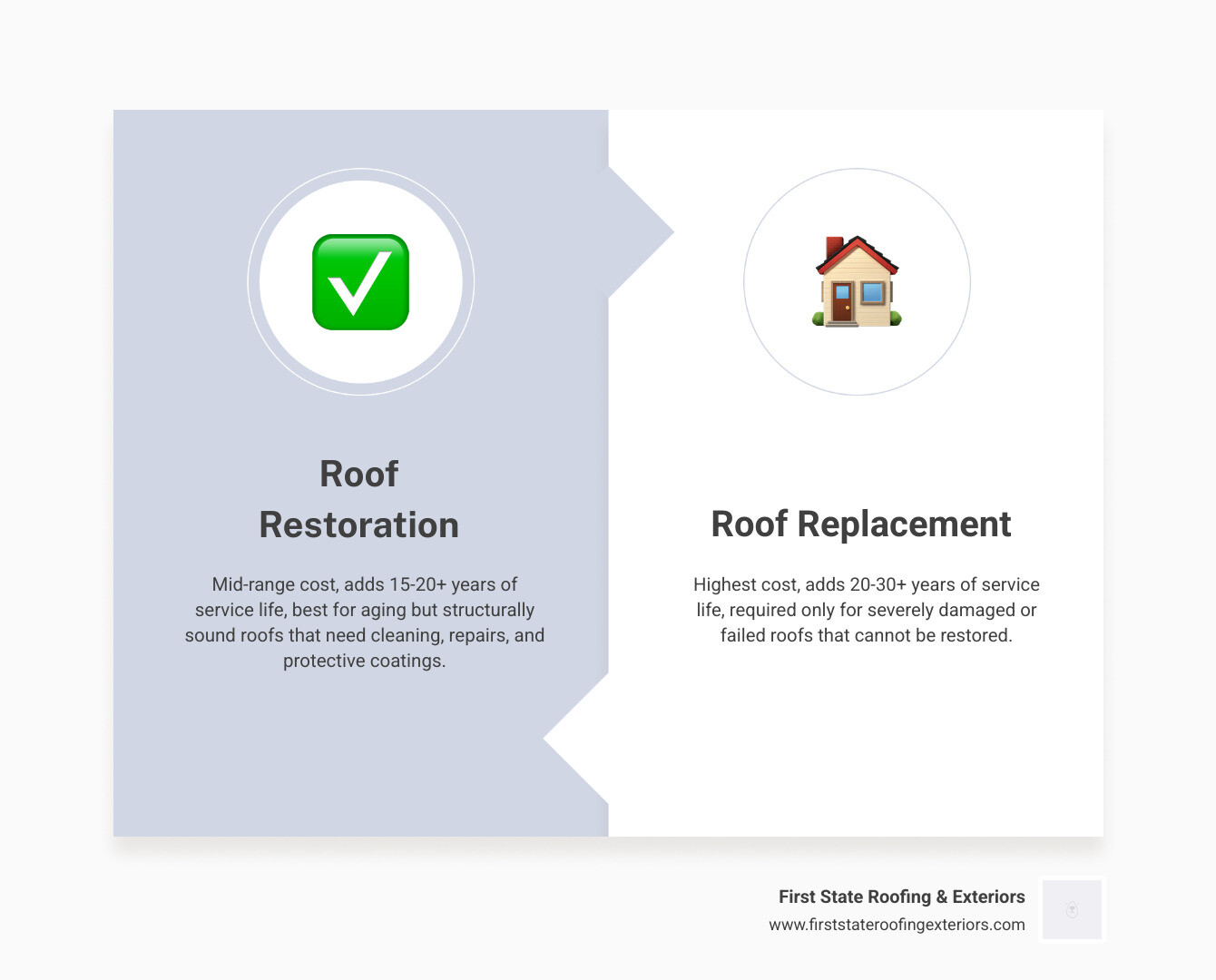
| Roof Restoration | Mid-range | 15-20+ years | Aging but structurally sound roofs |
| Roof Replacement | Highest | 20-30+ years | Severely damaged or failed roofs |
Restoration sits in the sweet spot between a quick fix and a full tear-off. It cleans, repairs, and resurfaces your existing roof — extending its service life by 15 to 20 years at roughly 30% to 50% of the cost of replacement. That translates to thousands of dollars in savings for the average Kent and Sussex County, DE homeowner.
Choosing the right path depends on your roof’s current condition, age, and what’s causing the problem. Partnering early with a trusted Kent and Sussex County, DE roofing contractor means you get an honest assessment — not just a replacement pitch.
I’m Richard McCain, Owner and President of First State Roofing & Exteriors, and with over 20 years of hands-on experience delivering roof restoration services across Kent and Sussex County, DE, I’ve seen how the right restoration can add decades of reliable protection to a home. In this guide, I’ll walk you through exactly what roof restoration involves, when it makes sense, and how to make the best decision for your home and budget.
What Are Roof Restoration Services?
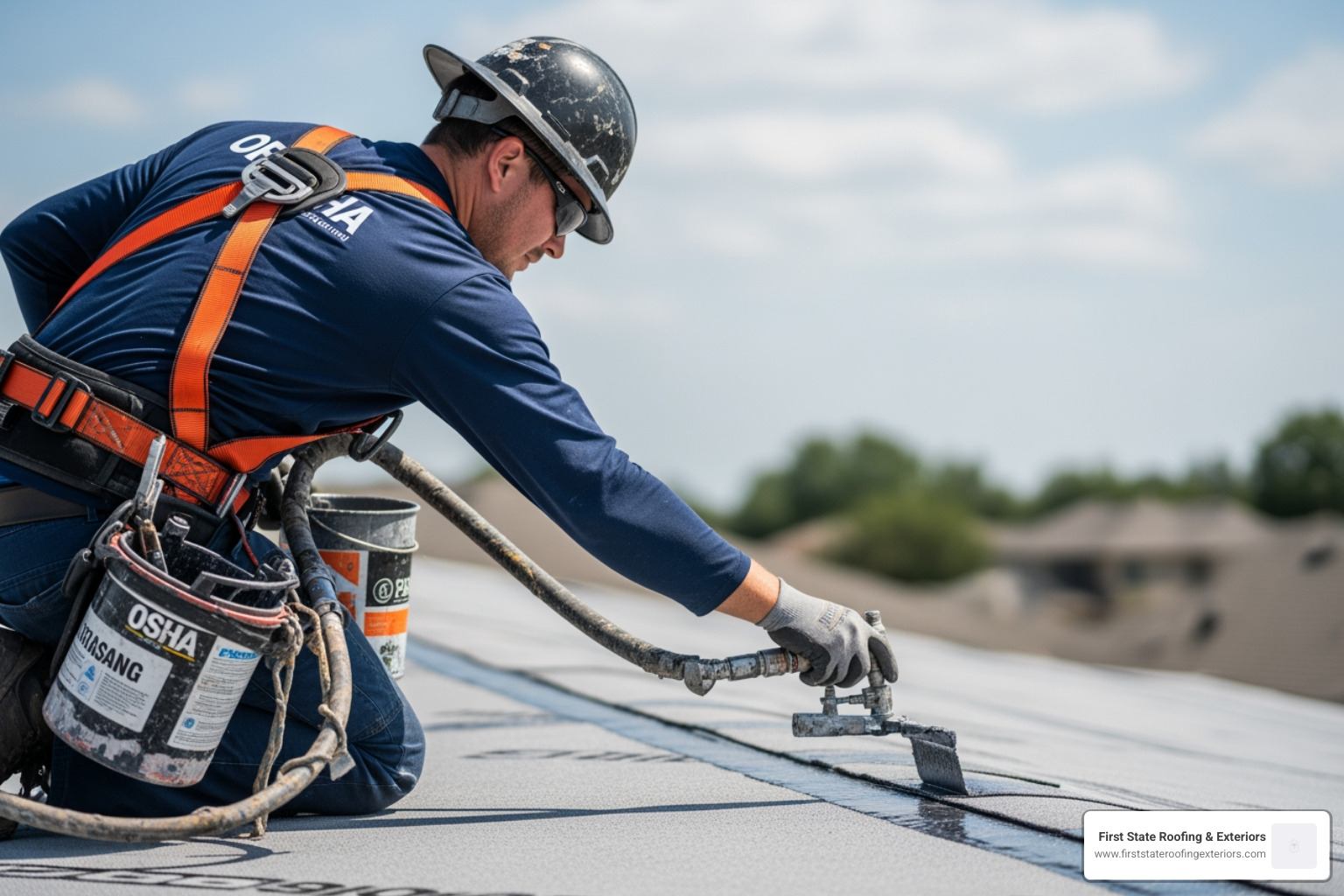
Roof restoration is a comprehensive, multi-step preservation process that cleans, repairs, and resurfaces an existing roof system to extend its service life without a full tear-off. Unlike a quick patch job or a massive replacement project, restoration treats the roof as an integrated asset, upgrading its protective capabilities from the deck up.
At First State Roofing & Exteriors, we utilize several core technologies to breathe new life into aging roofs:
- Fluid-Applied Membranes: These liquid coatings cure into a seamless, rubber-like shield that conforms to any roof shape, eliminating the seams where over 90% of commercial and residential leaks originate.
- Elastomeric Silicone Coatings: Highly flexible and incredibly water-resistant, silicone is the premier choice for flat roofs or areas prone to standing water.
- Acrylic Sealants: Excellent for sloped metal and asphalt roofs, acrylics provide superior UV protection and color retention, preventing the sun from drying out and weathering your shingles.
To help you visualize where this service fits, look at how the three main roofing options compare across critical metrics:
| Metric | Roof Repair | Roof Restoration | Roof Replacement |
|---|---|---|---|
| Average Cost | Lowest (typically hundreds) | Mid-range (saves 50% to 70% vs. replacement) | Highest (typically thousands) |
| Lifespan Extension | 1 to 5 years | 15 to 20+ years | 20 to 30+ years |
| Material Waste | Minimal | Near Zero (reuses existing substrate) | High (tons of waste sent to landfills) |
| Installation Timeline | A few hours | 2 to 4 days | 1 to 2 weeks |
If your roof is only dealing with localized issues like a single leaky pipe boot or a few wind-blown shingles, a full restoration might be overkill. For targeted issues that do not require a full restoration, homeowners can utilize expert roof repair services to address localized leaks and damaged shingles.
Key Signs Your Home Needs Roof Restoration
Knowing when to schedule roof restoration services can save you from the massive headache of an emergency replacement. In Kent and Sussex County, DE, our roofs face a brutal mix of high summer humidity, coastal salt air, heavy rainfall, and freezing winter temperatures.
Here are the most common signs that your roof is a prime candidate for restoration rather than a complete tear-off:
- The 10-12 Year Threshold: Once an asphalt shingle or single-ply roof reaches a decade of service in the Mid-Atlantic region, its original protective oils begin to dry out. This makes the material brittle and highly susceptible to thermal shock (expanding and contracting during rapid temperature swings). Catching your roof during this window allows us to restore those protective oils and flexibility before structural damage occurs.
- Water Intrusion Indicators: Keep an eye out for minor water damage, yellow or brown ceiling stains, and localized leaks. If these issues are caught early while the underlying roof deck and insulation are still dry and structurally sound, restoration is highly viable. If you notice active dripping, read our comprehensive roof leak repair guide to learn how to mitigate damage immediately.
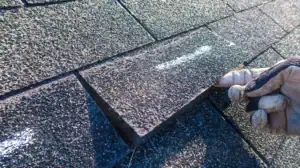
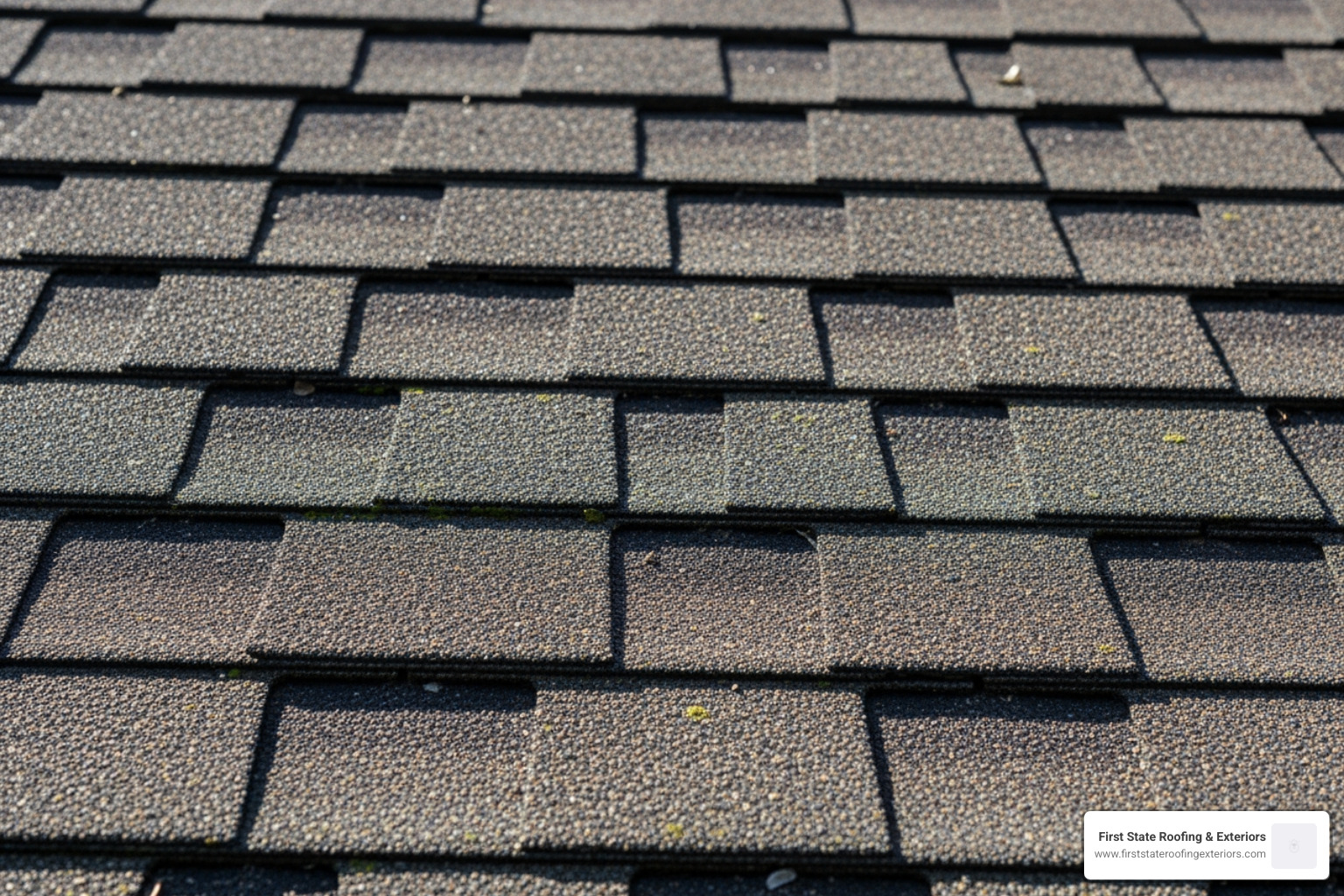
- Biological Growth: Moss, algae, and lichen do more than ruin your home’s curb appeal. They actively root into asphalt shingles, trapping moisture against the surface and causing the protective granules to decay.
- Aesthetic and Functional Decline: Faded tiles, brittle shingles, and chronically clogged gutters filled with protective shingle granules are clear indicators of wear. If your shingles look bald or “bald spots” are appearing, the roof is losing its weatherproofing shield and needs a restorative coating.
The Step-by-Step Professional Roof Restoration Process
A successful roof restoration requires precision, high-grade materials, and a strict sequence of steps. We never cut corners, adhering strictly to the professional application guidelines established by the National Roofing Contractors Association (NRCA).
Here is the exact process our certified crews follow to deliver flawless results:
Step 1: 21-Point Inspection
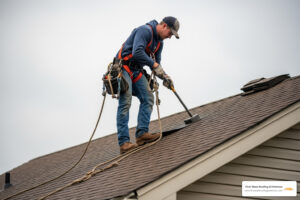
We begin with a comprehensive physical assessment of your entire roofing system. We inspect the roof deck, flashing, underlayment, and ventilation systems to ensure the structural bones of your roof are strong enough to support a restoration.
Step 2: High-Pressure Washing
Using specialized, eco-friendly cleaning solutions and high-powered spray blasters, we deep-clean the entire roof surface. This step eliminates built-up dirt, mold, mildew, lichen, and loose debris, creating a perfectly clean substrate for the new coatings to bond to.
Step 3: Structural Repairs
Before any coating is applied, we address all existing damage. This includes replacing cracked or missing shingles, securing loose materials, removing retired chimneys, and replacing damaged flashing around valleys, vents, and chimneys.
Step 4: Re-Bedding and Re-Pointing
For tile roofs, we restore the structural mortar. We re-bed loose tiles and re-point ridge caps using advanced, flexible acrylic compounds that expand and contract without cracking.
Step 5: Primer Application
We apply a high-adhesion primer across the entire clean roof surface. This chemical primer acts as a double-sided tape, ensuring a permanent, monolithic bond between your old roof and the new protective membrane.
Step 6: Protective Membrane Coating
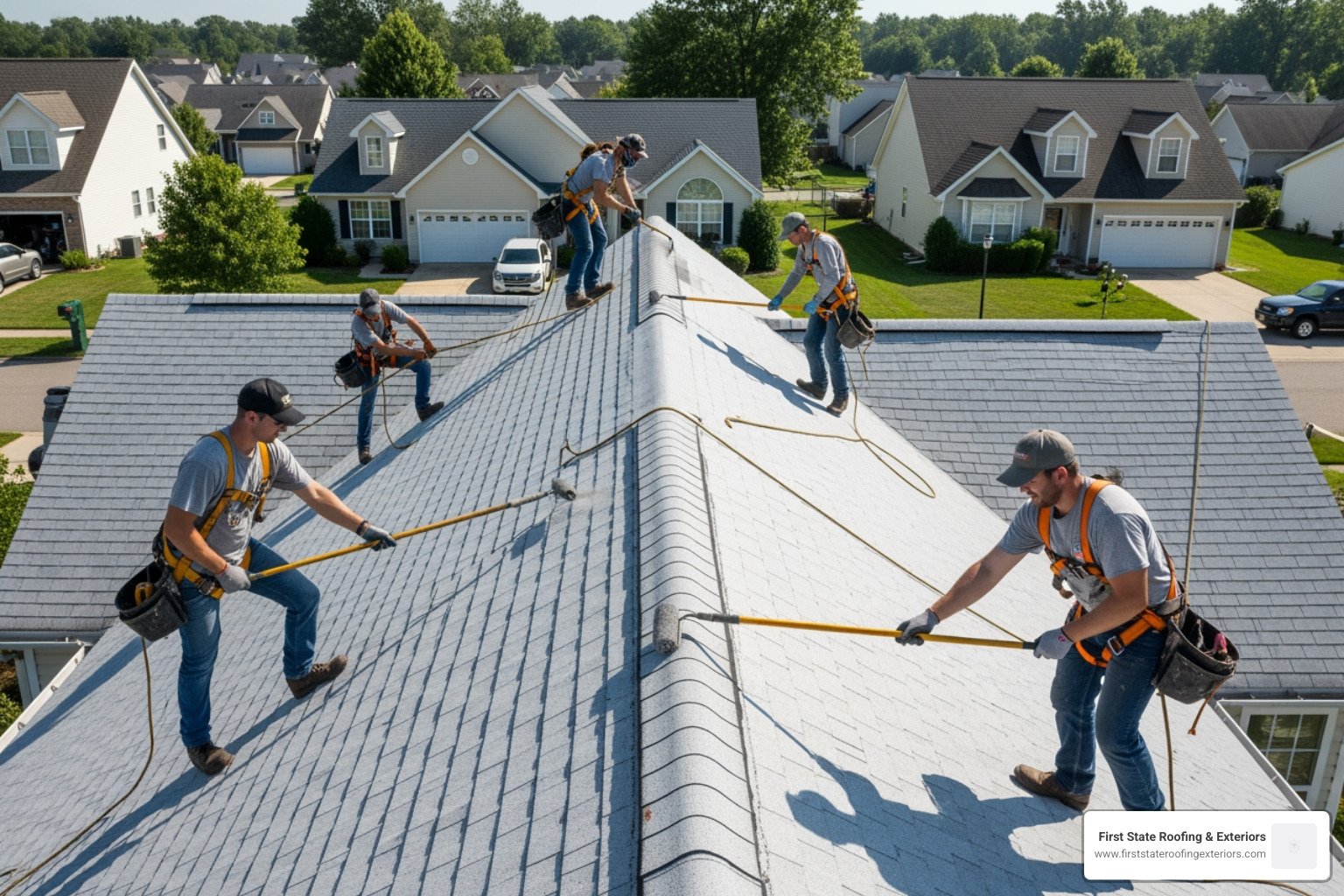
Finally, we apply two coats of premium elastomeric or silicone membrane. This liquid-applied system cures within hours to form a seamless, highly reflective, and completely waterproof shield over your home.
Major Benefits of Choosing Restoration Over Replacement
Opting for professional roof restoration services over a complete replacement offers massive advantages for your wallet, your home’s comfort, and the environment.
- Cost-Effectiveness: A professional fluid-applied restoration typically costs 50% to 70% less than a traditional tear-off and replacement. Because we do not have to pay for heavy demolition equipment, massive roll-off dumpsters, or high landfill disposal fees, we pass those savings directly to you.
- Environmental Sustainability: Traditional roof replacements generate tons of heavy, non-biodegradable waste that ends up in Kent and Sussex County, DE landfills. Restoration keeps your existing roof substrate in place, virtually eliminating construction waste. You can compare the long-term financial and environmental differences of these options in our complete roof replacement guide.
- Energy Efficiency: Many modern restoration coatings are classified as “cool roofs.” According to the U.S. Department of Energy, these highly reflective white coatings can drop roof surface temperatures by up to 50 degrees Fahrenheit during peak summer months. This keeps your attic cool and can lead to a 35% reduction in your summer cooling costs.
- Extended Lifespan: A high-quality restoration adds 15 to 20 years of reliable, leak-free service life to an existing roof structure. Better yet, many fluid-applied systems can be recoated again in the future, indefinitely delaying the need for a costly replacement.
Frequently Asked Questions About Roof Restoration Services
How much do roof restoration services cost compared to replacement?
On average, roof restoration costs 30% to 50% of the price of a complete roof replacement, yielding immediate savings of 50% to 70%. For a typical home, this represents savings of thousands of dollars.
The exact cost is determined by several factors, including the square footage of your roof, the slope (pitch), the extent of existing minor repairs needed, and the type of coating material selected (such as silicone or acrylic).
Furthermore, commercial and income property owners enjoy significant tax advantages. In many cases, because roof coatings are classified as “maintenance” or “repair” rather than capital improvements, the entire cost can be deducted in the first year under Section 179, rather than depreciated over 39 years. You can review eligible tax write-offs and depreciation rules directly via the IRS Section 179 tax deduction guidelines.
Which materials are best suited for professional roof restoration services?
Roof restoration is highly versatile, but substrate compatibility is key to ensuring a long-lasting bond. It works exceptionally well on:
- Metal Roofing: Restores weatherproofing and seals seams and fasteners opened by thermal expansion.
- Flat Roof Systems (EPDM, TPO, PVC): Eliminates seams and ponding water issues.
- Asphalt Shingles: Replenishes lost granules and restores shingle flexibility.
- Concrete or Clay Tiles: Repairs cracks and seals porous tiles against water absorption.
To achieve this, we match your roof with the ideal coating technology:
- Elastomeric Silicone: Best for flat roofs with ponding water issues due to its high water resistance.
- Acrylic Membranes: Ideal for sloped metal and asphalt roofs, offering excellent UV protection and color retention.
- Polyurethane Sealants: Provides superior impact resistance in high-traffic or hail-prone areas.
How long does a restored roof typically last?
A professionally executed roof restoration adds an average of 15 to 20 years of durable service life to your existing roof system.
To ensure long-term peace of mind, high-quality restoration projects are backed by robust material and workmanship guarantees, often ranging from 10 to 18 years depending on the thickness of the coating applied.
These modern elastomeric coatings are specifically engineered to withstand the intense humidity, heavy rain, and freezing winter temperatures of the Kent and Sussex County, DE and Pennsylvania climates, expanding and contracting seamlessly without cracking or peeling.
Conclusion
When your roof begins to show its age, you don’t have to jump straight to a costly, disruptive replacement. At First State Roofing & Exteriors, we are your premier local Kent and Sussex County, DE roofing experts specializing in high-performance roof restoration, repair, and maintenance. Whether you are looking for honest advice, 24/7 emergency response, or a transparent, detailed estimate, our family-owned team is here to protect your home with integrity.
We proudly serve homeowners throughout Sussex County, Kent County, and surrounding areas with dedicated Seaford DE roofing services.
Protect your home, improve your energy efficiency, and save thousands of dollars on replacement costs. First State Roofing & Exteriors offers free estimates; call (302) 222-4065 today to schedule your free, no-obligation roof inspection!