Why Finding Qualified Flat Roof Contractors in My Area Matters
When searching for flat roof contractors in my area, you are looking for specialized professionals who install, repair, and maintain low-slope roofing systems on residential and commercial buildings. Finding the right contractor is crucial because flat roofs require unique expertise—improper installation or repairs can lead to costly leaks, structural damage, and a shortened roof lifespan. For Delaware homeowners and business owners seeking trusted local roofing solutions, understanding what separates qualified specialists from general roofers is your first line of defense against future headaches.
Quick Answer: How to Find Flat Roof Contractors Near You
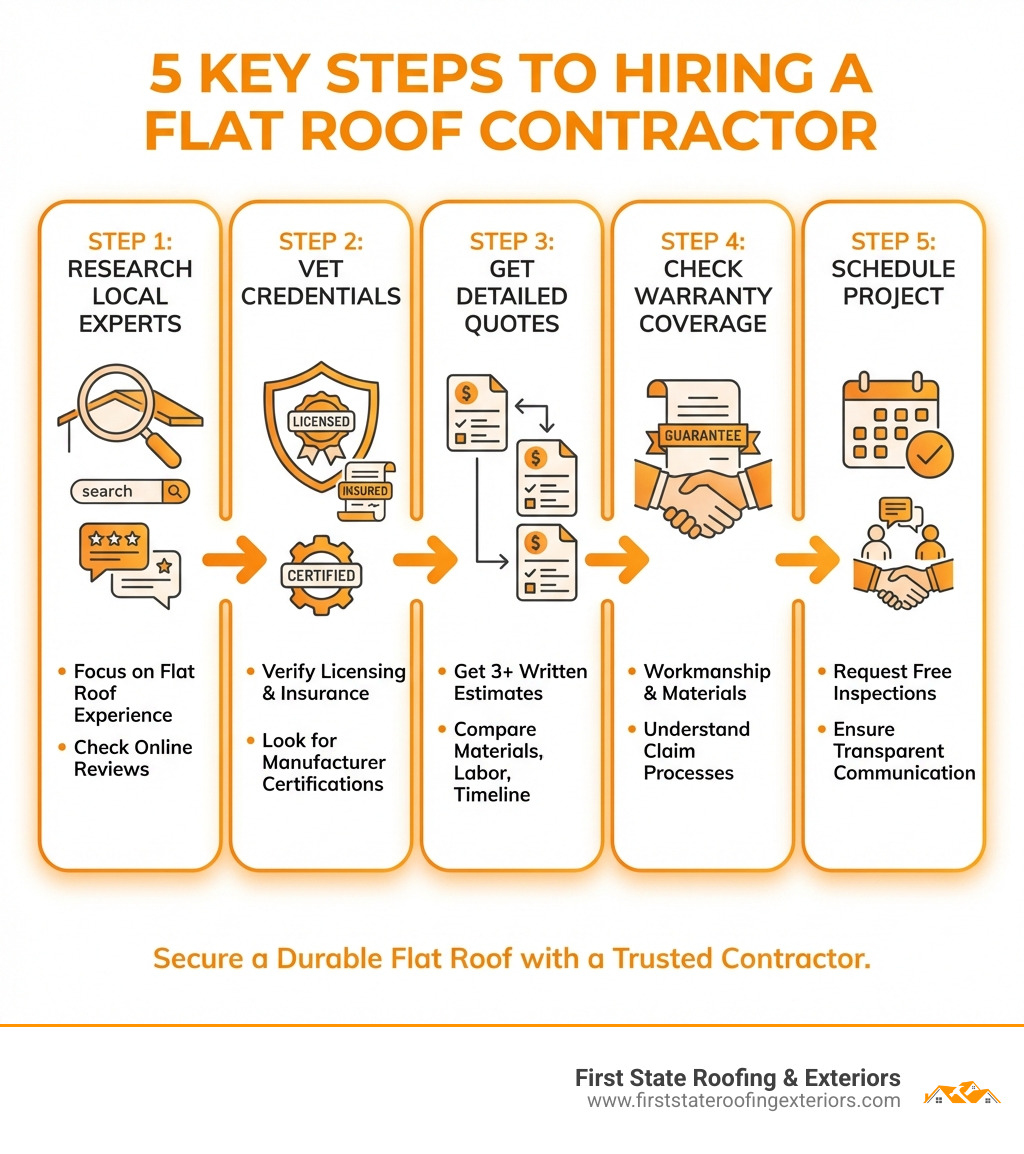
- Verify licensing and insurance – Ensure they carry liability coverage and proper credentials.
- Check for flat roof specialization – Look for contractors with specific experience in EPDM, TPO, PVC, or Modified Bitumen systems.
- Request local references – Ask for completed projects in your area and contact previous clients.
- Confirm manufacturer certifications – Top contractors hold certifications from major roofing material suppliers.
- Get multiple detailed estimates – Compare scope of work, materials, warranties, and pricing.
- Review warranties offered – Quality contractors provide both material (10-30 years) and workmanship guarantees.
Whether you need a full roof replacement, emergency leak repair, or routine maintenance, choosing a contractor with proven local expertise ensures your flat roof will perform reliably through Delaware’s humid summers and freeze-thaw winter cycles.
I’m Richard McCain, owner of First State Roofing & Exteriors, and over the past two decades I’ve helped hundreds of Delaware property owners steer the process of finding qualified flat roof contractors in my area and securing durable roofing systems. My team and I specialize in the unique demands of flat and low-slope roofing, and I’ve seen how the right contractor makes all the difference in protecting your investment.
Ready to get started? First State Roofing & Exteriors offers free estimates for all flat roofing projects. Call us at (302) 222-4065 to schedule a free inspection and discuss your specific roofing needs with a local expert who understands Delaware’s climate challenges.
Understanding Your Flat Roof: Materials and Lifespan
Flat roofs are a popular choice for both commercial and residential properties in Delaware due to their cost-effectiveness, ease of maintenance, and versatility. However, not all flat roofs are created equal. The material chosen directly impacts the roof’s performance, longevity, and maintenance requirements. A properly installed flat roof, using the right materials for your climate, can last for decades. Let’s dig into the most common types.
Common Flat Roofing Systems
When considering a flat roof, you’ll encounter several primary systems, each with its own characteristics suitable for different needs.
-
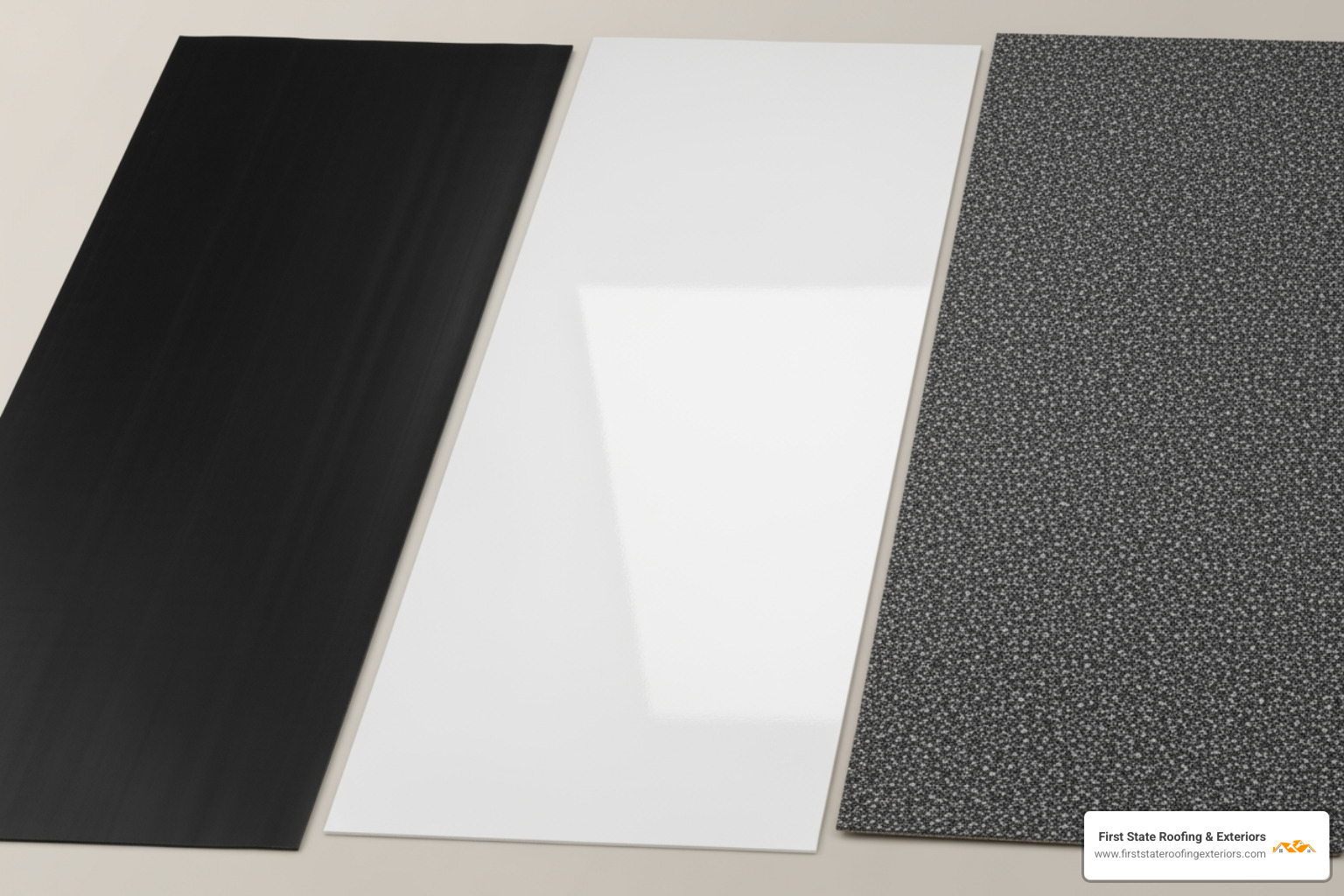
EPDM (Ethylene Propylene Diene Monomer) Rubber Roofing: Often referred to as “rubber roofing,” EPDM is a synthetic rubber membrane known for its exceptional durability and resistance to UV radiation, hail, and extreme temperatures. It’s a highly flexible material, making it ideal for the freeze-thaw cycles we experience in Delaware. With proper maintenance, EPDM roofs can last 25-35 years.
-
TPO (Thermoplastic Polyolefin): TPO is a single-ply reflective membrane that offers excellent energy efficiency due to its white, heat-reflective surface. This can significantly reduce cooling costs in Delaware’s warm summers. TPO is also highly resistant to punctures and tears, and these roofs typically last 20-30 years.
-
PVC (Polyvinyl Chloride): Similar to TPO, PVC is a single-ply membrane known for its superior chemical resistance, fire resistance, and durability. It’s a robust option, often used in commercial settings where grease or chemical exposure is a concern. PVC roofs also offer excellent UV resistance and energy efficiency, and typically last 20-30 years.
-
Modified Bitumen (MBR): This asphalt-based roofing system is a modern evolution of traditional built-up roofing. It’s composed of asphalt blended with polymers to improve flexibility and durability, often installed in layers with a torch-applied or adhesive application. MBR is known for its strength and weather resistance.
-
Built-Up Roofing (BUR): The oldest flat roofing system, BUR, involves alternating layers of roofing felt (ply sheets) and asphalt (bitumen), topped with a layer of gravel or coating. While labor-intensive to install, BUR systems are very durable and fire-resistant.
Comparing Flat Roof Materials
To help you visualize the differences, here’s a quick comparison of these popular flat roofing materials:
| Material Type | Average Lifespan (Years) | Key Advantages | Key Disadvantages |
|---|---|---|---|
| EPDM (Rubber) | 25-35 | Excellent weather resistance, flexible, affordable, easy to repair, long-lasting | Dark color absorbs heat (though white options exist), can be punctured by sharp objects, aesthetics can be basic |
| TPO | 20-30 | Energy-efficient (reflective white surface), UV resistant, puncture resistant, heat-welded seams for strength | Can be less flexible in extreme cold, quality varies by manufacturer, some early formulations had durability issues |
| PVC | 20-30 | Superior chemical and fire resistance, strong seams, durable, energy-efficient, often recyclable | More expensive than EPDM or TPO, can become brittle in extreme cold, specific installation requirements |
| Modified Bitumen | 15-20 | Durable, good puncture resistance, easy to repair, excellent waterproofing, can be reflective with coatings | Shorter lifespan than single-ply membranes, can be heavy, torch-down application requires skilled labor and safety precautions |
| Built-Up Roofing (BUR) | 20-30 | Highly durable, fire-resistant, good protection against punctures, multi-layered for redundancy | Heavy, messy installation, longer installation time, can become brittle in cold, less flexible for building movement |
Extending Your Roof’s Life with Proper Maintenance
Even the most robust flat roof system benefits immensely from consistent care. Regular maintenance is the secret sauce to maximizing your flat roof’s lifespan, often extending it from the typical 20-30 years to 50 years or more.
Answer: To extend your flat roof’s life, we recommend:
- Regular Inspections: Professional inspections should be scheduled at least twice yearly, ideally in the spring and fall. These inspections help identify minor issues before they escalate. We also recommend additional inspections after severe storms, which are not uncommon in Delaware.
- Debris Removal: Flat roofs tend to collect leaves, branches, and other debris. Regular cleaning prevents moisture retention and potential damage to the membrane.
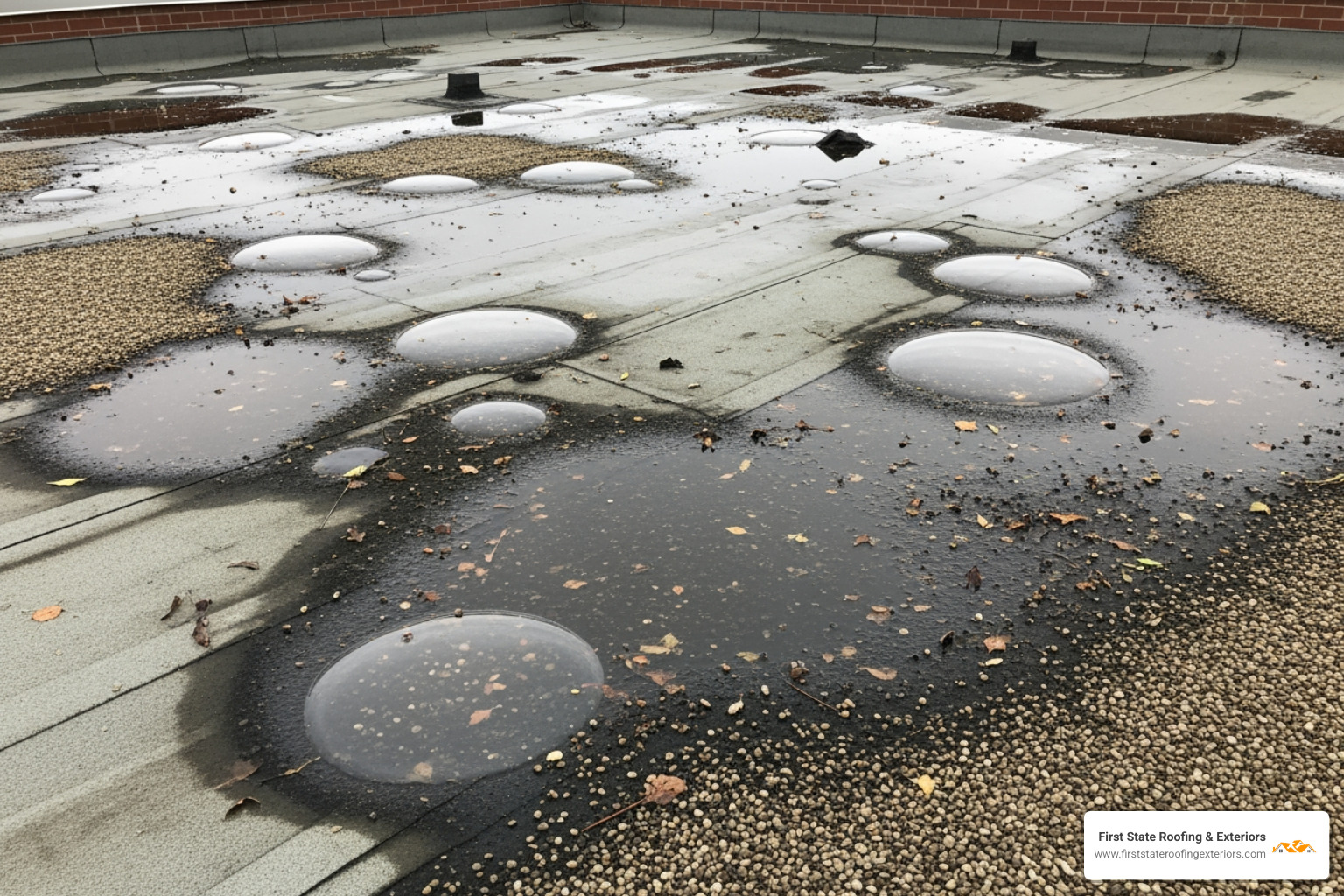
- Drainage Cleaning: Drains, scuppers, and downspouts must be kept clear. Clogged drainage systems lead to ponding water, which is a major enemy of flat roofs. Ponding water significantly accelerates material degradation and can lead to leaks.
- Ponding Water Prevention: While properly installed flat roofs are designed with a slight slope for drainage, low spots can develop over time. Addressing these through built-up roofing or tapered insulation can prevent water from accumulating.
- Prompt Repairs: Small cracks, blisters, or punctures might seem insignificant, but they can quickly lead to bigger problems. Prompt repairs can save you from costly replacements down the line and are crucial for preserving your roof’s integrity.
The importance of professional roof maintenance services cannot be overstated. Our team at First State Roofing & Exteriors offers comprehensive maintenance plans designed to keep your flat roof in peak condition, protecting your investment for decades.
Warning Signs: When to Call for Flat Roof Repair or Replacement
Knowing the signs of a failing flat roof can save you from costly interior damage and structural issues. Prompt action is key to managing repairs and deciding if a full replacement is necessary. Ignoring these warning signs is like ignoring a check engine light in your car—it only leads to more expensive problems later.
Telltale Signs of a Damaged Flat Roof
Answer: Several key indicators suggest your flat roof needs attention, ranging from minor repairs to a full replacement:
- Persistent Leaks or Water Stains on Ceilings: This is often the most obvious and alarming sign. If you see water stains on your interior ceilings or walls, especially after rain, it’s a clear indication of a roof leak. Our comprehensive guide to roof leak repair can help you understand the next steps.
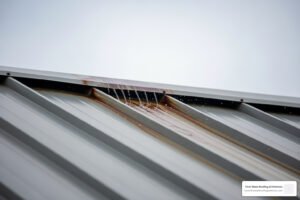
- Visible Bubbling, Blistering, or Cracking of the Roof Membrane: These surface imperfections are often caused by moisture entrapment beneath the membrane or UV degradation. Bubbles and blisters can eventually rupture, leading to leaks. Cracks expose the underlying layers to the elements.
- Shrinkage Around the Perimeter: If the roofing membrane appears to be pulling away from the edges or penetrations (like vents or skylights), it indicates shrinkage. This can compromise the watertight seal and lead to leaks.
- Ponding Water: While flat roofs are designed for slight slopes, water that remains on the roof for more than 48 hours is considered ponding. This standing water can accelerate membrane degradation, stress the roof structure, and indicate drainage issues.
- Steadily Increasing Energy Bills: A compromised flat roof can lose its insulating properties, leading to heat gain in summer and heat loss in winter. If your energy bills are mysteriously climbing, your roof might be the culprit.
Repair vs. Replacement: Making the Right Call
Once you’ve identified a problem, the next crucial decision is whether to repair or replace your flat roof. This isn’t always a straightforward choice, but we can help guide you.
Answer: The decision to repair or replace hinges on several factors:
- Age of the Roof: If your flat roof is nearing the end of its expected lifespan (e.g., 15-20+ years for Modified Bitumen, 20-30+ for TPO/PVC/EPDM), a replacement might be more cost-effective in the long run than continuous repairs.
- Extent of Damage: Isolated leaks or small punctures can often be repaired effectively. However, widespread damage, multiple repairs from ongoing problems, or significant membrane deterioration usually point towards a full replacement.
- Cost-Effectiveness: While a repair is always cheaper upfront, repeated repairs on an aging or severely damaged roof can quickly add up, eventually surpassing the cost of a new roof.
- Future Plans for the Property: If you plan to sell the property soon, a new roof can significantly boost its value and appeal. If you plan to stay for many years, investing in a durable replacement makes sense.
The best way to make an informed decision is to get a free roof estimate from a qualified flat roof contractor in your area. Our experts at First State Roofing & Exteriors will conduct a thorough inspection, provide a detailed assessment of your roof’s condition, and discuss all your options transparently. For a free estimate, call us at (302) 222-4065 for a free inspection.
How to Find the Best Flat Roof Contractors in My Area
Choosing the right contractor is arguably the most critical part of your roofing project. It’s not just about the materials; it’s about the expertise, reliability, and peace of mind that comes with a professional installation. This section provides actionable steps to vet and select a reliable, local professional who specializes in flat roofing systems.
Vetting a Contractor: What to Look For
When you’re searching for flat roof contractors in my area, don’t just pick the first name you find. Due diligence is key. We recommend asking these essential questions:
- Years of Experience: Look for contractors with a proven track record specifically in flat roofing. For example, our team at First State Roofing & Exteriors brings decades of combined experience to every project. This ensures they understand the nuances of different flat roof systems and how they perform in Delaware’s climate.
- In-house Staff vs. Subcontractors: Does the company use its own trained employees or subcontractors? Companies with 100% in-house staff, like ours, often maintain better control over scheduling, workmanship quality, and cleanup. This means consistent, high-quality work and fewer potential headaches for you.
- Licensing and Insurance: This is non-negotiable. Ensure the contractor is fully licensed and insured, carrying both liability and workers’ compensation insurance. This protects you from financial responsibility in case of accidents or property damage during the project.
- Manufacturer Certifications: Reputable flat roof manufacturers (like GAF, Firestone, IB Roof Systems) offer certifications to contractors who meet their stringent training and installation standards. These certifications often open up extended material warranties, giving you added protection.
- Local References and Project Gallery: Ask for references from past clients in your area and review their project gallery. Seeing examples of their work, especially on flat roofs, can give you confidence in their capabilities.
- Comprehensive Warranty: Inquire about both material and workmanship warranties. A strong warranty demonstrates a contractor’s confidence in their work. Our guide to hiring a roofer offers even more detailed advice.
The Importance of Choosing Local Flat Roof Contractors in My Area
Choosing a local flat roofing contractor, particularly in areas like Dover, Milford, or the wider Delaware region, offers distinct advantages that out-of-town companies simply can’t match.
Answer: Selecting a local contractor for your flat roofing needs is beneficial because:
- Knowledge of Local Building Codes: Local contractors are intimately familiar with Delaware’s specific building codes and regulations. This ensures your project is compliant, avoiding costly delays or rework.
- Understanding of Regional Weather Impact: Our local climate, with its humid summers and occasional harsh winters, presents unique challenges for flat roofs. Local experts understand how these conditions affect different materials and can recommend the best solutions for longevity. They are also quicker to respond to storm damage or emergency roof repairs.
- Faster Response Times for Emergencies: When a flat roof emergency strikes—a sudden leak or storm damage—a local contractor can respond much more quickly than one from out of state. Our 24/7 availability for emergencies means we’re here when you need us most.
- Supporting the Local Economy: By choosing a local business, you’re investing directly back into your community, helping create jobs and foster economic growth right here in Delaware.
- Easier to Verify Reputation: It’s simpler to check references and see completed projects from a local company. Finding a Dover roofer near me means you can drive by their previous work or chat with neighbors who’ve used their services.
Understanding Warranties and Costs
Before you commit to any flat roofing project, have a clear understanding of both the warranties offered and the potential costs involved. This transparency ensures you’re making a sound investment.
Answer: When evaluating warranties and costs for flat roofing, consider these points:
- Material vs. Workmanship Warranties:
- Material Warranties: These are provided by the manufacturer of the roofing materials and typically cover defects in the product itself. They can range from 10 to 30 years, depending on the material and manufacturer.
- Workmanship Warranties: Offered by the contractor, these cover the quality of the installation. A reputable contractor will stand behind their work. We proudly offer a Lifetime Workmanship Warranty, ensuring peace of mind for our Delaware clients.
- Typical Warranty Lengths: While standard material warranties might be 10 years, many systems, especially TPO and EPDM, can come with optional upgrades for 20, 25, or even 30-year coverage. Always ask your contractor to explain all available options.
- Factors Influencing Cost: The cost of installing or repairing a flat roof can vary significantly based on several factors:
- Roof Size and Complexity: Larger or unusually shaped roofs will naturally cost more.
- Material Type: PVC and TPO tend to be more expensive than EPDM or Modified Bitumen, though their energy efficiency can offset costs over time.
- Labor Costs: These are influenced by the complexity of the job, the experience of the crew, and local wage rates.
- Tear-off and Disposal: If an old roof needs to be removed, the cost of labor and waste disposal will be added to the total.
- Insulation and Slope Packages: If your existing roof has drainage issues, adding tapered insulation to create a positive slope will increase costs but significantly improve performance and longevity.
For a general idea of what to expect, our roof replacement cost guide provides valuable insights. The cheapest quote isn’t always the best value. Prioritize quality materials, experienced installers, and comprehensive warranties for a truly long-lasting solution.
Specialized Services and Modern Flat Roofing Solutions
Today’s flat roofs offer more than just protection; they can improve your property’s energy efficiency, provide usable space, and support green technologies. As leading flat roof contractors in my area, we’re at the forefront of these innovations.
Commercial and Residential Applications
While the basic principles of flat roofing apply to both, there are distinct differences in how we approach commercial and residential projects in Delaware.
Answer: The primary differences in commercial and residential flat roofing lie in scale, material requirements, and operational considerations:
- Differences in Commercial vs. Residential Needs:
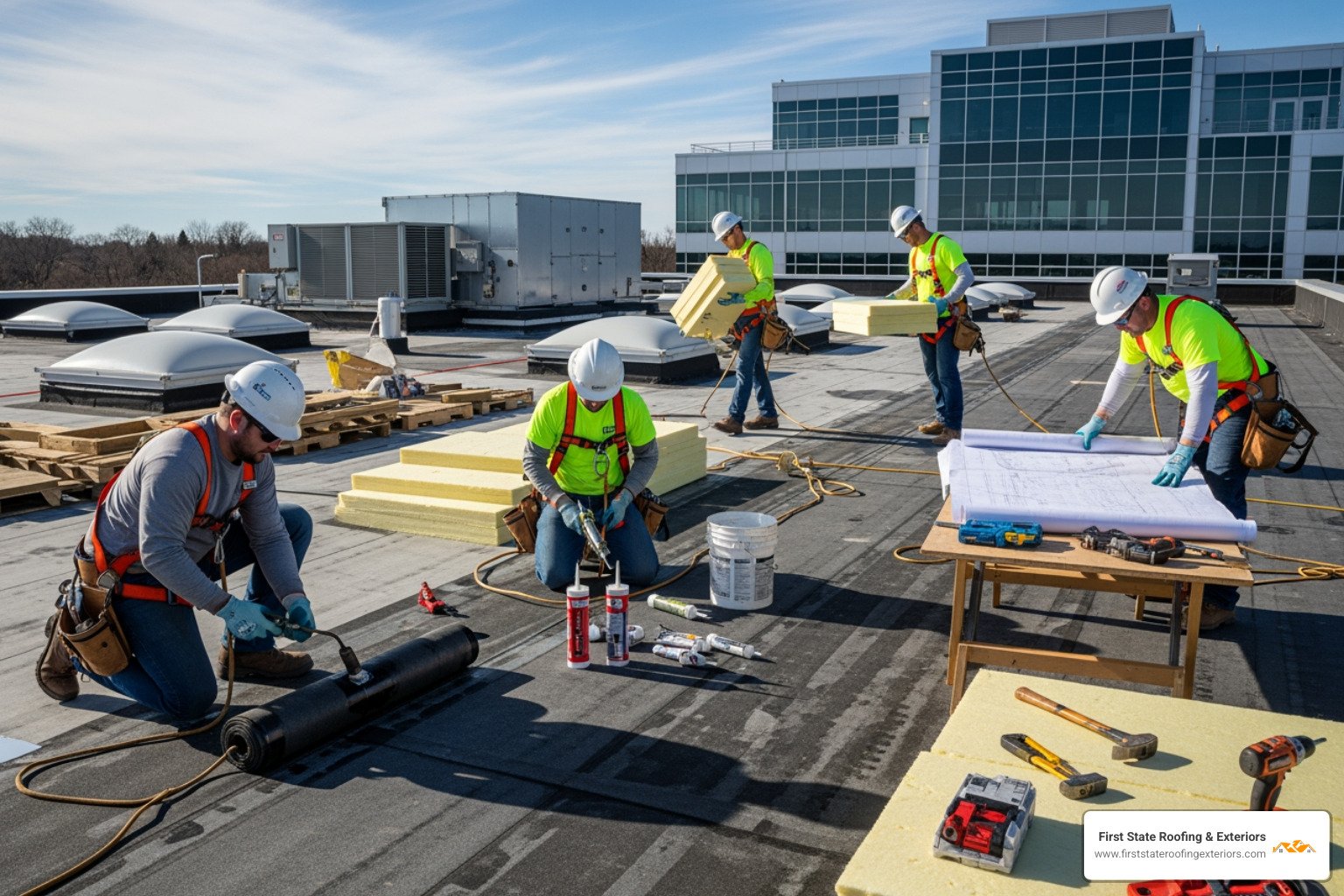
- Commercial: Often involves much larger surface areas, higher foot traffic (for HVAC units, maintenance), and a greater need for robust, long-lasting, and often energy-efficient materials like TPO or PVC. Commercial flat roofs may also need to support heavy equipment or even rooftop gardens. Our guide to local commercial roofing covers these needs in detail.
- Residential: While still needing durability, residential flat roofs (e.g., on garages, extensions, or modern homes) might prioritize aesthetics or specific budget considerations. EPDM and Modified Bitumen are common here.
- Multi-family Roofing: This category bridges the gap, requiring the durability and scale of commercial solutions with the aesthetic considerations of residential properties. We handle projects for apartments, condominiums, and other multi-family dwellings, ensuring resilience and longevity.
- Industrial Roofing: For industrial facilities, the emphasis is often on extreme durability, chemical resistance, and minimal disruption during installation. We specialize in robust flat roofing systems that can withstand harsh industrial environments.
Exploring Green and Energy-Efficient Options
Modern flat roofing has evolved beyond mere waterproofing. Today, we can integrate solutions that actively reduce energy consumption and contribute to a healthier environment, benefiting both your wallet and the planet.
Answer: Modern flat roofs offer several green and energy-efficient options:
- Cool Roofs: These roofs use highly reflective materials, typically white or light-colored TPO or PVC membranes, to reflect sunlight and absorb less heat. This significantly lowers the roof’s surface temperature and, consequently, the building’s interior temperature. The result? Reduced reliance on air conditioning and lower cooling costs, a major advantage during Delaware’s hot summers. You can learn more about cool roof benefits here.
- Green Roof Gardens: Imagine a living roof! Green roofs involve installing a layer of vegetation over a waterproof membrane. This not only provides excellent insulation, reducing energy consumption, but also helps manage stormwater runoff, improves air quality, and can extend the life of the roofing materials. Explore more on energy-efficient green roofing and how it can transform your property.
- Solar Panel Integration: Flat roofs are ideal for solar panel installations because they offer a large, unobstructed surface area. We can prepare your flat roof to securely integrate photovoltaic solar panels, ensuring proper flashing and waterproofing around support structures. This allows you to generate your own renewable energy and potentially reduce electricity bills.
- High R-value Insulation: Enhancing your flat roof with high R-value thermal insulation is a smart move for energy efficiency. This insulation reduces heat transfer, keeping your building cooler in summer and warmer in winter. Moreover, it can be installed to create a positive slope, effectively eliminating ponding water and preventing future leaks.
By choosing these innovative solutions, you’re not just getting a roof; you’re investing in a smarter, more sustainable property.
Conclusion: Securing Your Property with an Expert Partner
Finding the right flat roof specialist involves understanding your roof’s needs, knowing what signs to look for, and thoroughly vetting local professionals. By focusing on contractors with proven experience, proper credentials, and a deep understanding of local conditions, you ensure a high-quality installation that protects your investment for years to come.
For homeowners and businesses in Delaware, partnering with a dedicated local expert like First State Roofing & Exteriors guarantees integrity, transparency, and superior craftsmanship for all your roofing services. We pride ourselves on being your local legends, offering 24/7 availability for emergencies and ensuring our non-commissioned estimators provide recommendations based on your needs, not their paycheck.
Ready to protect your property with a durable, high-performance flat roof? Get a free, no-obligation estimate today. Call us at (302) 222-4065 to schedule a free inspection with a trusted roofer near you.