What Commercial Metal Roof Repair Actually Involves (And Why It Matters)
Commercial metal roof repair is the process of identifying and fixing structural or surface defects — such as leaks, rust, loose fasteners, or seam separations — to extend the service life of your building’s roof. If you need a quick answer, here’s what you need to know:
Common commercial metal roof repairs and typical costs:
| Repair Type | Typical Cost Range | Expected Lifespan After Repair |
|---|---|---|
| Leak repair | $500 – $2,000 per leak | 5–10 years |
| Rust/corrosion treatment | $1,000 – $3,500 | 10–15 years |
| Fastener replacement | $300 – $1,000 | Up to 10 years |
| Seam sealing | $400 – $1,500 | 5–7 years |
| Panel warping repair | $800 – $3,000 | Varies |
A properly maintained commercial metal roof lasts between 25 and 60 years. Catching problems early — like surface oxidation or a single loose fastener — is almost always cheaper than waiting until water has penetrated your building’s interior.
For expert commercial roofing solutions in Delaware, acting at the first sign of aging is the smartest move a property manager can make.
Metal roofs are built tough. But no roof lasts forever without attention. Thermal expansion and contraction, harsh weather, foot traffic, and moisture exposure all take a toll over time. The good news is that most problems — when caught early — are very fixable, without the cost or disruption of a full replacement.
I’m Richard McCain, Owner and President of First State Roofing & Exteriors, with over 20 years of hands-on experience in commercial metal roof repair across Delaware. In this guide, I’ll walk you through everything you need to know to protect your investment — from spotting early warning signs to choosing the right repair method for your facility.
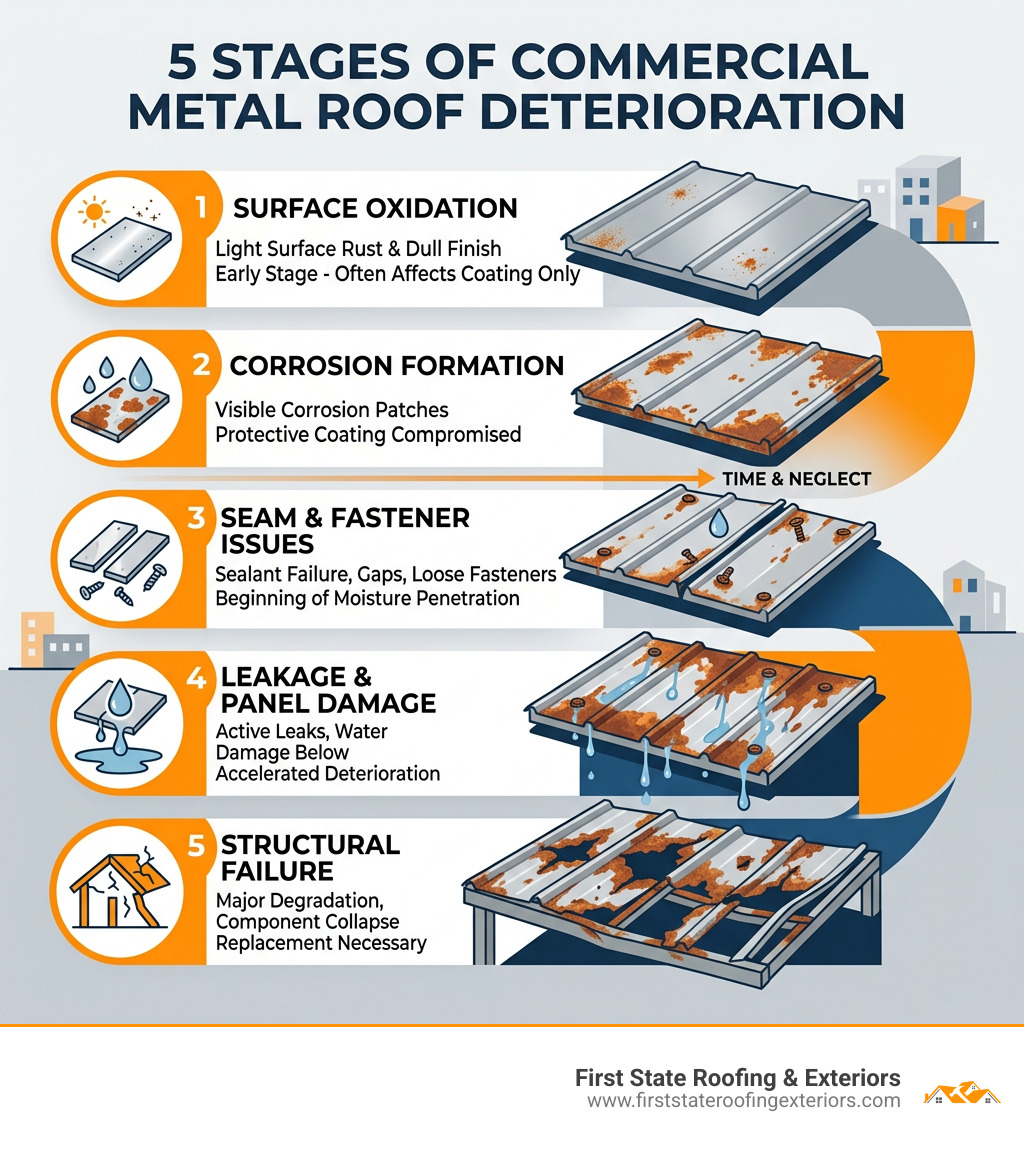
Quick look at commercial metal roof repair:
- commercial roofing companies in my area
- industrial roof repair near me
- metal roof installers near me
Identifying Common Signs of Commercial Metal Roof Damage

Identifying damage early is the difference between a minor patch and a major capital expense. Because commercial buildings often have high ceilings, interior signs may not appear until the damage is extensive. We recommend property managers look for these specific red flags:
- Water Stains and Interior Mold: Yellow or brown “halos” on ceiling tiles or walls are definitive indicators of a breach. If you smell a musty odor or see dark spots in the warehouse or office space, water is likely bypassing the metal panels and soaking the insulation.
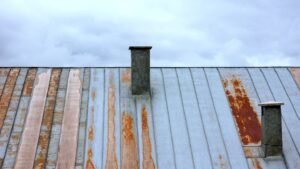
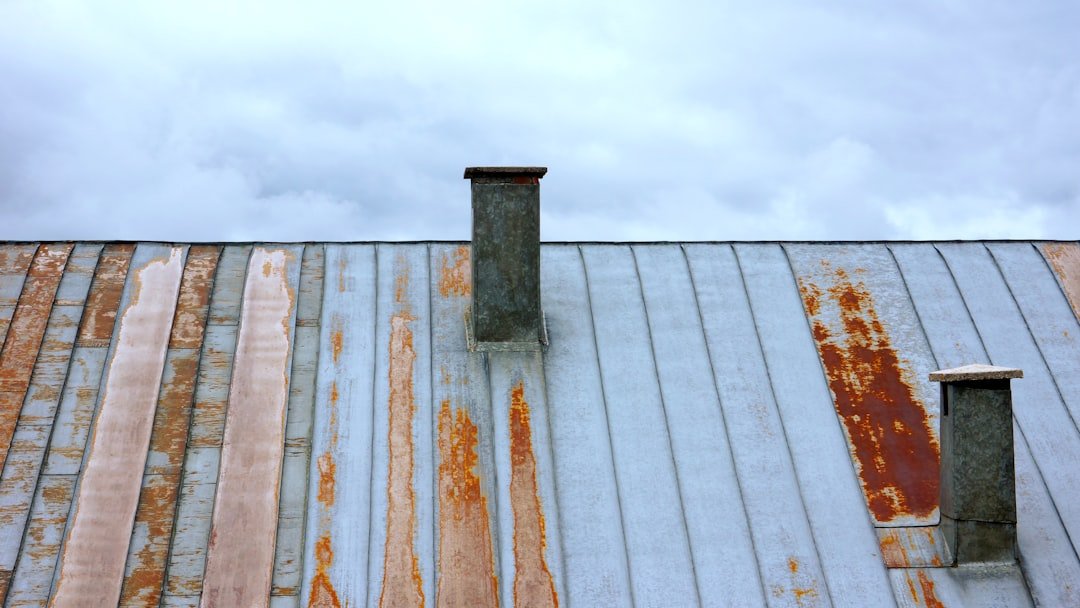
- Surface Oxidation (Rust): Rust is the “cancer” of a metal roof. It usually starts at the edges of panels or around fasteners where the protective coating has worn thin. If left untreated, rust eats through the metal, compromising structural integrity.
- Loose or Missing Fasteners: Metal roofs expand and contract significantly with Delaware’s temperature swings. This “thermal shock” can back screws out over time. A missing fastener leaves a direct hole for water to enter.
- Panel Warping and Bending: High winds or improper initial installation can cause metal sheets to “oil can” or warp. When panels don’t lay flat, they create gaps that invite wind-driven rain.
- Seam Separation: The seams are the most vulnerable part of any metal roof. If the sealant or mechanical lock fails, the roof becomes a series of individual plates rather than a unified shield.
- Energy Bill Spikes: Metal roofs are prized for their reflectivity. If your cooling costs suddenly jump, it may be because the reflective coating has degraded or moisture has compromised your roof’s insulation, allowing heat to transfer into the building.
Factors Affecting Commercial Roof Deterioration
In areas like Dover and Milford, DE, several factors accelerate wear. Acid rain, salt air from the coast, and heavy snow loads put immense pressure on the metal. Furthermore, foot traffic from HVAC technicians can cause “punctures” if tools are dropped or if they walk on the ribs of the panels rather than the flats.
Essential Methods for Commercial Metal Roof Repair
Effective commercial metal roof repair requires more than just a bucket of tar. In fact, using the wrong materials — like standard asphalt plastic cement — can actually trap moisture against the metal and accelerate rust. We focus on four primary professional methods:
- Seam Sealing: We use high-grade urethane or silicone sealants combined with reinforcement fabric to bridge gaps in seams.
- Fastener Replacement: We replace backed-out screws with oversized “repair fasteners” that feature larger EPDM washers to ensure a watertight seal in the existing hole.
- Panel Realignment: For minor warping, we can often mechanically pull panels back into place and secure them with additional structural supports.
- Elastomeric Coatings: This is the “gold standard” for restoration. A fluid-applied membrane is sprayed or rolled over the entire surface, creating a seamless, waterproof barrier that can extend the roof’s life by 10 to 20 years.
For more detailed information, check out our comprehensive guide to professional roof repair services.
Repairing Leaks and Damaged Seams
Seams fail because metal moves. A 100-foot metal panel can expand up to an inch during a hot Delaware summer day. If the repair material is rigid, it will simply crack.
- Butyl Tape: This is often used during the initial installation or for major overlaps. It remains tacky and flexible for years.
- Urethane Sealants: These offer superior adhesion to metal and can withstand the “pull” of thermal movement.
- Water Testing: After any seam repair, we perform a “simulated rain test” using a hose to verify the seal is 100% watertight before we leave the site.
Addressing Rust and Corrosion in Commercial Metal Roof Repair
Rust doesn’t just look bad; it destroys the metal’s ability to shed water. Our restoration process involves:
- Wire Brushing: Removing loose scale and surface rust to get down to clean metal.
- Zinc-Rich Primers: Applying a “cold galvanizing” primer that chemically bonds to the steel to stop the oxidation process.
- Acrylic Coatings: Finishing with a UV-resistant topcoat that prevents future moisture contact.
- Galvanic Corrosion Prevention: We ensure that any new panels or fasteners are made of compatible metals. Mixing copper and aluminum, for example, creates a chemical reaction that eats the roof alive.
Repair vs. Replacement: Making the Right Choice for Your Facility
Choosing between a repair and a full replacement is a major financial decision. Generally, if less than 25% of the roof is damaged, a professional repair or restoration is the most cost-effective path.
| Feature | Repair/Restoration | Full Replacement |
|---|---|---|
| Upfront Cost | $2.00 – $5.00 per sq. ft. | $10.00 – $20.00+ per sq. ft. |
| Lifespan Added | 10 – 20 Years | 40 – 60 Years |
| Business Disruption | Minimal (No tear-off) | Significant (Noise, Debris) |
| Tax Advantage | Maintenance Expense (Immediate) | Capital Asset (Depreciated) |
When to choose replacement:
- The roof is over 40 years old and showing widespread structural rust.
- There are multiple leaks that cannot be traced to a single source.
- The underlying roof deck or insulation is saturated with water.
If you’re weighing your options, see our commercial roof replacement cost guide for a deeper dive into 2025 pricing.
The Cost and Longevity of Commercial Metal Roof Repair
A high-quality commercial metal roof repair isn’t just a “patch job” — it’s an investment in your building’s future. While a simple leak fix might cost $500, a full-scale restoration using high-solids silicone can cost several thousand dollars. However, this is still significantly cheaper than a $100,000 replacement.
A properly executed repair can last 5 to 15 years, while a full fluid-applied coating system often comes with a 10- or 20-year renewable warranty. For more on how to manage these costs, property managers often turn to proactive maintenance resources from Buildings.com.
Factors Influencing the Price of Commercial Metal Roof Repair
- Damage Severity: Surface rust is cheap to fix; structural holes are not.
- Square Footage: Larger roofs allow for better economies of scale on coating materials.
- Roof Accessibility: A flat roof is easier (and cheaper) to repair than a steep-slope metal roof requiring specialized lifts or scaffolding.
- Material Compatibility: Using specialized coatings designed for Kynar-finished panels costs more than standard acrylics but ensures the bond doesn’t fail.
Preventive Maintenance and Professional Care in Delaware
The “set it and forget it” mentality is the most expensive mistake you can make with a metal roof. In Delaware, we face high humidity and sudden Atlantic storms that can loosen components overnight.
- Biannual Inspections: We recommend inspections in the Spring (after ice and snow) and Fall (to clear debris before winter).
- Debris Removal: Leaves and dirt trap moisture against the metal, leading to “pinhole” rust.
- Gutter Clearing: If gutters are clogged, water backs up under the metal eaves, rotting the fascia and the edge of the roof panels.
- Storm Assessments: After any wind event over 50 mph, a quick drone or visual inspection can spot “uplifted” panels before the next rain hits.
For more local advice, read our tips for Delaware commercial metal roofing contractors.
Frequently Asked Questions about Metal Roofs
How long does a repaired metal roof last?
A localized repair (like a patch or fastener replacement) typically lasts 5 to 10 years. However, if you opt for a full roof restoration with a high-quality elastomeric coating, you can expect an additional 15 to 20 years of service life. The key is the quality of the surface preparation and the maintenance performed after the repair.
Can you repair a metal roof in the winter?
Yes, but it requires specialized materials. Standard water-based coatings cannot be applied in freezing temperatures. However, silicone-based sealants and mechanical repairs (like fastener replacement and panel patches) can be performed year-round in Delaware. We prioritize snow removal and drying the work area with heat guns to ensure proper adhesion.
Is professional repair better than DIY?
Absolutely. Commercial metal roofs present unique safety hazards and technical challenges.
- Safety: We follow strict OSHA standards, including the use of safety harnesses and specialized non-slip footwear.
- Compatibility: Using the wrong sealant can cause a chemical reaction that voids your manufacturer’s warranty.
- Warranty: Professional repairs often come with a workmanship warranty that a DIY “patch” does not.
Conclusion
At First State Roofing & Exteriors, we understand that your commercial roof is the first line of defense for your business. As a family-owned, Delaware-based company, we pride ourselves on integrity and transparency. Whether you are in Dover, Milford, or anywhere in Delaware, our team is available 24/7 for emergency repairs and comprehensive assessments.
Don’t wait for a small leak to become a major structural failure. If you’re looking for a professional roofer near me, we are here to help.
To protect your investment and ensure your facility remains high-performing, First State Roofing & Exteriors gives free estimates and comprehensive inspections. Call us at (302) 222-4065 for a free inspection today. Let us help you extend the life of your roof with expert commercial metal roof repair.