
Hear from Our Customers
When siding fails in Rising Sun-Lebanon, it rarely announces itself. It starts quietly — a soft spot behind a panel, a little discoloration near the base, caulking that’s pulled away from the trim. By the time most homeowners notice something’s wrong, moisture has already been working behind the surface for months. The right siding installation stops that cycle before it starts.
Living this close to the St. Jones River means your home deals with elevated humidity year-round — not just during summer. That persistent moisture environment accelerates the kind of siding degradation that inland communities don’t see at the same pace. New siding installed with a proper moisture barrier and weatherproof seaming doesn’t just look better; it actively protects the structure underneath from the conditions that are specific to this part of Kent County.
For homeowners in Rising Sun-Lebanon who’ve watched their property values climb — the median home value here has gone from around $101,000 in 2000 to over $434,000 today — protecting that equity matters. Siding replacement consistently ranks among the highest-return exterior projects you can make, with fiber cement recouping an average of 88% of project cost at resale and vinyl coming in around 80%. If you’re planning to stay, your home is better protected. If you’re planning to sell, your investment is better positioned.
We’re based in Smyrna, about 15 miles up US Route 13 from Rising Sun-Lebanon. Kent County is our primary service area — not a stretch territory, not an occasional job. We’ve been working in these communities for over 22 years, which means we know the housing stock in the South Dover area, the moisture conditions along the St. Jones River corridor, and the permitting process through Kent County for unincorporated CDPs like Rising Sun-Lebanon.
Every project is handled entirely by our own crew. No subcontractors show up at your door. The same people who quoted the job are the people doing the work. That matters in a community where neighbors talk and referrals drive most contractor decisions — your neighbors’ experience is a direct preview of yours.
We’re licensed, insured, BBB accredited with an A+ rating, and carry a 5.0 out of 5 rating across 63-plus verified reviews. That kind of consistency doesn’t happen by accident.
It starts with a free consultation and a detailed inspection — not a quick walk-around, but a real look at what’s happening with your current siding. In Rising Sun-Lebanon, that inspection matters more than it might in drier areas. Homes near Tidbury Creek and the St. Jones River corridor can have moisture infiltration behind panels that isn’t visible from the outside. Finding it before the job starts is how you avoid discovering it mid-project when the scope — and the cost — unexpectedly changes.
Once the inspection is complete, you get a written assessment of what’s there, what needs to happen, and what the project will involve. We handle all permitting through Kent County — since Rising Sun-Lebanon is an unincorporated CDP, there’s no local municipal office to deal with, but the county process still applies, and we manage it entirely so you don’t have to figure it out yourself.
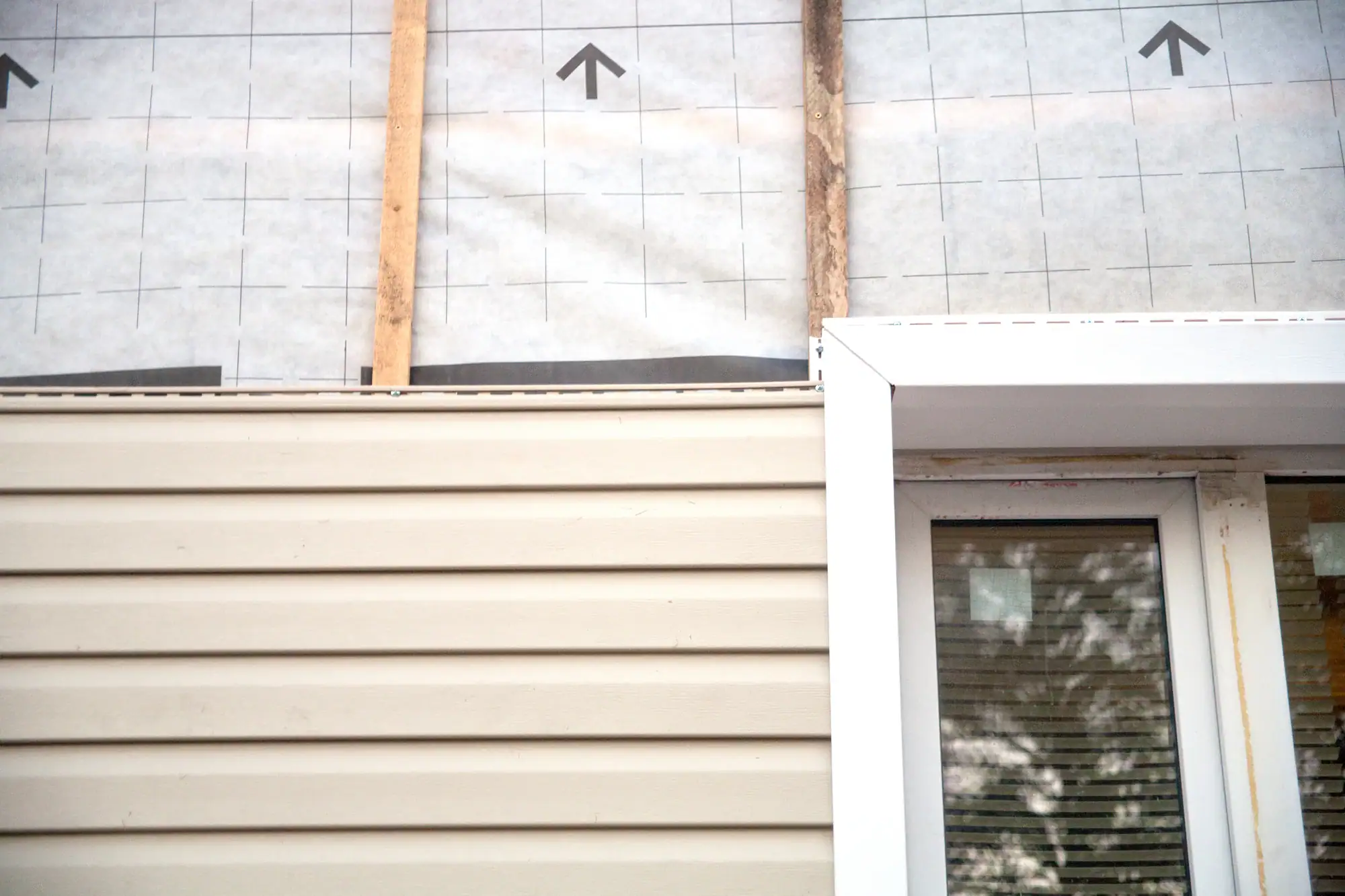
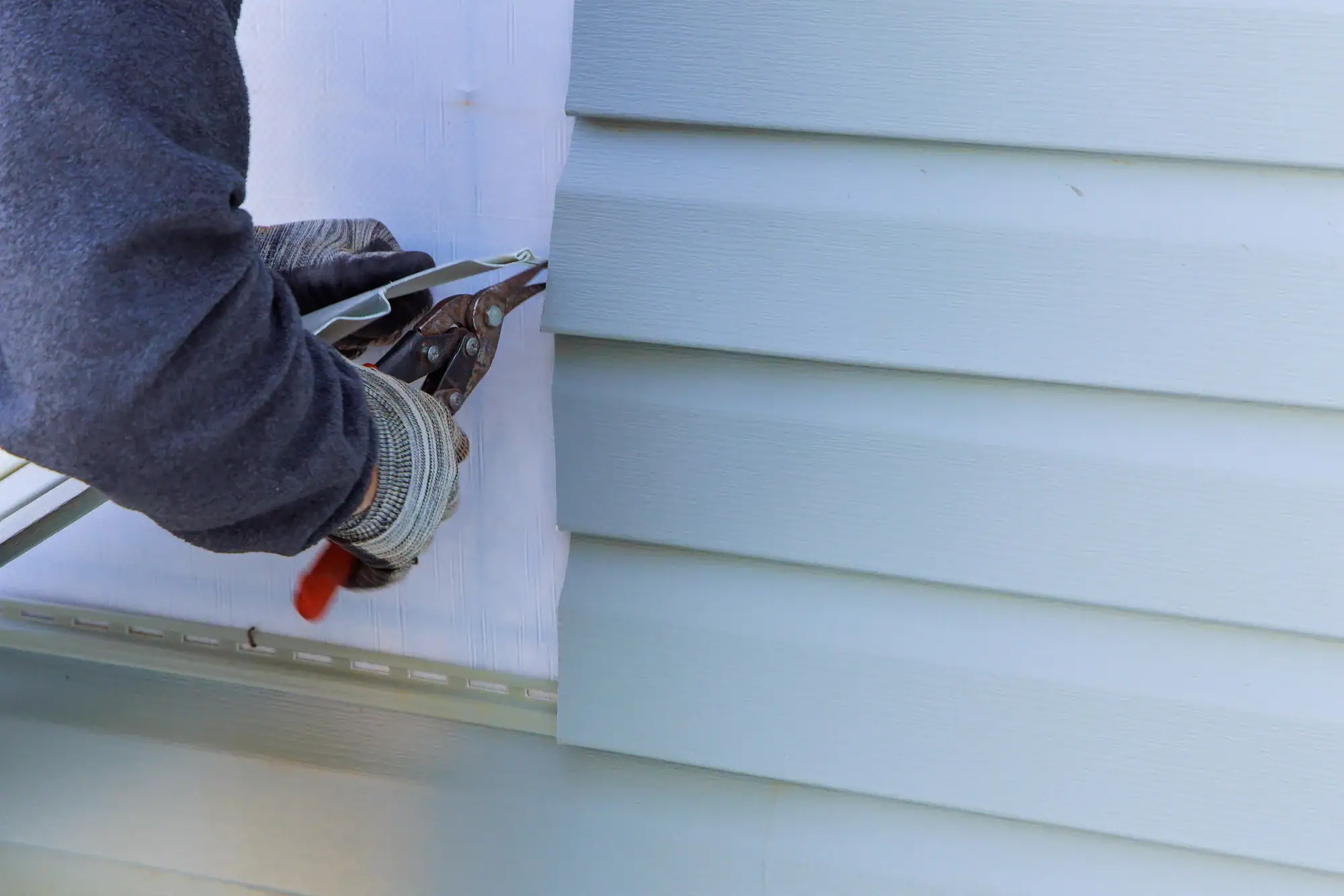
When the work begins, old siding comes off first. That full removal allows our crew to inspect the sheathing underneath for rot, mold, or damage before anything new goes on. A moisture barrier goes in, seams are sealed, and panels are secured to handle Delaware’s wind loads and seasonal freeze-thaw cycles. Most siding projects are completed in two to five days. The site is cleaned up completely before we leave.
Ready to get started?
We install two primary siding materials — vinyl and fiber cement — and help homeowners choose based on their specific situation, not on which product is easier to install. In Rising Sun-Lebanon, that choice carries real weight. Vinyl is the most popular siding material in Delaware for good reason: it’s moisture-resistant, requires minimal maintenance, and handles the humidity and freeze-thaw cycles that this part of Kent County sees every year. Not all vinyl is equal, though. Thickness, UV resistance, and wind load ratings vary significantly, and cheaper vinyl fails faster in conditions like these.
Fiber cement — particularly James Hardie products — is described by exterior specialists as virtually immune to moisture problems and carries a lifespan of up to 50 years. For homes on the northern edges of Rising Sun-Lebanon closest to the St. Jones River, or for homeowners who want a longer-term solution with less maintenance over time, fiber cement is worth the conversation.
Every installation includes full removal of the old siding, moisture barrier installation, weatherproof seam sealing, trim work, and cleanup. We also assist with insurance claims for storm-damaged siding — a service most siding contractors don’t offer, and one that’s genuinely useful in a community that sees nor’easters and summer wind events regularly. Financing is available for homeowners who want to move forward without waiting.

Yes, and it’s not a minor consideration. Rising Sun-Lebanon’s northern boundary runs along the St. Jones River, and Tidbury Creek runs through parts of the community. That proximity to moving water means year-round humidity levels that are higher than what you’d find even a few miles inland. Over time, that persistent moisture works into any gap in your siding — around window frames, at panel seams, behind improperly sealed trim — and begins breaking down the sheathing underneath.
The most important protection isn’t the siding panel itself; it’s what goes behind it. A proper moisture barrier installed beneath the siding, combined with weatherproof seam sealing at every joint and penetration, is what actually keeps water out of your walls. When we install siding in Rising Sun-Lebanon, moisture management is built into the process — not offered as an upgrade.
The clearest signs are visible warping, cracking, or fading on the panels themselves — but those are late-stage signals. By the time siding looks obviously bad from the street, it’s usually been failing for a while. Earlier warning signs include paint that’s peeling on interior walls near exterior surfaces, a noticeable increase in heating or cooling costs, soft spots when you press on the siding near the base, or gaps forming around window and door trim.
Rising Sun-Lebanon has a meaningful portion of homes built between the 1970s and 1990s. Vinyl siding from the 1980s is now 40-plus years old — beyond its rated lifespan. Homes from the 1990s are in the 25-to-35-year range, which is exactly when fading, panel warping, and caulking failure become common. If your home falls into either of those cohorts and the siding hasn’t been replaced, a free inspection will tell you quickly what you’re working with and whether replacement is urgent or something you can plan for over the next year or two.
Rising Sun-Lebanon is an unincorporated census-designated place, which means there’s no local municipal building department — permitting for exterior work runs through Kent County rather than a town office. Many homeowners in this area don’t realize that, and it can cause problems if the work is done without the proper permits in place, particularly at the time of a home sale when permit history gets reviewed.
We handle all permitting as part of every siding project. You don’t have to figure out which county office to contact, what forms to file, or what inspections are required — that’s managed for you from the start. This is especially useful for military families in the area who may be unfamiliar with Delaware’s specific contractor registration requirements and Kent County’s permitting process. The job doesn’t start until everything is properly filed and approved.
Both are good options for Delaware’s climate — they’re just good in different ways. Vinyl is the more popular choice across the state because it’s moisture-resistant by nature, doesn’t rot, requires almost no maintenance, and handles humidity and freeze-thaw cycles well. It’s also generally more affordable upfront. The tradeoff is that cheaper vinyl can fade, warp, or crack faster in conditions like Rising Sun-Lebanon’s, so the quality of the product matters as much as the material category.
Fiber cement — James Hardie is the most recognized brand — is denser, more impact-resistant, and essentially immune to moisture problems. It holds paint longer, resists warping in heat, and carries a lifespan of up to 50 years. The upfront cost is higher, but for homeowners planning to stay long-term or who want to maximize resale value, it often makes sense. For homes closest to the St. Jones River corridor where moisture exposure is highest, fiber cement is worth a serious look. We install both and will give you a straight recommendation based on your home’s specific exposure, not on which product has a higher margin.
Often, yes — but it depends on the cause and the specifics of your policy. Siding damage from wind, hail, or falling debris during a storm is typically covered under standard homeowners insurance as a sudden and accidental loss. Delaware sees regular nor’easters and summer wind events, and Kent County communities like Rising Sun-Lebanon are not immune to the kind of storm activity that loosens panels, tears off trim, or drives water behind improperly sealed seams.
Where homeowners run into trouble is the claims process itself. Insurance adjusters assess damage differently than contractors do, and without someone who understands both the construction side and the claims side, homeowners sometimes end up with settlements that don’t fully cover what the repair actually costs. We assist with insurance claims for storm-damaged siding — we can help document the damage properly, work with your adjuster, and make sure the scope of the claim reflects what actually needs to be done. If you’ve had storm activity recently and you’re not sure whether your siding damage qualifies, a free inspection is the right first step.
Most siding projects are completed in two to five days, depending on the size of the home and the material being installed. That timeline is realistic for the typical single-family homes found throughout Rising Sun-Lebanon — the three- and four-bedroom properties in the subdivisions off Lebanon Road and the surrounding South Dover area are well within the standard project window.
The work is exterior, so your daily routine inside the home isn’t significantly disrupted. There will be noise, and our crew will be working around the perimeter of the house, but you don’t need to vacate. What does matter is scheduling — particularly for military families in the area who may be working around PCS timelines or a home sale closing date. We manage the entire project with our own crew, which means no waiting on subcontractors to show up and no gaps in the schedule. The timeline you’re given at the start of the project is the timeline we work to keep.
Other Services we provide in Rising Sun-Lebanon