
Hear from Our Customers
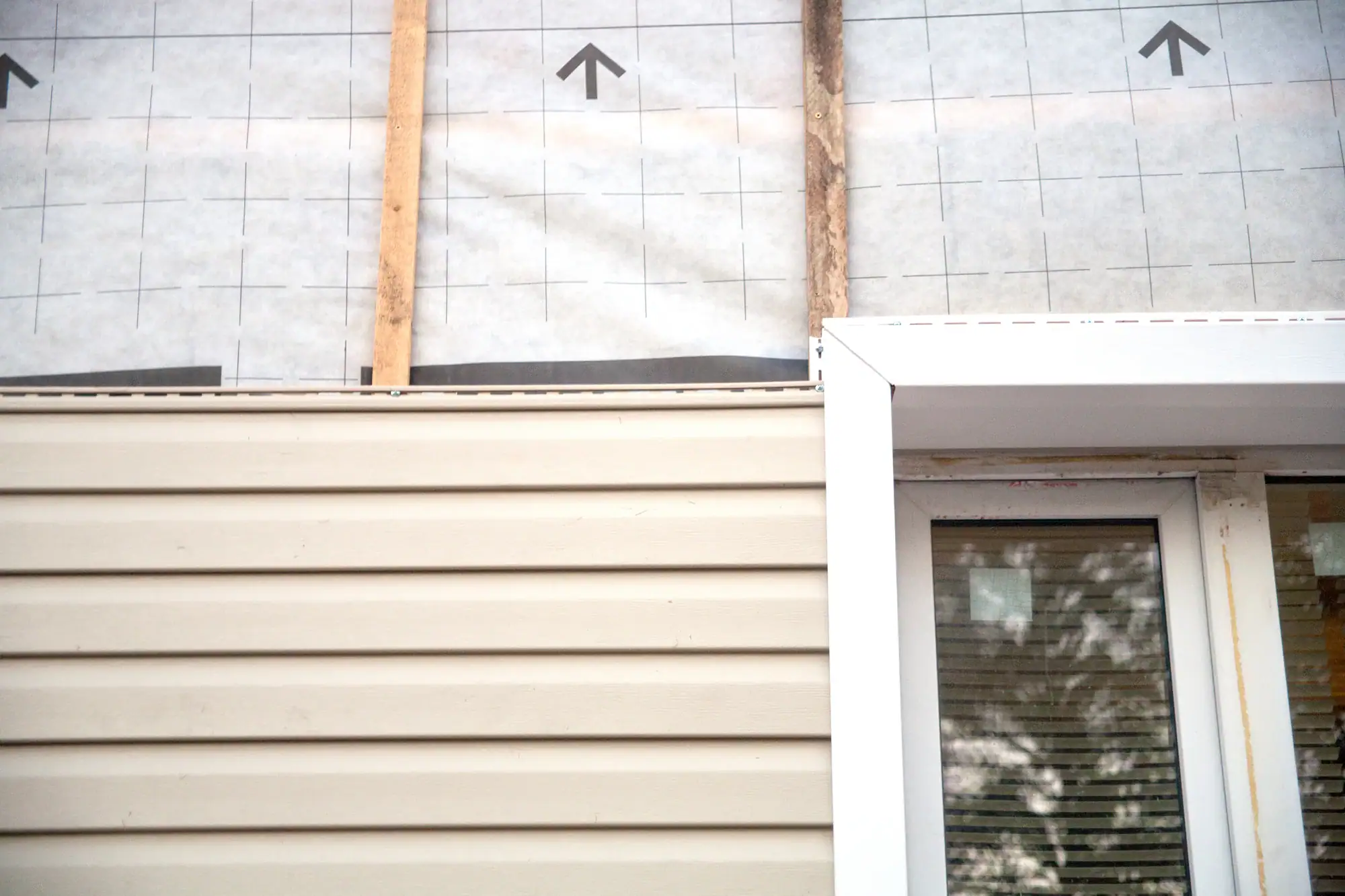
Most Pennwood homes were built between 1970 and 1999. That means a lot of original siding in this neighborhood has quietly crossed the finish line on its useful life. Vinyl from that era was thinner, less UV-resistant, and installed before modern moisture barrier standards became code. What looked fine from the street a few years ago may already be letting water work its way into your wall structure.
When the siding is right, you stop worrying about what’s happening behind it. Moisture stays out. The wall assembly stays intact. And a home that was already worth protecting — Pennwood properties sit well above the median for Kent County — holds that value instead of quietly losing it to rot and mold you won’t see until it’s expensive.
There’s a specific challenge here that doesn’t apply to most of the county. The St. Jones River runs along the edge of Pennwood, and it’s tidal. That means elevated ambient humidity year-round, not just during summer. Siding that isn’t properly sealed and moisture-barriered in this corridor deteriorates faster than the same product installed five miles inland. Getting it done right the first time matters more in Pennwood than it does in most places.
We’re based in Smyrna — about 20 to 25 miles north of Pennwood via Route 13. That’s not a regional company dispatching crews from across the state. It’s a short drive within the same county, and it means when you have a question or a concern after the job is done, you’re calling a contractor who’s still here.
We’ve been operating in Kent County for over 22 years, working on homes throughout Dover and surrounding neighborhoods — including the kind of larger, custom-built properties that define Pennwood. Every project is handled in-house by our own trained, insured crew. No subcontractors, no day-labor surprises on your job site.
That track record shows up in the reviews. A 5.0 out of 5 rating across more than 63 verified Google and Facebook reviews, with consistent feedback about professionalism, communication, and job sites left clean. We’re BBB accredited with an A+ rating. Licensed, insured, and registered per Delaware’s Contractor Registration Act. These aren’t talking points — they’re things you can verify independently before you ever pick up the phone.
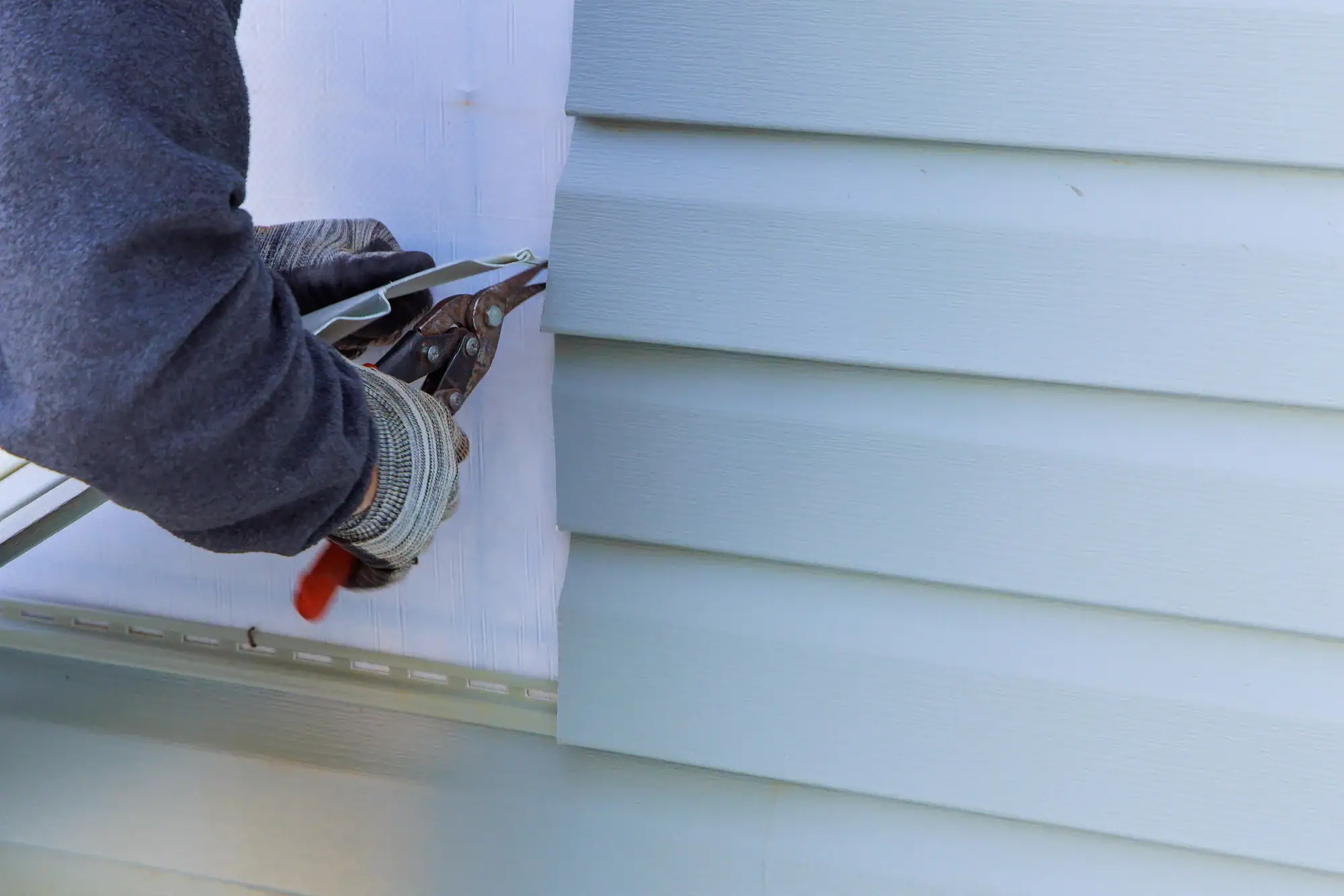
It starts with a detailed inspection and consultation before anything is quoted or scheduled. For Pennwood homes — many of which sit on nearly an acre, range from 2,500 to over 6,000 square feet, and carry original siding from the 1980s and 1990s — that inspection matters. When old siding comes off a home that’s been standing for 30 or 40 years near a tidal river corridor, there’s a real chance of finding moisture damage, soft sheathing, or mold behind it. We identify that before the project starts, not after, so the written scope reflects what the job actually involves.
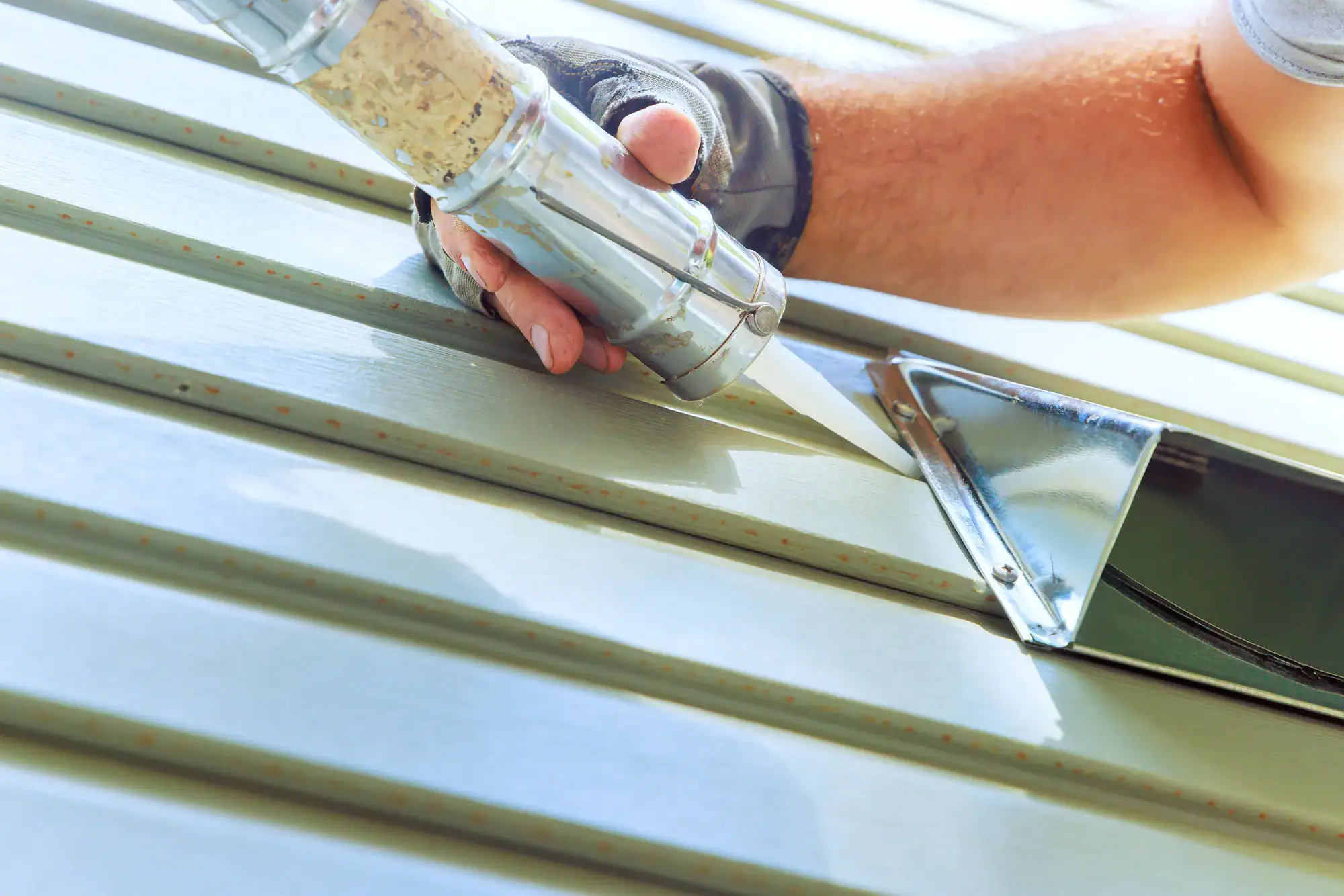
From there, the process covers full removal of the old material, installation of a moisture barrier, and then the siding itself — whether that’s vinyl or fiber cement — secured and sealed for Delaware’s specific conditions. Weatherproof seams, proper trim work, and a finished result that holds up through the freeze-thaw cycles and nor’easters that Kent County deals with every year.
Because Pennwood falls within the City of Dover’s jurisdiction, exterior siding work requires a building permit from Dover’s Building Inspection Department. We handle all of that. You don’t have to figure out the permit process, navigate the city’s building department, or wonder whether the work meets Delaware Building Code. That’s handled as part of the job. Most siding installations wrap up in two to five days, and the site is cleaned up completely before our crew leaves.
Ready to get started?
We install both vinyl and fiber cement siding, and the recommendation depends on your home’s specific situation — not on which product is easier to install. For Pennwood homes with direct river exposure or heavy tree canopy holding moisture against the walls, fiber cement is worth the conversation. It’s virtually immune to moisture problems and carries a lifespan of up to 50 years. Vinyl is the more common choice across Delaware and still delivers 20 to 40 years of solid performance when it’s the right thickness and properly installed — which is not always what you get from a low-bid contractor.
Every installation includes moisture barrier installation, weatherproof seaming, trim work, and sealing. These aren’t add-ons. They’re what separates a siding job that lasts from one that starts failing in five years. If there’s storm damage involved — and Pennwood’s proximity to the St. Jones corridor makes it susceptible to the same nor’easters and summer storms that affect the rest of Kent County — we also assist with the insurance claims process. Most homeowners don’t realize that wind and hail damage to siding is frequently covered under a standard homeowners policy.
Financing is available for larger projects, which matters on a custom home where the total scope can be significant. And the free consultation at the start of every job means you know exactly what you’re getting into before any commitment is made.

Yes — because Pennwood falls within the City of Dover’s municipal boundaries, exterior siding replacement is subject to Dover’s building permit requirements. You’ll need a permit from the City of Dover’s Building Inspection Department before work begins, and the finished job needs to meet Delaware Building Code standards, which follow the International Building Code with state-specific amendments.
This matters more than some homeowners realize. Unpermitted exterior work can create real problems when you go to sell a home — especially in a neighborhood where properties carry above-average values and buyers and their inspectors look closely. We handle all permitting as a standard part of every siding project. You don’t have to call the city, figure out the application, or track the approval. That’s managed for you, so the job is done right and documented correctly from the start.
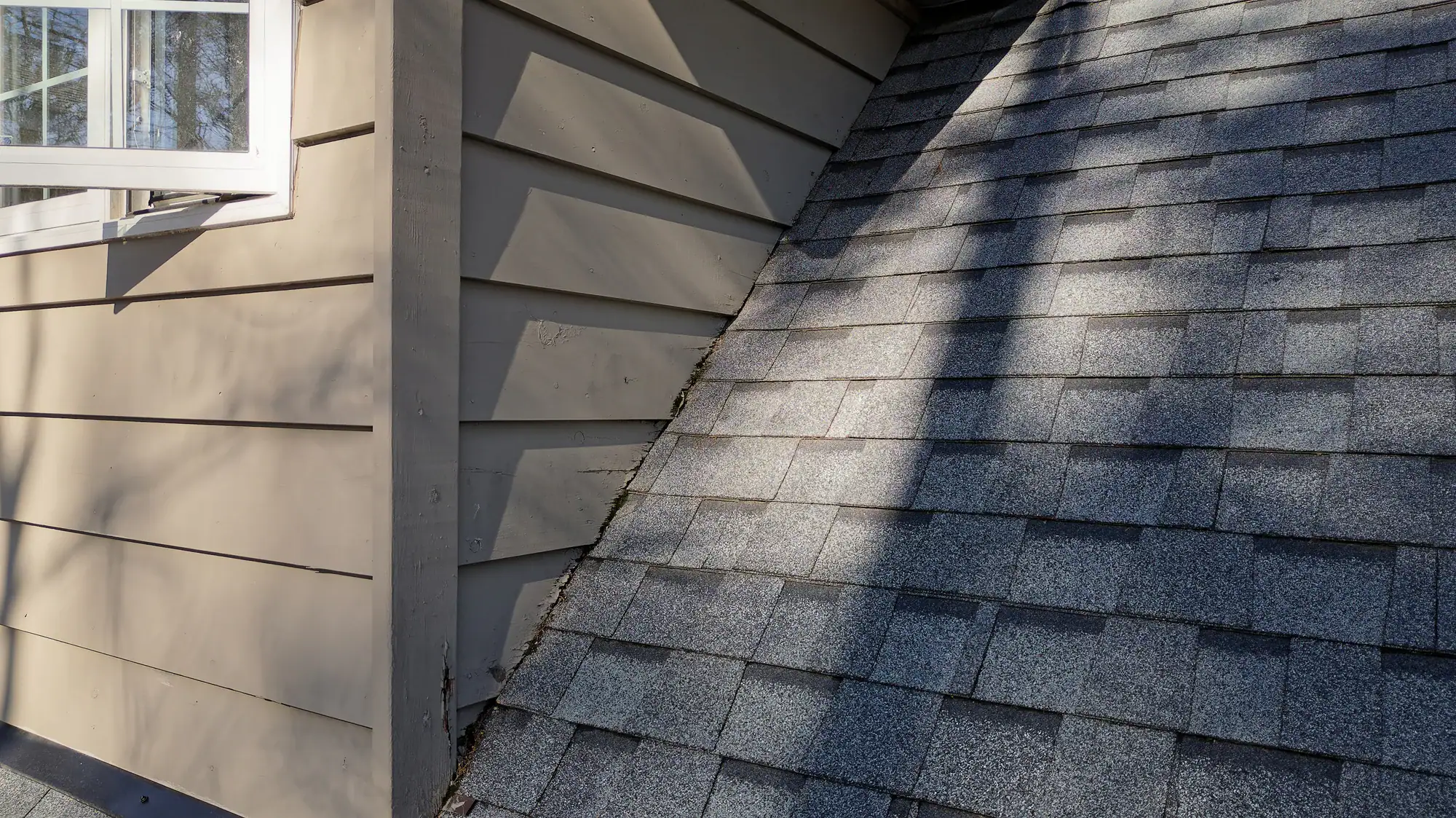
The honest answer is that it depends on what’s going on behind the surface, not just what you can see from the yard. Cracking, warping, fading, and loose panels are visible signs, but the more important question is whether moisture has already gotten into the wall assembly underneath. In Pennwood — where many homes were built in the 1970s through 1990s and sit near the humid corridor of the St. Jones River — the underlying structure is often the real concern.
A repair makes sense when the damage is isolated and the rest of the siding is still structurally sound. Replacement is the right call when the material has reached the end of its lifespan, when moisture damage has spread behind the panels, or when the scope of failing sections makes piecemeal repairs more expensive over time than starting fresh. Our inspection process is specifically designed to give you an honest answer on this before any work is proposed — so you’re not being sold a full replacement when a repair is genuinely sufficient, and you’re not patching siding that’s going to keep failing.
Both are solid options for central Delaware, but they perform differently depending on your home’s specific exposure. Vinyl is the most popular choice in Delaware overall — it’s moisture-resistant, doesn’t rot, handles wind and rain well, and carries a lifespan of 20 to 40 years when installed correctly. It’s also the more budget-accessible option. For most Pennwood homes, premium vinyl with proper insulation backing and moisture barrier installation is a strong choice.
Fiber cement — James Hardie being the most recognized brand — is virtually immune to moisture problems and can last up to 50 years. For Pennwood homes built along or very close to the St. Jones River, where ambient humidity stays elevated year-round and storm tides can push water levels up through the corridor, fiber cement’s superior moisture resistance may justify the additional cost. The 2024 Cost vs. Value Report shows fiber cement siding recoups about 88% of project cost at resale, compared to roughly 80% for vinyl — so the investment case is real. We help you weigh that based on your home’s actual exposure, not a one-size-fits-all recommendation.
Often, yes — and it’s one of the most underutilized benefits homeowners have. Wind, hail, and storm-driven debris can cause siding damage that qualifies as a covered loss under a standard homeowners insurance policy. The challenge is that the damage isn’t always obvious from ground level, and many homeowners assume cosmetic-looking damage won’t be covered, so they never file a claim.
Kent County and the Dover area see their share of nor’easters in the fall and winter, and the St. Jones River’s tidal character means Pennwood properties can be exposed to storm surge and wind-driven rain that causes more damage than a typical inland neighborhood. If you’ve had a significant weather event and haven’t had your siding inspected since, it’s worth knowing what’s actually there. We assist with the insurance claims process — assessing the damage, documenting it properly for the insurer, and helping you understand what your policy may cover before any work begins. You don’t have to navigate that alone.
For most residential siding projects, the installation itself runs two to five days. The range depends on the size of the home, the material being installed, and the complexity of the profile — things like multiple stories, custom trim details, dormers, or irregular architectural features that require more precise work.
Pennwood is a neighborhood of custom-built homes, and many of them are substantial — ranging from around 2,500 to over 6,000 square feet on lots of nearly an acre. A home on the larger end of that range, with a complex roofline or multiple exterior planes, will naturally take longer than a straightforward cape cod. That said, our in-house crew manages the full project without subcontracting any of it out, which keeps the timeline consistent and the communication direct. You’re not waiting on a third-party crew to show up between sessions. The goal is always to complete the job efficiently without cutting corners on the installation itself — and to leave the site completely clean when it’s done.
Start with the basics that are easy to verify: Is the contractor registered with the Delaware Department of Labor’s Office of Contractor Registration? Are they carrying liability insurance and workers’ compensation? Do they have a physical address and a track record in Kent County specifically — not just a regional brand that covers five states?
Beyond the credentials, pay attention to how they handle the estimate. A contractor who gives you a vague number over the phone without seeing the home isn’t giving you a real quote — they’re giving you a number to get in the door. A detailed, written scope that covers removal, moisture barrier, materials, trim, and cleanup is what a legitimate estimate looks like. We’re based 20 to 25 miles away in Smyrna, have been operating in Kent County for over 22 years, carry an A+ BBB rating, and have 63+ verified five-star reviews. Those are things you can confirm independently, which is exactly the point.
Other Services we provide in Pennwood