
Hear from Our Customers
When siding fails in Oak Grove and the surrounding area, it rarely announces itself. You don’t see the problem — you see the result of it. Water stains on interior walls. Mold creeping up behind panels. A heating bill that keeps climbing. By the time it’s obvious, the damage has usually been building for a while.
Getting the right siding installed means that stops. Your walls stay dry through Delaware’s wet seasons. The moisture barrier underneath does its job. The seams are tight enough to handle what comes off the bay — the humidity, the salt air, the wind-driven rain that hits harder when there’s nothing between you and open farmland to slow it down.
For homes in Oak Grove, sitting on the low, flat terrain east of Dover, that’s not a small thing. The Delaware Bay’s influence on moisture levels here is real and year-round. New siding installed correctly — with a proper moisture barrier, weatherproof seams, and materials rated for this climate — gives your home a fighting chance against conditions that quietly wear lesser installations down within a few years.
We’re based in Smyrna — same county as Oak Grove, not a company making a long haul from Wilmington to claim local status. For over 22 years, our team has been working on homes throughout Kent County, in the same climate, on the same housing stock, under the same conditions you’re dealing with right now in Oak Grove.
Every project is handled in-house. No subcontractors. The crew that shows up to give you an estimate is the same crew doing the work. That matters in an area where storm chasers and out-of-state contractors roll through after every bad weather system, sign people up fast, and disappear just as quickly.
We’re BBB accredited with an A+ rating, licensed and insured in Delaware, and have earned a 5.0 out of 5 rating from over 63 verified reviews. Those aren’t numbers from across the state — they reflect real jobs done right, for real homeowners in Oak Grove and communities like it.
It starts with a free consultation and a thorough inspection of your current exterior. Before anyone talks about materials or timelines, we look at what’s actually going on — what the existing siding is doing, what’s underneath it, and whether there’s any moisture intrusion or structural issues that need to be addressed before new siding goes up. In Oak Grove, where bay humidity works on exterior walls year-round, that inspection step isn’t a formality. It’s how you avoid installing new siding over a problem that’s already started.
From there, you get a clear picture of what the project involves — materials, scope, timeline, and cost — before any commitment is made. Because Oak Grove is unincorporated, permitting flows through Kent County rather than a town hall. We handle all of that. You don’t have to figure out which county office to call or what forms are required. That gets managed for you.
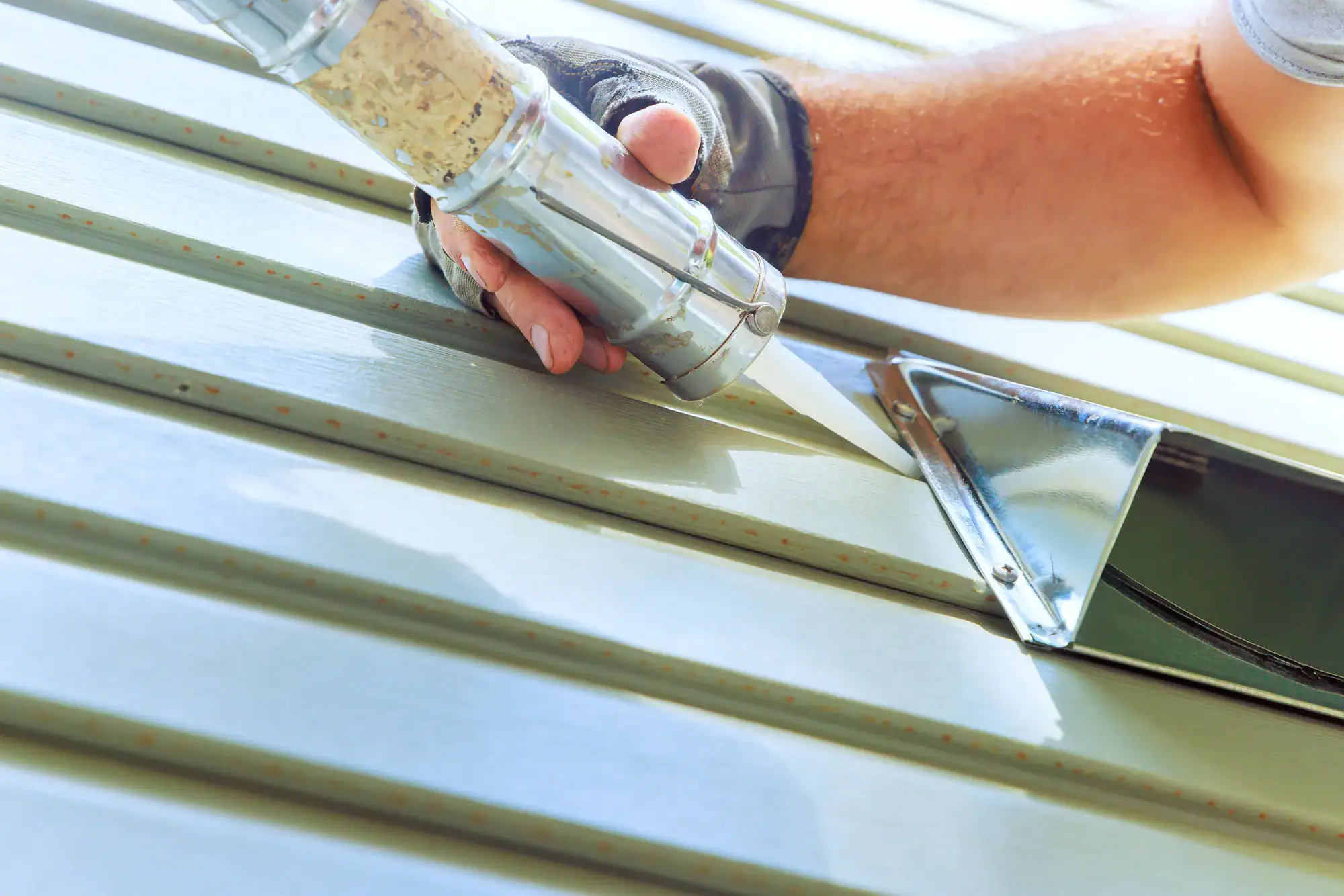
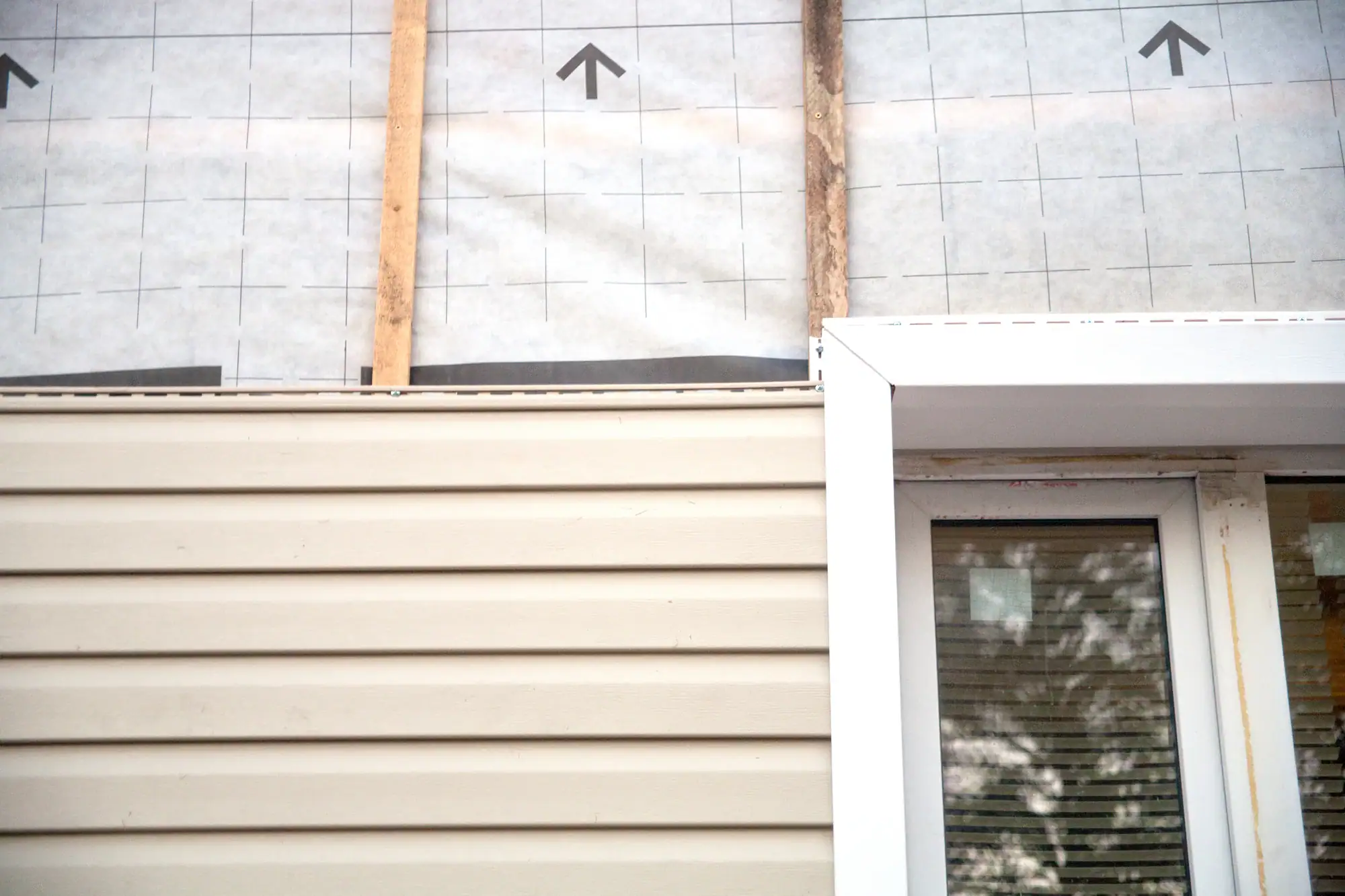
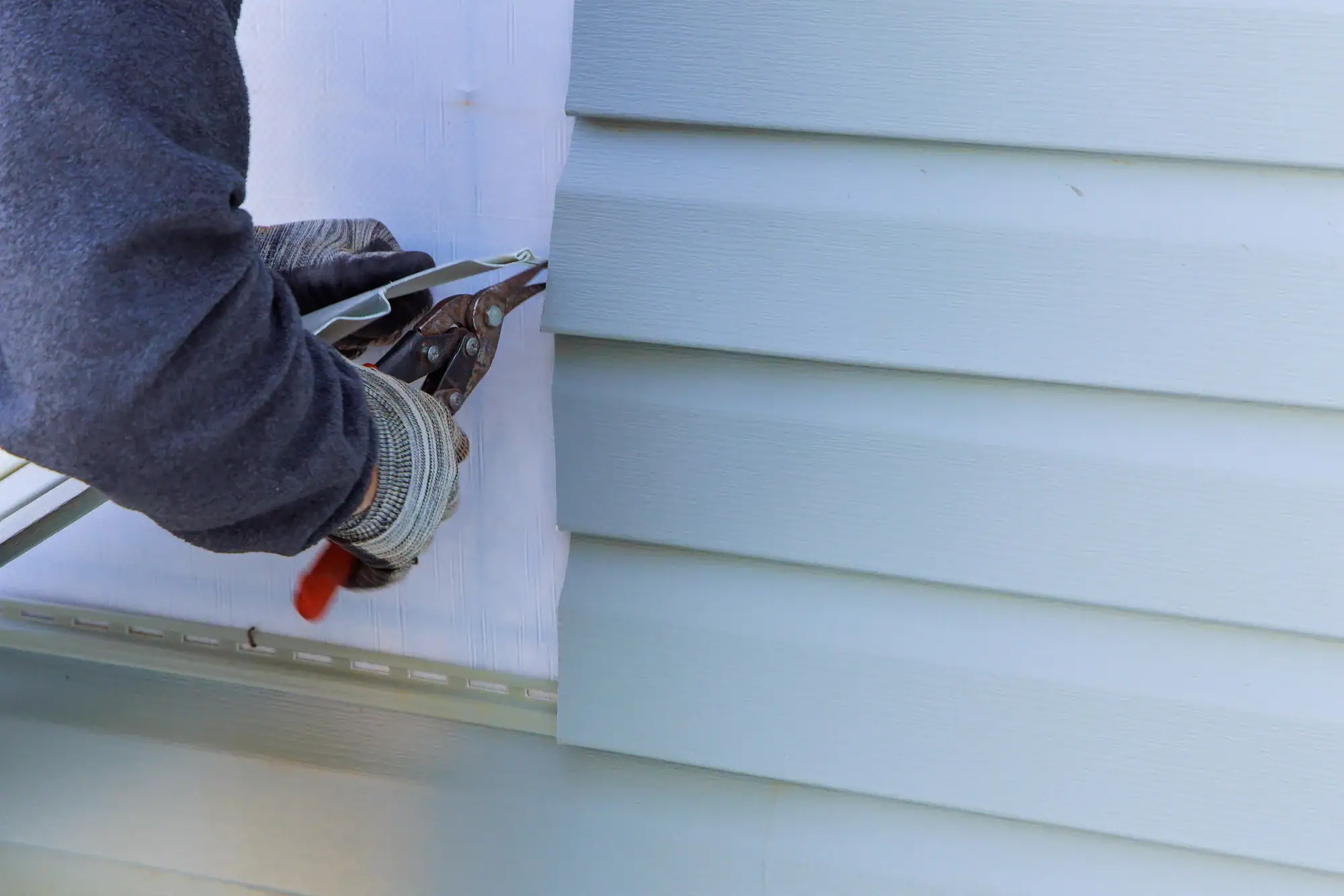
Once the work begins, most siding installations take two to five days depending on the size of the home. Old siding comes off first, the structure gets inspected, the moisture barrier goes in, and then the new panels are secured and sealed. The job site gets cleaned up completely when it’s done — no debris left behind, no loose panels, no open questions.
Ready to get started?
We install both vinyl siding and fiber cement siding, and the right choice depends on your home’s specific exposure, your budget, and what you’re trying to accomplish. Vinyl is the most popular siding material in Delaware for good reason — it’s moisture-resistant, doesn’t rot, handles wind and rain without warping, and holds up well in the kind of persistent humidity that comes with living east of Dover near the Delaware Bay corridor. Fiber cement takes that durability further and is considered virtually immune to moisture problems, which makes it worth the additional investment for homes with higher bay exposure or older underlying structure.
Every installation includes full removal of the existing siding, moisture barrier installation, weatherproof seam sealing, trim work, and cleanup. For homes in Oak Grove Estates or similar communities in the area, we’re experienced with the exterior cladding needs that manufactured and older housing stock presents — the attachment methods, the moisture barrier requirements, and the specific considerations that differ from a newer stick-built home down the road.
If your siding was damaged in a storm — and the Dover area has seen 39 severe weather warnings and 37 Doppler-confirmed hail events in the past 12 months alone — we also assist with insurance claims. Financing is available for homeowners who want to move forward now rather than wait while the damage compounds.

Because Oak Grove is an unincorporated community, there’s no town hall or local municipal office handling permits. Exterior siding work falls under Kent County jurisdiction, and in most cases a building permit is required before the project can begin. Skipping that step isn’t just a code violation — it can create real problems when you go to sell the home, since unpermitted exterior work often surfaces during the buyer’s inspection and can delay or derail a closing.
The good news is you don’t have to navigate any of that yourself. We handle all permitting as part of the project. Our team knows Kent County’s requirements and takes care of the paperwork so you can focus on the actual outcome — getting your home protected — rather than the administrative side of getting there.
This is one of the most common questions homeowners ask, and the honest answer is that it depends on what’s driving the problem. Surface-level issues — a cracked panel here, a loose section there — can sometimes be repaired without a full replacement. But in Oak Grove, where bay humidity works on exterior materials year-round and open terrain means wind and rain hit with less buffer, what looks like a surface issue often has more going on underneath.
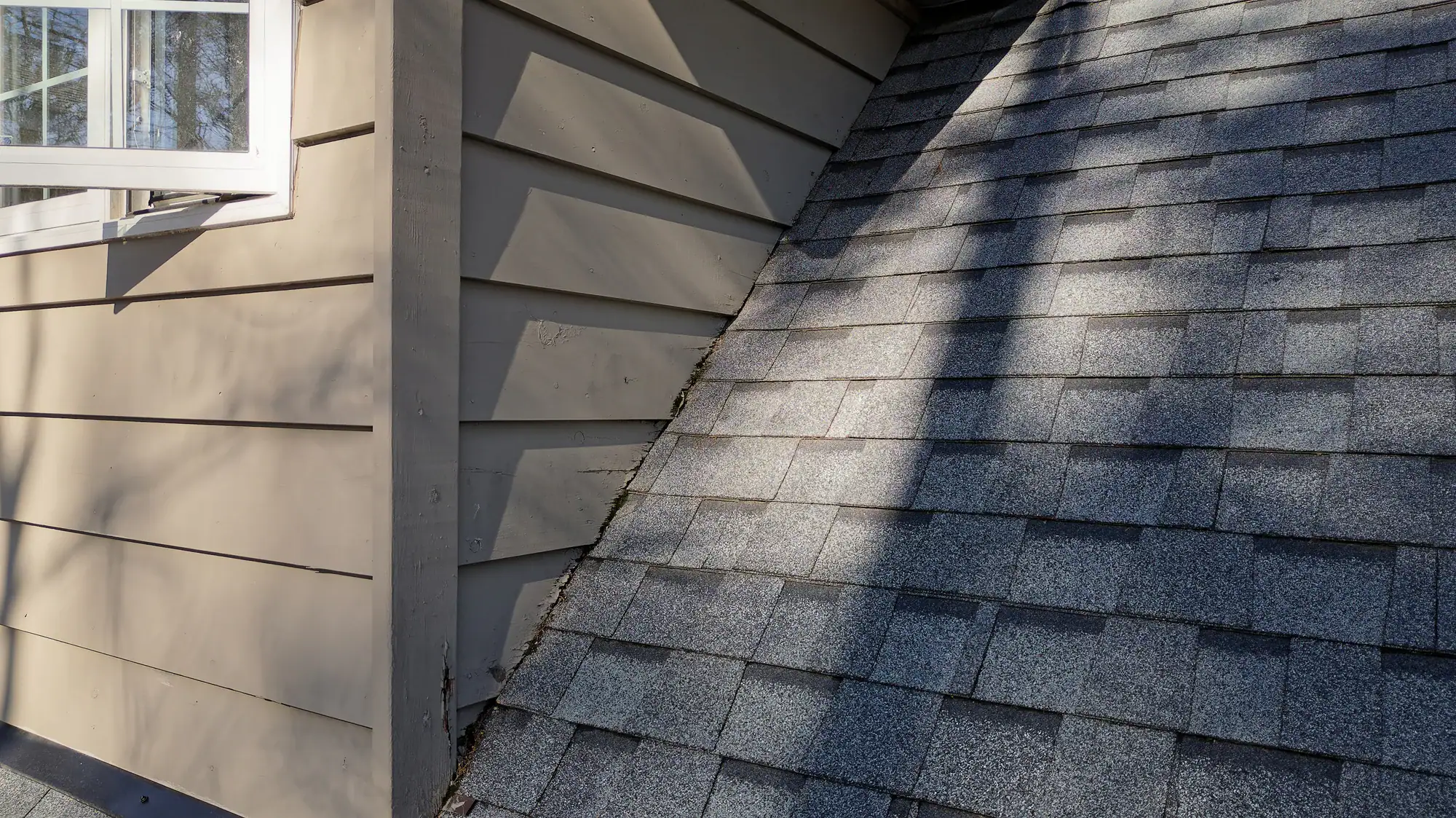
The real question isn’t just what you can see — it’s what the siding has been allowing in. Warping, fading, recurring mold on the exterior surface, or interior moisture signs like wall stains or musty smells are indicators that the siding has stopped doing its job as a moisture barrier. A thorough inspection before any work begins is the only way to know for sure what you’re dealing with, and that’s exactly how we start every project — no assumptions, no guessing.
Both vinyl and fiber cement perform well in Delaware’s climate, but they’re not identical, and where your home sits matters. Vinyl siding is moisture-resistant, won’t rot, and handles the humidity and seasonal rain that’s constant in this part of Kent County. It’s the most widely installed siding material in Delaware precisely because it’s well-suited to the conditions here — and for most homes, it’s the right call.
Fiber cement steps up the durability further. It’s considered virtually immune to moisture problems and holds up exceptionally well against the kind of persistent salt-air exposure that comes with living east of Dover in Oak Grove, closer to the Delaware Bay than most inland communities. It’s a heavier investment upfront, but for homes with higher exposure or older underlying structure that’s already seen some moisture history, the longer lifespan — up to 50 years compared to vinyl’s 20 to 40 — often makes it the smarter choice over time. The right answer for your home comes out of the inspection, not a default recommendation.
In many cases, yes — and it’s worth finding out before you assume you’re paying out of pocket. Homeowners insurance policies typically cover siding damage caused by wind, hail, and storm-driven debris, which are all documented, recurring events in the Dover and Kent County area. The Dover area alone has seen 37 Doppler-confirmed hail events in the past 12 months. Kent County’s open farmland terrain means wind hits residential structures with less natural buffer than in more sheltered neighborhoods, and that translates directly into siding damage that qualifies for a claim.
The tricky part is that storm damage to siding isn’t always obvious from the ground. Hail impact, loosened fasteners, and compromised seams can look minor on the surface while allowing moisture to work its way into the wall cavity. We assist homeowners with the insurance claims process — documenting the damage, working with your adjuster, and making sure you’re not leaving coverage on the table that you’ve already paid for.
Most residential siding installations take between two and five days, depending on the size of the home, the material being installed, and what the inspection turns up once the old siding comes off. A straightforward vinyl replacement on a smaller home can move quickly. A larger home, or one where the inspection reveals moisture damage or rot in the underlying structure, will take longer — and that’s the right call, because rushing past a structural issue to hit a timeline is how you end up with a new exterior hiding an old problem.
Timing also matters seasonally in this part of Delaware. Spring and early summer bring the most severe thunderstorm activity, which can affect scheduling and create urgent demand after storm events. If you’re planning a siding project, getting the inspection done and the estimate in hand before storm season peaks gives you more control over the timeline. We manage the entire project from start to finish, so you’re not coordinating between multiple crews or chasing updates — one point of contact, beginning to end.
The Kent County area sees its share of contractors who show up aggressively after storm events, pressure homeowners to sign quickly, and either do substandard work or disappear before the job is finished. A few things separate a legitimate contractor from that scenario. First, verify that they’re registered with the Delaware Department of Labor’s Office of Contractor Registration — this is required by law before any contractor can legally begin work in Delaware, and it’s easy to check. Second, ask whether the crew doing the work is employed directly by the company or subcontracted out. Subcontracting isn’t automatically a red flag, but a company that uses its own trained, insured crew carries more accountability for the outcome.
Look at the deposit they’re asking for. A legitimate contractor typically requires no more than 10 percent upfront, with the balance due when the work is complete. A large cash deposit demand before work begins is one of the clearest warning signs in this industry. And read the reviews — not just the star rating, but what people actually say. Consistent mentions of communication, on-time completion, and clean job sites tell you more than a number does. We’ve been serving Kent County from our Smyrna base for over 22 years, hold an A+ BBB rating, and carry a 5.0 out of 5 rating from more than 63 verified reviews — the kind of track record that takes real time and real work to build.
Other Services we provide in Oak Grove