
Hear from Our Customers
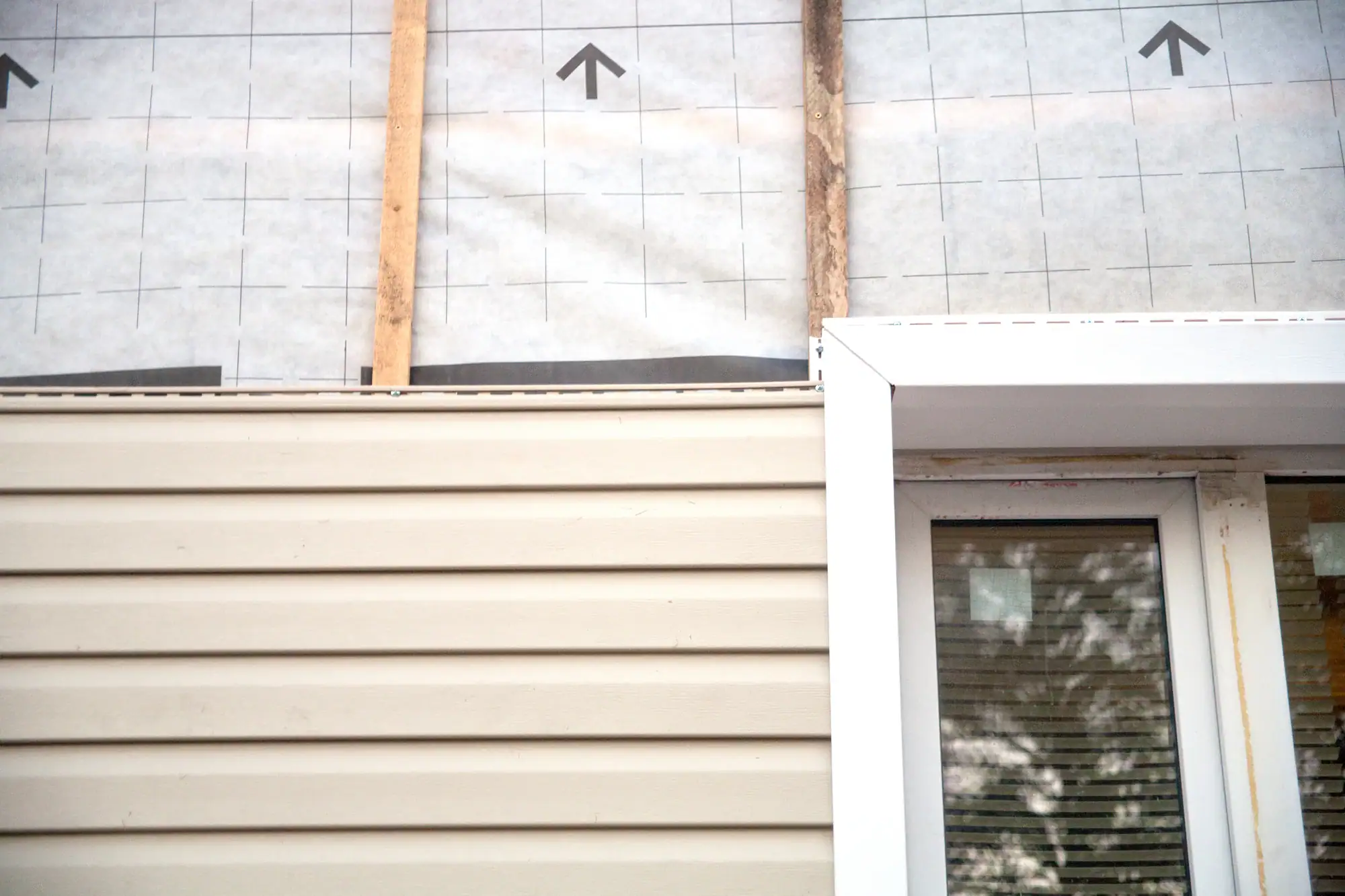
The first thing most homeowners in Marker Estates notice after a proper siding replacement is what stops happening. No more paint bubbling near the base of the walls. No more musty smell in rooms that back up to the exterior. No more visible gaps where panels have shifted or separated after a hard winter. Those aren’t minor cosmetic issues — they’re signs that moisture has been finding its way in, and that the wall structure underneath has been quietly absorbing the damage.
Northern Kent County’s freeze-thaw cycle is one of the more underappreciated threats to residential siding in Delaware. Every winter, water that’s worked its way into even small gaps in aging siding freezes, expands, and forces those gaps wider. By spring, what started as a hairline separation is now a real opening. Over several cycles, that process reaches the sheathing, the insulation, and eventually the framing. The damage compounds quietly until it’s expensive.
New siding — installed correctly, with a proper moisture barrier and weatherproof seams — stops that cycle. Your walls stay dry. Your energy costs stabilize. And when you’re ready to sell, you’re not explaining deferred maintenance to a buyer’s inspector. Fiber cement siding can recoup an average of 88% of its cost at resale nationally, and vinyl isn’t far behind. That’s not a small return on a project that also protects everything inside your walls.
We’re headquartered at 202 E Mt Vernon St in Smyrna — the same 19977 zip code that covers Marker Estates. That’s not a technicality. It means when you call for an estimate, you’re talking to a contractor who drives these roads, knows this area’s housing stock, and will still be here if you need anything addressed after the job is done.
Melissa and Richard McCain have been running this operation for over 22 years, serving homeowners across Kent and Sussex counties. We’re BBB accredited with an A+ rating, licensed and insured per Delaware’s contractor registration requirements, and have earned a 5.0 out of 5 rating from more than 63 verified reviews. Those reviews consistently mention the same things: clean job sites, clear communication, and work that finishes on schedule.
No outsourcing, no subcontracted crews showing up unannounced. Every project is handled by our own trained team, start to finish. In a small unincorporated community like Marker Estates — where there’s no local town office to escalate a complaint to if something goes wrong — that kind of direct accountability matters more than it might elsewhere.
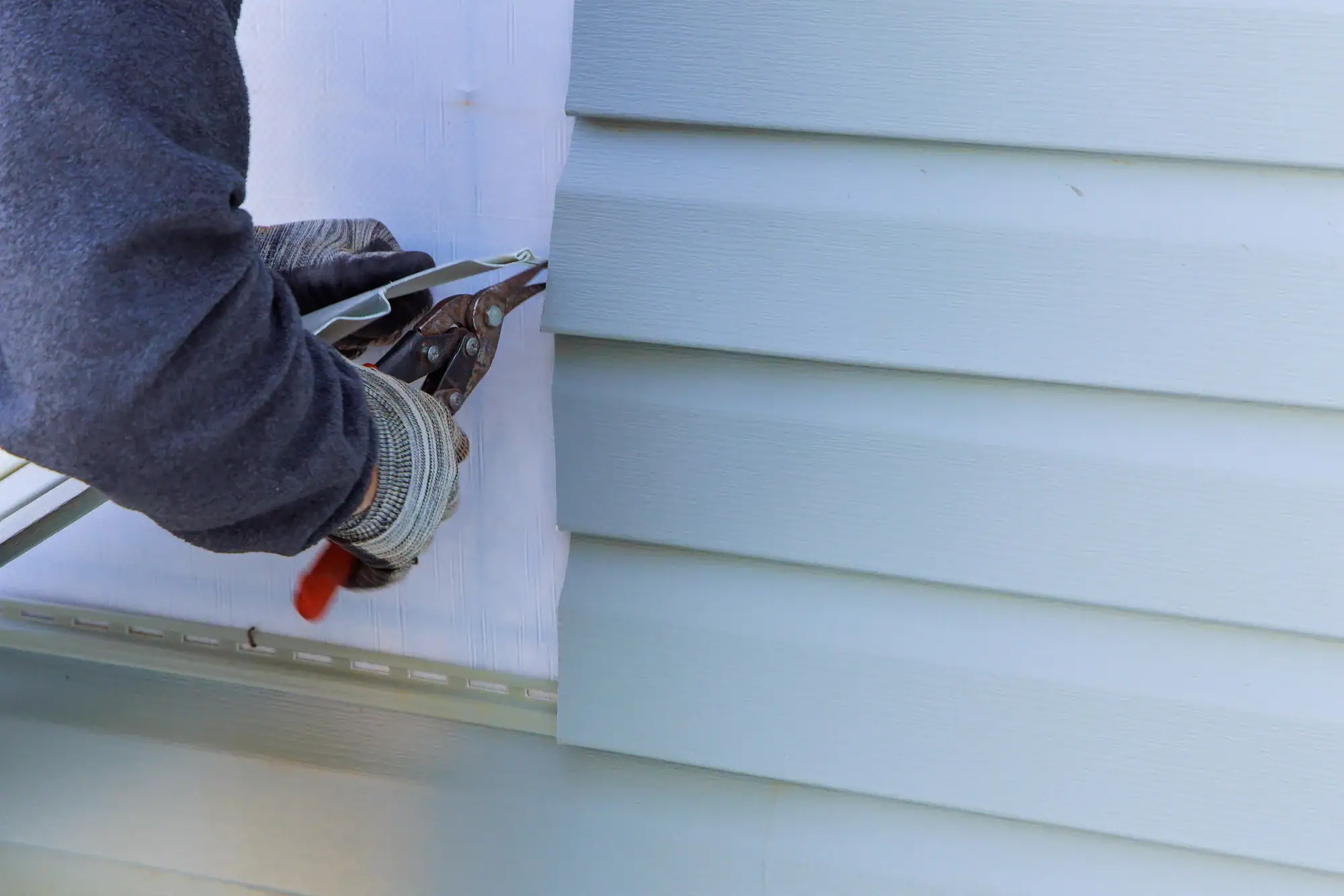
It starts with a free consultation and a detailed inspection of your current siding. That inspection isn’t a formality — it’s how we identify what’s actually going on with your exterior before any work is scoped or priced. In older homes around the Smyrna area, that often means checking for moisture infiltration behind existing panels, checking the condition of the wall sheathing, and flagging anything that needs to be addressed before new siding goes on. If there’s an issue, you’ll know about it upfront, in writing, before any commitment is made.
Once the scope is agreed on, we handle the Kent County building permit process on your behalf. Because Marker Estates is an unincorporated community, siding replacement falls under Kent County’s jurisdiction — not a local town office. Most homeowners here aren’t familiar with that process, and they shouldn’t have to be. The permit gets pulled, the code requirements get met, and you don’t have to make a single call to the county.
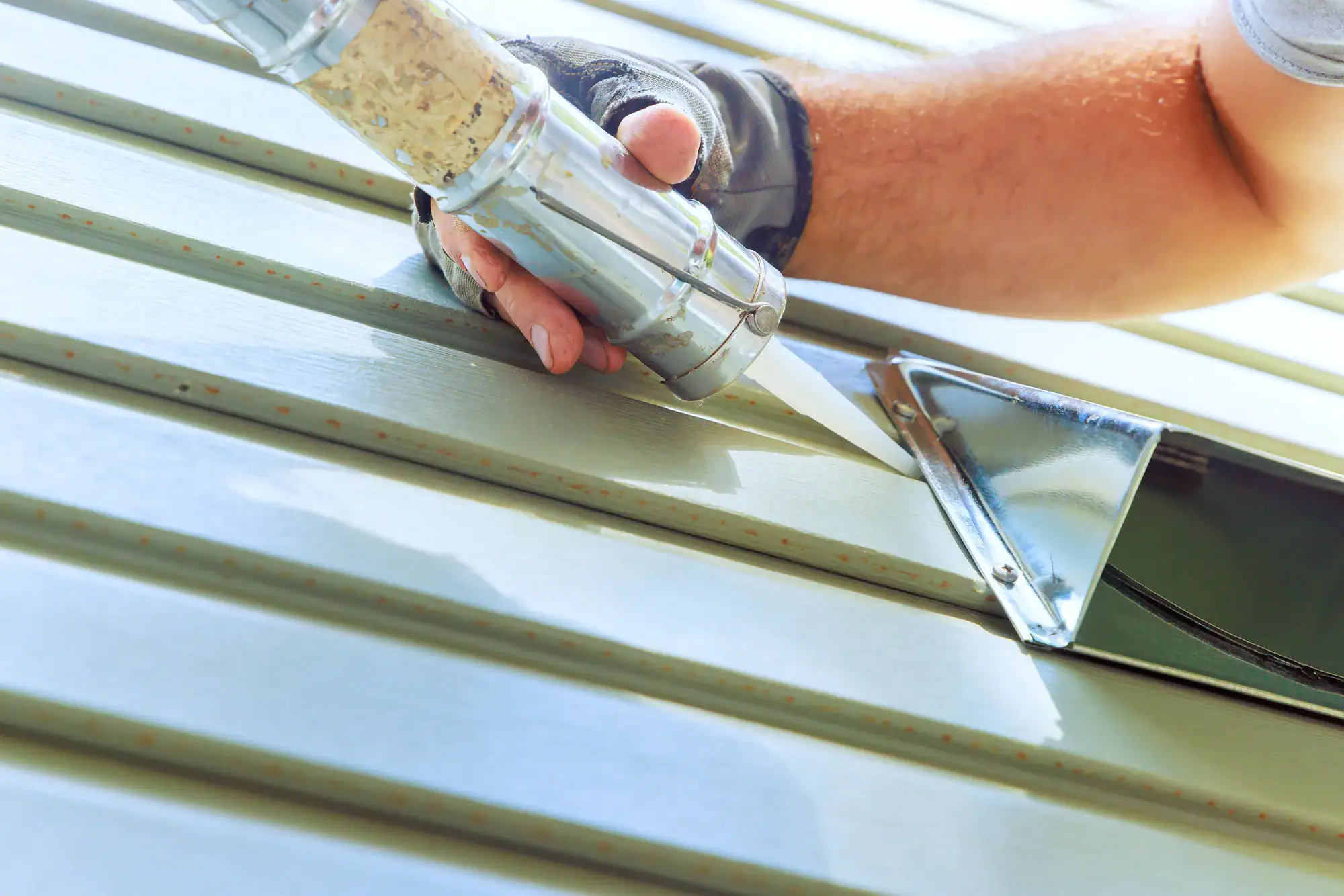
The installation itself typically takes two to five days depending on the size of your home and the material being installed. The old siding comes off first, the moisture barrier goes on, and then the new panels are secured and sealed. The job site stays clean throughout, and at the end, it’s left the way it was found — minus the failing siding. Most homeowners in Marker Estates are working households, and we work with that reality in mind.
Ready to get started?
Every siding project through First State Roofing & Exteriors Co. includes full removal of the existing siding, moisture barrier installation, new panel installation with weatherproof seam sealing, trim work, and a complete cleanup when the job is finished. There are no named tiers or package pricing — the scope is built around your specific home after the inspection, so you’re not paying for things you don’t need or missing things you do.
For homeowners in Marker Estates, the two most common material choices are vinyl and fiber cement. Vinyl is Delaware’s most popular siding material for good reason — it’s moisture-resistant, doesn’t rot, and handles the region’s humidity and rainfall well. Vinyl siding typically lasts 20 to 40 years when properly installed. Fiber cement, including James Hardie products, pushes that to up to 50 years and is virtually immune to the moisture problems that affect older or lower-grade vinyl. It’s a stronger long-term investment, particularly for homeowners who plan to stay in their home or want maximum resale value.
If your siding damage came from a storm, we also assist with the insurance claims process. Delaware’s nor’easters and summer storms regularly produce the kind of wind and impact damage that qualifies for a homeowner’s insurance claim — but most homeowners don’t know how to document it or what to ask their insurer. That support is included. Financing is also available for homeowners who want to move forward now rather than wait.

Yes, and because Marker Estates is an unincorporated community, that permit comes from Kent County — not a local town office. This trips up a lot of homeowners who assume they’re dealing with a municipal permit process. Kent County requires a building permit for exterior siding replacement before work begins, and the contractor performing the work must also be registered as a Construction Contractor with the Delaware Department of Labor’s Office of Contractor Registration.
The good news is that we handle all of this as a standard part of every project. You don’t have to figure out which county office to contact, how long the permit takes, or what documentation is required. The permit gets pulled, the work gets done to code, and the inspection gets coordinated — all without you having to make a single call to the county building office. It’s one less thing to manage.
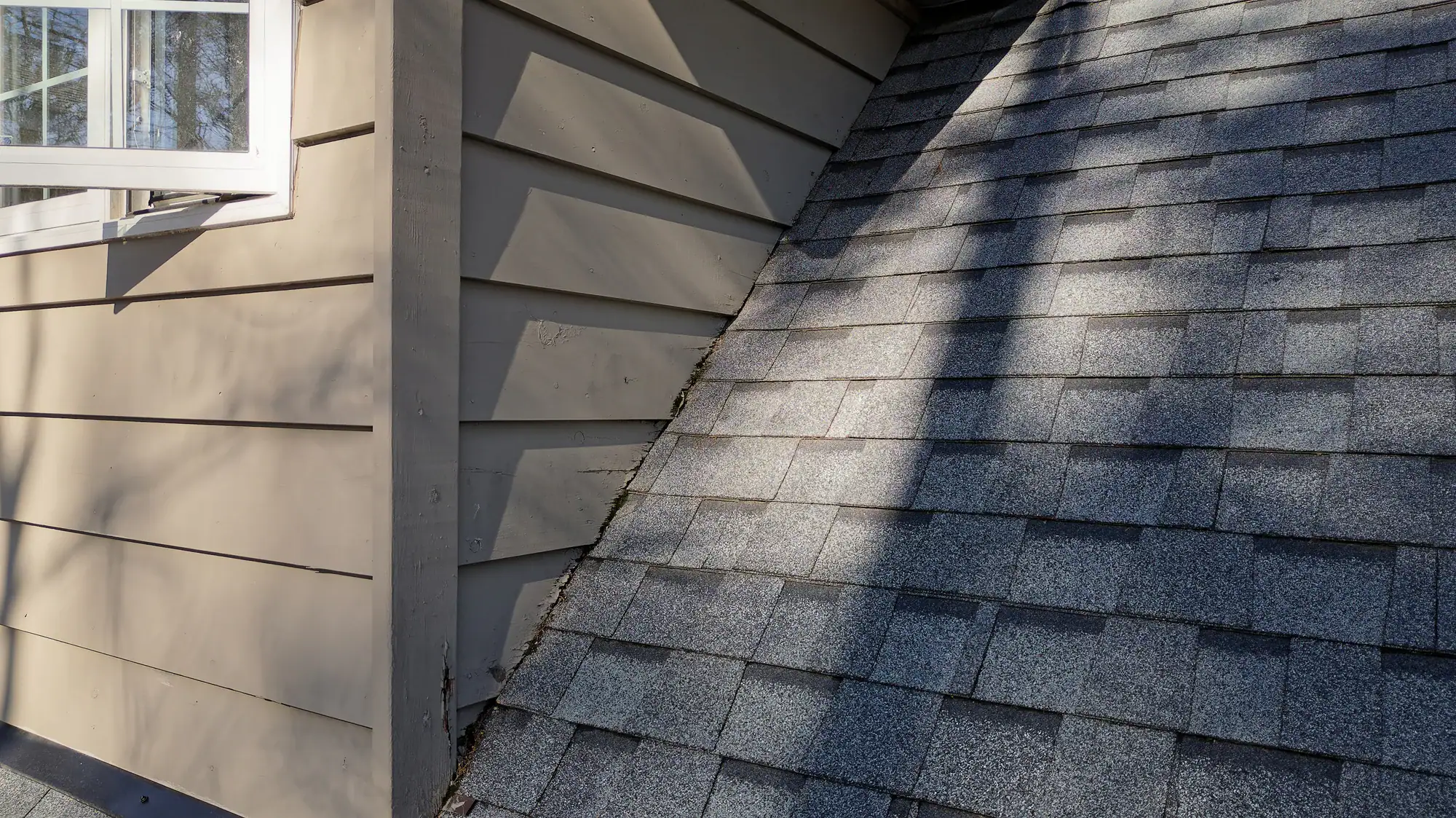
The honest answer is that it depends on the extent and location of the damage, and you really need someone to look at it before drawing any conclusions. That said, there are some reliable indicators that replacement makes more sense than repair. If your siding is cracking, warping, or pulling away from the wall in multiple spots — not just one isolated panel — that’s typically a sign of systemic failure rather than isolated damage. The same goes for fading or chalking that’s spread across most of the exterior, or any visible mold and mildew growth that keeps returning.
In northern Kent County specifically, the freeze-thaw cycle tends to accelerate deterioration in siding that’s already past its prime. If your home was built in the 1980s or 1990s, the original siding is now 30 to 45 years old — right at or past the end of its expected lifespan. A free inspection from us will give you a straight answer on what’s actually going on, including whether there’s any moisture damage to the wall structure underneath that needs to be addressed before new siding goes on.
Both vinyl and fiber cement perform well in Delaware, but for different reasons and at different price points. Vinyl is the most widely used siding material in the state because it handles moisture, humidity, and rain without rotting or warping. It doesn’t require painting, it’s low maintenance, and quality vinyl installed correctly will last 20 to 40 years. For most homeowners in Marker Estates, it’s a practical, durable choice.
Fiber cement — particularly James Hardie products — goes further. It’s virtually immune to moisture problems, holds up to Delaware’s freeze-thaw cycles without expanding and contracting the way some materials do, and resists the mold and mildew growth that Delaware’s humidity encourages. It also has a longer lifespan, up to 50 years, and tends to recoup more of its cost at resale. The tradeoff is a higher upfront cost. The right choice depends on your home, your timeline, and your budget — and that’s exactly what the free consultation is for. We’ll walk you through both options based on your specific situation, not on which product has the better margin.
It often can, yes. Delaware sees regular nor’easters, summer thunderstorms, and high-wind events that produce the kind of siding damage that qualifies as a covered loss under most standard homeowners insurance policies. Wind-driven impact, hail damage, and storm-related moisture infiltration are all common claim scenarios in Kent County. The problem most homeowners run into isn’t eligibility — it’s documentation. Insurers need to see clear evidence of storm-related damage, and if you don’t know what to photograph, what language to use, or how to distinguish storm damage from general wear, claims can get denied or undervalued.
We assist with the insurance claims process for storm-damaged siding. That means helping you document the damage properly, working with your adjuster, and making sure the scope of the claim reflects what actually needs to be replaced. It doesn’t cost you anything extra to have that support, and it can make a significant difference in what your insurer ultimately covers.
Most residential siding projects take two to five days from start to finish. The exact timeline depends on the size of your home, the material being installed, and whether the inspection turns up any underlying issues — like moisture damage to the wall sheathing — that need to be addressed before new siding goes on. A straightforward vinyl installation on a mid-sized single-family home in the Smyrna area will typically land on the shorter end of that range.
We manage the full project in-house, which is one of the main reasons timelines stay tight. There are no subcontractors to coordinate, no waiting on a third-party crew to become available, and no gaps in the schedule where your home is partially exposed while you wait for someone to show up. For homeowners in Marker Estates who are working full-time and can’t afford weeks of disruption, that matters. The job site is kept clean throughout, and a full cleanup is done at completion — so the disruption to your daily routine is as brief as possible.
Small unincorporated communities like Marker Estates are unfortunately a common target for storm chasers — contractors who show up after a weather event, pressure homeowners into quick decisions, take a large deposit, and either disappear or deliver substandard work. Because there’s no local town government or municipal permit office to flag unlicensed activity, the accountability mechanisms that exist in larger incorporated towns are weaker here. That means the vetting burden falls more heavily on the homeowner.
The most reliable way to protect yourself is to verify three things before signing anything. First, confirm the contractor is registered with the Delaware Department of Labor’s Office of Contractor Registration — this is a legal requirement, not optional, and any contractor who can’t confirm it is a red flag. Second, ask for proof of liability insurance and workers’ compensation coverage. Third, check their reviews on Google and the BBB — not just the star rating, but the volume and specificity of the feedback. A contractor with 60-plus detailed reviews from Delaware homeowners is a fundamentally different risk profile than one with a handful of generic five-star ratings. Legitimate contractors also don’t ask for large upfront deposits — a reasonable deposit is typically 10% or less, with the balance due at completion.
Other Services we provide in Marker Estates