
Hear from Our Customers
When Main Street and Lowe Street flood with tidal water — and DNREC has documented that this happens regularly — the last thing you want is siding installed without that reality in mind. We’ve seen what happens when moisture gets behind the panels: rot in the framing, mold growth in the cavities, and structural damage that costs tens of thousands to repair.
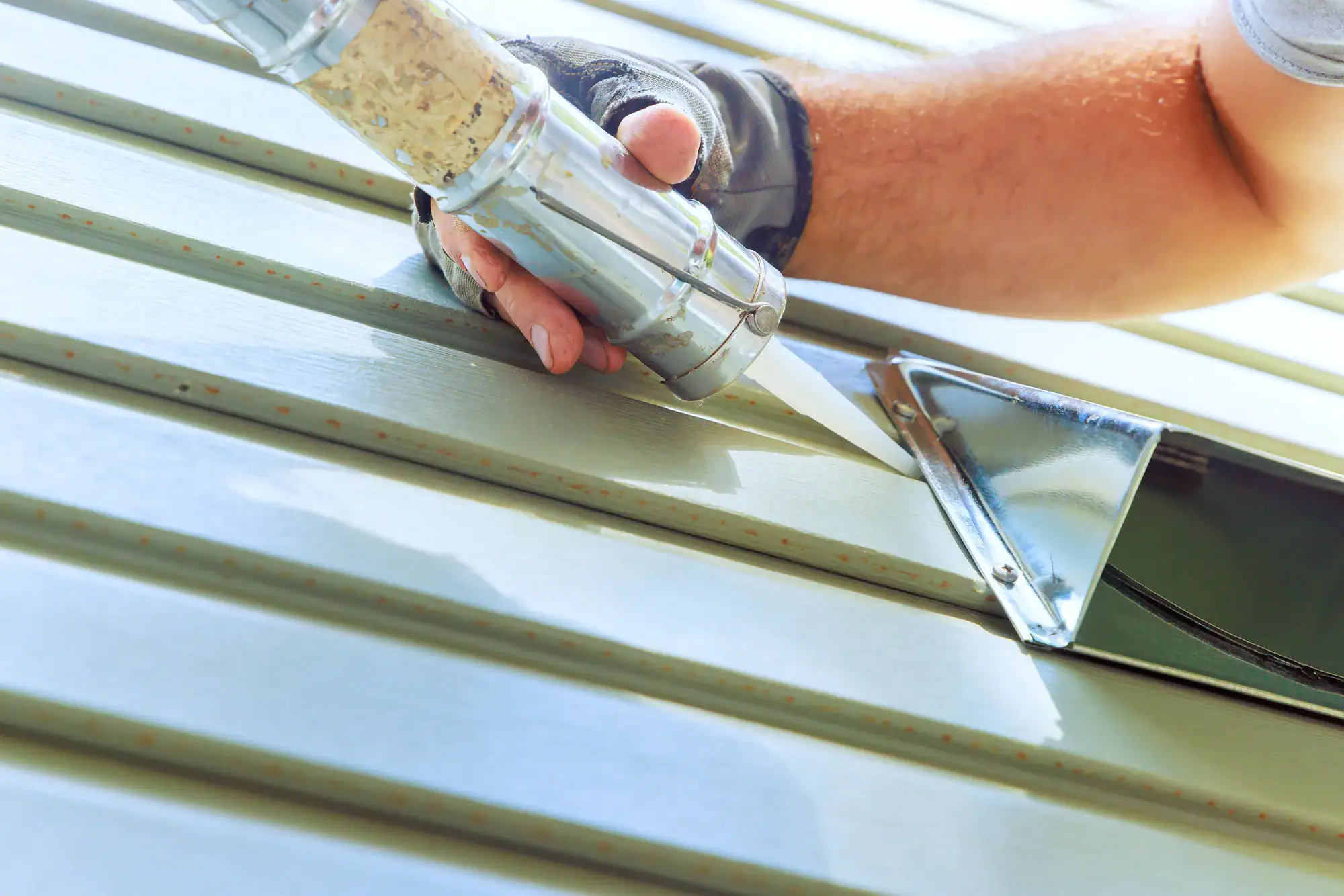
Properly installed siding stops that before it starts. A full moisture barrier, weatherproof seams at every joint, and tight flashing at the base of the wall are not optional details in Little Creek — they’re the foundation of any job we do. When water sits at your foundation after a tidal event, it’s looking for a way in. We make sure it doesn’t find one.
The salt air from the Delaware Bay is relentless. It fades finishes, makes standard vinyl brittle, and opens up the small gaps where moisture sneaks behind the panels. When we select and install siding with coastal conditions in mind, it holds its appearance and its integrity significantly longer than work done without that specificity. That means fewer repairs, lower maintenance costs, and a home that actually stays dry through the seasons.
For homes in Little Creek — where the housing stock is older and the environment is harder on exteriors than most inland Delaware communities — getting the siding job right the first time isn’t optional. New siding means a drier home, a more stable structure, and the kind of curb appeal that actually holds up when the nor’easters come through in the fall.
We’re based in Smyrna, a straight shot up Route 9 from Little Creek. That proximity isn’t incidental. The same bayshore corridor, the same tidal influence from the Delaware Bay, the same freeze-thaw cycles that affect homes all along this stretch of eastern Kent County. When our crew shows up at your door in Little Creek, they’re not learning your environment on the fly — they’ve worked on dozens of homes that face exactly what yours does.
Over 22 years of serving Kent County means we’ve removed old siding from homes in Little Creek and found hidden rot, moisture damage, and structural issues that only show up once the panels come off. We know what to look for and what to address before new siding goes on. Every project is handled entirely in-house. No subcontractors. No day laborers hired off a list. The same trained, insured crew that starts your job finishes it.
With a 5.0/5 rating from over 63 verified reviews, BBB accreditation, and a reputation built one job at a time across Kent and Sussex counties, we’ve earned the trust of homeowners who expect their siding to actually perform in a coastal environment.
We start with a free consultation and a thorough inspection of your current siding. For homes in Little Creek — especially those along Main Street and Lowe Street where tidal flooding is documented — that inspection is not a formality. It’s how we find out what’s actually going on behind the panels before any work begins.
If there’s rot in the sheathing or moisture damage in the framing, you’ll know about it upfront, in writing, before a single panel comes off. Once the scope is clear and you’ve approved it, we remove the old siding in full. This matters because laying new siding over old problems is how you end up with the same issues in five years.
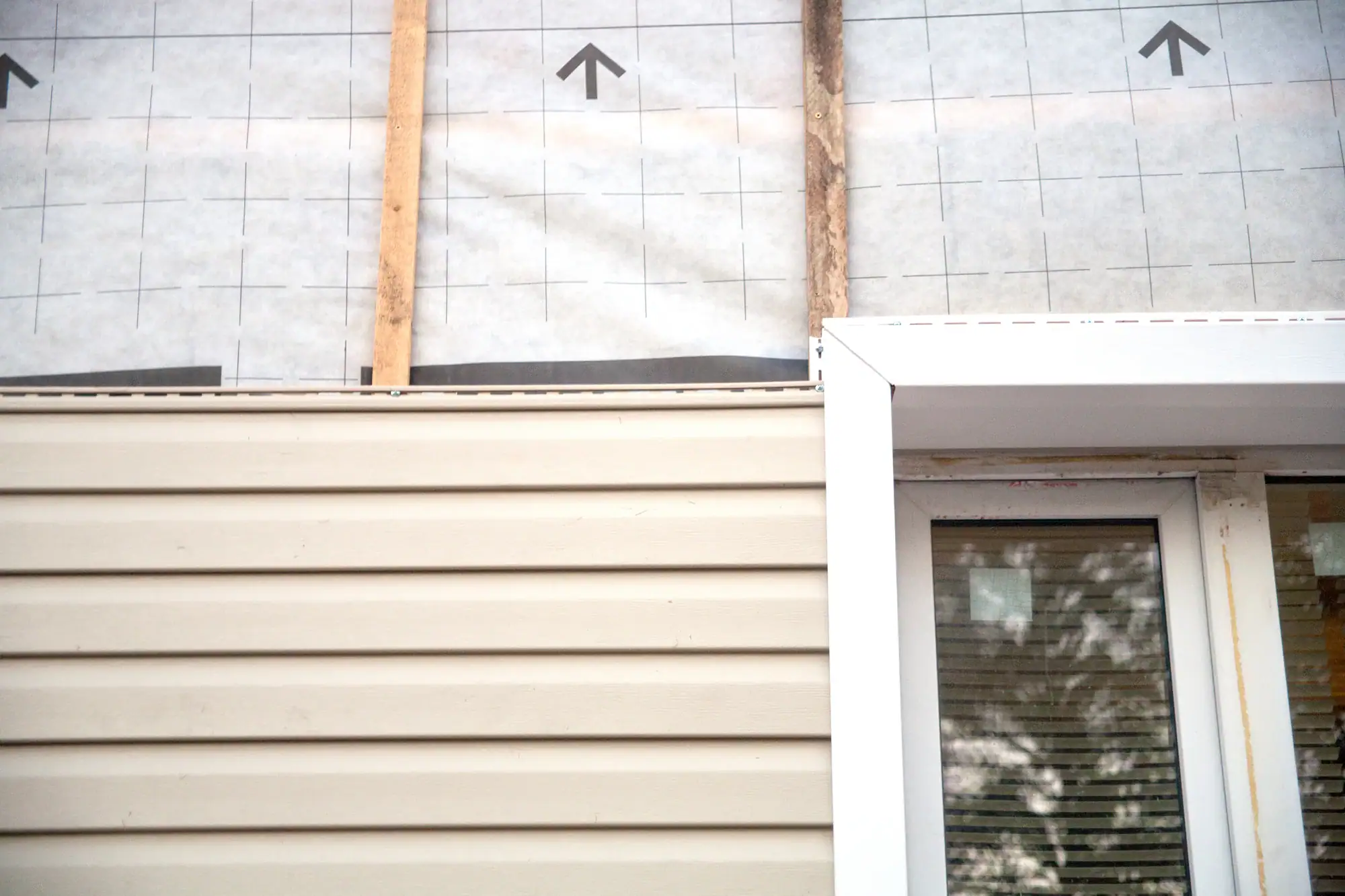
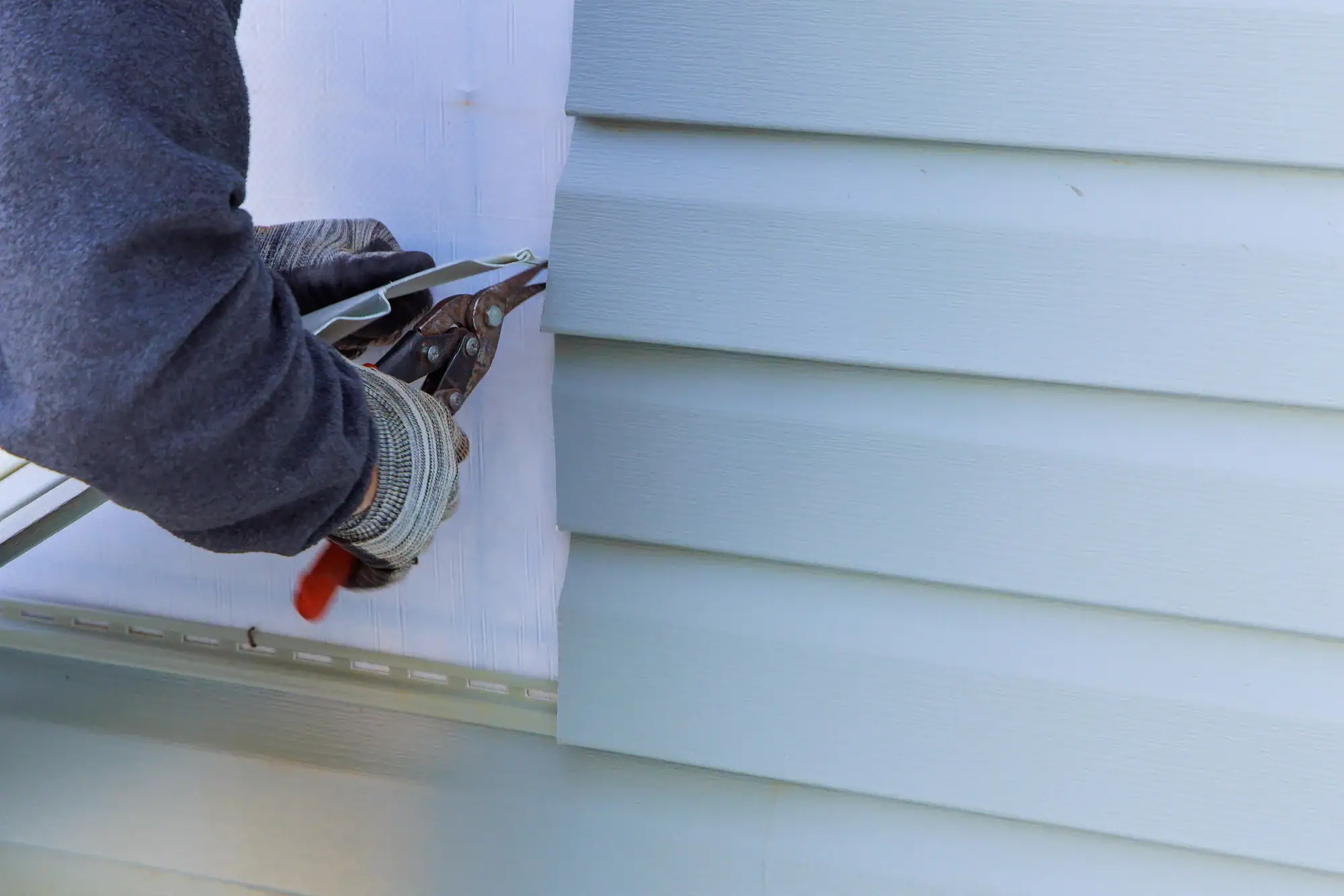
The wall is inspected again at this stage, the moisture barrier goes in, and then the new siding is installed — sealed, secured, and built to handle the wind loads and moisture exposure of a bayshore community. Kent County requires a building permit for exterior siding work, and if your home falls within or near the Little Creek Hundred Rural Historic District, there may be additional review involved. We handle all of that. Most projects take two to five days from start to finish, and the job site is left clean when we’re done.
Ready to get started?
We install both vinyl siding and fiber cement siding, and the right choice genuinely depends on your home’s exposure, age, and budget. For homes closer to Port Mahon Road and the Delaware Bay shoreline, fiber cement — particularly James Hardie — is worth the conversation. It’s virtually immune to salt air, moisture cycling, and UV degradation, which is exactly why it performs so well in bayshore environments like Little Creek.
Vinyl is the more common choice across Kent County and handles moisture exceptionally well, but the quality of the product matters. Thickness, UV resistance, and wind load ratings vary significantly, and the cheap end of the vinyl market won’t hold up in Little Creek the way a proper coastal-grade product will.
Every siding project includes full removal of the existing siding, moisture barrier installation, trim work, weatherproof sealing at every seam, and cleanup. If the inspection turns up rot, pest damage, or structural issues in the sheathing — which is more common in older homes than most homeowners expect — we address that before the new siding goes on, not patched over.
We offer financing for homeowners who need it. A quality siding installation on an older home in a coastal community isn’t a small project, and there’s no reason to put it off because of budget timing. Free estimates are available on every job — no pressure, no commitment, just a clear picture of what the work involves and what it will cost.

Yes, and the damage is more direct than most homeowners realize. DNREC has formally documented that Main Street and Lowe Street in Little Creek experience significant frequent flooding from tidal conditions from the Little River and the Delaware Bay. When water sits at the base of your exterior walls repeatedly — even temporarily — it works its way into any gap in the siding system.
If the moisture barrier underneath is degraded, improperly installed, or simply absent (which is common in older homes), that water reaches the wall sheathing. Over time, that leads to rot, mold growth behind the panels, and eventually structural damage that costs far more to fix than the siding itself. The solution isn’t just replacing the panels — it’s replacing them correctly with a full moisture barrier, proper flashing at the base of the wall, and weatherproof seams at every joint. If your current siding is older and you’ve had standing water near your foundation after tidal events, it’s worth having us take a close look before the problem gets bigger.
Fiber cement is the strongest performer in salt air environments. Products like James Hardie HardiePlank are engineered to resist moisture, salt, UV exposure, and the constant humidity that comes with living near open water. They don’t absorb moisture the way wood does, they don’t corrode, and they hold their finish significantly longer than standard vinyl when exposed to coastal conditions. For homes in Little Creek within a short distance of the Bay — particularly those with direct exposure along Port Mahon Road — fiber cement is worth the investment.
That said, vinyl siding is still a solid choice for most Little Creek homes, provided you’re using the right product. Not all vinyl is the same. Thicker panels with higher UV resistance ratings and proper wind load ratings perform very differently from the budget options you’ll find at a big box store. The key is matching the material to the actual exposure your home faces, not just going with whatever is cheapest or easiest to install. We’ll walk you through that choice — not push you toward whichever product has the highest margin.
The honest answer is that you often can’t tell until the old siding comes off. That’s especially true for older homes in Little Creek, where the housing stock dates back generations and many homes have had siding patched, painted over, or partially replaced multiple times. Years of moisture exposure, tidal flooding events, and salt air take a toll on the wall sheathing and framing underneath — and that damage doesn’t always show through to the surface until it’s become a serious problem.
The right way to handle this is to make sure your contractor does a thorough inspection before any work begins and commits to a written scope. If additional damage is found when the old siding comes off, you should be told about it immediately and given a clear explanation of what it will cost to address — not handed a surprise bill at the end of the job. We inspect before we start and communicate any findings before the work proceeds. No hidden charges without your approval.
Yes. Exterior siding replacement in Little Creek falls under Kent County’s jurisdiction for building permits. You’ll need a permit before work begins, and the project will need to meet Kent County’s adopted building codes. Applications can be submitted through the Kent County MyGovernmentOnline portal, and inspections are required at certain stages of the work.
There’s also an additional layer worth knowing about if your home is in or near the Little Creek Hundred Rural Historic District, which is listed on the National Register of Historic Places. Properties within or adjacent to a historic district may be subject to additional review before exterior modifications are approved. It doesn’t necessarily mean you can’t do the work — it means the process requires an extra step. We handle all permitting as part of our service, so you don’t have to figure out which approvals apply to your specific property or navigate the county offices on your own.
Most siding installation projects take between two and five days, depending on the size of the home, the material being installed, and what’s found underneath the old siding during removal. For older homes in Little Creek — where hidden moisture damage or rot in the sheathing is a real possibility given the age of the housing stock and the history of tidal flooding — it’s worth building in some flexibility. If structural issues are found during the removal phase, those need to be addressed before new siding goes on, and that can add time to the project.
Weather is also a practical factor in eastern Kent County. Nor’easters and coastal storms can move through quickly in the fall, and scheduling with that in mind is something an experienced local contractor accounts for. We’ll give you a realistic timeline at the start of the project and communicate any changes clearly as the work progresses. The goal is always to get the job done right and on schedule — not to rush through it and leave problems behind.
In many cases, yes — homeowners insurance does cover siding damage caused by storms, and Little Creek’s position along the Delaware Bay corridor means this comes up more than it does for inland communities. Nor’easters tracking up the Bay, high-wind events, and summer coastal storms can all cause the kind of siding damage that qualifies as a covered loss under a standard homeowners policy. The challenge is that the claims process can be confusing, and insurance adjusters don’t always catch everything on the first inspection.
We provide insurance claims assistance for storm-damaged siding. That means we can help you document the damage properly, work alongside your adjuster, and make sure the full scope of what needs to be replaced is captured in the claim — not just the most obvious panels. If you’ve had a recent storm event and you’re not sure whether your siding damage qualifies, a free estimate is a good starting point. You’ll get a clear picture of what’s damaged and what it would cost to fix, which is exactly what you need before you decide whether to file a claim.
Other Services we provide in Little Creek