
Hear from Our Customers
When siding fails in Hourglass and the surrounding area, it rarely fails all at once. It starts quietly — a seam that’s not quite sealed, a panel that took on moisture during a nor’easter, a section of trim that’s been letting water creep behind the wall for a season or two. By the time you notice something’s wrong on the outside, there’s often already a problem on the inside. Getting the siding right the first time isn’t just about appearances. It’s about stopping that process before it starts.
For homes in Hourglass, that means installation that accounts for what’s actually happening out here: persistent coastal humidity from the bay, flat terrain with no windbreak, and winters that run through enough freeze-thaw cycles to work gaps open in anything that wasn’t properly sealed. Vinyl and fiber cement both hold up well in this environment when they’re installed correctly. The moisture barrier underneath, the way the seams are handled, the trim work around windows and doors — those details are where most installations either earn their keep or fall short.
New siding also does real things for a home’s value. According to the 2024 Cost vs. Value Report, vinyl siding replacement recoups around 80% of project cost at resale, and fiber cement comes in around 88%. In a rural Kent County market where home condition carries significant weight, that’s not a number to ignore — especially if you’re sitting on original siding that’s been weathering Delaware Bay humidity for thirty-plus years.
We’re based in Smyrna, about 15 to 20 miles north of Hourglass, right in the heart of Kent County. Over 22 years, we’ve seen what the Delaware Bay climate does to homes in the Little Creek Hundred area where Hourglass sits, what the older rural housing stock looks like when the siding finally comes off, and what it takes to do this work correctly in an environment that doesn’t forgive shortcuts.
We’re licensed and insured, BBB accredited with an A+ rating, and we’ve built a 5.0/5 star review record across 63+ verified reviews — not by being the flashiest contractor in the state, but by showing up, doing the work ourselves, and leaving job sites clean. Every project is handled by our own crew. We don’t subcontract. The people we send to your property in Hourglass are the same people who’ve been doing this work with us for years.
If you’re in an unincorporated community like Hourglass and you’ve never dealt with a Kent County permit before, that’s not something you need to figure out on your own. We handle all of it.
It starts with a free consultation and a real inspection — not a quick walkthrough, but a detailed look at what your current siding is doing, what’s behind it, and what the right approach is for your specific home. For older rural properties in Hourglass, this step matters more than most people expect. When original siding comes off a home that’s been standing since the 1980s or earlier, what’s underneath can range from perfectly fine to significantly deteriorated. We tell you what we find before anything else happens, and nothing changes in scope or cost without your sign-off first.
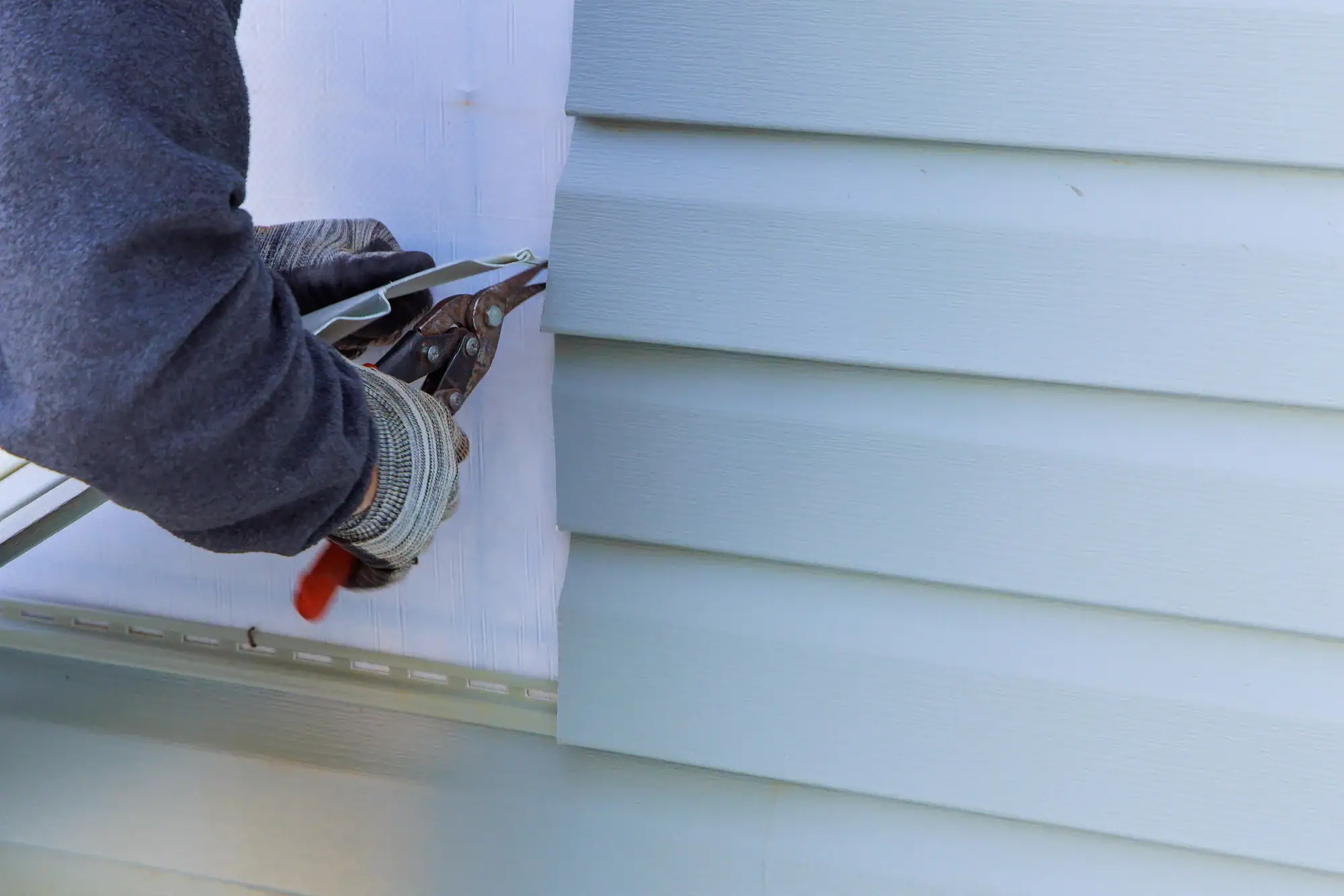
From there, we handle the Kent County permitting process. Because Hourglass is unincorporated, there’s no local town hall — permits go through the county, and we manage that entire process so you don’t have to navigate it yourself. Once permits are in order, our crew gets to work. Old siding comes off, the structure gets inspected, a moisture barrier goes in, and new panels are installed with the sealing and trim work that actually keeps eastern Kent County weather out. Most installations take two to five days depending on the size of the home.
When the job is done, the site is clean. That’s not a bonus — it’s standard. Gravel driveways, landscaping, outbuildings — we work around what’s there and we leave it the way we found it.
Ready to get started?
Every siding project with First State Roofing & Exteriors Co. starts with full removal of the existing siding. We don’t layer new over old — that approach skips the inspection step that catches rot, mold, and moisture damage before it becomes a much bigger problem. For homes in Hourglass, where some properties have been standing for decades without a siding replacement, that inspection step is often where the most important decisions get made.
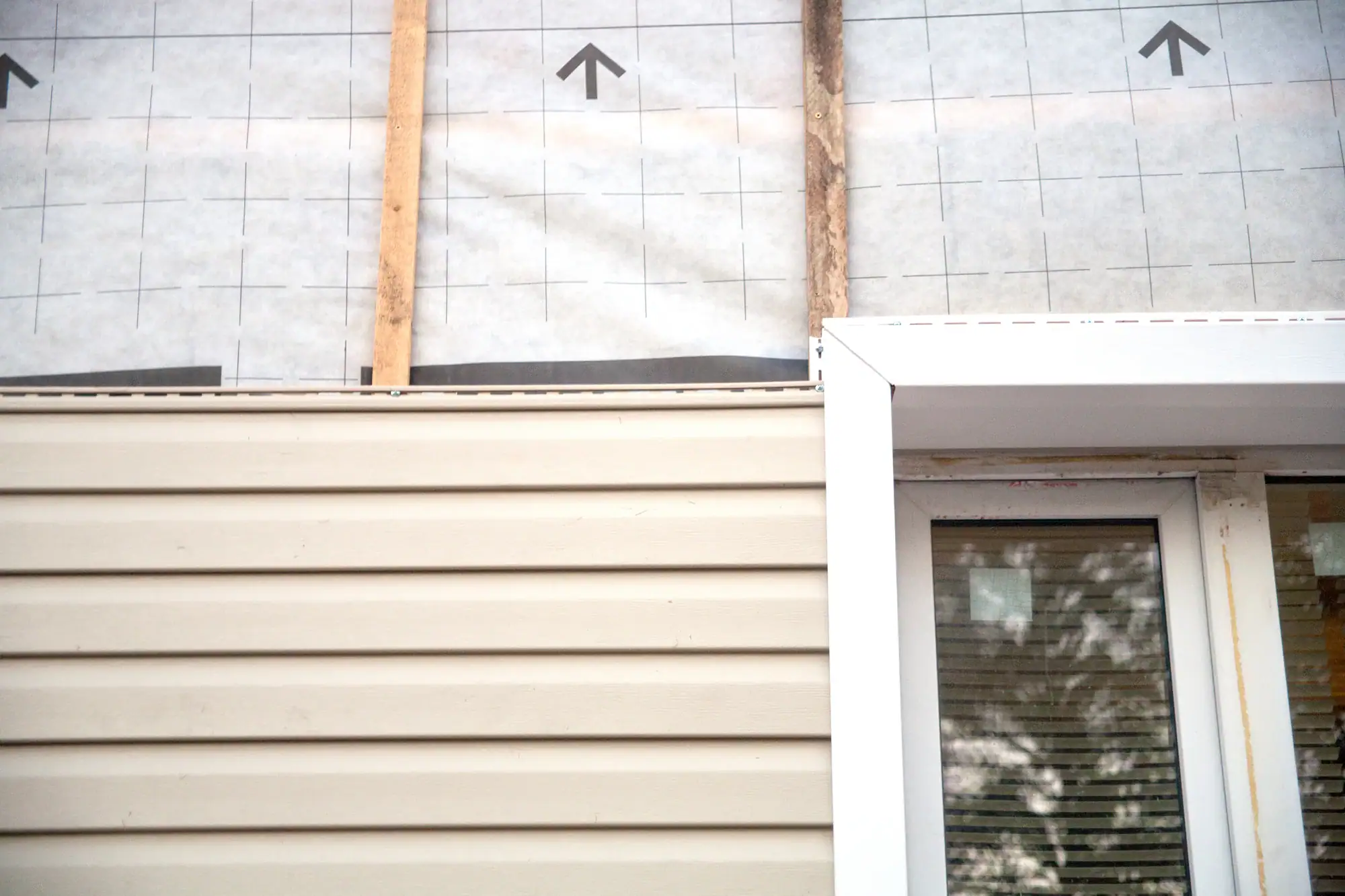
After removal, we install a moisture barrier before any new panels go up. In the coastal humidity corridor between Dover and the Delaware Bay where Hourglass is located, that layer isn’t optional — it’s what separates a siding job that holds for 20-plus years from one that starts showing problems in five. We offer both vinyl and fiber cement, and we’ll give you a straight recommendation based on your home’s exposure, architecture, and what makes sense for your budget — not based on what’s easiest for us to install.
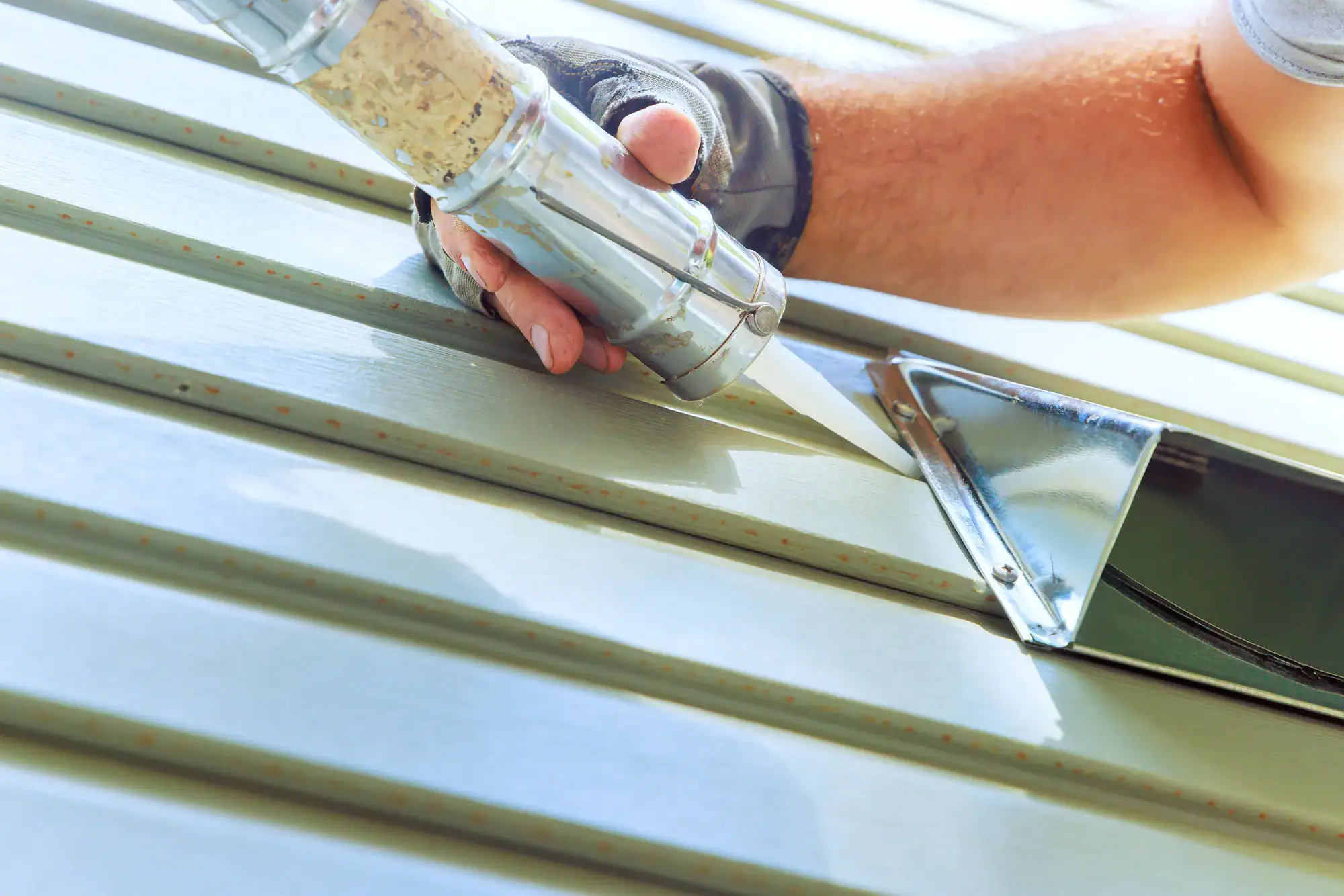
Trim work, sealing, and weatherproofing around windows, doors, and corners are all part of the job. So is the cleanup. If your home has sustained storm damage and you’re looking at a siding replacement through an insurance claim, we provide claims assistance and can work directly with your insurer. Financing is also available for homeowners who want to move forward now rather than wait. And if you need roofing or gutters addressed at the same time, we handle those too — one contractor, one project, one less thing to coordinate.

Yes, exterior siding work typically requires a building permit. Because Hourglass is an unincorporated community in Kent County, that permit goes through the county rather than a local town office. There’s no Hourglass town hall to walk into — the process runs through Kent County’s building and code enforcement system, which can feel unfamiliar if you’ve never done it before.
The good news is that you don’t have to figure it out yourself. We handle all permitting as part of every siding project. We’re familiar with Kent County’s requirements, we pull the permit, we schedule the required inspections, and we make sure the work meets code from start to finish. You don’t need to make a single call to the county — that’s our job, not yours.
The honest answer is that it depends on what’s happening and how far along it is. Visible cracking, warping, fading, or panels that have pulled away from the wall are obvious signs. But the more important question is what’s going on behind the surface — and that’s harder to assess without actually looking.
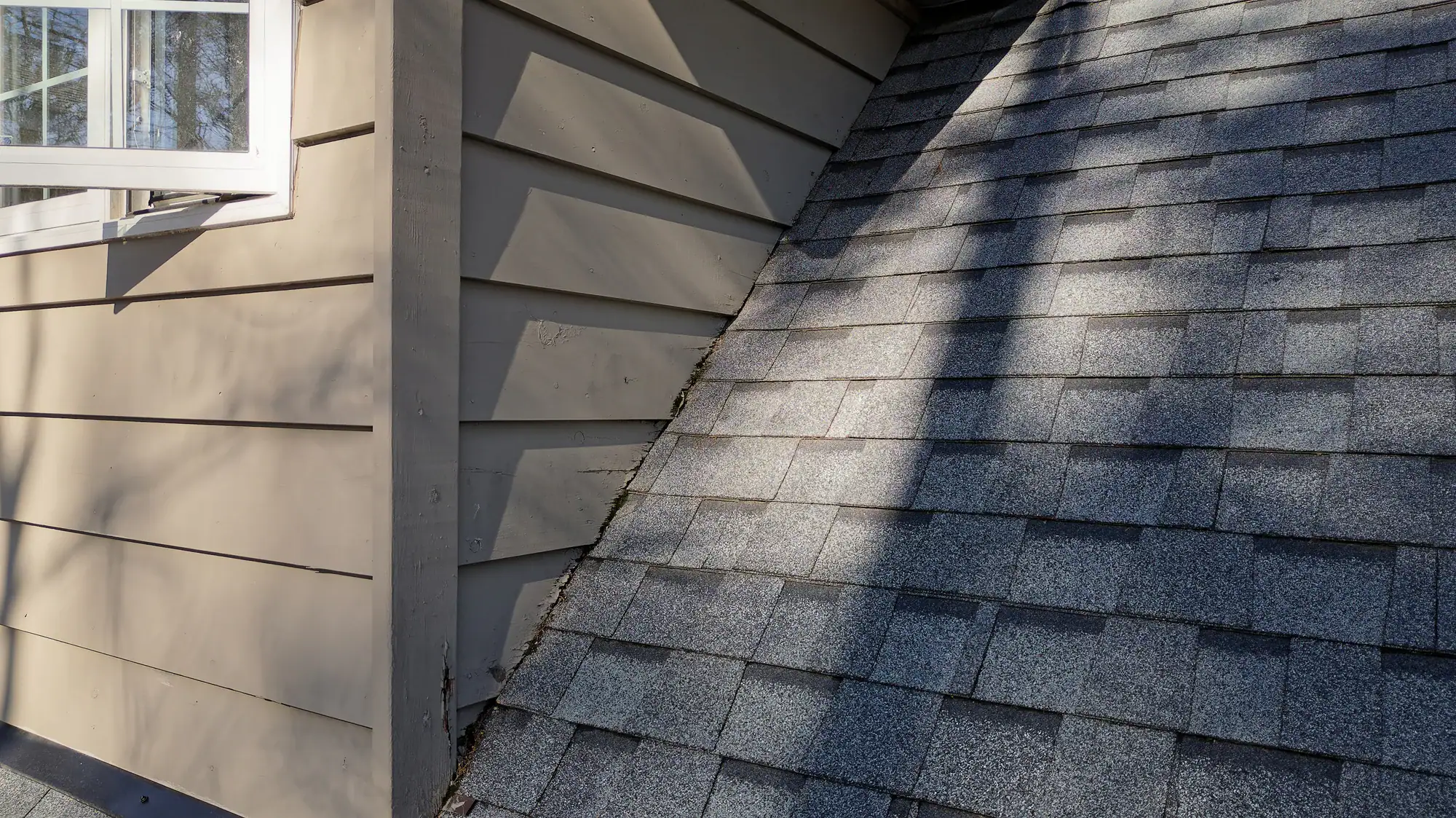
In Hourglass, where homes sit in the moisture corridor between Dover and the Delaware Bay, siding that looks marginal from the curb can be hiding real water infiltration behind the panels. Coastal humidity, wind-driven rain from nor’easters, and years of freeze-thaw cycling all work together to push moisture into wall cavities through gaps you can’t see from outside. A proper inspection — which we do at no charge before any project begins — is the only way to know for certain what you’re dealing with. If repair is the right call, we’ll tell you that. If replacement makes more sense given what’s underneath, we’ll show you why.
Both vinyl and fiber cement perform well in Delaware’s climate when they’re installed correctly, but they have different strengths. Vinyl is the most popular choice in this part of the state for good reason — it doesn’t rot, it resists moisture, it handles wind and rain without absorbing water, and it holds up through freeze-thaw cycling without the maintenance demands of wood. For homes in Hourglass, where Delaware Bay humidity is a constant factor, vinyl’s moisture resistance is a genuine advantage.
Fiber cement — James Hardie being the most recognized brand — offers greater structural durability and holds paint longer. It’s heavier, slightly more involved to install, and typically costs more, but it can last up to 50 years and is considered virtually immune to moisture problems in humid climates like Hourglass’s. The right choice depends on your home’s specific exposure, your budget, and how long you plan to stay. We’ll walk you through both options honestly during your free consultation.
Often, yes — and it’s worth finding out before you assume you’re paying out of pocket. The Delaware Bay corridor that runs through eastern Kent County, including Hourglass, is a recognized track for nor’easters and coastal storms. Wind-driven damage to siding is one of the more common insurance claims in this region. Panels that have cracked, blown off, or been compromised by storm-driven water infiltration frequently qualify for coverage under a standard homeowners policy.
The catch is that many homeowners either don’t realize their damage qualifies or don’t know how to document and file the claim effectively. We provide insurance claims assistance as part of our service — we can help you assess the damage, document it properly, and work with your insurer through the process. We’re not an insurance company and we can’t guarantee a claim outcome, but we’ve helped plenty of Kent County homeowners navigate this successfully. It starts with a free inspection to determine what happened and what it’s worth claiming.
For most homes, a full siding installation takes somewhere between two and five days. The range depends on the size of the home, the material being installed, and what gets discovered during the removal phase. Fiber cement takes a bit longer to work with than vinyl due to its weight and the precision required at cuts and seams. A larger home with complex rooflines or multiple stories will naturally take longer than a straightforward single-story ranch.
One thing that can extend the timeline in Hourglass specifically is what gets found underneath the old siding. On older rural properties that have never had siding replaced, it’s not unusual to find moisture damage, rot, or deteriorated sheathing that needs to be addressed before new panels go up. We’re upfront about this from the start — if the inspection before the project reveals anything significant, we discuss it with you before we’re mid-job. The goal is no surprises, and we build our project timelines around that.
Start with the basics: verify that the contractor is registered with the Delaware Department of Labor’s Office of Contractor Registration and carries both liability insurance and workers’ compensation coverage. Delaware doesn’t issue a traditional state contractor license, but registration is required by law before any work begins, and a contractor who can’t confirm that registration is a red flag worth taking seriously.
Beyond the credentials, look at the review record — not just the star rating, but the volume and consistency of feedback over time. A contractor with 63 verified reviews all sitting at 5.0/5 is telling you something different than one with a handful of recent reviews and nothing older. For Hourglass specifically, proximity matters too. A contractor based in Smyrna with 22-plus years of work in Kent County is going to have a different level of accountability to this area than a multi-state operation that treats Kent County as a secondary market. Local roots, a real address, a crew that doesn’t get subcontracted out — those are the things that actually protect you when something needs to be addressed after the job is done.
Other Services we provide in Hourglass