
Hear from Our Customers
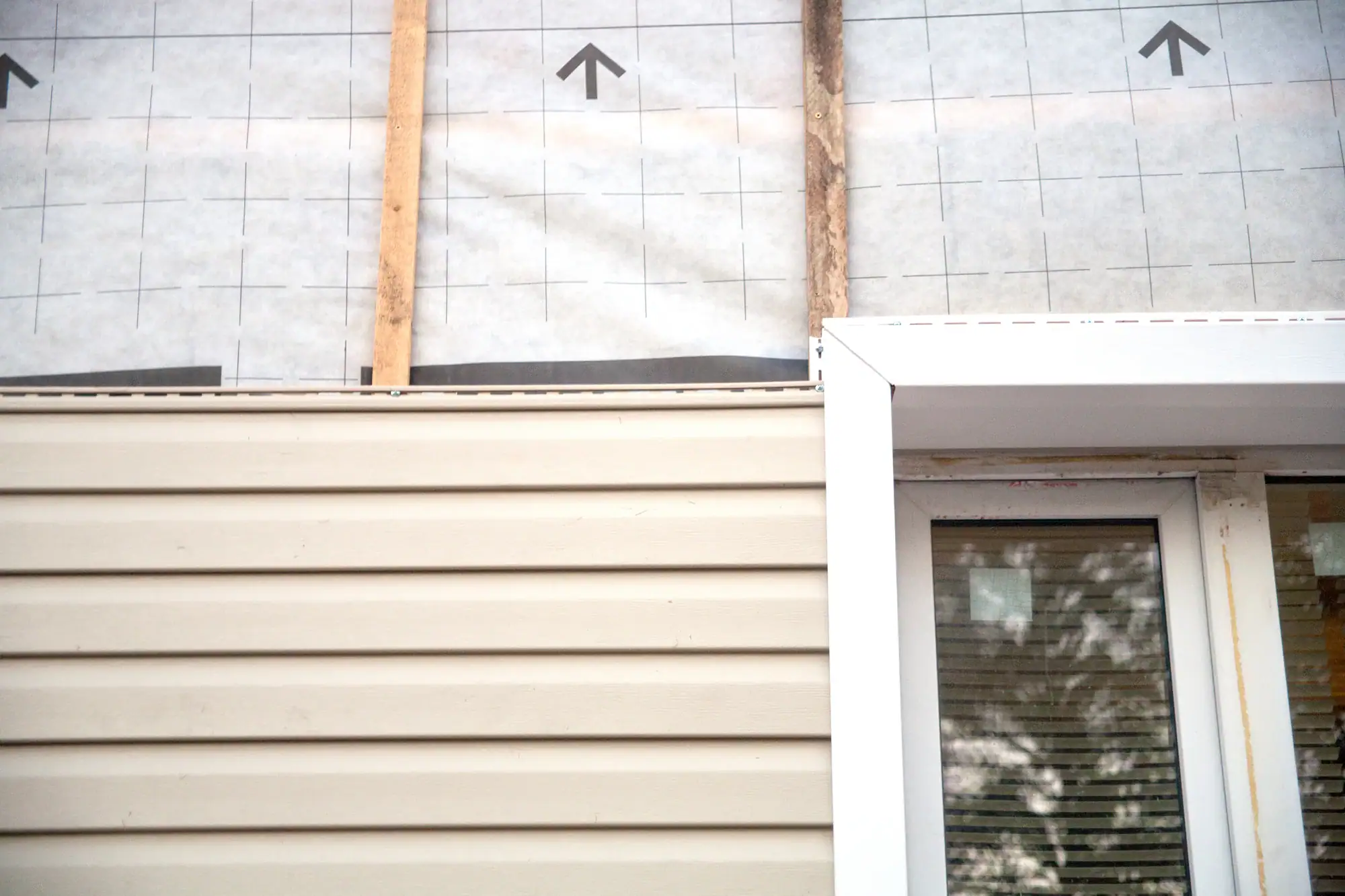
A lot of homes in Highland Acres were built between the late 1970s and early 2000s. That’s not a knock on the neighborhood — it’s just a fact that puts a significant portion of the community’s original siding at or past the end of its useful life. Vinyl siding tops out at around 40 years under good conditions. Delaware’s humidity, freeze-thaw winters, and summer storm seasons push that timeline shorter, not longer.
When new siding goes on correctly — with a proper moisture barrier, tight seams, and the right material for your home’s exposure — you stop worrying about what’s happening behind the walls. Homes near the eastern edge of Highland Acres, close to Tidbury Creek and the St. Jones River, deal with elevated ambient humidity year-round. Shaded north-facing elevations on half-acre lots with mature trees stay damp longer than most homeowners realize. That’s exactly the kind of condition that quietly degrades siding from the outside in, long before it looks bad from the street.
Beyond protection, new siding does real things for your home’s value. According to the 2024 Cost vs. Value Report, fiber cement siding recoups roughly 88% of project cost at resale, and vinyl comes in around 80%. In a market where Highland Acres median sale prices are running near $360,000, that’s not a trivial number.
We’re based in Smyrna — about 15 miles up US Route 13 from Highland Acres. Same county, same roads, same Delaware weather. We’ve been working in Kent County for over 22 years, which means we’ve seen what happens to siding on homes exactly like the ones in this neighborhood when the installation wasn’t done right the first time.
Every project is handled entirely in-house. No subcontractors, no day labor, no one showing up at your door that we’ve never worked with before. For a community where a lot of residents have spent careers in environments where accountability and doing things by the book actually matter, that’s not a small thing.
We’re BBB accredited with an A+ rating, licensed and insured per Delaware’s contractor registration requirements, and carry a 5.0 out of 5 rating across 63+ verified reviews. We offer free consultations on every siding job — no pressure, no commitment required to find out what you’re actually dealing with.
It starts with a detailed inspection. Before any old siding comes off, we take a close look at what’s there — and what might be underneath. For Highland Acres homes built in the late 1970s and 1980s, this step matters more than most homeowners expect. Older vinyl can mask moisture damage, rot, or pest intrusion that’s been building quietly for years. You’ll know what we find before any work begins, and nothing moves forward without your sign-off.
Once the scope is agreed on, we handle permitting through Kent County. Highland Acres is a census-designated place, which means it falls under Kent County jurisdiction — not a city building department. Permits are required for exterior siding work, and we pull them as part of the job. You don’t have to figure out the Kent County Department of Planning Services on your own.
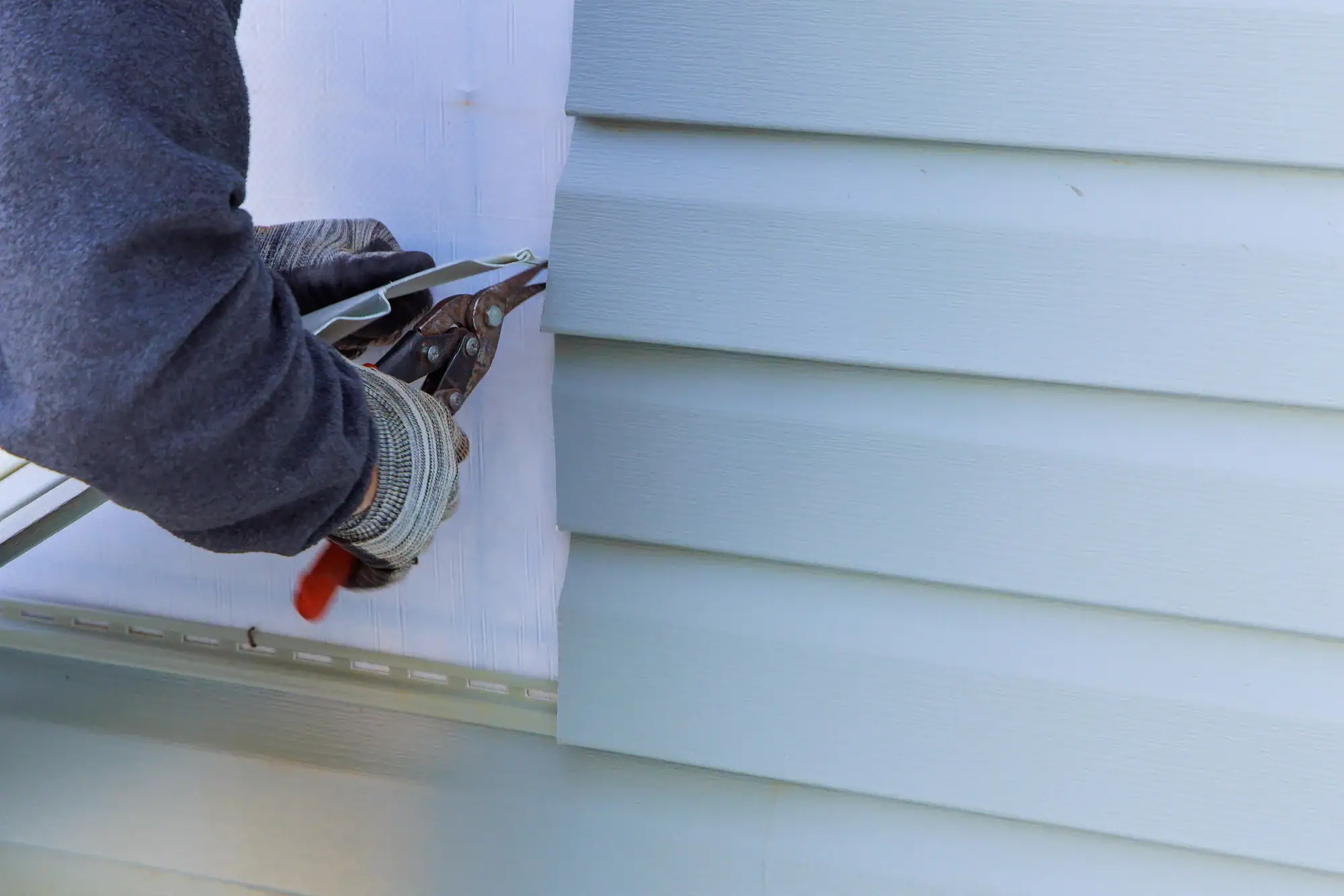
Installation typically takes two to five days depending on your home’s size and material choice. Our crew works through removal, moisture barrier installation, new panel installation, trim work, and sealing — then cleans up completely before we leave. Most siding projects in the late-1970s-to-early-2000s housing stock of this neighborhood are straightforward once the inspection confirms what’s underneath. When they’re not, you’ll know early — not mid-project.
Ready to get started?
We install both vinyl and fiber cement siding, and the choice between them isn’t arbitrary. For most Highland Acres homes, the deciding factors come down to your home’s specific exposure, your budget, and how long you plan to stay.
Vinyl is Delaware’s most popular siding material for good reason — it’s moisture-resistant, doesn’t rot, handles wind and rain well, and holds up through freeze-thaw cycles without the maintenance demands of wood. For homes on the interior of the neighborhood with less direct water exposure, quality vinyl is a strong, cost-effective choice. Fiber cement, on the other hand, is the better call for homes dealing with heavier moisture exposure — particularly on the eastern edge of Highland Acres near Tidbury Creek, or on heavily shaded elevations where siding stays damp. It’s denser, more impact-resistant, and essentially immune to the moisture problems that eventually catch up with vinyl in high-exposure conditions.
Beyond the material itself, every installation includes full removal of the existing siding, moisture barrier installation, trim work, and sealing at every seam. If your home also needs roofing or gutter work, we handle all of it — so you’re coordinating one crew, one schedule, and one project instead of three. Financing is available for homeowners who want to move forward now without waiting to have the full project cost in hand.

Yes, in most cases you do. Highland Acres is a census-designated place, which means it falls under Kent County jurisdiction rather than a city or town building department. Kent County administers building permits through the Department of Planning Services, and exterior siding replacement — particularly full removal and reinstallation — typically requires a permit before work begins. Skipping that step isn’t just a code violation; it can create real complications when you go to sell your home, since unpermitted exterior work tends to surface during buyer inspections.
The good news is that we handle all of this as part of the project. You don’t have to figure out the permit process, track down the right forms, or make calls to the county. That’s included in how we run every job in Highland Acres, so you’re not left navigating it on your own.
The honest answer is that it depends on what’s going on beneath the surface, not just what you can see from the driveway. Cracking, fading, and warping are visible signs that siding is failing, but the more important question is whether moisture has already gotten behind the panels. In Highland Acres, where homes near Tidbury Creek and the St. Jones River deal with elevated ambient humidity, and where mature tree canopy keeps north-facing walls damp longer than they should be, moisture intrusion behind older vinyl is more common than most homeowners expect.
A thorough inspection will tell you what you’re actually dealing with. If the damage is isolated — a few panels from a storm, for example — repair may be the right call. If the siding is original to a home built in the 1980s or 1990s, and you’re seeing widespread fading, multiple cracked sections, or any signs of mold or soft spots in the wall beneath, replacement is almost always the more cost-effective long-term decision. We offer free consultations and will give you a straight answer on which direction makes sense for your specific situation.
Both materials are well-suited for Delaware’s climate, but they perform differently depending on your home’s specific conditions. Vinyl siding is moisture-resistant, lightweight, and lower maintenance — it doesn’t rot, holds up through freeze-thaw cycles, and is the most widely installed siding material in Delaware for good reason. It’s a strong choice for most homes and handles the state’s humidity and seasonal storms well when installed correctly.
Fiber cement is denser, more impact-resistant, and essentially impervious to moisture-related problems. It holds paint longer, resists mold and mildew more aggressively, and performs better in high-exposure conditions — which is relevant for Highland Acres homes on the eastern side of the community near Tidbury Creek, or for any elevation that stays shaded and damp through Delaware’s muggy summers. The tradeoff is that fiber cement typically costs more upfront. Vinyl siding has a lifespan of roughly 20 to 40 years; fiber cement can last up to 50 years. We install both and will help you choose based on your home’s actual conditions — not just what’s easiest or fastest to put up.
It can, and it’s worth checking before you assume you’re paying out of pocket. Kent County is in the path of nor’easters, summer thunderstorms, and high-wind events that regularly cause siding damage — displaced panels, cracked sections, and moisture intrusion at compromised seams are all common after a significant storm. Homeowners insurance policies often cover wind and hail damage to exterior siding, but the claim process can be confusing, especially when you’re trying to document damage and coordinate with an adjuster at the same time.
We assist with insurance claims for storm-damaged siding in Highland Acres. That means we can help you document the damage properly, work through the adjuster process, and make sure you’re not leaving money on the table because the claim wasn’t filed correctly. If you’ve had a recent storm and you’re not sure whether the damage qualifies, that’s a good reason to start with a free inspection rather than assuming it doesn’t.
Most siding installation projects take two to five days from start to finish, though the actual timeline for your home depends on its size, the material you’re using, and what the inspection turns up underneath the existing siding. The ranch homes, Cape Cods, and colonial-style houses that make up most of Highland Acres’s housing stock — typically 1,000 to 3,000 square feet on half-acre to full-acre lots — fall comfortably within that range under normal conditions.
Where timelines can shift is when the inspection reveals moisture damage, rot, or other issues beneath the original siding that need to be addressed before new material goes on. This is more common in homes built in the late 1970s and 1980s, which represent a significant portion of the neighborhood’s housing stock. We conduct a thorough inspection before any work begins, so if there’s something underneath that affects the scope or timeline, you’ll know about it upfront — not mid-project when the old siding is already off.
Start with the basics: verify that the contractor is registered with the Delaware Department of Labor’s Office of Contractor Registration, carries liability insurance and workers’ compensation, and has a real local address — not just a phone number and a website. Delaware doesn’t issue a traditional state contractor’s license, but registration is legally required before any work begins, and a contractor who can’t confirm that registration is a red flag worth taking seriously.
Beyond credentials, look at review volume and consistency. A handful of five-star reviews is easy to manufacture. Sixty-three verified reviews at a 5.0 rating across Google and Facebook, with consistent mentions of clean job sites, honest communication, and on-time completion, is a pattern that’s harder to fake. Ask whether the company uses its own crew or subcontracts the work — that distinction matters more than most homeowners realize, because subcontracted labor means less accountability when something goes wrong. We handle every project entirely in-house, are BBB accredited with an A+ rating, and have been working in Kent County for over 22 years. That kind of track record in a community like Highland Acres, where neighbors talk and word travels, doesn’t happen by accident.
Other Services we provide in Highland Acres