
Hear from Our Customers
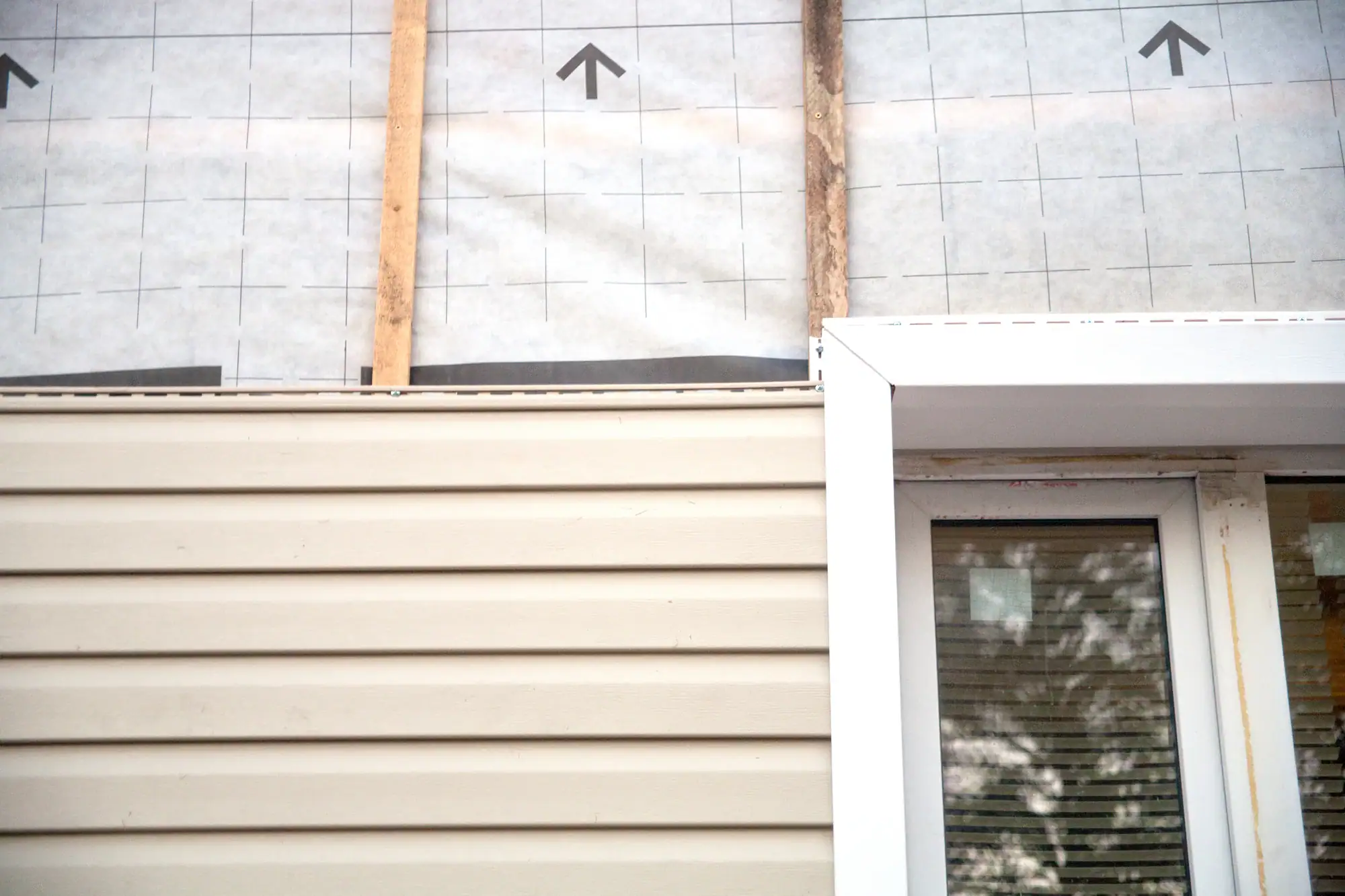
Out here in northwestern Kent County, homes don’t get the same shelter that a house in a Dover subdivision does. The farmland around Hartly is flat and open, which means when a severe thunderstorm rolls through — the kind Kent County gets regularly, with warnings specifically citing damage to roofs and siding — your exterior takes the full hit. New siding installed correctly isn’t just about how the house looks. It’s about whether your walls stay dry after the next nor’easter.
Most of the homes in the 19953 ZIP code were built in the 1980s and 1990s. If the original siding is still on your house, it’s somewhere between 25 and 45 years old. Vinyl from that era was good for its time, but freeze-thaw cycling, persistent humidity, and decades of UV exposure have a way of catching up. Fading, cracking at the seams, warping panels, mold creeping up the north-facing wall — these aren’t cosmetic problems. They’re signs that the moisture barrier keeping your walls intact is starting to fail.
When we remove failing siding and install new material properly — with a moisture barrier underneath, weatherproof seams, and panels rated for Delaware’s wind loads — you stop managing a slow problem and start with something you won’t have to think about for the next 20 to 40 years. That’s the outcome worth paying attention to.
We’re headquartered in Smyrna — about 10 to 12 miles east of Hartly along Route 44. That’s not a coincidence or a service area expansion. We’ve been working in Kent County for over 22 years, which means the housing stock along Arthursville Road and throughout the Hartly area isn’t new territory. We know what the 1980s and 1990s homes in this part of the county look like underneath old siding, and we know what Delaware’s inland climate does to exterior materials over time.
We’re BBB accredited with an A+ rating, licensed and insured in Delaware, and carry a 5.0 out of 5 rating from 63-plus verified reviews. Every project is handled entirely by our own crew — no subcontractors showing up unannounced, no handoffs mid-job. In a community as close-knit as Hartly, that kind of accountability isn’t just a selling point. It’s the only way to do business when our neighbors will see the finished product every time they drive past.
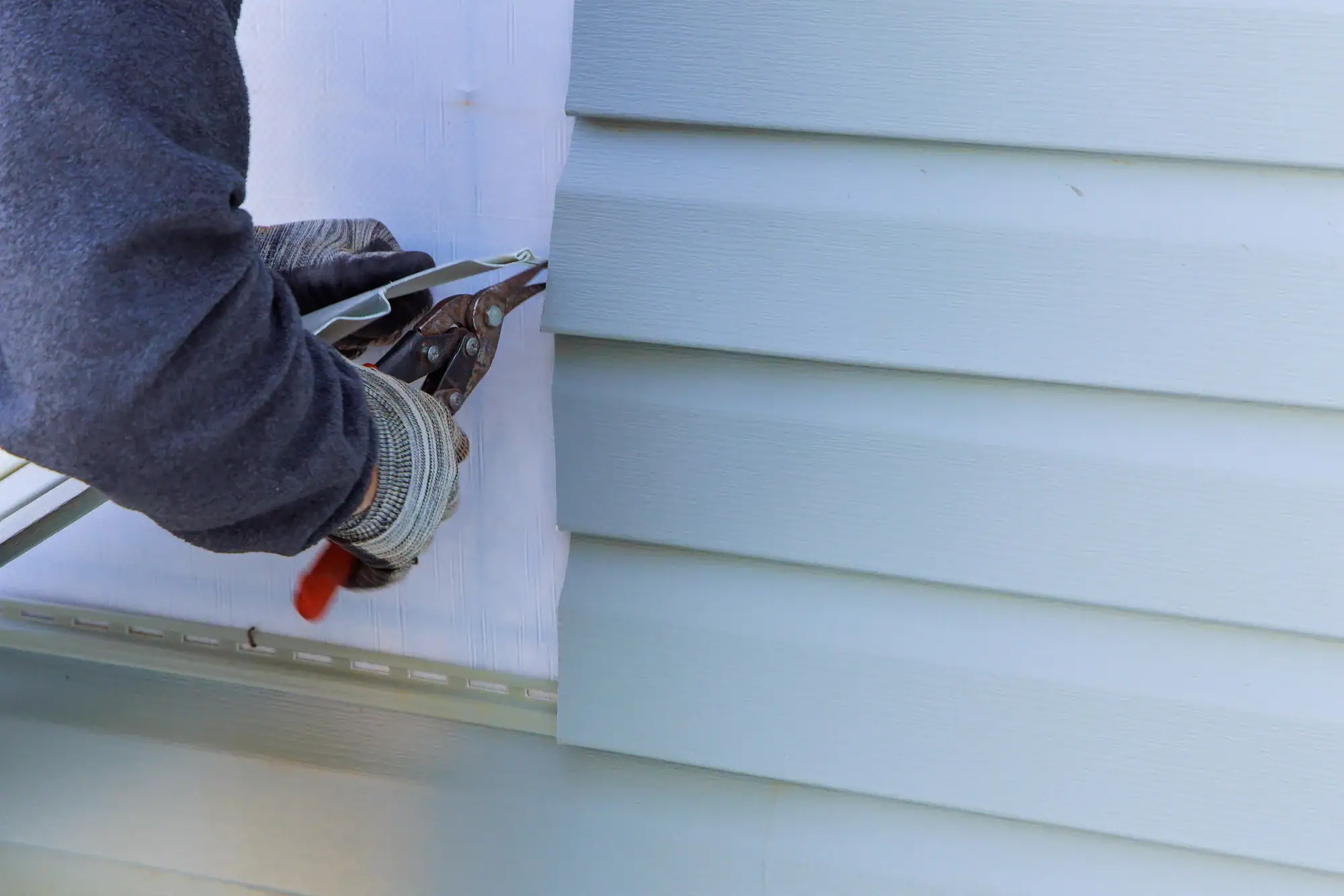
It starts with a free consultation and a thorough inspection of your existing siding. Before anyone talks materials or timelines, we look at what’s actually going on — not just the surface, but what the panels have been hiding. For homes in the 19953 ZIP code built in the 1980s and 1990s, that inspection sometimes turns up moisture intrusion, rot at the sheathing, or damage that’s been quietly spreading behind failing seams. You’ll know exactly what’s there before a single panel comes off, and nothing changes scope without your approval first.
Once the inspection is done and you’ve chosen your material — vinyl or fiber cement, depending on your home’s exposure, budget, and how long you want it to last — the old siding comes off, the underlying structure gets addressed if needed, and a moisture barrier goes down before anything new is installed. The whole process typically runs two to five days depending on the size of the home. We handle all permitting required for the project, so you’re not making calls to county offices or researching Delaware’s contractor registration requirements on your own time.
Cleanup is part of the job, not an afterthought. When our crew leaves, the property is clean. That’s been a consistent theme in our reviews, and it matters — especially for homeowners on rural lots where a messy job site is hard to ignore.
Ready to get started?
We offer both vinyl and fiber cement siding for homes in the Hartly area. Vinyl is Delaware’s most popular choice for good reason — it’s moisture-resistant, requires minimal maintenance, and holds up well in the kind of persistent humidity that western Kent County delivers year-round. Fiber cement, particularly for homes that see heavy wind exposure on open rural lots, offers superior durability and can last up to 50 years with proper installation. The free consultation covers both options in honest detail so you can make the right call for your specific home, not just the easiest one to install.
Every siding project includes full removal of the existing material, moisture barrier installation, new panel installation with weatherproof seams, trim work, and a complete site cleanup. If the inspection uncovers rot, mold, or structural issues underneath the old siding — which does happen with homes of this age in the 19953 ZIP — those findings are communicated clearly before any additional work begins. No surprises, no inflated scope.
For homeowners dealing with storm-damaged siding, we assist with insurance claims. Kent County sees its share of severe weather, and siding damage from high winds or hail is often a covered loss under standard homeowners insurance. If that’s your situation, we can help you navigate the documentation and claims process so the project moves forward without unnecessary delays. Financing is also available for homeowners who want to move forward now without absorbing the full project cost upfront.

The honest answer is that visible surface problems are usually the last thing to show up, not the first. By the time you’re seeing cracked panels, warped sections, or fading that won’t clean off, the siding has typically been failing at the seam and fastener level for a while. For homes in the 19953 ZIP code built in the 1980s or 1990s, the age alone is worth taking seriously — original vinyl from that era is now at or past the end of its functional lifespan.
A few specific things to look for: panels that feel soft or spongy when you press them, mold or mildew that keeps coming back on the same wall no matter how many times you clean it, gaps at the seams where panels meet, or interior walls that feel damp or show water staining after heavy rain. Any of these is a sign that the moisture barrier behind the siding has been compromised. A free inspection from us will tell you exactly what you’re dealing with — what can be repaired and what needs full replacement — before you commit to anything.
For most homes in western Kent County, vinyl is the practical first choice. It’s moisture-resistant, doesn’t rot, and handles the humidity and freeze-thaw cycling that inland Delaware delivers without the maintenance demands of wood or engineered wood. The key distinction within vinyl is quality — thickness, UV-resistance ratings, and wind load ratings vary significantly between products. Cheap vinyl fails faster in Delaware’s climate, so the material specification matters as much as the installation.
Fiber cement is worth the additional investment for homes with more exposure — particularly rural properties on open lots around Hartly where wind is a consistent factor. It’s more impact-resistant than vinyl, handles temperature extremes better, and can last up to 50 years with proper installation and maintenance. The tradeoff is higher upfront cost and a more involved installation process. During the free consultation, we walk through both options based on your home’s specific orientation, exposure, and budget — not on which product is easier or more profitable for us to install.
It often does, yes — but the coverage depends on the cause of the damage and the specifics of your policy. Siding damage from high winds, hail, or falling debris during a storm is typically covered under standard homeowners insurance as a sudden and accidental loss. What’s usually not covered is siding that has simply deteriorated over time due to age or lack of maintenance. Kent County sees enough severe weather — including summer thunderstorms with documented wind damage to siding and nor’easters that hit inland areas like Hartly with full force — that storm-related claims are a real and recurring situation for homeowners here.
The challenge most homeowners run into is documenting the damage correctly and communicating with the insurer in a way that supports the claim. We assist with the insurance claims process for storm-damaged siding, which means helping you document what happened, what the damage looks like, and what the repair or replacement scope involves. That assistance can make a real difference in how quickly the claim moves and whether the full scope of the damage gets covered.
Most siding installation projects run two to five days from start to finish, depending on the size of the home and the material being installed. For a standard single-family home in the 19953 ZIP code — which tends to run on the larger side given the rural lot sizes in the Hartly area — you’re typically looking at three to four days for a straightforward vinyl replacement. Fiber cement takes a bit longer due to the installation requirements of the material.
What can extend the timeline is what’s found underneath the old siding. For homes built in the 1980s and 1990s, it’s not uncommon to find moisture damage, rot at the sheathing, or areas that need structural attention before new panels go on. We communicate anything like that immediately, before work continues, so there are no surprises mid-project. The inspection at the start of the job is designed to catch as much of that as possible upfront, which keeps the project on schedule and the scope predictable.
The most important thing you can do is verify before you sign anything. In Delaware, all contractors are required to register with the Department of Labor’s Office of Contractor Registration before performing work — that registration is public and verifiable. Ask any contractor you’re considering for proof of registration, liability insurance, and workers’ compensation coverage. If they can’t or won’t provide documentation, that’s your answer.
Beyond the paperwork, watch for a few specific red flags. A contractor who pushes for a large upfront deposit — more than about 10 percent of the project cost — before work begins is a warning sign. Vague or verbal-only estimates with no written scope are another. In rural communities like Hartly, storm-chaser contractors sometimes appear after severe weather events, offering quick deals with no local accountability. A contractor based in Smyrna with 22-plus years of work in Kent County is a different situation than a crew that showed up after last week’s storm and will be gone before the next one. We carry an A+ BBB rating and 63-plus verified five-star reviews — that kind of track record doesn’t happen by accident.
Yes, we offer financing for siding projects. For homeowners in the Hartly area, where the cost of living runs well below the national average and a full siding replacement can represent a significant share of a household’s annual budget, financing makes it possible to move forward with the project now rather than waiting another season while failing siding continues to let moisture into the wall assembly.
The way it works in practice is straightforward: after your free consultation and inspection, once you have a clear written scope and cost for the project, you can apply for financing and structure the payments in a way that fits your monthly budget. It’s worth noting that waiting on a siding replacement that’s already overdue tends to cost more in the long run — moisture intrusion behind failing panels leads to rot, mold, and structural damage that adds to the project scope. For homes in the 19953 ZIP that were built in the 1980s or 1990s and have been through decades of Kent County weather, getting the project done before another nor’easter season is usually the financially smarter move, even if that means financing the cost over time.
Other Services we provide in Hartly