
Hear from Our Customers
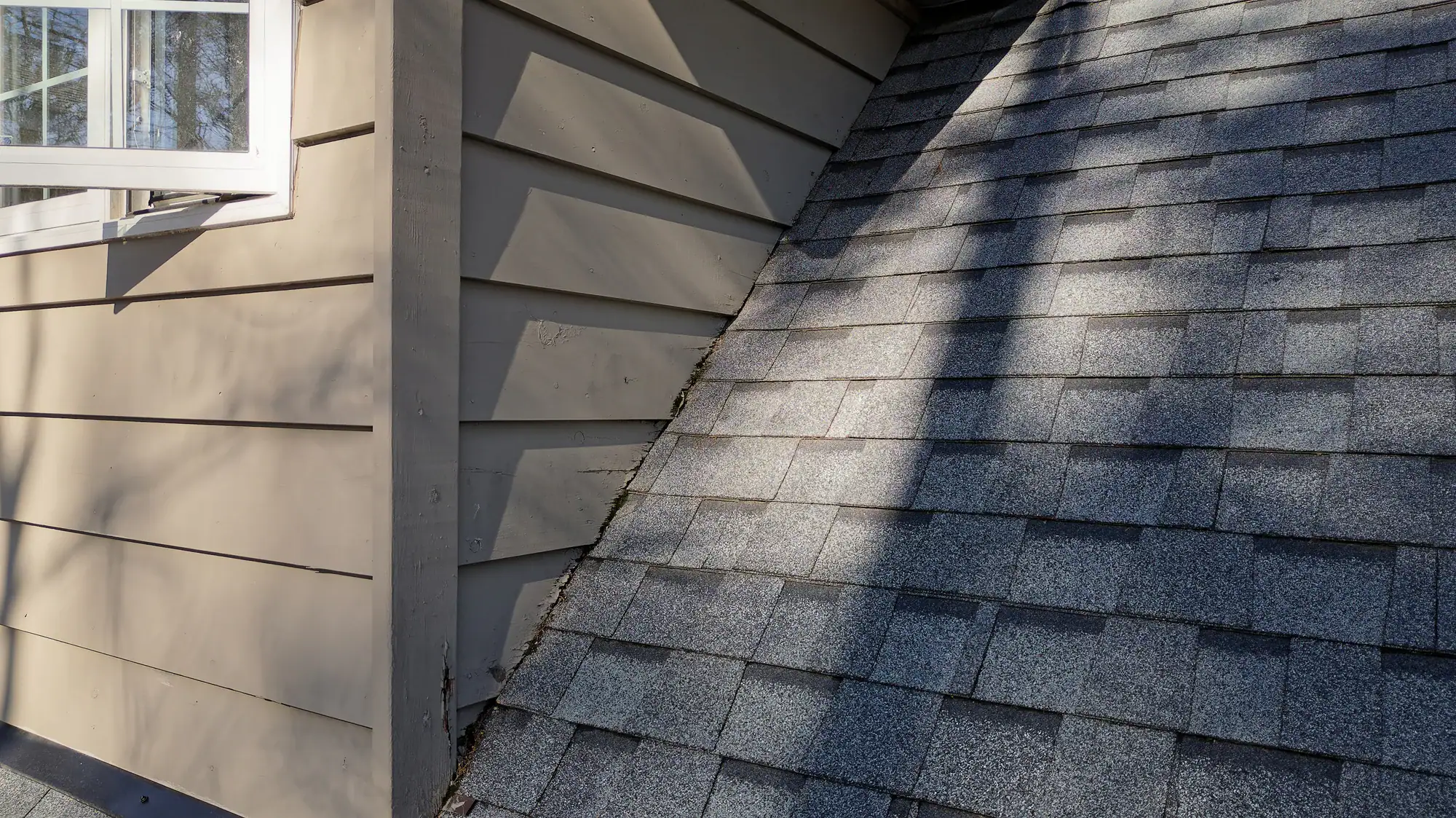
When siding fails near the tidal marsh corridor along Route 9, it rarely announces itself. A soft spot behind a panel. A gap at a seam that wasn’t there last spring. Mold working its way into the wall cavity while the face of the siding still looks passable.
By the time it’s obvious, the damage underneath has usually been compounding for a season or two. Good siding — properly installed with the right material for this environment — stops that cycle. Your walls stay dry through nor’easters that arrive off Delaware Bay with nothing to slow them down. The humidity that hangs over the marsh in summer stops being a threat and becomes just weather.
For homeowners in Dutch Neck Crossroads, where properties tend to be older and service providers aren’t exactly lining up on Route 9, that kind of durability matters more than curb appeal. It’s about protecting what you’ve built here — the property, the investment, the long-term value of a home you actually plan to keep.
We’re based out of Smyrna — 4.9 miles west of Dutch Neck Crossroads on Route 9, same 19977 zip code. This isn’t a regional company dispatching a crew from Wilmington for a day job. We’ve been working in Kent County for over two decades, through the same freeze-thaw cycles, the same summer storms off the bay, and the same aging housing stock that defines Dutch Neck Crossroads and the surrounding area.
Melissa and Richard McCain run the operation. We’re not managing it from a corporate office somewhere — we’re in it. Every project stays in-house, handled by our own trained and insured crew. No subcontractors, no day-labor surprises, no strangers showing up at a rural property without context.
We’re BBB accredited with an A+ rating and carry a 5.0 out of 5 across 63-plus verified reviews. Licensed, insured, and registered per Delaware’s contractor requirements. We offer free estimates on every siding job, with financing available for homeowners who want to move forward without waiting.
It starts with a free consultation and a detailed inspection — before any work is scoped, priced, or scheduled. For homes in the Dutch Neck Crossroads area, that inspection matters more than most people expect. Older rural properties along this corridor can have moisture infiltration behind the existing siding that isn’t visible from the outside.
We check the wall assembly, not just the surface, so you know exactly what you’re dealing with before a single panel comes off. From there, you get a clear, written scope. What’s being removed, what’s going in, what materials are being used, and what it costs.
Because Dutch Neck Crossroads is an unincorporated community in Kent County, the building permit for your siding project goes through Kent County Levy Court — not a town office. We handle that entire process. You don’t have to navigate the county system or figure out which form applies to your property.
Once the permit is in order and materials are confirmed, our crew gets to work. Most siding installations run two to five days depending on the size of the home. The job site stays clean throughout, and when we leave, your property is left exactly as we found it — minus the failing siding.
Ready to get started?
We install both vinyl and fiber cement siding, and the conversation about which one fits your home starts with where your home actually sits. Properties near Bombay Hook’s tidal salt marsh face year-round salt-air exposure that accelerates wear on exterior materials faster than inland conditions would suggest.
Vinyl’s full moisture resistance and zero-rot profile make it the most widely used siding material in Delaware for good reason — and for homes along the Route 9 corridor in Dutch Neck Crossroads, those properties are exactly the kind that benefit most from a material that simply won’t absorb what the marsh throws at it. Fiber cement, with a lifespan of up to 50 years, is an even more durable option for homeowners who want to install once and not think about it again.
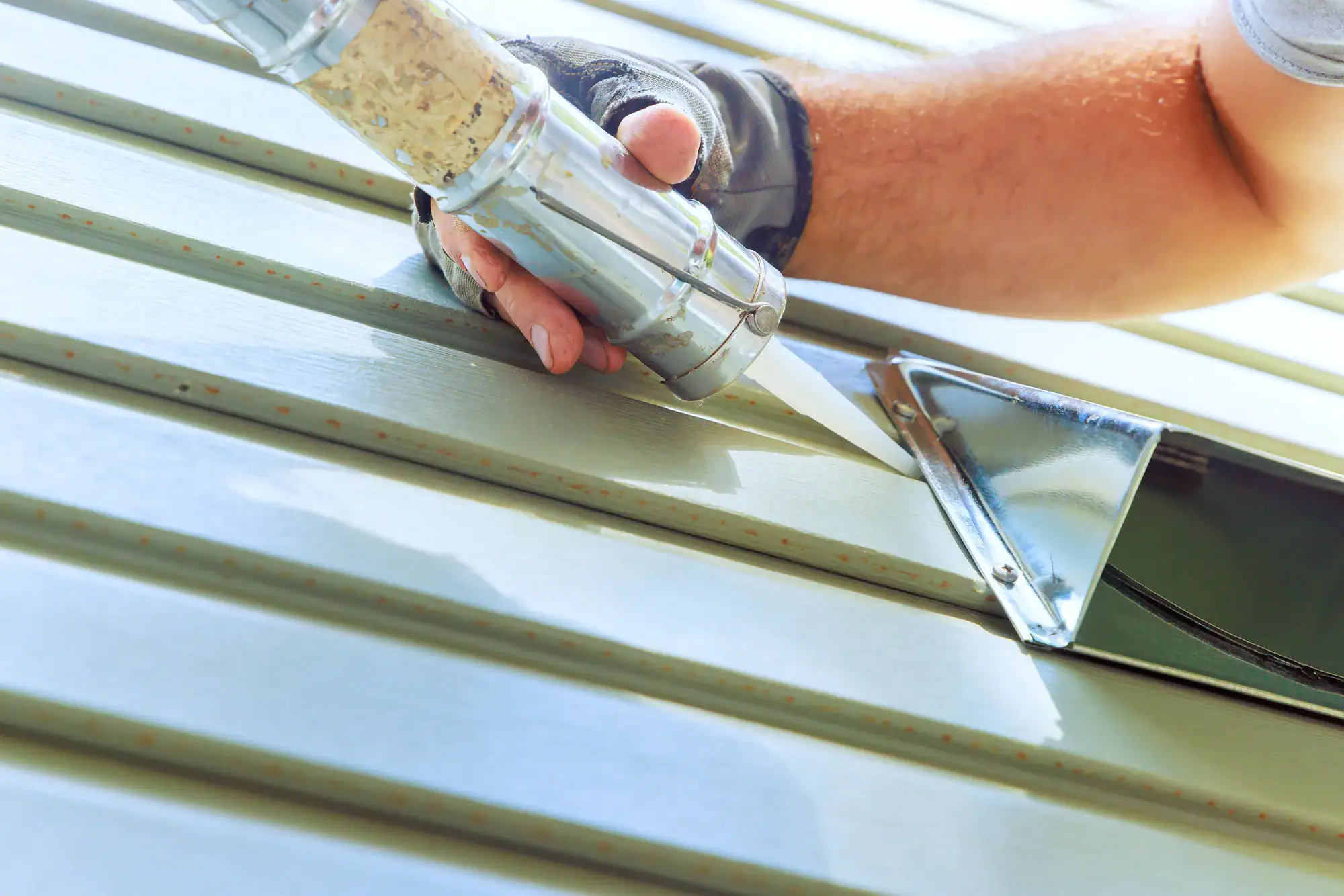
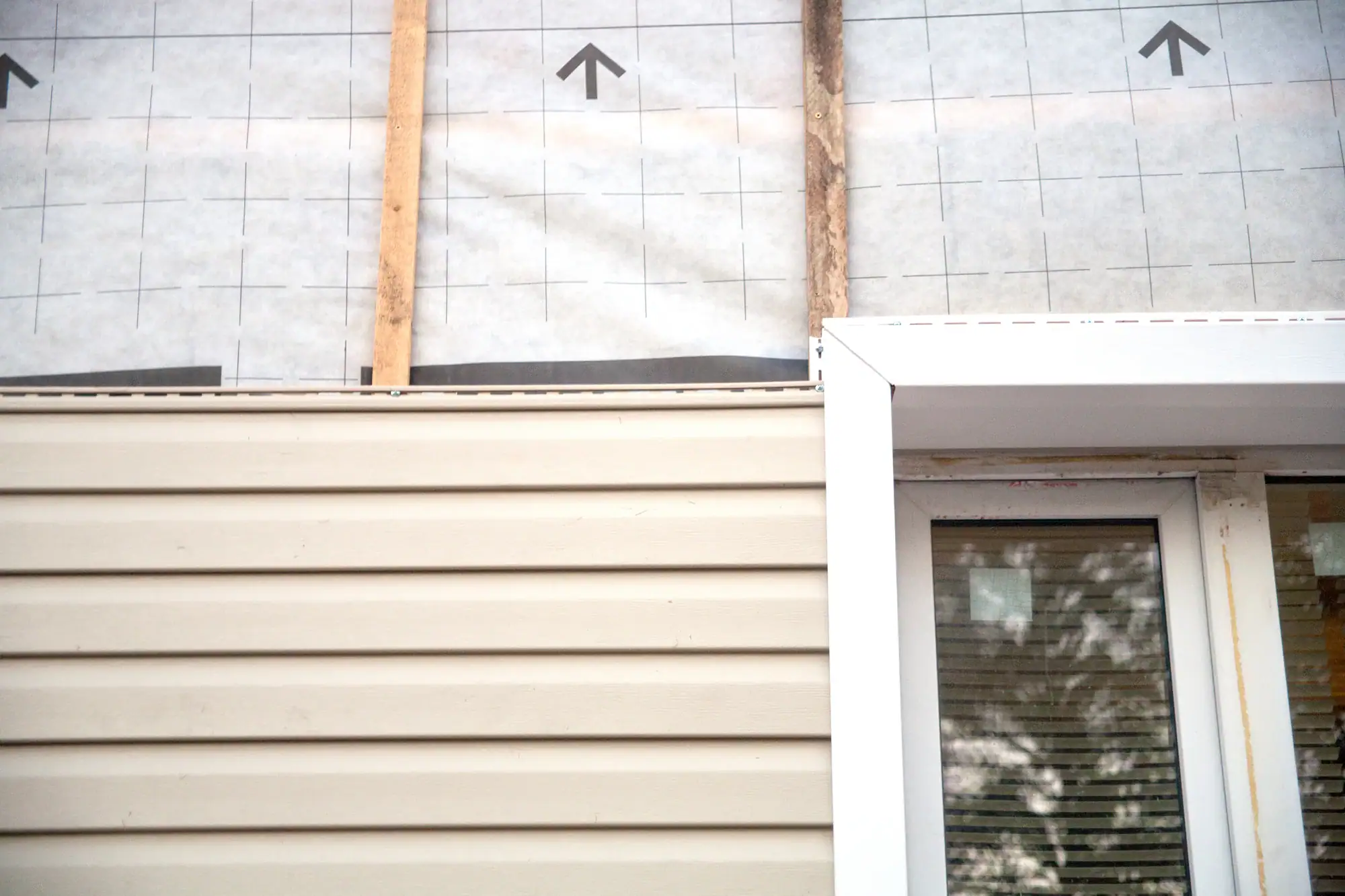
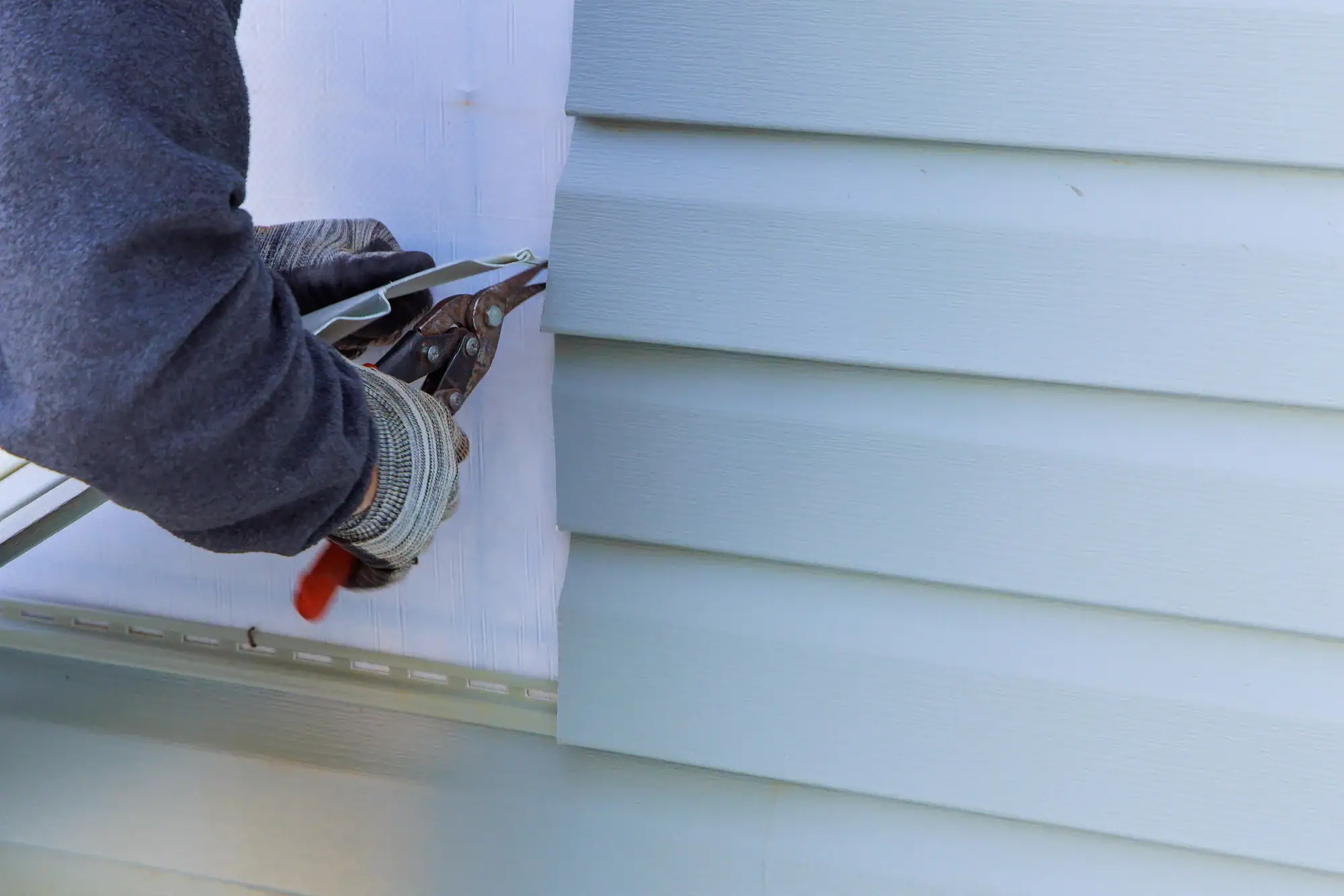
Every installation includes full removal of the old siding, moisture barrier installation, weatherproof seaming, trim work, and sealing. The process is built to handle Delaware’s wind loads and seasonal changes — not just to look good on day one.
If your home has storm damage from a Delaware Bay nor’easter or a summer system, we also assist with insurance claims. That’s not something most siding contractors in the area advertise, but it’s a real part of what we offer — and for a rural homeowner who’s never filed a siding claim before, having someone walk through that process makes a significant difference.

Yes, and because Dutch Neck Crossroads is an unincorporated community, the permit doesn’t come from a town building office — it comes from Kent County Levy Court. That’s a distinction a lot of homeowners in this area aren’t aware of, especially if they’ve never pulled a county permit before. The Town of Smyrna’s permit office only covers properties within incorporated Smyrna town limits, and Dutch Neck Crossroads falls outside of that.
Kent County does offer online permit applications, but the process is unfamiliar enough that it becomes a friction point for many homeowners — and some skip it entirely, which can create problems at resale. We handle all permitting as part of every siding project. You don’t have to figure out the county system, track down the right application, or make calls to the Levy Court building office. It’s managed for you, start to finish.
The two materials that perform best in high-humidity, salt-air environments like the Dutch Neck Crossroads corridor are vinyl and fiber cement. Vinyl is fully moisture-resistant, won’t rot, and handles Delaware’s combination of humidity, wind-driven rain, and seasonal temperature swings without degrading the way wood-based products do. It’s the most widely installed siding material in Delaware’s residential market for exactly these reasons.
Fiber cement takes that durability further — it’s virtually immune to moisture problems, resists salt-air corrosion, and carries a lifespan of up to 50 years when properly installed and maintained. For properties that sit close to Bombay Hook’s tidal marsh, where salt-laden air migrates inland year-round from Delaware Bay, fiber cement is worth the conversation. The right choice depends on your home’s specific exposure, your budget, and how long you plan to stay. That’s what the free consultation is for — to help you make that call based on your actual situation, not a generic recommendation.
Whether storm damage to your siding is covered depends on your specific policy and the cause of the damage. In most standard homeowners insurance policies, damage caused by sudden events — high winds, hail, falling debris from a storm — is covered. Damage that results from gradual wear, neglect, or aging typically isn’t.
Delaware Bay nor’easters and summer thunderstorms that track through the eastern Kent County corridor can produce the kind of sudden, wind-driven damage that qualifies as a covered claim. We assist with insurance claims for storm-damaged siding — we can help document the damage, work with your adjuster, and make sure the claim reflects what actually happened to your home. If you’re not sure whether your situation qualifies, the free inspection is the right starting point.
Most residential siding projects run two to five days once our crew is on-site. The range depends on the size of the home, the material being installed, and what the inspection turns up before work begins. If the old siding removal reveals moisture damage or rotted sheathing underneath — which is more common in older rural homes that have been exposed to high humidity over many years — that gets addressed before new siding goes on.
We’re upfront about what we find during the inspection and won’t expand the scope without your explicit approval. For homeowners in Dutch Neck Crossroads who are on larger rural lots or have properties with more complex exterior geometry, the timeline can shift slightly, but the two-to-five-day window covers the vast majority of residential installations. The crew maintains a clean job site throughout, and cleanup at the end is thorough.
Vinyl and fiber cement are the two most common siding materials for Delaware homes, and they serve different needs at different price points. Vinyl is the more affordable option — it’s moisture-resistant, low-maintenance, and carries a lifespan of 20 to 40 years. It’s well-suited for Delaware’s climate and is the most widely installed siding material in the state.
Fiber cement costs more upfront but delivers a longer lifespan — up to 50 years — and stronger resistance to the kind of salt-air and humidity conditions that properties near Bombay Hook experience year-round. From a resale standpoint, both materials offer strong returns. The 2024 Cost vs. Value Report found that fiber cement siding recoups an average of 88 percent of project cost at resale, while vinyl comes in around 80 percent.
For a long-term property owner in Dutch Neck Crossroads who isn’t planning to move anytime soon, the durability argument for fiber cement is worth weighing seriously. We offer both and will walk you through the trade-offs based on your home’s specific exposure and your budget — no pressure in either direction.
In a low-density rural community like Dutch Neck Crossroads, you don’t have the advantage of driving past a neighbor’s freshly sided house and knocking on their door to ask who did it. There’s no contractor signage on Route 9, no local showroom to walk into. That makes verified online reviews and third-party credentials more important here than they are in denser suburban areas.
The practical checklist: confirm the contractor is registered with Delaware’s Department of Labor Office of Contractor Registration — that’s a legal requirement before any work begins in this state, not optional. Verify they’re insured. Look for a real local address, not just a service-area claim. Read reviews carefully for specifics — professionalism, communication, cleanup, whether the job came in on scope. And get a written, itemized estimate before committing to anything.
A vague quote is a warning sign regardless of how low the number looks. We check every one of those boxes: Smyrna-based, licensed, insured, BBB accredited with an A+ rating, and 5.0 out of 5 across 63-plus verified reviews. The free estimate puts all of that in writing before you make any decision.
Other Services we provide in Dutch Neck Crossroads