
Hear from Our Customers
When siding fails on a rural property like the ones off Chestnut Grove Road, the damage doesn’t announce itself. It hides behind panels that look fine from the driveway while moisture quietly works its way into the wall cavity. By the time you notice something’s wrong — a soft spot near a window, a musty smell in a back room — the repair bill has already grown. Getting ahead of it means protecting everything inside the walls, not just the outside of the house.
For homes on large, wooded lots around Chestnut Grove, that risk is higher than most people realize. Mature trees create shade that keeps siding wet for hours after rain passes. North-facing and east-facing walls stay damp long enough to feed mold and algae growth behind the panels. New siding with a proper moisture barrier changes that equation entirely — your walls can breathe and drain the way they’re supposed to, instead of trapping water against the structure.
There’s also the practical side of resale. Fiber cement siding recoups approximately 88% of project cost at resale, and vinyl comes in around 80%, according to the 2024 Cost vs. Value Report. For a home in Kent County, that’s not a small number. It’s the difference between a buyer walking away and a buyer making an offer.
We’re based in Smyrna, about 10 to 15 miles up US-13 from Chestnut Grove. That’s not a coincidence. Kent County is our market, and we’ve been working it for over two decades. We know the housing stock out here: the ranches, the older farmstead-era builds, the homes that got a siding update in the ’80s and are now overdue for another look.
Every project is managed entirely in-house. No subcontractors, no day crews, no strangers showing up at your door. The same licensed, insured team that starts your job finishes it. That matters in a community like Chestnut Grove, where your neighbor is going to ask you how it went.
We’re BBB accredited with an A+ rating, licensed and insured in Delaware, and carry a 5.0 out of 5 rating across 63 verified reviews. This isn’t a neighborhood that goes unnoticed, and neither does the quality of work we do here.
It starts with a free consultation and a real inspection — not a quick glance from the driveway. On properties like the ones along Chestnut Grove Road, where homes average around 50 years old and sit on large, heavily treed lots, that first look matters. We need to understand what’s actually going on before any work is scoped or priced. If there’s rot, moisture damage, or compromised sheathing underneath the old siding, you’ll know about it upfront — not halfway through the job.
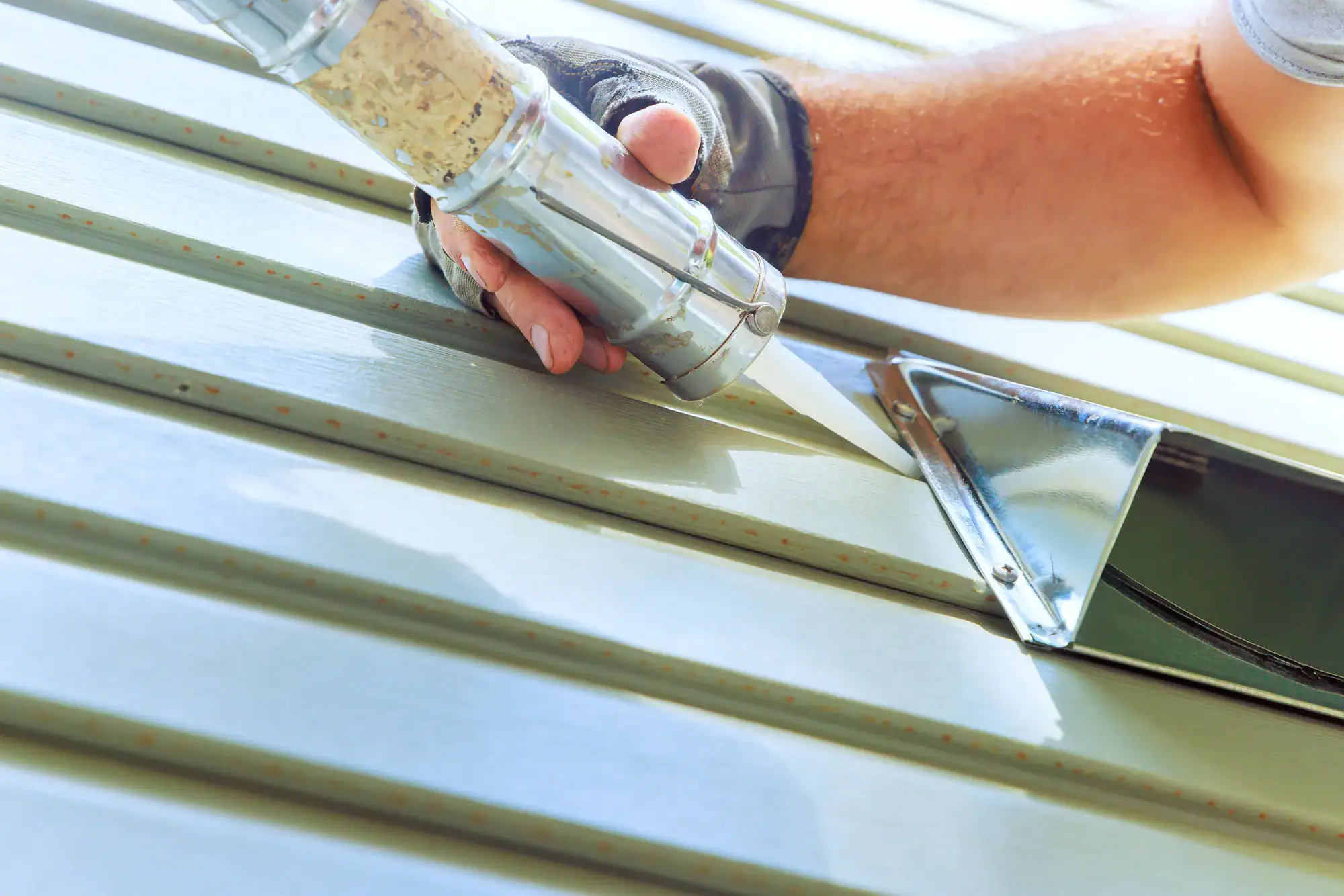
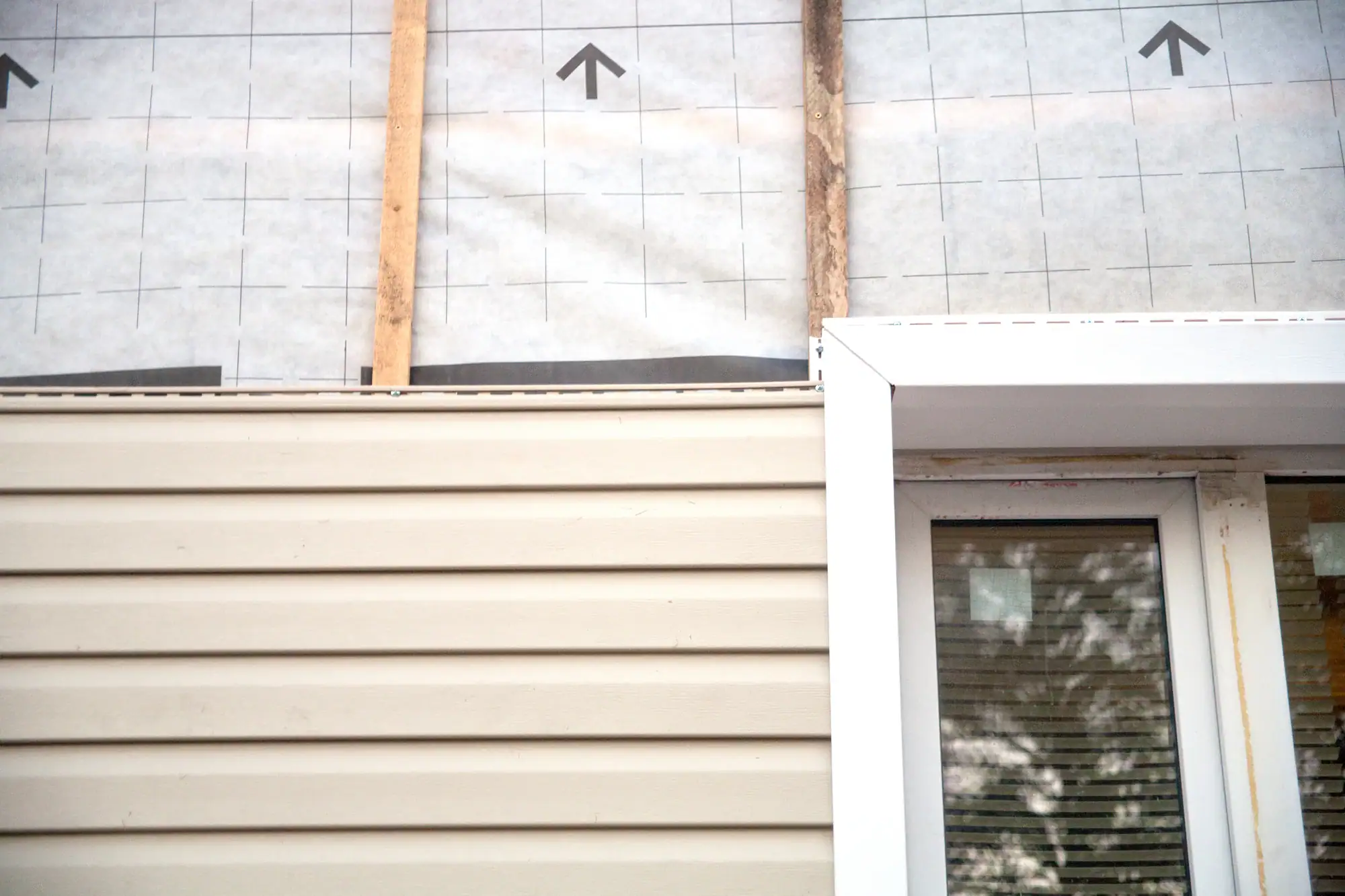
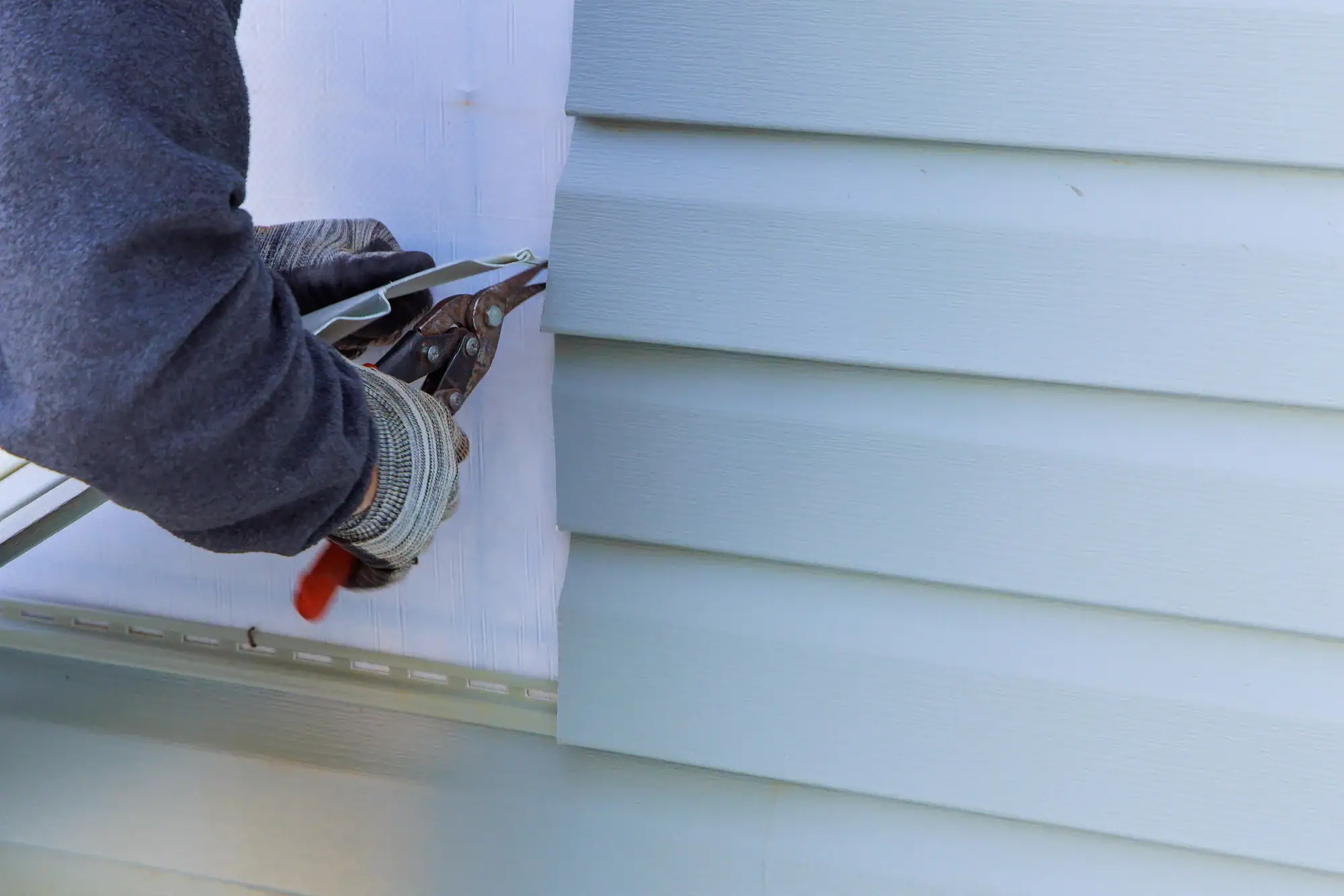
Once the inspection is done and you’ve agreed on scope, the old siding comes off completely. That full removal is the only way to see what’s underneath and address it properly. A moisture barrier goes in before any new panels are installed, which is especially important on rural properties where shade and standing moisture are ongoing factors. Then the new siding — vinyl, fiber cement, or whatever material makes sense for your home — gets installed, trimmed out, and sealed.
Because Chestnut Grove is unincorporated, permitting falls under Kent County’s jurisdiction rather than a city building department. We handle all of that. You don’t have to figure out which office to call or what forms to file — that’s part of our service. Most projects wrap up in two to five days, and cleanup is thorough before anyone leaves the site.
Ready to get started?
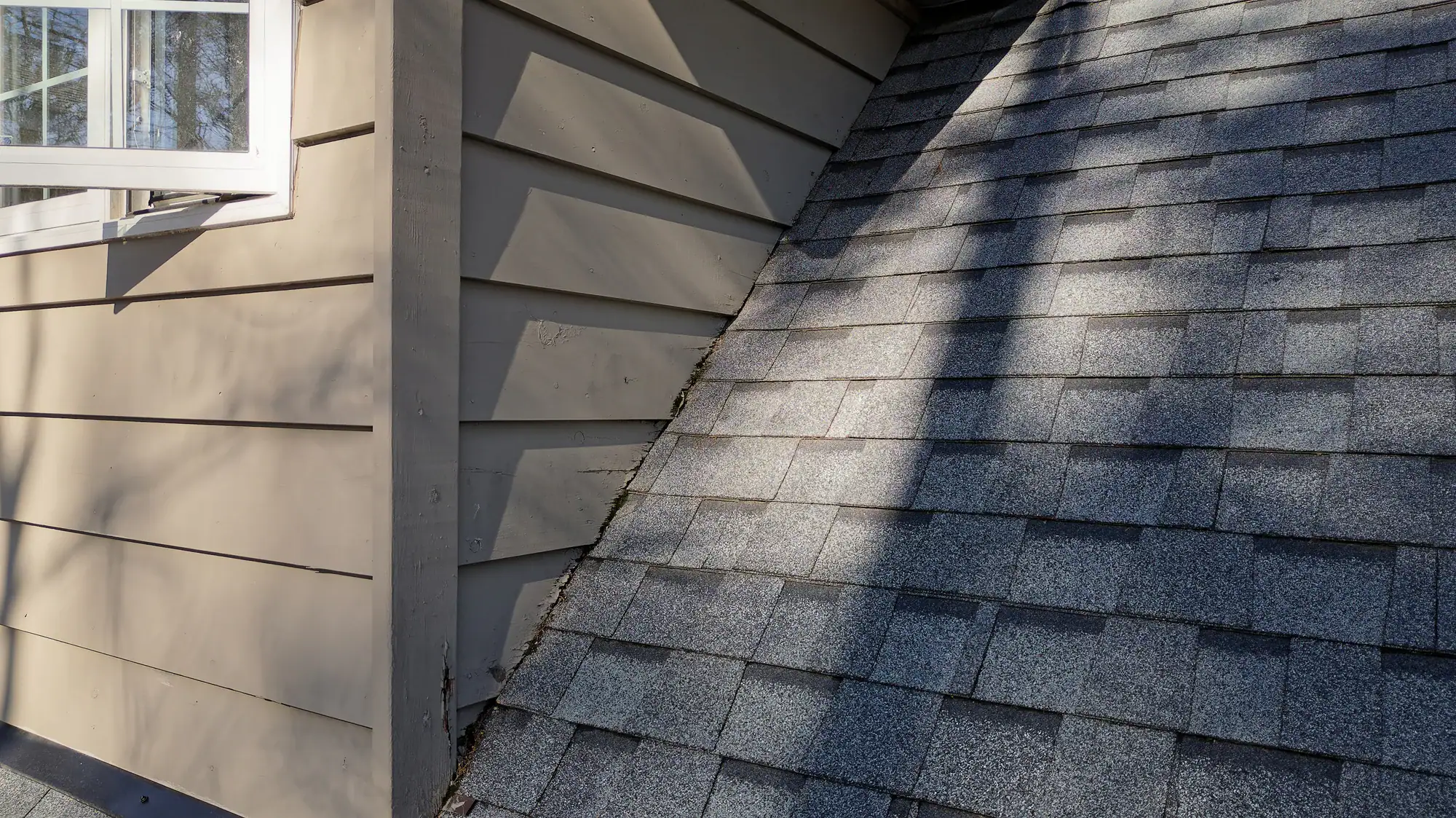
Every siding project we do starts with a full removal of the existing material. On older homes — and most of the properties on and around Chestnut Grove Road qualify — skipping this step means skipping the inspection of what’s behind it. Hidden moisture damage and wood rot are common in homes from the 1950s through the 1980s, and they don’t get better on their own. Pulling the old siding is how you find out what you’re actually dealing with.
After removal and any necessary substrate repairs, a moisture barrier goes in. This isn’t optional on a rural Kent County property with mature tree coverage and over 44 inches of annual rainfall. Then comes the siding itself — we install both vinyl and fiber cement, and we’ll help you choose based on your home’s specific exposure, architecture, and budget, not on which product is easier for us to install. All trim work, sealing, and weatherproofing is included.
If your siding damage was caused by a nor’easter, high winds, or storm debris, your homeowners insurance may cover part or all of the replacement. We provide insurance claims assistance and can help you document the damage and work through the process. Financing is also available for homeowners who want to move forward now rather than wait. Free estimates are standard — there’s no cost to find out exactly what your home needs.

Yes, in most cases you do — and because Chestnut Grove is an unincorporated community, the permit doesn’t come from Dover’s city building department. It comes from Kent County. That distinction trips up a lot of homeowners who assume they’d just call the city. It also trips up some contractors who primarily work within Dover’s limits and aren’t as familiar with the county permitting process.
We handle all permitting as a standard part of every project. You don’t need to research which office to contact, what forms are required, or what the county’s current requirements look like for exterior siding work. That’s already built into how we run the job. Skipping permits isn’t worth the risk — unpermitted work can complicate insurance claims and create real headaches when you go to sell the property.
You often can’t tell from the outside, which is exactly what makes it dangerous. Siding that looks intact from the driveway can still have compromised seams, cracked caulk around windows, or lifted panels at the bottom edge that have been letting water in for years. By the time you notice interior signs — soft drywall, a musty smell, peeling paint near a window — the wall cavity has already taken on moisture.
On older homes like those around Chestnut Grove, where the average build year is around 1976, this is a real and common scenario. Vinyl siding installed in the 1980s and early 1990s is at or past the end of its rated lifespan. It loses flexibility over time, becomes brittle in freeze-thaw cycles, and stops sealing the way it once did. The only reliable way to assess what’s underneath is a full removal and inspection — which is exactly how we start every project. We’ll tell you honestly what we find before any new material goes on.
Both vinyl and fiber cement can perform well in Delaware’s climate, but the specifics of your property matter. On a heavily treed lot — which describes most of the large acreage properties around Chestnut Grove — north-facing and east-facing walls stay wet significantly longer after rain events than they would on an open suburban lot. That persistent moisture is the primary driver of mold, algae growth, and long-term siding degradation in this area.
Fiber cement handles that environment particularly well. It’s dimensionally stable, doesn’t absorb moisture the way wood does, and resists the mold and algae growth that shade-heavy properties encourage. Vinyl is a strong option too, especially with proper moisture barrier installation underneath — the key is making sure the installation is done correctly, not just the material choice. We’ll assess your home’s specific exposure and orientation before recommending either option, so you’re making the decision based on your actual property, not a generic sales pitch.
It can be, and more often than homeowners expect. Delaware gets hit regularly by nor’easters, summer thunderstorms, and high-wind events — all of which can lift panels, crack siding, or drive water behind the exterior in ways that qualify as covered storm damage under a standard homeowners policy. The challenge is knowing how to document it properly and what the insurance company needs to see.
Rural properties like those off Chestnut Grove Road tend to take the full force of these storms without the windbreak effect you’d get from neighboring structures in a tighter suburban neighborhood. If you’ve had a significant storm come through and your siding looks different afterward — even if it seems minor — it’s worth getting an inspection before you assume it’s not covered. We provide insurance claims assistance and can help you understand what’s documented, what’s covered, and how to move through the process without leaving money on the table.
Most residential siding projects take between two and five days from start to finish. The range depends on the size of the home, the material being installed, and what’s found during the removal phase. On older homes — which is most of what you’ll find on Chestnut Grove Road — there’s always a chance that the removal reveals rot, moisture damage, or sheathing that needs attention before new siding goes on. When that happens, we communicate it immediately and walk you through what it means for the timeline and scope before any additional work is done.
Weather also plays a role, particularly in Kent County’s shoulder seasons. Spring and fall can bring stretches of rain that affect scheduling for exterior work. We coordinate around that and keep you informed throughout the project. The goal is always to finish efficiently without cutting corners on the substrate work that determines how long the new siding actually lasts.
The most important thing to know is that legitimate local contractors don’t show up uninvited after a storm. If someone knocks on your door within a day or two of a nor’easter and offers to start work immediately for a cash deposit, that’s a red flag worth taking seriously. Storm-chasing contractors are a documented problem in Delaware, and rural communities like Chestnut Grove — where homes are older, lots are large, and storm damage is visible from the road — tend to attract them.
Before you agree to anything, verify that the contractor is registered with the Delaware Department of Labor’s Office of Contractor Registration, carries liability insurance and workers’ compensation, and has a verifiable local presence. A legitimate contractor will provide a written, itemized estimate and won’t pressure you to sign the same day. We’re based in Smyrna, have been operating in Kent County for over 22 years, carry BBB accreditation with an A+ rating, and are fully licensed and insured. Those aren’t things a storm chaser can fake — and they’re exactly what you should be asking for before anyone touches your home.
Other Services we provide in Chestnut Grove