
Hear from Our Customers
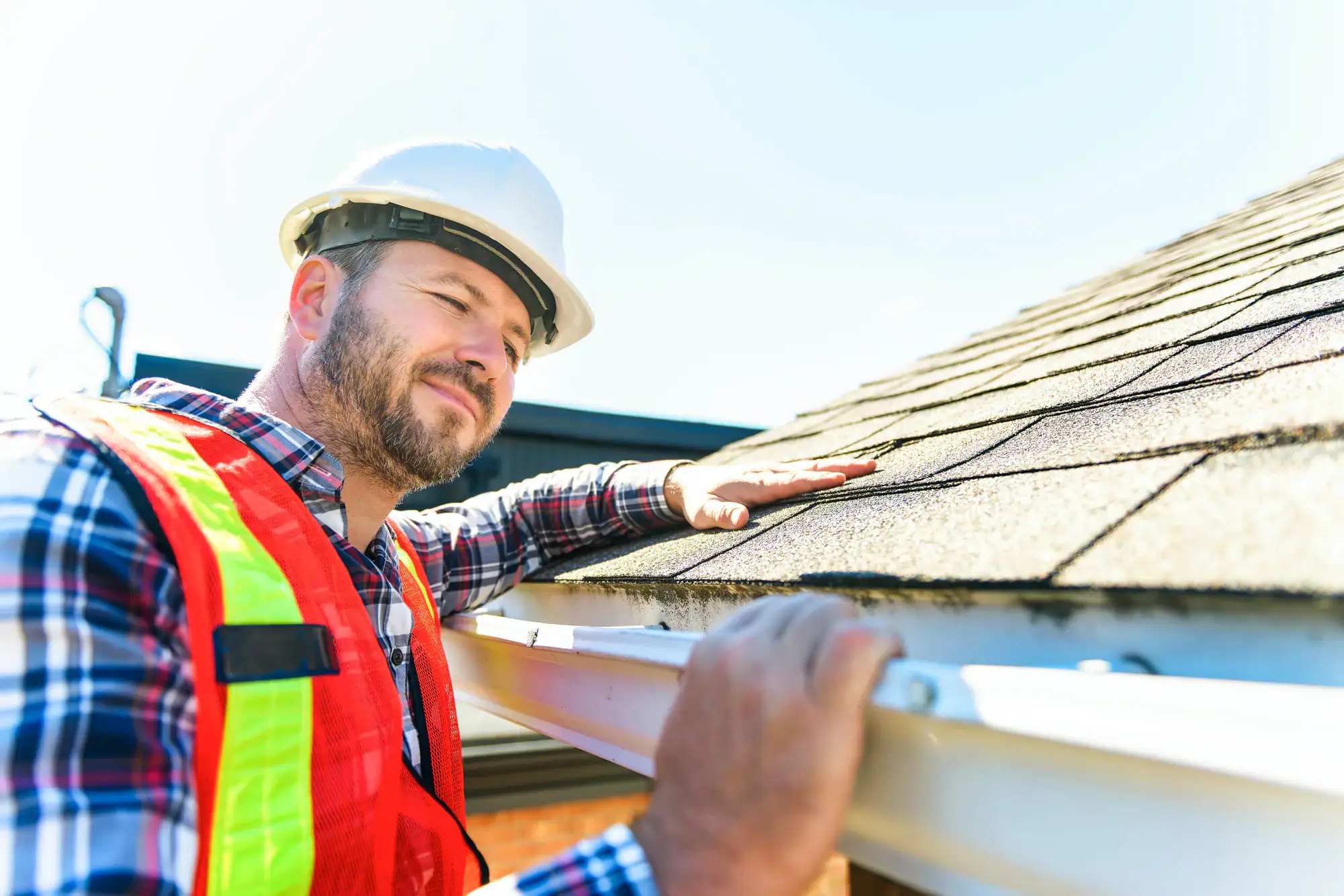
When your roof is solid, you stop thinking about it. No watching the ceiling after a storm rolls through, no wondering if that dark streak on the shingles is something serious, no putting off a call you know you need to make. That peace of mind is the actual outcome — and it’s more practical than it sounds when you’re sitting on a property worth $400,000 or more along a rural corridor where contractors don’t exactly line up to take your call.
Properties along Seeneytown Road sit on open land — anywhere from 7 to 18 acres — with little to no windbreak from neighboring structures. When a nor’easter comes through or a summer storm tracks across Kent County’s interior, your roof takes the full force of it. Shingle uplift, flashing damage, and ridge cap loss happen faster on exposed rural properties than most homeowners expect.
Add the tree canopy that comes with large wooded lots, and you’ve got a second problem: shade and moisture that accelerate algae growth on shingles. That dark streaking you might notice isn’t just cosmetic — it’s a sign that the roof material is breaking down. Getting the right materials installed correctly, by a contractor who understands what Delaware’s climate actually does to a roof, is what separates a 15-year roof from one that needs attention in year eight.
We’re based in Smyrna — roughly five to seven miles north of the Seeneytown corridor via SR 15. That’s not a stretched service area claim. It’s a short drive down a road that connects directly to where you live. We’ve been operating across Kent County for over 22 years, and that kind of longevity in a market full of storm chasers and here-today-gone-tomorrow contractors isn’t accidental.
We built this business on straightforward work: show up, do the job right, leave the property clean, and be reachable if something comes up later. That’s reflected in a 5.0-star rating across 63-plus verified Google and Facebook reviews — not a handful of lucky scores, but a consistent pattern across years of jobs. We’re also BBB accredited and verified through the Delaware Division of Professional Regulation, so you’re not taking anyone’s word for it.
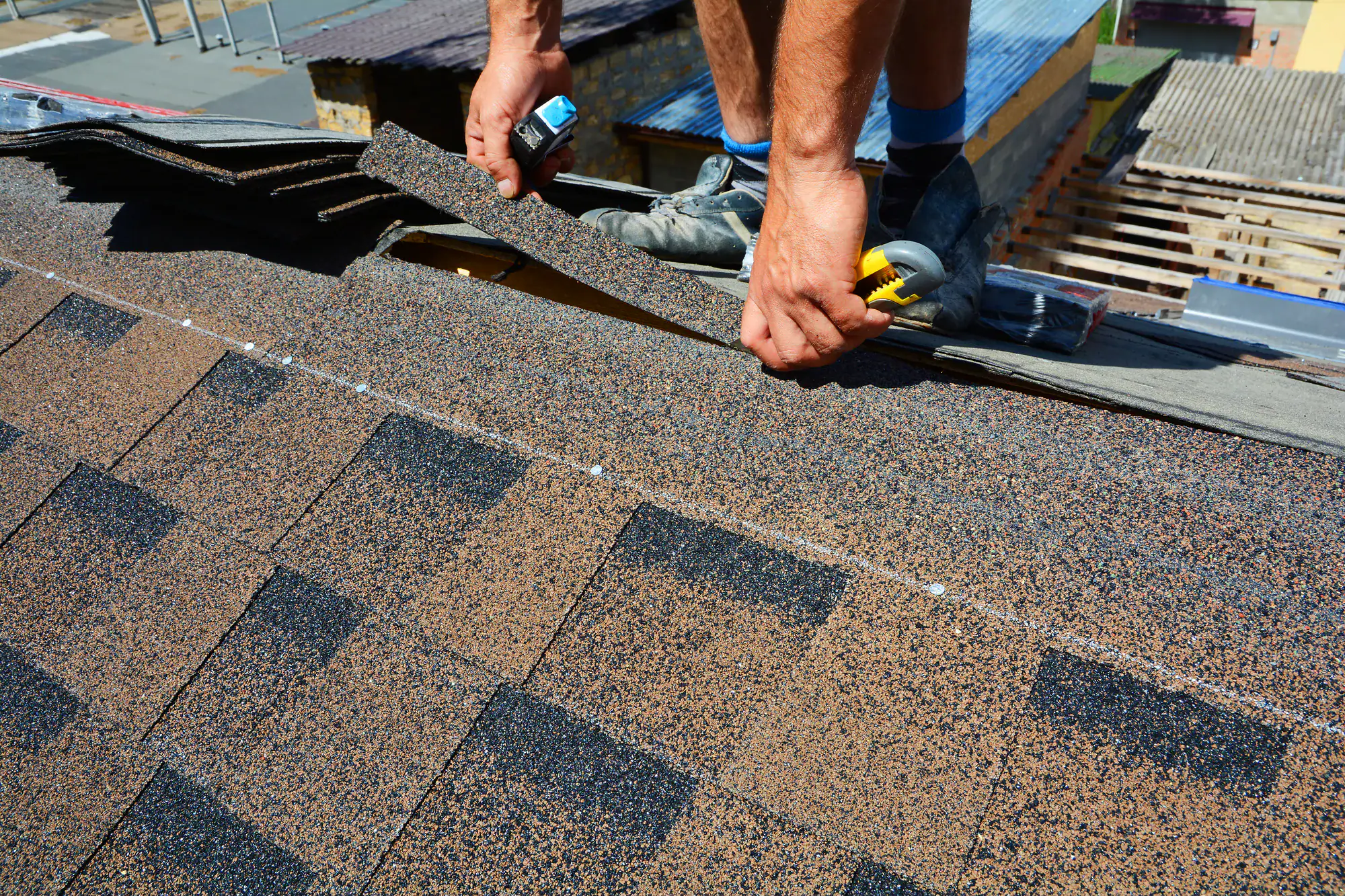
It starts with a free roof inspection. One of our crew members comes out, gets on the roof, and gives you an honest assessment of what’s actually happening up there — not a sales pitch, but a documented look at the shingles, underlayment, flashing, ventilation, and gutters. For older homes on large lots along Seeneytown Road, this step matters more than it does on a newer suburban build. These properties often have more complex roof geometries, aging materials, and sometimes outbuildings — barns, sheds, equipment storage — that also need to be evaluated.
From there, you get a written estimate with a clear scope of work. If storm damage is involved, we work directly with your insurance provider to help navigate the claims process. That’s a meaningful service when you’re dealing with wind or hail damage on an exposed rural property and the adjuster’s timeline doesn’t match yours.
Because Seeneytown is unincorporated, permits are pulled through Kent County rather than a town building department. We handle that — you don’t have to figure out the county permitting process on your own. Once work begins, the entire project is managed in-house from start to finish. No subcontractors, no unfamiliar crews on your property. When the job is done, the site is cleaned thoroughly — a detail that shows up in real customer reviews and isn’t something we treat as optional.
Ready to get started?
Most roofing companies handle one thing: the house. We handle the full exterior — roofing, siding, gutters, windows, and skylights — and that matters more on a Seeneytown property than it does almost anywhere else. Rural homesteads along this corridor frequently include barns, equipment sheds, and outbuildings with EPDM rubber or metal roof systems that a residential-only contractor simply can’t touch. Having one company that handles asphalt shingles on the house and commercial-grade EPDM or metal on the outbuildings saves you the coordination headache and the cost of mobilizing two separate crews.
For the main residence, material selection is worth a real conversation. Delaware’s humidity and the shade from large wooded lots create ideal conditions for Gloeocapsa magma — the algae that causes dark streaking and accelerates shingle deterioration. Algae-resistant shingles are strongly recommended for properties in this corridor, not as an upsell, but because the alternative costs more in the long run. Kent County’s interior also experiences more pronounced freeze-thaw cycling than coastal areas, which means underlayment quality and proper ventilation aren’t details to skip.
We offer emergency roofing service 24/7 for storm, wind, or hail damage. Financing is also available for larger projects, and we provide free estimates with no obligation — a practical starting point for any homeowner who isn’t sure yet what they’re dealing with.

Yes — and the proximity is real, not a stretched service area. We’re based in Smyrna, Delaware, which sits roughly five to seven miles north of the Seeneytown corridor via SR 15. We explicitly cover Kent County, which is the county Seeneytown falls under as an unincorporated community carrying the Dover 19904 zip code.
This matters because rural homeowners in corridors like Seeneytown Road sometimes get deprioritized by contractors who focus on higher-density suburban markets in Dover or Smyrna proper. A contractor with genuine proximity to your area and a stated commitment to Kent County-wide coverage is a different situation than one listing your zip code as a service area from 40 miles away. If you’re on Seeneytown Road or anywhere in the surrounding rural corridor, you’re in our service area — and close to our base.
The honest answer is that you often can’t tell from the ground — and that’s exactly what a professional inspection is for. Some damage is visible: missing shingles after a storm, obvious sagging, or dark streaking from algae. But the more consequential issues — failed underlayment, compromised flashing, inadequate ventilation, or early-stage water intrusion — typically aren’t visible until they’ve already caused secondary damage.
For older homes on large lots along the Seeneytown Road corridor, this question comes up more often than it does in newer subdivisions. Many of these properties have roof systems that have been repaired once or twice over the years, sometimes by contractors who are no longer in business. A thorough inspection documents the full picture — not just the surface — and gives you an honest assessment of whether targeted repairs will extend the roof’s life meaningfully or whether replacement is the smarter investment. We offer free inspections, so there’s no cost to getting that answer.
For most residential roofs in this area, architectural asphalt shingles are the practical baseline — durable, cost-effective, and widely available with manufacturer warranties. But the specific conditions along the Seeneytown Road corridor push a few material decisions beyond the standard recommendation.
First, algae-resistant shingles are genuinely worth it here. Large wooded lots create shaded, humid conditions that accelerate Gloeocapsa magma growth — the organism responsible for the dark streaking you see on older roofs in this area. Algae-resistant options cost modestly more upfront and save significantly on premature replacement. Second, Kent County’s interior experiences more pronounced freeze-thaw cycling than Delaware’s coastal communities, which means underlayment quality and proper attic ventilation matter more than they might in a milder climate. For outbuildings — barns, sheds, equipment storage — metal roofing and EPDM rubber membranes are the standard, and we handle both alongside residential work.
Yes, and this is one of the more underused services available to homeowners dealing with wind or hail damage. Most people don’t realize their roofing contractor can work directly with their insurance provider — documenting the damage, communicating with the adjuster, and helping make sure the claim reflects what actually happened to the roof.
For homeowners on open rural properties like those along Seeneytown Road, this matters more than it might in a sheltered neighborhood. Exposed agricultural land offers no windbreak, which means storm damage tends to be more severe and sometimes affects multiple structures — the house, a barn, a shed. Navigating an insurance claim that covers all of that is complicated. We assist with the claims process as a standard part of storm damage work, not as an add-on. You still file with your own insurer, but you don’t have to figure out the documentation and adjuster communication alone.
For a standard residential roof replacement, the physical installation is typically completed in a single day — this is something that shows up consistently in our customer reviews, and it’s worth taking seriously as a practical consideration. Larger or more complex roofs may take two days, but most single-family homes are done in one.
The fuller timeline includes the inspection, written estimate, permit process, and material ordering before work begins. In Seeneytown specifically, permits are pulled through Kent County rather than a town building department, since the area is unincorporated. We handle that — you don’t need to navigate it yourself. Seasonally, spring and fall tend to be the busiest periods for roofing work in Kent County, so scheduling earlier in the season gives you more flexibility. After a major storm, every contractor in the area books up quickly — having a contractor relationship in place before that happens puts you in a much better position.
A few things matter more than price when you’re hiring a roofer for a rural property in Kent County. Start with licensing and insurance — specifically, verify that the contractor is licensed through the Delaware Division of Professional Regulation and carries both General Liability and Workers’ Compensation insurance. On a large private lot, if an uninsured worker is injured on your property, you can be held liable. That’s not a theoretical risk.
Beyond credentials, look for a contractor with verifiable local history — not one that registered an LLC last month and showed up after the last nor’easter. A named owner, a real local address, a consistent review history across multiple platforms, and BBB accreditation are all independently verifiable. Ask whether the company subcontracts labor or manages projects in-house, and get a written estimate that specifies materials by name. For properties along Seeneytown Road with outbuildings or complex roof systems, also confirm that the contractor can handle EPDM and metal roofing — not every residential roofer can, and coordinating two separate contractors for one property is more expensive and more complicated than it needs to be.
Other Services we provide in Seeneytown