Why Roof Replacement is a Critical Home Investment
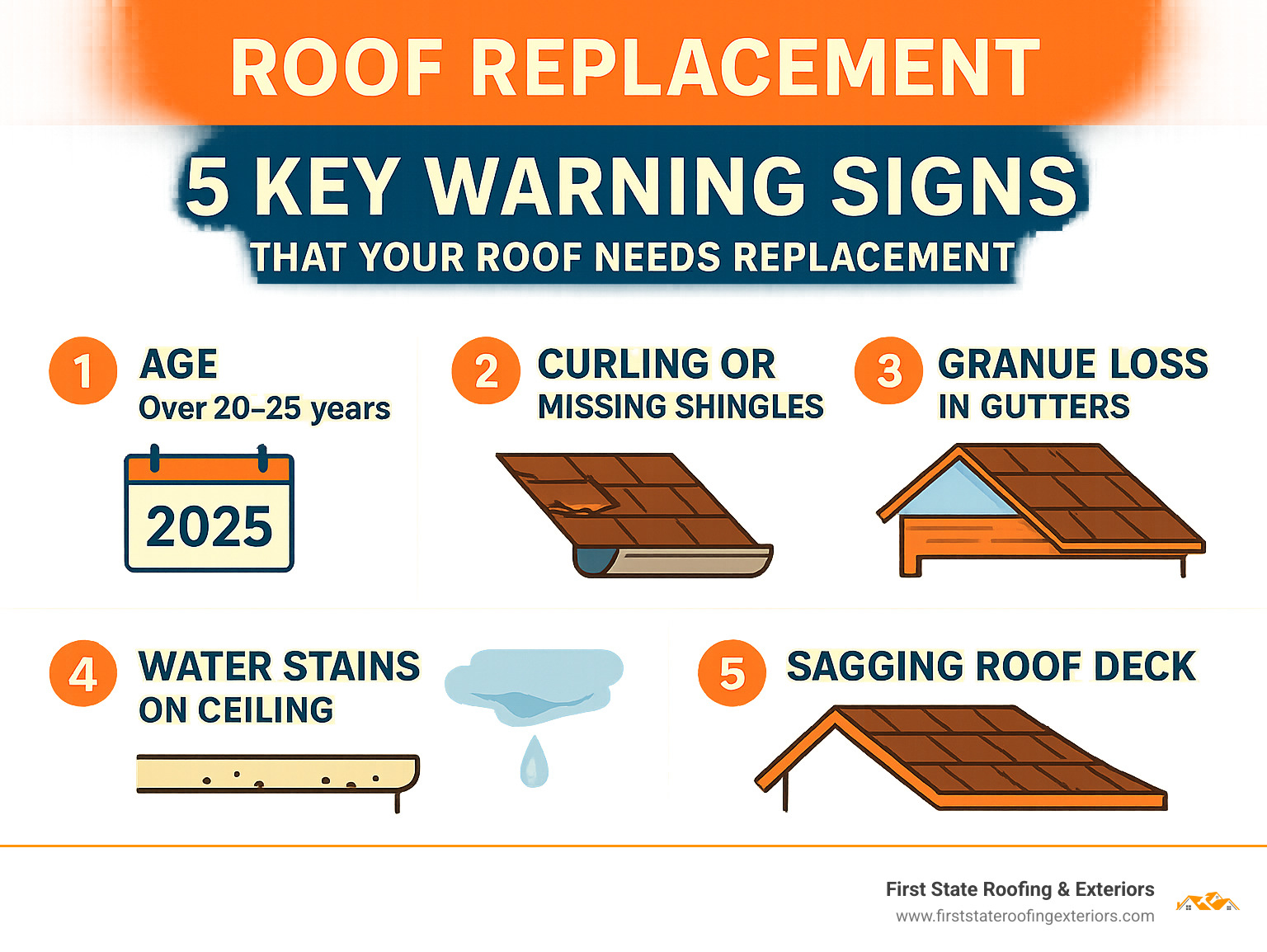
A roof replacement is a critical investment, acting as your home’s primary shield against the elements while boosting its value and curb appeal. As a family-owned Delaware company, we know how important it is to have a reliable roof over your head. For homeowners seeking the best exterior services to protect their property, understanding when a replacement is necessary is the first step. Key signs include shingles over 20-25 years old, visible damage like curling or missing shingles, granules in your gutters, ceiling stains from water damage, or a sagging roof deck.
Nationally, roof replacement costs average $5,855 to $13,116, but this varies by roof size, material, and labor rates. In Delaware, expect to pay between $8,000 and $16,000. Popular materials range from cost-effective asphalt shingles ($3-6/sq ft) to durable metal roofing ($10-16/sq ft) and premium slate ($10-30/sq ft). A full replacement, which involves a complete tear-off of old materials, is recommended over an overlay to allow for deck inspection and ensure maximum longevity. This process typically takes 1-3 days.
A quality roof replacement not only protects your home but can also lower energy costs and increase property value. If you notice any warning signs, don’t wait for costly damage. Call (302) 222-4065 to schedule your free inspection and estimate, and get expert guidance on your options.
Is It Time for a Roof Replacement? Key Signs to Look For
Knowing when your roof needs help can save you from costly water damage, especially with Delaware’s unpredictable weather. Learning to spot the warning signs is key to planning a timely roof replacement before minor issues escalate.
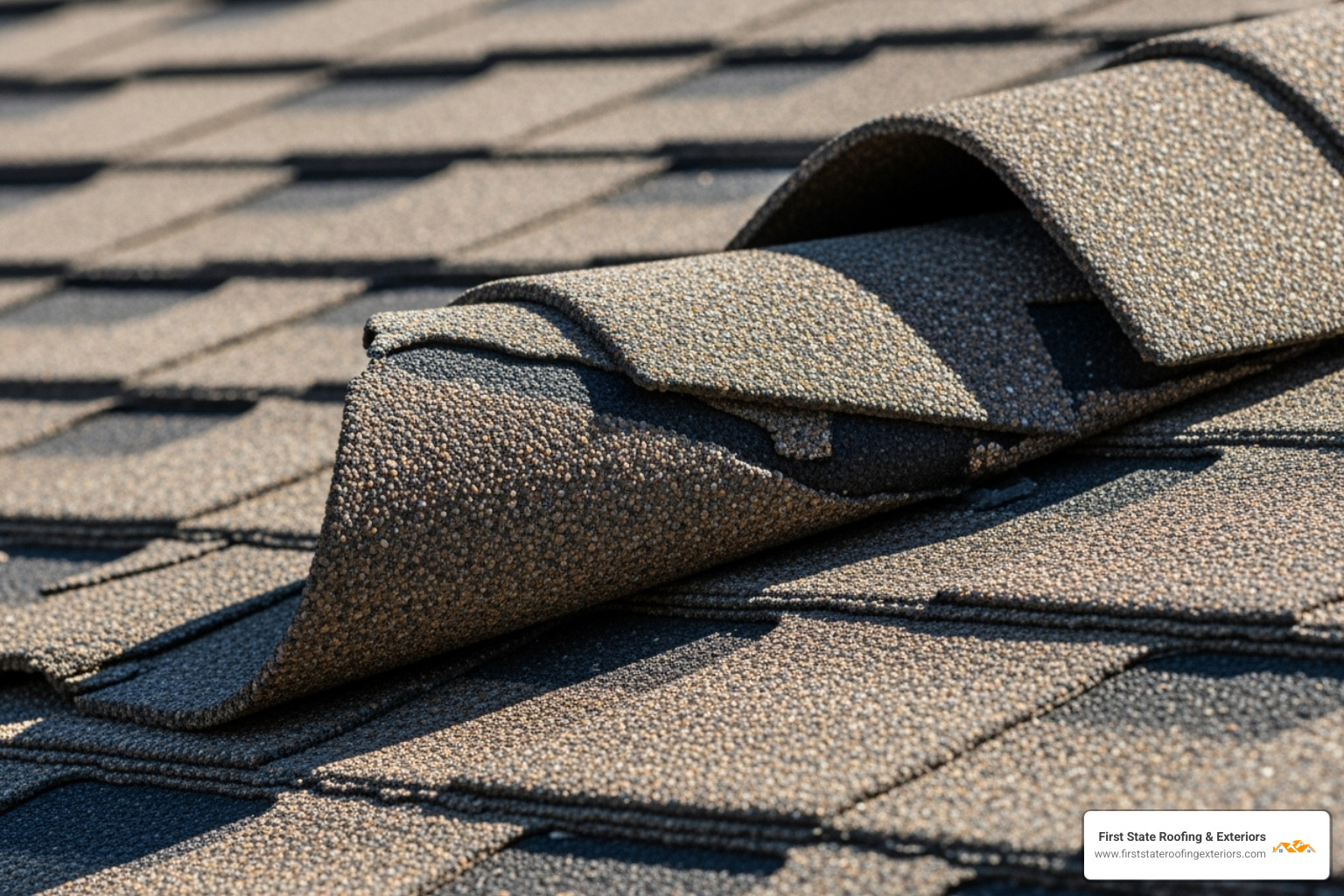
- Roof Age: Most asphalt shingle roofs last 20-30 years. If your roof is approaching this age and showing wear, it’s wise to start planning for a replacement rather than paying for continuous repairs.
- Curling or Cupping Shingles: When shingle edges curl up or the centers bubble, they no longer lie flat, creating entry points for wind-driven rain.
- Cracked or Missing Shingles: Delaware’s summer heat and winter storms can cause shingles to crack or tear off, exposing the underlayment to the elements.
- Granules in Gutters: The granules on asphalt shingles provide UV protection. Finding them in your gutters indicates this protective layer is wearing away, accelerating roof aging.
- Leaks or Water Stains: Persistent leaks or stains on your ceiling are clear signs of a failing roof. These issues never resolve on their own and can lead to mold and structural damage.
- Sagging Roof Deck: A drooping or sagging roofline is a serious structural issue that requires immediate professional attention for safety reasons.
- Moss or Algae Growth: While not an emergency, significant moss or algae suggests your roof is trapping moisture, which leads to premature deterioration.
Many of these problems are difficult to see from the ground. A professional inspection is the safest way to get an accurate assessment of your roof’s condition. If you’re noticing any of these signs, call (302) 222-4065 to schedule a free inspection and estimate, and get the peace of mind you deserve.
Understanding the Costs and Materials for Your New Roof
When you’re facing a roof replacement, understanding the financial investment is crucial for making informed decisions.
Average Cost of a Roof Replacement
Nationally, most homeowners spend between $5,855 and $13,116 for a roof replacement, but location is a major factor. Here in Delaware, a typical residential replacement costs between $8,000 and $16,000.
Key cost drivers include:
- Roof Size and Pitch: Larger and steeper roofs require more materials and labor, increasing the cost.
- Material Choice: Basic asphalt shingles are affordable, while premium materials like metal or slate have a higher upfront cost.
- Labor Rates: These vary by contractor expertise. The cheapest option may not offer the best long-term value.
- Tear-Off vs. Overlay: A full tear-off, while more expensive, is recommended. It allows for deck inspection and is often required for manufacturer warranties.
Additional costs for permits, flashing, or structural repairs can also arise. For more details, see our guide on the Average Cost to Tear Off and Replace Roof.
Comparing Popular Roofing Materials
Choosing the right material involves balancing budget, aesthetics, and durability.
| Material Type | Cost Per Square Foot | Lifespan (Years) | Pros | Cons |
|---|---|---|---|---|
| Asphalt Shingles (Architectural) | $4-11 | 22-25 | Cost-effective, wide range of colors/styles, easy to install, good protection, can mimic other materials | Shorter lifespan than other materials, less durable in extreme weather, not recyclable, can absorb heat |
| Standing Seam Metal Roofing | $10-16 | 30-50 | Extremely durable, long lifespan, energy-efficient (reflects heat), recyclable, fire-resistant, low maintenance, excellent in harsh climates | Higher upfront cost, can be noisy during rain/hail, specialized installation required, limited color options compared to asphalt |
| Slate Shingles | $10-30 | 50-150 | Exceptional lifespan, luxurious aesthetic, fireproof, resistant to rot/insects, low maintenance | Very heavy (requires strong roof structure), extremely high upfront cost, brittle, specialized installation |
| Clay Tiles | $10-18 | 50-100 | Extremely long lifespan, distinctive aesthetic, highly durable, fire-resistant, excellent for warm climates | Very heavy (requires strong roof structure), brittle (can break), high upfront cost, complex installation |
Architectural shingles are the most popular choice, offering great value and style versatility. Standing seam metal roofing is a premium option with excellent longevity and energy savings, making it ideal for Delaware’s coastal areas. Natural slate and clay tiles offer unparalleled lifespan but are heavy and costly, often requiring structural reinforcement. For a deeper look at materials, explore our guide on Roofing Types.
Climate Considerations and Energy Efficiency
Delaware’s four-season climate, with hot summers and cold winters, puts significant stress on roofing materials. Coastal winds and storms also demand durable, well-installed systems.
To combat summer heat, consider ENERGY STAR® cool roof options. These materials reflect more sunlight and absorb less heat, which can significantly lower attic temperatures and reduce cooling costs. The Cool Roof Rating Council standards provide objective ratings for solar reflectance and thermal emittance.
Proper attic ventilation is just as important. It works with your roofing material to regulate temperature and prevent moisture buildup, protecting your roof structure and improving energy efficiency.
The Complete Roof Replacement Process: From Tear-Off to Final Inspection
At First State Roofing & Exteriors, we follow a refined process to minimize disruption and maximize quality. Here’s what to expect during your roof replacement.
Preparing Your Home and Yard
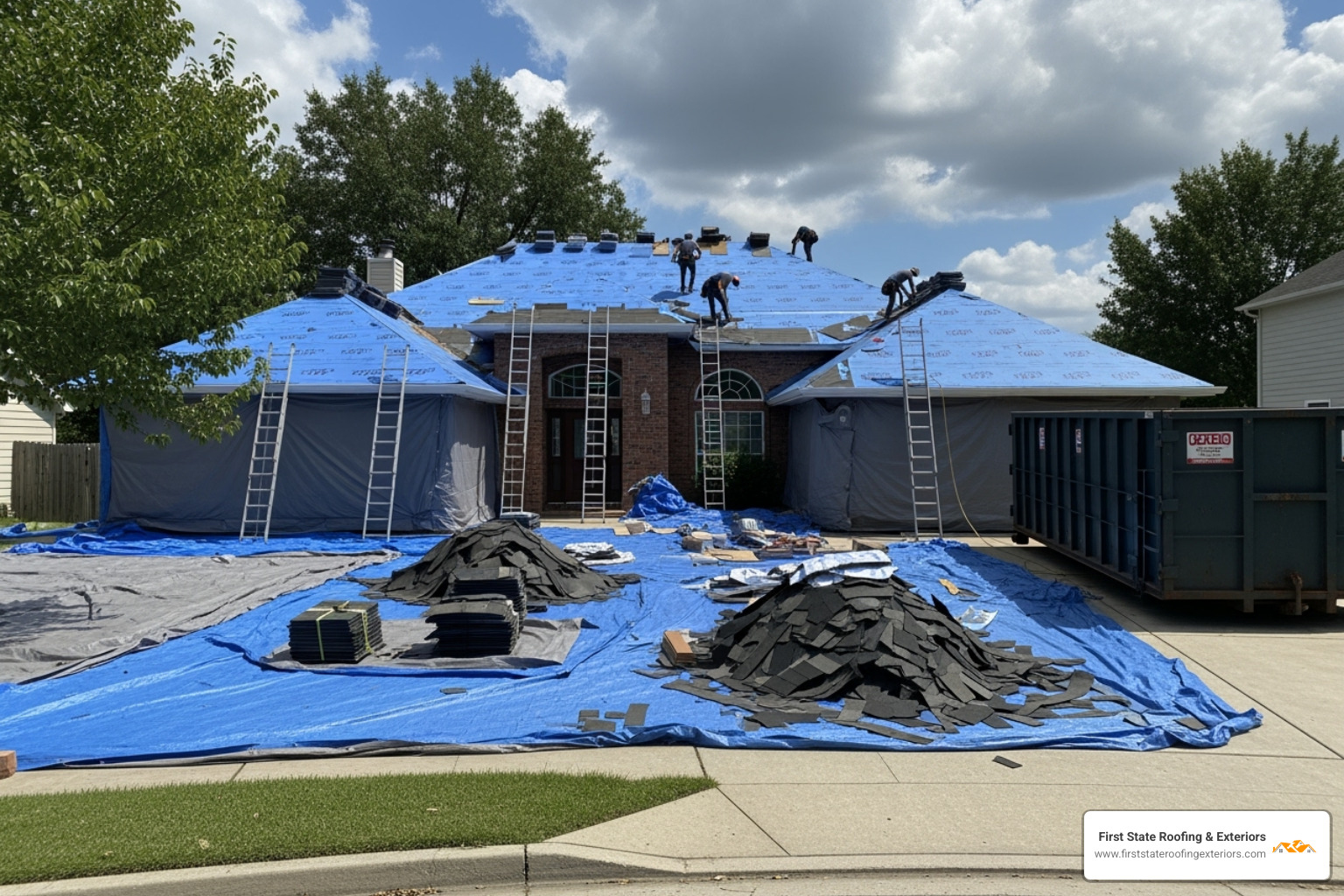
A smooth project starts with preparation. Before we arrive, please clear your driveway of all vehicles. We will protect your foundation plants and landscaping with tarps, but you may want to move delicate items. Inside, secure fragile items on walls, as vibrations can cause them to fall. Also, cover any items stored in the attic to protect them from dust during the tear-off. A quick heads-up to your neighbors about the noise and timeline is also a courteous step.
The Step-by-Step Installation
Our crew follows a precise sequence for a durable, long-lasting roof.
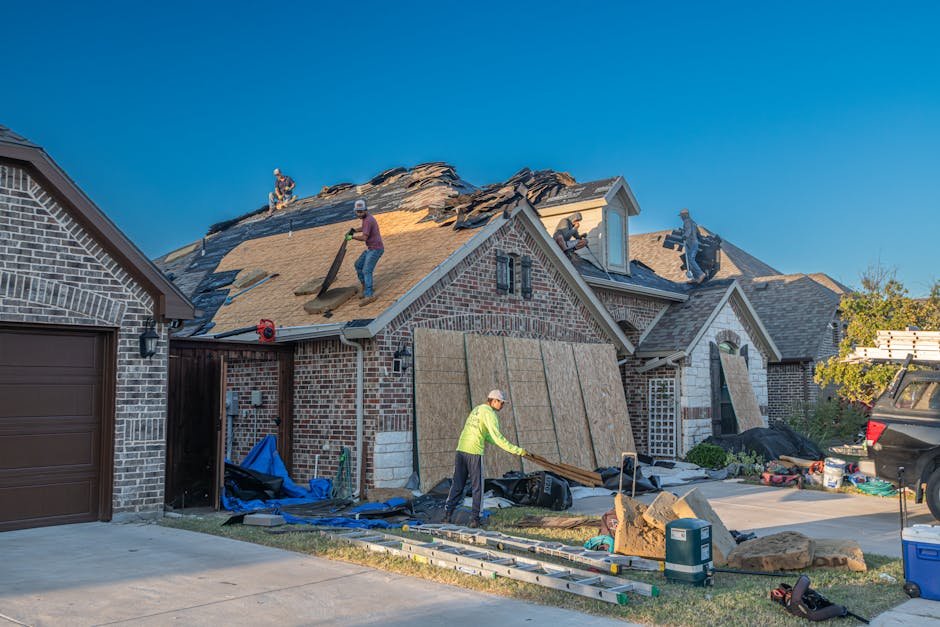
- Tear-Off: We strip all old materials down to the bare roof deck.
- Deck Inspection: We inspect the deck for water damage or structural issues and make necessary repairs. This is a critical step missed by overlays.
- Ice and Water Shield: A self-sealing membrane is installed in vulnerable areas like eaves, valleys, and around chimneys to prevent leaks from ice dams and wind-driven rain.
- Underlayment: We apply a modern synthetic underlayment, which provides superior moisture protection compared to old felt paper.
- Flashing and Drip Edge: New metal flashing and drip edge are installed to direct water away from your home’s structure.
- Shingle Installation: New shingles are installed from the bottom up, following manufacturer specifications for proper alignment and fastening.
- Ridge Vents and Caps: These complete the system, allowing hot air to escape the attic while sealing the roof’s peak.
- Final Cleanup: We thoroughly clean the site, using magnetic sweepers to collect stray nails from your lawn and driveway.
For a visual guide, see our Roof Installation Complete Guide.
Roof Replacement vs. Reroofing (Overlay)
You might be offered a reroof (or overlay), which involves placing new shingles over old ones. While cheaper upfront, this is a shortcut we strongly advise against. An overlay adds excessive weight, hides potential deck damage, and often voids manufacturer warranties. Any imperfections in the old roof will also show through the new layer. A full roof replacement with a complete tear-off is the only way to ensure a solid foundation, a valid warranty, and a roof system built to last.
Hiring the Right Professional for the Job
Choosing the right contractor is as important as choosing the right materials for your roof replacement. While a DIY approach may seem tempting, roofing is a job best left to professionals.
DIY vs. Hiring a Professional Roofing Contractor
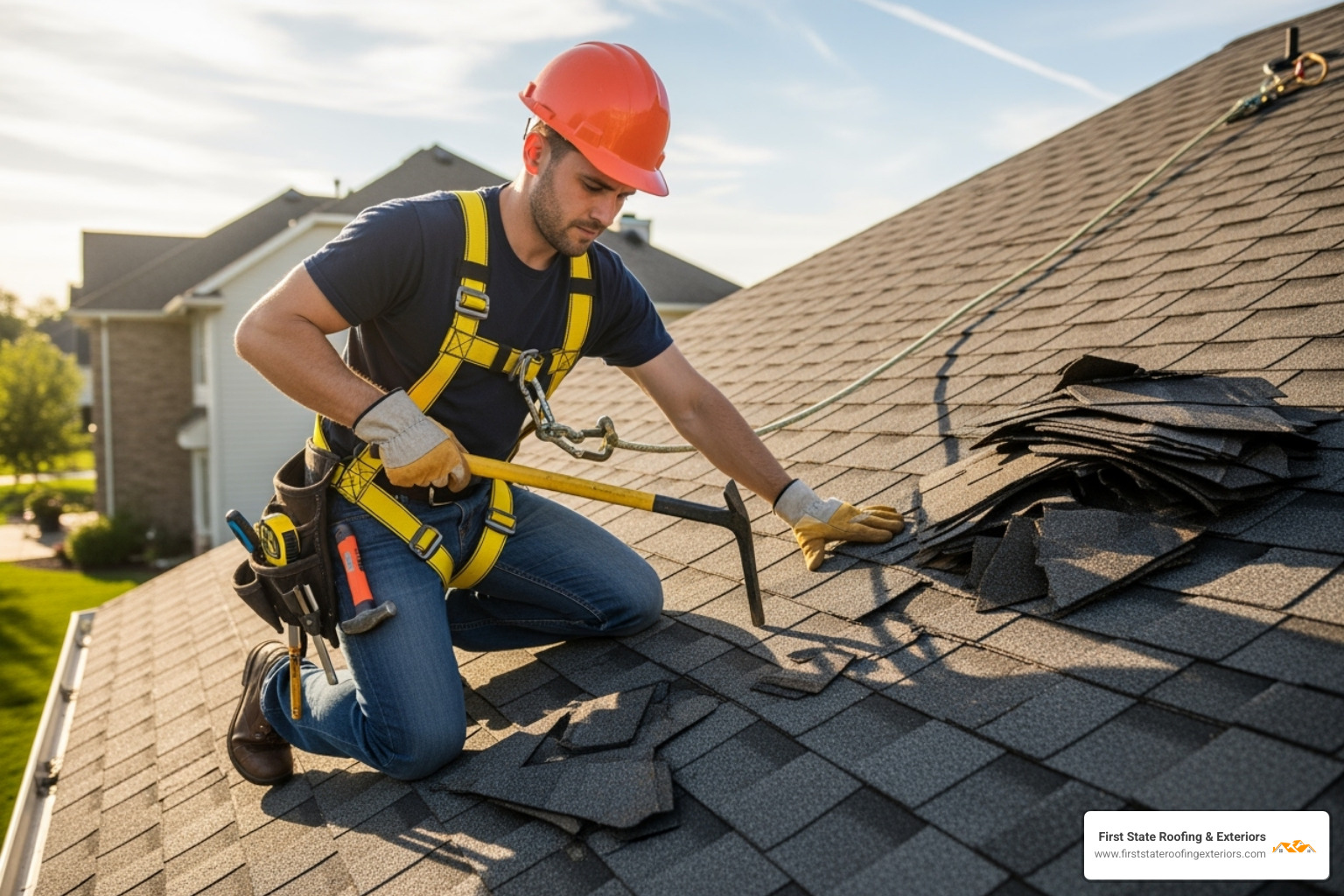
Hiring a professional is essential for several reasons. Safety is paramount; professionals have the training and equipment to work safely at heights. Proper installation is guaranteed, preventing costly leaks and premature failure that can result from inexperience. Furthermore, most material warranties are voided by DIY installation. A professional contractor provides expertise, efficiency, proper insurance, and workmanship guarantees, while also handling all necessary permits and code compliance.
What to Look for in a Roofing Contractor and Contract
When selecting a contractor, look for these key qualifications:
- Local and Established: Choose a company with a physical office and a strong reputation in your community. Be wary of “storm chasers” who appear after severe weather. For example, residents in Smyrna should look for established Roofing Companies in Smyrna.
- Licensed and Insured: Verify they have both general liability insurance and worker’s compensation. Ask for proof.
- Certifications and Reviews: Look for manufacturer certifications (like GAF Master Elite) and check online reviews and BBB ratings.
- Detailed Written Contract: The contract should clearly outline the scope of work, specific materials, payment schedule, project timeline, and warranty details. Never pay the full amount upfront.
Understanding Roofing Warranties
Your investment is protected by two types of warranties:
- Manufacturer’s Warranty: This covers defects in the roofing materials themselves, with terms ranging from 20 years to a lifetime. Pay attention to whether coverage is prorated (decreases over time) or non-prorated.
- Contractor’s Workmanship Warranty: This covers installation errors and typically lasts 5 to 25 years.
Be aware that actions like improper attic ventilation, pressure washing, or unauthorized repairs can void these warranties. A professional contractor will ensure your installation complies with all warranty requirements.
Frequently Asked Questions about Roof Replacement
When homeowners in Delaware consider a roof replacement, they naturally have questions about the process, timeline, and what to expect. Over our years of experience, we’ve heard these same concerns time and again. Let me share some straightforward answers to help put your mind at ease.
How long does a roof replacement take?
A typical residential roof replacement takes 1 to 3 days. The exact timeline depends on the roof’s size and complexity, the materials being installed, and weather conditions. Your contractor will provide a more precise schedule in your contract.
Will my homeowner’s insurance cover a roof replacement?
It depends on the cause of the damage. Insurance usually covers replacement for sudden events like storms, hail, or fire. It generally does not cover replacement due to old age, wear and tear, or poor maintenance. If you suspect storm damage, get a professional inspection to document it before filing a claim.
What are the long-term benefits of a quality roof replacement?
A quality roof replacement is an investment with lasting returns. Key benefits include superior protection from the elements, improved energy efficiency that can lower utility bills, a significant increase in property value and curb appeal, and the peace of mind that comes from comprehensive material and workmanship warranties.
If you’re ready to experience these benefits for yourself, we’d love to help. Call (302) 222-4065 to schedule your free inspection and estimate. We’ll assess your current roof honestly and help you understand all your options.
Conclusion
Your home deserves the best protection, and a quality roof replacement is one of the most important investments you can make. Throughout this guide, we’ve walked you through everything from recognizing the warning signs of a failing roof to understanding the complete installation process. The key is knowing when to act and choosing the right team to handle this critical project.
A roof replacement isn’t just about fixing problems—it’s about preventing future headaches. When you spot curling shingles, persistent leaks, or your roof is approaching that 20-25 year mark, don’t wait for small issues to become expensive disasters. The peace of mind that comes with a new roof protecting your family and belongings is truly priceless.
Choosing the right materials and contractor makes all the difference. Whether you opt for cost-effective asphalt shingles or invest in long-lasting metal roofing, the quality of installation is what determines how well your roof will perform for decades to come. That’s why working with a local, experienced team who understands Delaware’s unique climate challenges is so important.
As a family-owned business serving Delaware communities for over 20 years, we’ve seen how a properly installed roof transforms not just a home’s protection, but also its value and curb appeal. Our commitment to transparency, quality workmanship, and standing behind our work has helped hundreds of families make confident decisions about their most important home investment.
Ready to protect your home with a new roof? Don’t let another season pass wondering if your roof can handle the next storm. Call us today at (302) 222-4065 to schedule your free, no-obligation inspection and estimate. Our team will provide you with honest recommendations and the exceptional Roof Replacement Services your home deserves. Let’s give you the peace of mind that comes with knowing your family is protected under a roof built to last.