

Hear from Our Customers
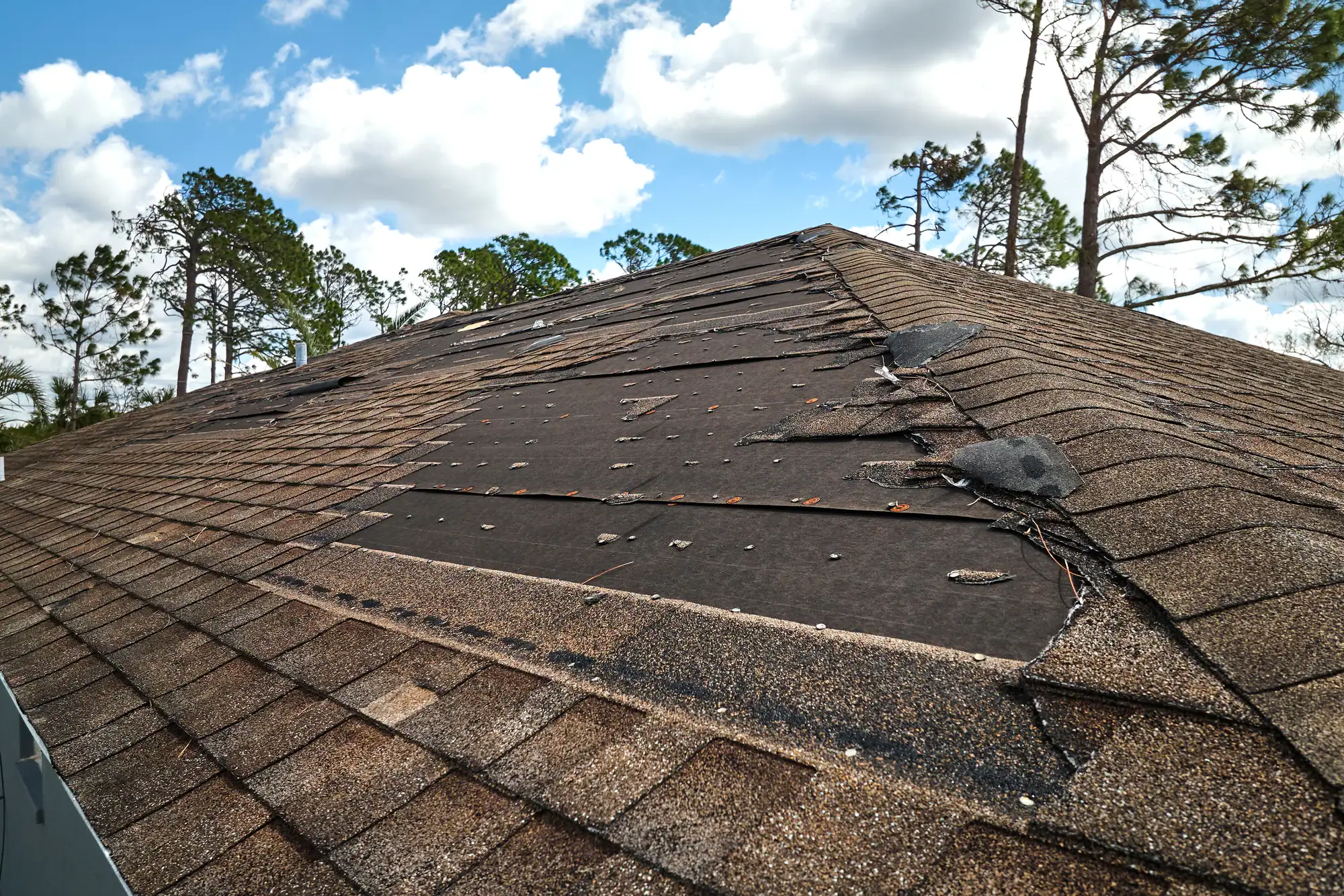
A roof leak in a rural property doesn’t just ruin a ceiling — it works its way into insulation, wood decking, and wall framing before you ever notice the stain. By the time most Seven Hickories homeowners call for help, what started as a minor flashing issue or a few cracked shingles has already turned into a much bigger problem. Getting a professional eye on it early is almost always cheaper than waiting.
The housing stock along Seven Hickories Road and the surrounding rural community was built predominantly around 1979. That puts most of these homes at roughly 45 years old — well past the 20 to 25-year rated lifespan of the original asphalt shingles, and likely past even a second-generation roof installed in the 1990s. These aren’t roofs that just need a little attention. Many of them are overdue for a real evaluation by someone who will tell you honestly what you’re working with.
What makes this area particularly unforgiving is the landscape itself. Seven Hickories sits in open agricultural land where there’s nothing between your roof and an incoming storm. The flat farmland on either side of Route 15 and Route 42 offers no windbreak. When a hailstorm or severe thunderstorm tracks across the Delmarva Peninsula, it hits these roofs at full force. The Dover area — the closest weather monitoring point — has been under severe weather warnings 39 times in the past 12 months alone. That exposure compounds fast on a roof that’s already aging.
We’re based in Smyrna — about 7 miles north of Seven Hickories along Delaware Route 15, the same road that runs directly through the community. That’s not a coincidence. This corridor is part of the service area we’ve worked for over 22 years, through the same seasonal storms, freeze-thaw winters, and humid Delaware summers that affect every roof out here.
Richard McCain leads our company, and we’re family-owned — not a franchise, not a call center with a local number. When you reach out, you’re talking to people who actually know this part of Kent County, including the rural property types, the older housing stock, and what it takes to do the job right under county permitting requirements.
We hold GAF Master Elite certification, placing us in the top 2% of roofing contractors in the country. That certification isn’t just a badge — it’s what gives homeowners access to GAF’s strongest available warranties, covering both materials and workmanship. Add to that a 5.0 out of 5 Google rating from over 63 verified reviews, BBB accreditation, and a track record built on in-house crews and no subcontracting, and you have a contractor that’s accountable from the first call to the final cleanup.
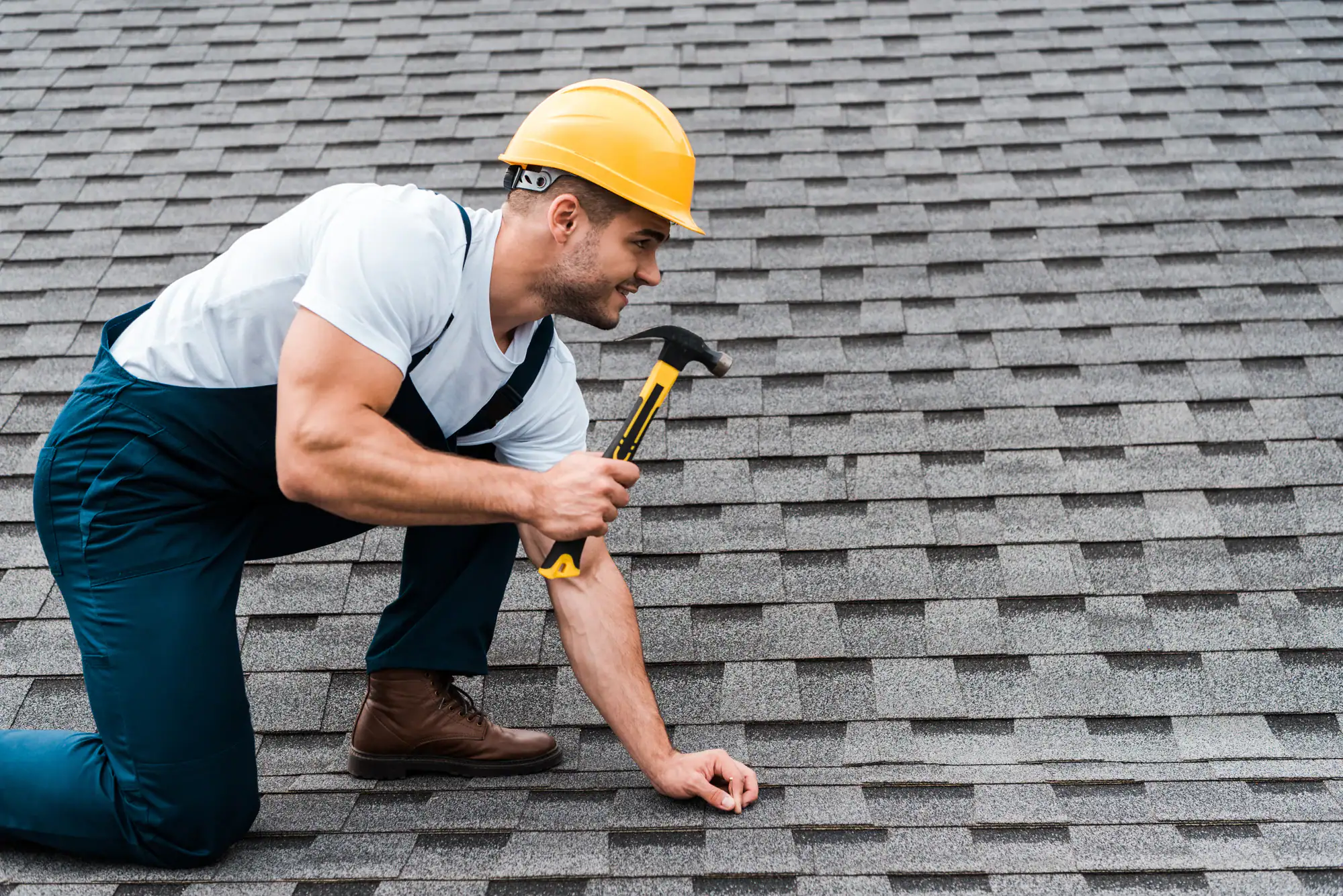
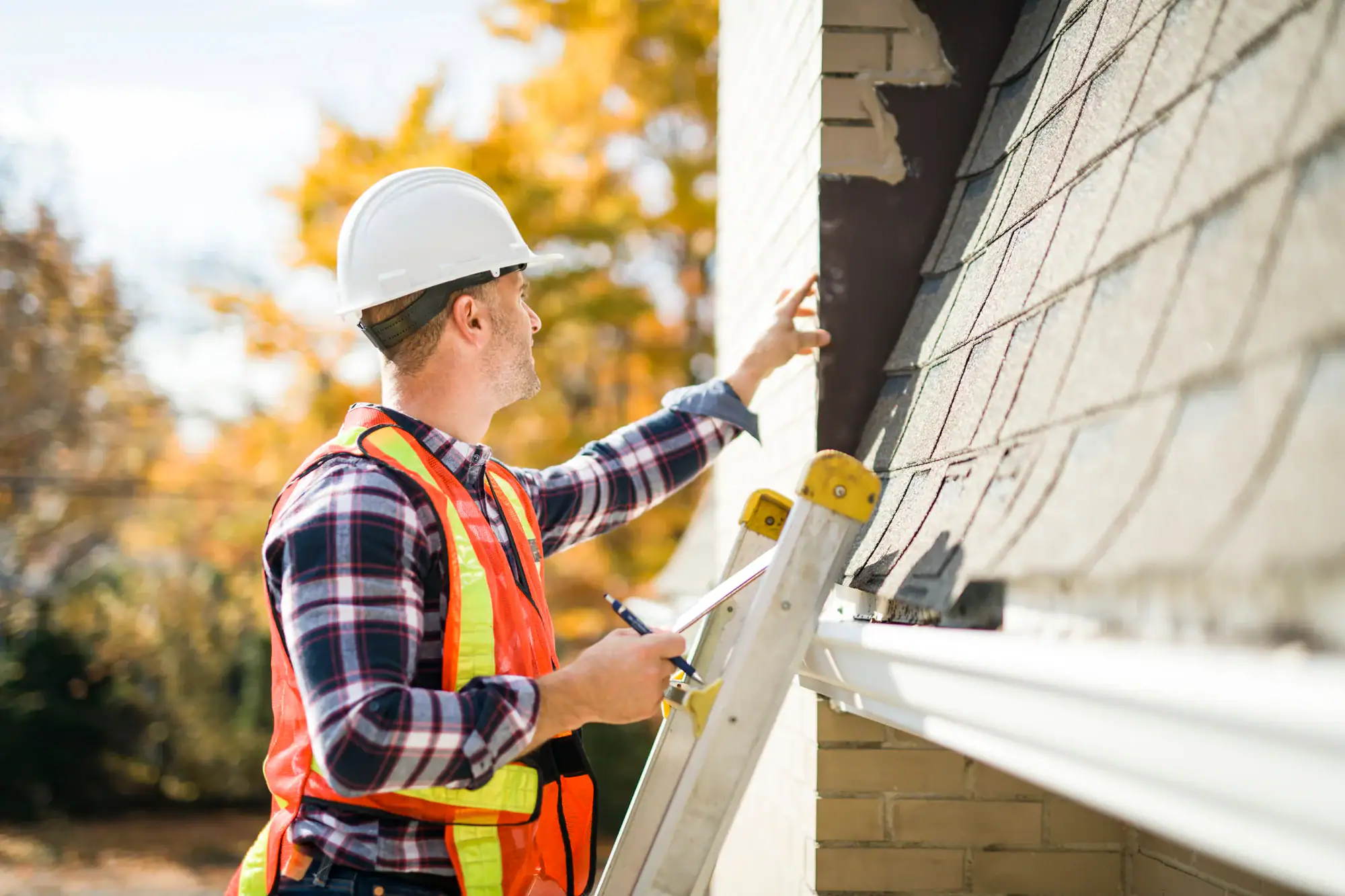
It starts with a free inspection. A member of our own certified crew comes out to your property — not a subcontractor, not a third-party assessor — and does a thorough evaluation of the roof. For properties in the Seven Hickories area, that typically means looking beyond just the shingles. Homes here often include detached garages, outbuildings, covered porches, and agricultural structures, all aging on the same timeline as the main house. Everything gets looked at.
After the inspection, you get a clear, written scope of what’s needed. If it’s a repair, you’ll know exactly what’s being repaired and why. If the roof is closer to end of life, that conversation happens honestly — not as a sales pitch, but as a practical assessment. The goal is to give you the information you need to make a smart decision, not to push you toward the most expensive option.
Once you approve the work, we handle everything in-house. For larger projects in Kent County, that includes pulling any required building permits through the county’s permitting system — something not every contractor bothers with, especially out-of-area storm chasers who skip the process entirely. After the job is done, the site gets cleaned up thoroughly, and your warranty documentation — both the manufacturer’s material warranty and our own workmanship warranty — is handed over before the crew leaves. No loose ends.
Ready to get started?
Roof repair for a Seven Hickories property isn’t the same conversation you’d have in a suburban subdivision. Properties here average over 5 acres, and many homeowners are managing multiple rooflines — not just the main house. We handle residential roofing across the full range: shingle repair and replacement, flashing repair, leak diagnosis and remediation, storm damage repair, and emergency services when a situation can’t wait. We also work with commercial roofing systems including TPO and flat-roof structures, which is relevant for agricultural outbuildings and larger rural properties in this corridor.
For storm damage specifically — and given the open farmland exposure around Seven Hickories, that’s a real and recurring issue — we also provide insurance claims assistance. That means help documenting the damage, working through the adjuster process, and making sure you’re not left navigating a complicated claim on your own. This is one of the more meaningful things a contractor can do for a homeowner after a hail or wind event, and it’s not something most competitors in this area offer.
Kent County requires a building permit when roof work involves replacing more than 25% of the sheathing or changing the roof material type. We’re a properly registered Delaware contractor and handle the permitting process as part of the job. Financing is also available for homeowners who need to spread the cost of a larger repair or full replacement — because a damaged roof shouldn’t have to wait on a budget cycle. Free estimates are always the starting point, with no obligation to move forward.
This is the most common question homeowners in this area face, and the honest answer is that it depends on a few specific factors — the age of the roof, how much of it is affected, and what’s happening underneath the surface. For homes in the Seven Hickories area that were built around 1979, the roof is approximately 45 years old. Even if it looks passable from the ground, the underlying decking, flashing, and underlayment may have deteriorated significantly. A professional inspection is the only reliable way to know what you’re actually dealing with.
A general guideline used in the industry is the 30% rule: if more than 30% of the roof needs work, replacement often makes more financial sense than ongoing repairs. But that threshold only means something if the inspection is done by someone who will give you a straight answer rather than default to the more expensive option. Our GAF-certified inspection process identifies exactly what’s needed — and if a repair is the right call, that’s what you’ll hear.
It depends on your policy, the cause of the damage, and how well the damage is documented. In general, homeowners insurance covers sudden, storm-related damage — hail, wind, falling trees — but may not cover deterioration from age or lack of maintenance. Given that the Dover area has had hail detected by Doppler radar on 37 occasions in the past 12 months, storm-related claims are a real and recurring issue for homeowners in Seven Hickories and the surrounding part of Kent County.
The challenge is that insurance companies and adjusters have their own process, and it’s easy to miss damage or under-document a claim without knowing what to look for. We provide insurance claims assistance as part of our storm damage service — meaning we help you document the damage properly, communicate with your adjuster, and understand what your policy actually covers before any work begins. That guidance can make a significant difference in the outcome of a claim.
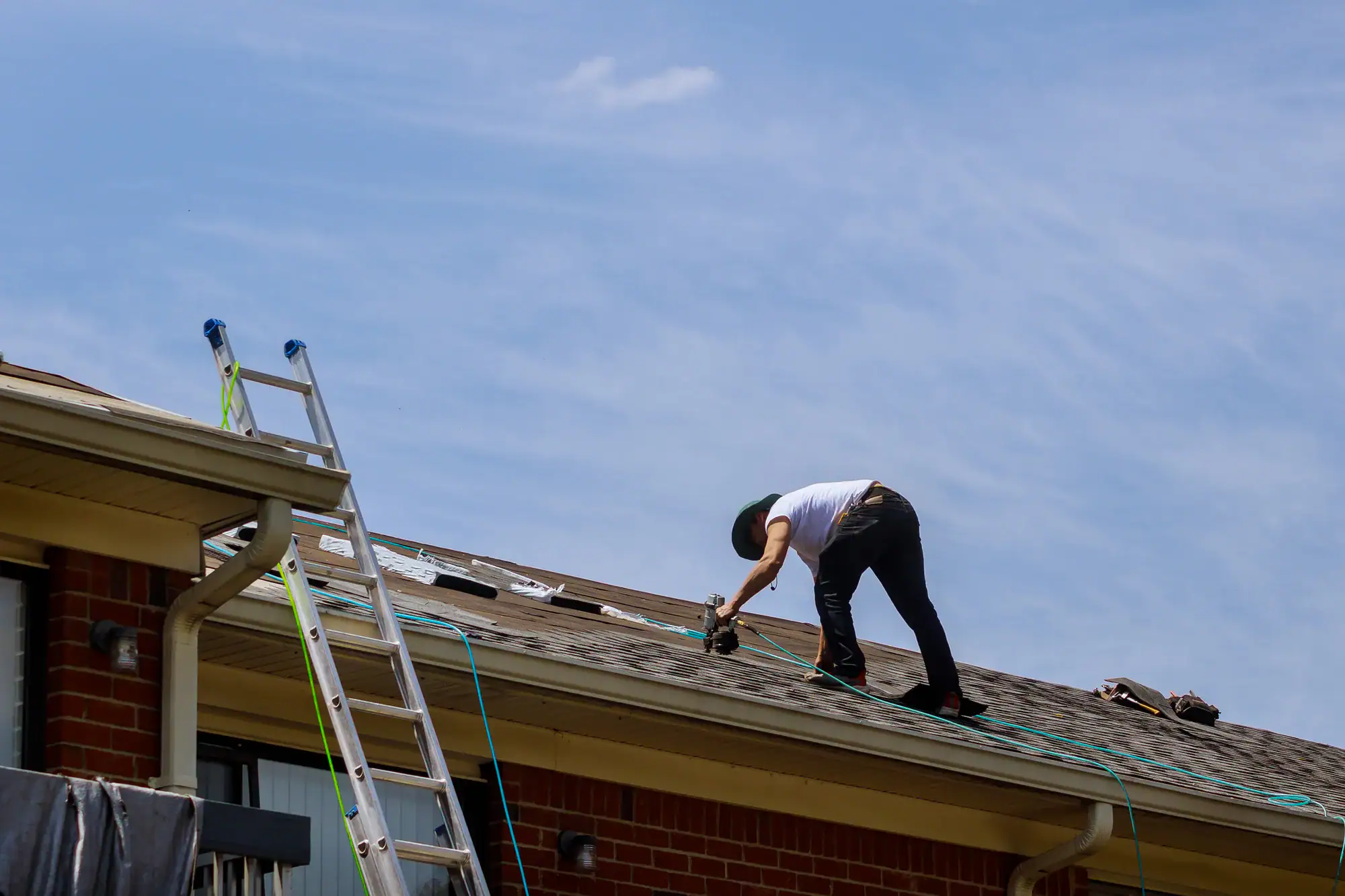
For most standard repairs — replacing damaged shingles, repairing flashing, sealing a leak source — the work itself usually takes anywhere from a few hours to a full day, depending on the scope and the size of the roofline. Properties in the Seven Hickories area often include multiple structures beyond the main house, so if outbuildings or detached garages are being addressed in the same visit, that adds time.
Larger projects that require a Kent County building permit — typically those involving replacing more than 25% of the roof sheathing or changing the roof material — will add some lead time to the front end of the process while the permit is processed. We handle the permitting as part of the job, so you don’t have to navigate that on your own. Once the permit is in place and the crew is on-site, the work moves efficiently because everything is managed in-house with no subcontracting handoffs slowing things down.
For homes built around 1979 — which describes most of the housing stock along Seven Hickories Road — the most common causes of roof leaks are flashing failures, shingle deterioration, and compromised underlayment. Flashing is the metal that seals roof transitions around chimneys, vents, skylights, and valleys. Over decades of freeze-thaw cycles and thermal expansion, it works loose, cracks, or separates from its sealant. When that happens, water finds its way in long before you see any visible damage inside.
Shingle deterioration is the other major factor. Asphalt shingles have a rated service life of 20 to 25 years. On a 45-year-old home, even a second-generation roof is aging out. Add the exposure factor — Seven Hickories sits in open farmland with no windbreak, meaning UV exposure and wind stress are higher than in wooded or sheltered areas — and shingles break down faster than their rated lifespan suggests. The freeze-thaw cycle through central Delaware winters accelerates this further, causing cracking and granule loss that shows up as leaks during the first heavy rain.
Waiting on a small leak is one of the more costly decisions a homeowner can make. What looks like a minor stain on a ceiling is often the visible end of a water path that started much further up the roof system. By the time you can see it inside, the water has likely already saturated insulation, begun working into wood decking, and potentially started the conditions for mold growth. In a rural property with older construction — common in the Seven Hickories area — the framing and decking materials are already decades old and absorb moisture faster than newer materials would.
The cost difference between addressing a leak early versus after it’s been spreading for a season or two is significant. A targeted repair on a localized problem might run a few hundred to a few thousand dollars. Once water damage has spread into the decking or structural framing, you’re looking at a much larger project that may involve interior remediation on top of the roofing work itself. Getting a free inspection scheduled as soon as you notice something is always the smarter move.
After a significant storm event, out-of-area contractors show up in rural Kent County communities like Seven Hickories looking for quick work. Some are legitimate. Many are not. The problem is that it’s hard to tell the difference at the door, especially when you’re dealing with a fresh leak and the pressure to act fast. Delaware law requires contractors to be registered with the state’s Department of Labor before they can legally pull building permits in Kent County. Storm chasers who skip the permit process leave homeowners with unwarranted work — meaning no official inspection, no documented compliance, and potential complications with insurance or future property sales.
We’re a properly registered Delaware contractor with over 22 years of operation in this state, GAF Master Elite certification, BBB accreditation, and a physical base in Smyrna — 7 miles from Seven Hickories along Route 15. That’s a verifiable, accountable local presence, not a temporary crew working the area after a storm. Every job comes with written warranty documentation, in-house crews, and a contractor who will still be here after the work is done.
Other Services we provide in Seven Hickories