Why Felt Roof Damage Demands Immediate Action
Felt roof damage requires immediate repair because even a small puncture allows water to reach the roof deck within a single storm cycle, accelerating rot and mold growth. Homeowners who start searching for felt roof repair near me are usually responding to active leaks, visible sagging, or unexplained interior moisture. For Delaware properties, the most efficient way to stop this progression is to schedule prompt, professional service through a dedicated roof repair and replacement roofing contractor. As First State Roofing & Exteriors, we are a local, family-owned company that documents every repair with photos and clear explanations so you understand exactly what is happening to your roof.
If you see signs of a leak:
- Identify the source: Look for damp ceilings, sagging roof areas, or visible tears in the felt.
- Mitigate damage: Place buckets under leaks and, if safe, cover exterior damage with a tarp.
- Call a professional: Contact a licensed, insured contractor for emergency service.
- Schedule an inspection: Get a free, thorough assessment to determine the full extent of the damage.
Most felt roof repairs cost between $380 and $1,800, with emergency work often completed in 24–48 hours. Acting fast is critical, as minor leaks can become major structural problems. As a Delaware-based contractor, we understand how our coastal weather—from summer heat to winter freeze-thaw cycles—affects roofing materials. This local expertise ensures our repairs are tailored to regional conditions and reduce the risk of repeat leaks.
I’m Richard McCain, owner of First State Roofing & Exteriors. With over 20 years of experience helping Delaware property owners, my team and I have handled everything from small punctures to complete flat roof restorations. Our estimates are written, detailed, and easy to compare with other bids.
For immediate assistance and a free, no-pressure inspection, call us at (302) 222-4065. We offer free estimates, will assess the damage, explain your options, and provide an honest, itemized proposal.
Understanding Roof Felt: Your Home’s Unsung Hero
Roof felt, or roofing underlayment, is a critical layer of protection between your roof deck and the final roofing material, like shingles or tiles. It acts as a stealthy bodyguard, serving as a secondary water-resistant barrier. This defense is vital against wind-driven rain, snow, or ice dams, preventing water from seeping into your home if the primary roofing is compromised. Without it, water could easily penetrate the roof deck, leading to extensive damage.
Pitched vs. Flat Roof Felt Systems
The type of felt system used depends on the roof’s pitch.
- Felt for Pitched Roofs: On pitched roofs, felt underlayment is fastened to the deck before shingles are installed. It catches any water that gets past the primary roofing. While asphalt-saturated felt was common, modern synthetic underlayments are now popular for their superior durability and water resistance.
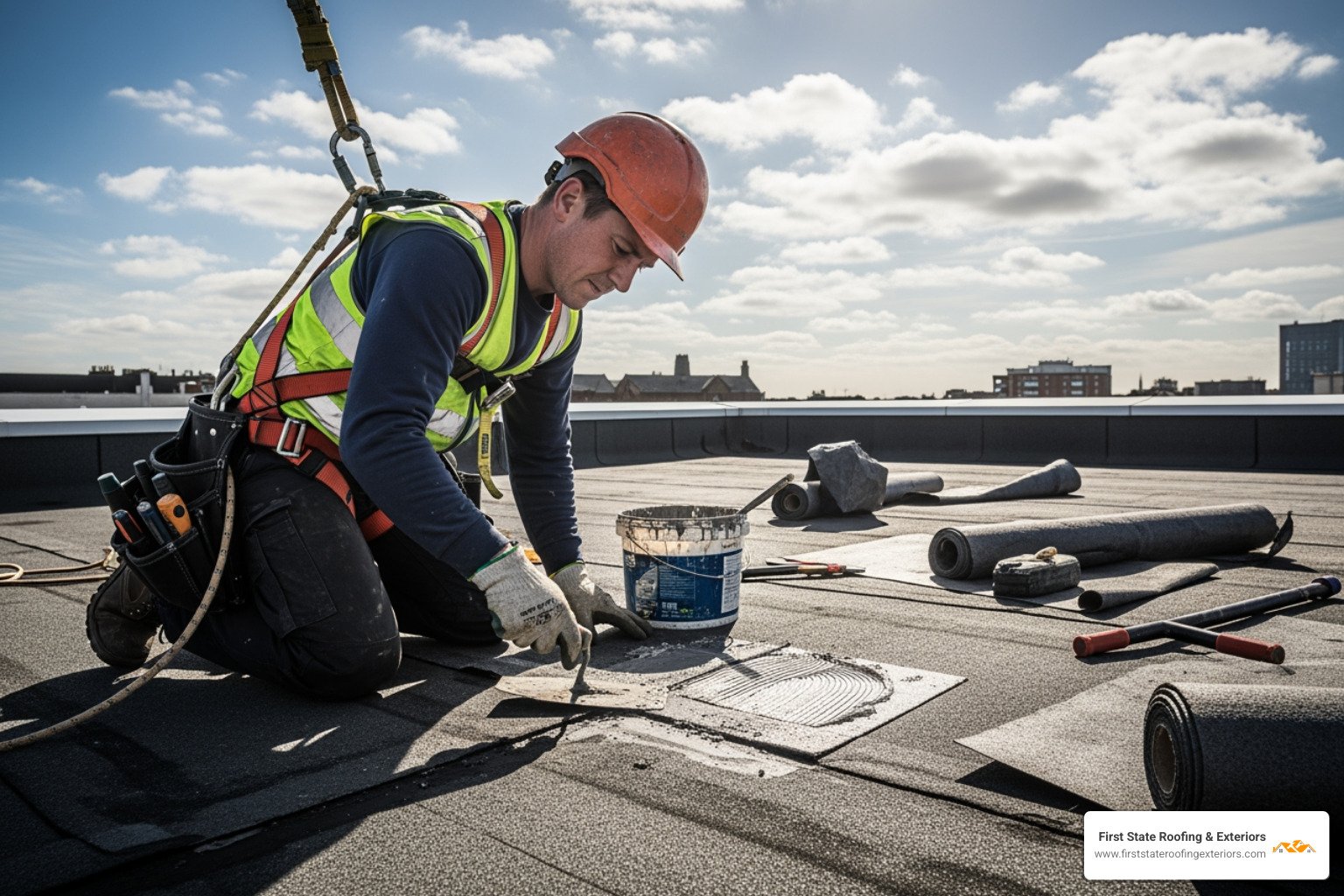
- Felt for Flat Roofs: For flat roofs, felt is often the primary waterproofing layer. Traditional Built-Up Roofing (BUR) systems use multiple layers of felt and asphalt. Modern torch-on felt systems (modified bitumen) involve heating rolls of bitumen-modified felt to fuse them onto the roof, creating a seamless, watertight membrane.
- Modern Roofing Material Options: Beyond traditional felt, homeowners in Dover and Smyrna, DE, have access to various modern roofing material options, including EPDM and TPO membranes. These single-ply systems offer excellent durability and are popular alternatives for flat roofs. You can find more information on commercial materials in resources like the GAF Commercial Roofing Catalog.
Why Roof Felt is Crucial for Your Property
Roof felt is a fundamental component of a resilient roofing system, especially in Delaware’s climate.
- Waterproofing: Its primary function is to stop water penetration.
- Secondary Defense: It protects the roof deck if the primary roofing is damaged, buying you time for repairs.
- Weather Protection: It provides extra resistance against wind-driven rain and ice dams.
- Fire Resistance: Certain felt types contribute to the roof’s overall fire resistance rating.
- Prolonging Roof Deck Life: By blocking moisture, felt prevents rot and mold, extending the roof’s structural lifespan.
Telltale Signs Your Felt Roof Needs Urgent Attention
Ignoring signs of a failing felt roof can lead to severe consequences, including structural rot, hazardous mold, and costly interior damage. Prompt action is essential to protect your home.
Common Signs of Damaged Roof Felt
Being vigilant for these indicators can save you significant expense:
- Damp Patches on Ceilings: Water stains or active drips are clear signs that water has breached the felt underlayment.
- Sagging or Rippling on Flat Roofs: Visible sagging or bubbling indicates trapped water beneath the felt, which can cause structural issues.
- Musty Odors in the Attic: A musty smell suggests mold or mildew from a hidden water intrusion.
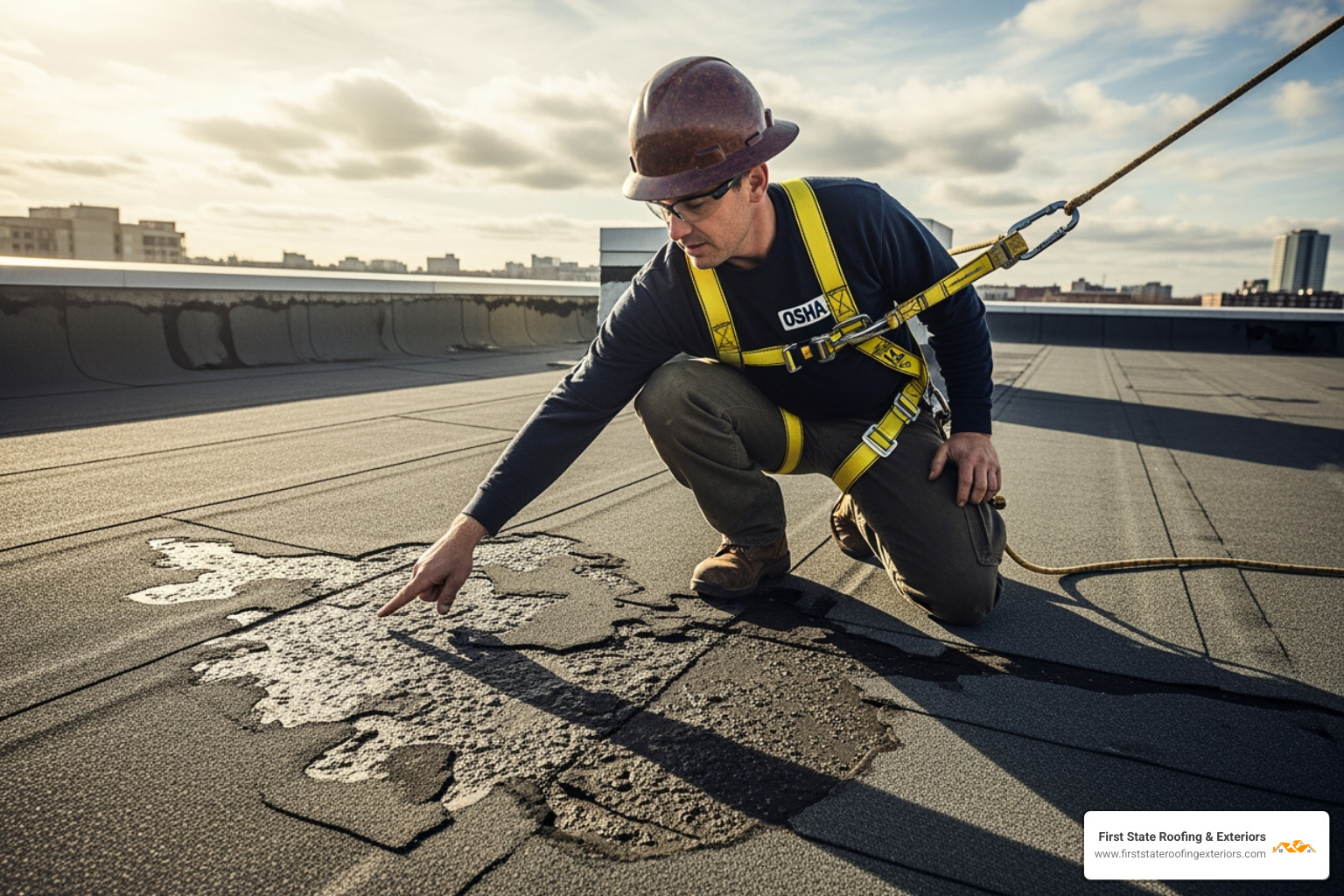
- Visible Tears or Cracks: Any visible punctures or cracks in the felt are direct entry points for water.
- Granules in Gutters: Excessive shingle granule loss indicates the underlayment is becoming more exposed to UV rays, accelerating its degradation.
- What to do about a leaky roof: If you see these signs, act quickly. Our guide on what to do about a leaky roof offers immediate steps to mitigate damage.
What Causes Felt Roofs to Fail?
Several factors contribute to felt degradation:
- UV Degradation: Sun exposure makes felt brittle and cracked, reducing its lifespan.
- Storm Damage: High winds, heavy rain, and hail can tear or puncture felt.
- Poor Initial Installation: Improper overlap or sealing creates vulnerabilities that lead to premature failure.
- Old Age: Felt naturally degrades over time and loses its protective qualities.
- Freeze-Thaw Cycles: Water seeps into small cracks, freezes, expands, and widens the damage.
- Foot Traffic: Walking on a felt roof can cause punctures and weak spots.
- Blistering and Alligatoring: On flat roofs, trapped moisture causes blisters that can crack, creating a pattern resembling alligator skin, which signals severe degradation.
The Professional Felt Roof Repair Process Explained
When you suspect your felt roof needs attention, a professional repair is the most reliable path to a lasting solution. Understanding our systematic process helps you know what to expect when you entrust us with your roofing needs. We believe in transparency and keeping our clients informed every step of the way.
The Step-by-Step Guide to felt roof repair near me
- Step 1: Thorough Inspection
Our process begins with a comprehensive inspection of your entire roof system. Our technicians examine the felt, primary roofing material, flashing, and gutters for visible damage like tears or blisters, while also assessing underlying issues like moisture and rot in the attic. - Step 2: Diagnosis and Estimate
After the inspection, we provide a clear diagnosis and a detailed, no-pressure estimate. This outlines the recommended repairs, materials, and costs, ensuring you understand the proposed solution and whether a repair or replacement is more cost-effective. - Step 3: Precision Repairs
Our certified technicians perform repairs using industry best practices. For minor tears, we clean, apply adhesive, and patch the area. For larger damage on flat roofs, we may replace the compromised section down to the deck, installing new felt layers to create a seamless, watertight bond. We also correct issues like blistering and sagging to ensure proper drainage. - Step 4: Quality Check & Cleanup
Once the repair is complete, we conduct a final quality check to ensure the work is watertight and secure. We then perform a thorough site cleanup, removing all debris and leaving your property tidy. We often provide before-and-after photos for your records and insurance documentation.
Materials and Maintenance for Longevity
The quality of materials and consistent maintenance are paramount for extending the life of your felt roof.
- High-Performance Materials: We use durable, high-performance felt and modified bitumen membranes designed for Delaware’s weather, along with professional-grade bitumen adhesives and sealants for strong, watertight bonds.
- Commercial-Grade Options: For larger projects, we consult resources like the GAF Commercial Roofing Catalog to use the most effective commercial-grade systems.
- Proactive Maintenance: Regular professional inspections are key to catching minor issues early. Keeping gutters clean and removing debris from the roof surface also prevents water backup and moisture buildup, which can accelerate felt degradation.
For homeowners compiling repair histories or budgeting for future work, recording inspection dates, recommended maintenance, and completed repairs in a simple spreadsheet creates a useful dataset that tracks roof performance over time.
Cost vs. Longevity: When to Repair or Replace Your Felt Roof
The decision to repair or fully replace your felt roof involves weighing the upfront cost against long-term value. Our goal is to help you make an informed choice that provides the best protection for your home in Dover or Smyrna, DE.
Understanding the Cost of Felt Roof Repair
When searching for felt roof repair near me, understanding the financial aspect is crucial.
- Average Repair Costs: Most roofing repairs range from $380 to $1,800, with an average project cost of around $1,100. This varies based on the felt system and damage severity.
- Factors Affecting Price: The final cost depends on the extent of the damage, roof size, material type, and accessibility. If the underlying roof deck is damaged, those repairs will add to the overall expense.
- Get a breakdown of roof repair prices: For a more detailed look at costs, explore our complete guide to roof repair prices.
Repair vs. Replacement: Making the Right Call
Sometimes a repair is a temporary fix when a full replacement is needed. This table can help you decide:
| Scenario | Roof Age (Approx.) | Damage Extent | Number of Previous Repairs | Recommendation |
|---|---|---|---|---|
| Minor Leak | < 10 years | Isolated tear, small blister, single puncture | 0-1 | Repair |
| Moderate Damage | 10-15 years | Several small leaks, localized blistering | 1-2 | Repair/Evaluate |
| Widespread Failure | 15+ years | Multiple leaks, extensive alligatoring, brittleness | 3+ | Replacement |
| Structural Issues | Any age | Sagging deck, significant rot | N/A | Replacement |
Consider a full roof replacement if:
- Your roof is over 15 years old: Most felt roofs have a 10–20 year lifespan. An older roof is prone to widespread failure, making repairs less cost-effective.
- Damage is widespread: If large sections show blistering, cracking, or brittleness, patching one area will likely lead to another failing soon.
- You have multiple leaks: Numerous leaks indicate the roof’s overall integrity is compromised. Chasing leaks can become more expensive than a replacement.
A new roof provides a warrantied system with superior protection and predictable performance. If you’re considering replacement, tools like the CertainTeed ColorView AI Home Visualizer can help you model different material and color options on your home and document those choices for future resale conversations.
How to Find the Best Felt Roof Repair Near Me
Finding a trustworthy and skilled roofer is the single most important step in ensuring a quality felt roof repair that lasts. With so many options, how do you choose the right partner for your home in Dover or Smyrna, DE? We believe in empowering you with the knowledge to make the best decision.
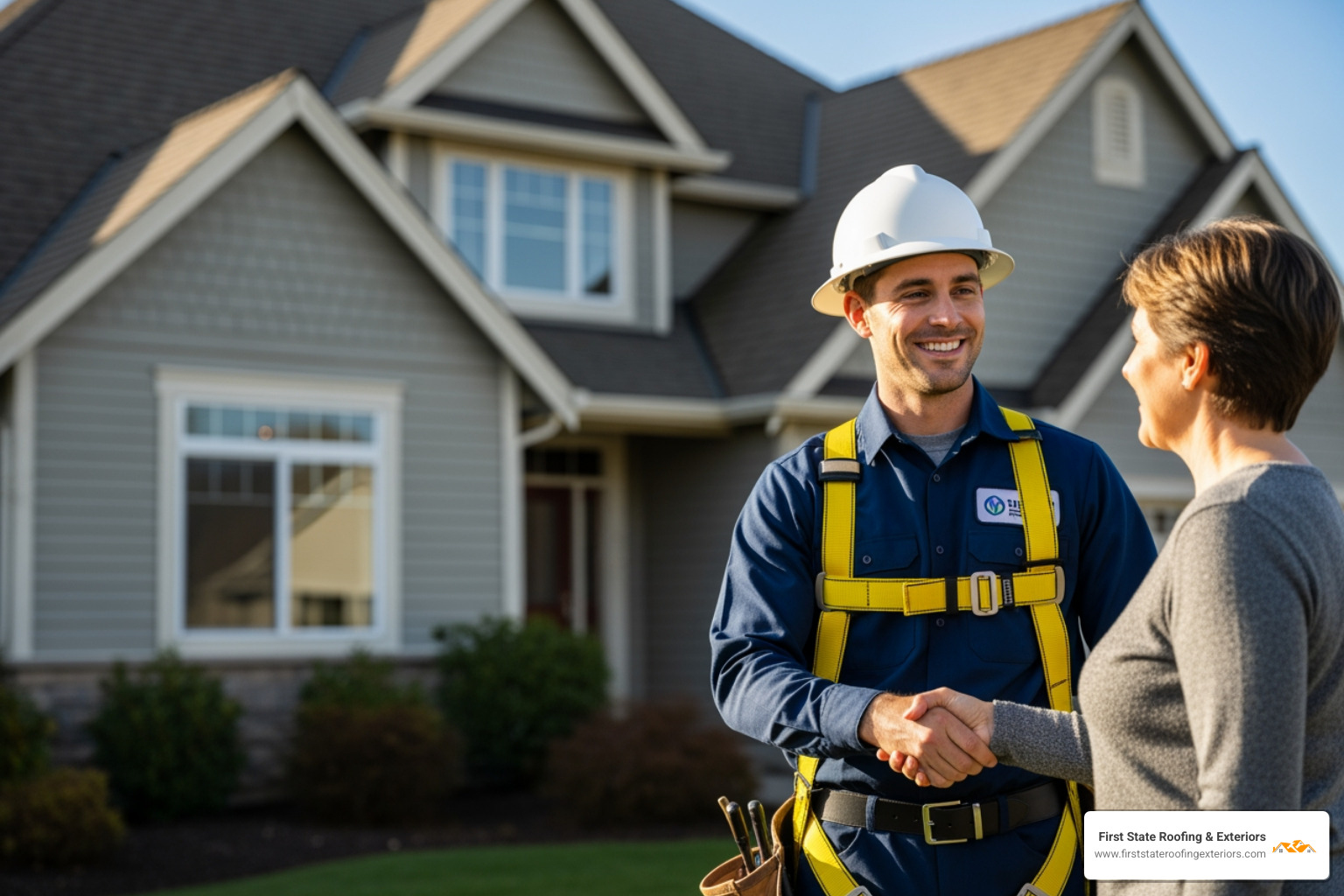
What to Look for in a Contractor for felt roof repair near me
Do not rely on price alone or the first name you find online. Use this checklist to vet potential roofing contractors:
- Licensed & Insured: This is non-negotiable. A licensed contractor adheres to industry standards and local regulations. Insurance (liability and workers’ compensation) protects you from financial responsibility if accidents occur on your property. Always ask for proof and verify.
- Manufacturer Certifications (e.g., GAF, CertainTeed): Reputable manufacturers like GAF and CertainTeed offer certifications to roofers who meet strict training and quality standards. These certifications often allow contractors to offer extended warranties on materials and workmanship. For example, GAF Master Elite® Certified roofers are among the top 3% in the U.S. This signifies a commitment to quality and ongoing education.
- Positive Online Reviews: Check platforms like Google, Yelp, and industry-specific review sites. Look for patterns in feedback regarding professionalism, communication, quality of work, and adherence to timelines and budgets.
- Local References: Ask for references from past clients in your area. A local roofer with satisfied neighbors is a strong indicator of reliability.
- Why hiring a certified roofer matters: Choosing a certified roofer means you’re working with professionals who are trained in the latest techniques and products, ensuring your repair meets the highest standards. Learn more about why hiring a certified roofer matters.
The Advantages of Hiring a Local Roofer
When it comes to something as critical as your roof, local expertise offers distinct benefits that national chains often can’t match:
- Faster Emergency Response: When a storm hits or a sudden leak appears, a local roofer can respond much more quickly. For residents in Dover, Smyrna, and surrounding Delaware communities, our team is already nearby, ready to provide rapid assistance.
- Knowledge of Local Codes: Local contractors are intimately familiar with the specific building codes and regulations in areas like Smyrna, DE. This ensures your repair is compliant and avoids potential issues down the road.
- Community Reputation: Local businesses thrive on their reputation within the community. We are your neighbors, and our commitment to quality and integrity is reflected in every job we do.
- Supporting Local Business: Choosing a local roofer keeps money within your community, strengthening the local economy.
- Understanding of Regional Weather Patterns: We understand the unique challenges our Delaware climate poses—from humid summers that can degrade materials to the freeze-thaw cycles of winter. This local knowledge translates into repair solutions specifically customized to withstand our regional weather.
Frequently Asked Questions about Felt Roof Repair
We hear a lot of questions about felt roof repair, and we’re always happy to provide clear, expert answers. Here are some of the most common inquiries we receive:
Can roof felt be repaired on historic properties?
Yes, absolutely! Repairing felt on historic homes requires specialized care and a delicate touch to protect original structures and materials, which might include unique decking or even historic slate or clay tiles above the felt underlayment. A roofer experienced with historic properties will use appropriate techniques and materials that respect the building’s integrity, ensuring a durable, seamless repair without compromising its historical character. We understand the value and unique needs of older homes in Delaware.
How long does a typical felt roof repair last?
The longevity of a felt roof repair depends on several key factors: the quality of materials used, the skill and experience of the installer, and most importantly, the overall condition and age of the existing roof. A professional patch on a relatively new roof (under 10 years old) with good overall integrity can last for many years, often blending seamlessly with the surrounding material. However, a temporary fix on an old, brittle, or extensively degraded roof may only last a season or two before other areas begin to fail. Think of it this way: you can patch a worn-out tire, but it won’t last as long as a patch on a nearly new one.
Are there modern alternatives to traditional felt?
Yes, the roofing industry has seen significant advancements! While traditional asphalt-saturated felt still has its place, many modern alternatives offer superior performance. Advanced synthetic underlayments, for example, boast improved tear resistance, better water protection, and significantly longer lifespans than older felt products. For flat roofs, materials like EPDM, TPO, and modified bitumen membranes are highly durable, flexible, and offer excellent waterproofing capabilities. Your contractor can recommend the best option for your specific professional roof repair services, considering your roof type, budget, and desired longevity.
Conclusion: Secure Your Home with a Professional Felt Roof Repair
A damaged felt roof is a serious threat to your home’s structural integrity, but it is a problem that can be solved effectively with professional help and timely action. Recognizing early warning signs like damp spots, musty odors, or roof sagging is the first step toward preventing major structural decay.
At First State Roofing & Exteriors, we are your local, family-owned Delaware roofing experts. We provide lasting solutions with the integrity, transparency, and 24/7 availability your home deserves. Our team offers free written estimates, photo-documented findings, and clear repair or replacement options custom to your roof’s actual condition.
To secure your home with a quality felt roof repair and get a free, no-obligation inspection, call us at (302) 222-4065 or request service online. We offer free estimates. Don’t wait for a minor issue to escalate into a costly disaster – take action now to protect your property.