
Hear from Our Customers
When you’re living in a home built in the early 1970s, the siding has already done its job — and then some. Vinyl from that era was designed to last 20 to 40 years. Fiber cement, maybe 50. If your Pleasanton Acres home hasn’t had a full exterior update since it was built, you’re not dealing with a cosmetic issue anymore. You’re dealing with decades of moisture, freeze-thaw cycles, and bay-driven humidity working quietly behind panels that look fine from the curb.
Pleasanton Acres sits about three miles from the Little Creek Wildlife Area and Delaware Bay. That proximity matters more than most homeowners realize. The moisture that rolls in off the bay doesn’t just affect how your siding looks — it works into every gap, every failed seam, every spot where caulk has dried and cracked over the years. Mold, rot, and water infiltration don’t announce themselves. They compound slowly until someone pulls a panel and shows you what’s underneath.
New siding with a proper moisture barrier changes that picture entirely. Your walls are sealed, your substrate is protected, and you’re not gambling on what the next nor’easter might expose. The 2024 Cost vs. Value Report puts fiber cement siding at an 88% cost recoupment rate at resale, and vinyl at roughly 80%. In a neighborhood where homes are listing in the $449,900 range, that’s meaningful. More importantly, you stop losing ground on a home you’ve invested in for years.
We’re based in Smyrna, about 20 miles up Route 13 from the Pleasanton Acres corridor. We’ve been working on Kent County homes for over 22 years — which means we’ve pulled siding off a lot of 1970s colonials and seen exactly what time, humidity, and coastal weather do to the structure underneath. That experience isn’t something you can shortcut.
Every project is handled entirely by our own trained, insured crew. We don’t hand your job off to a subcontractor. The team that shows up on day one is the team that finishes the job and cleans up when it’s done. We’re BBB accredited with an A+ rating, licensed and insured in Delaware, and we carry 5.0 out of 5 stars across 63-plus verified reviews — not because we ask nicely, but because we do what we said we’d do.
Melissa and Richard McCain own and operate this business. When something goes wrong — or when you just have a question mid-project — there’s a real person accountable for the answer.
It starts with a free consultation and a detailed inspection of your current siding. For Pleasanton Acres homes, that inspection matters more than most homeowners expect. On a 50-plus-year-old colonial, we’re not just looking at surface condition — we’re evaluating what the old siding may have been hiding. Soft spots in the sheathing, signs of moisture intrusion, pest entry points, failed vapor barriers. You’ll know what we find before we touch anything, and you’ll have a written scope that covers the full project.
Once you’re ready to move forward, we handle the Kent County permit process for you. Pleasanton Acres falls under unincorporated Kent County jurisdiction, which means permits go through the county rather than a city building department. We know that process well, and we take it off your plate entirely. No navigating the county permit office, no wondering whether your project meets current building codes — that’s our job.
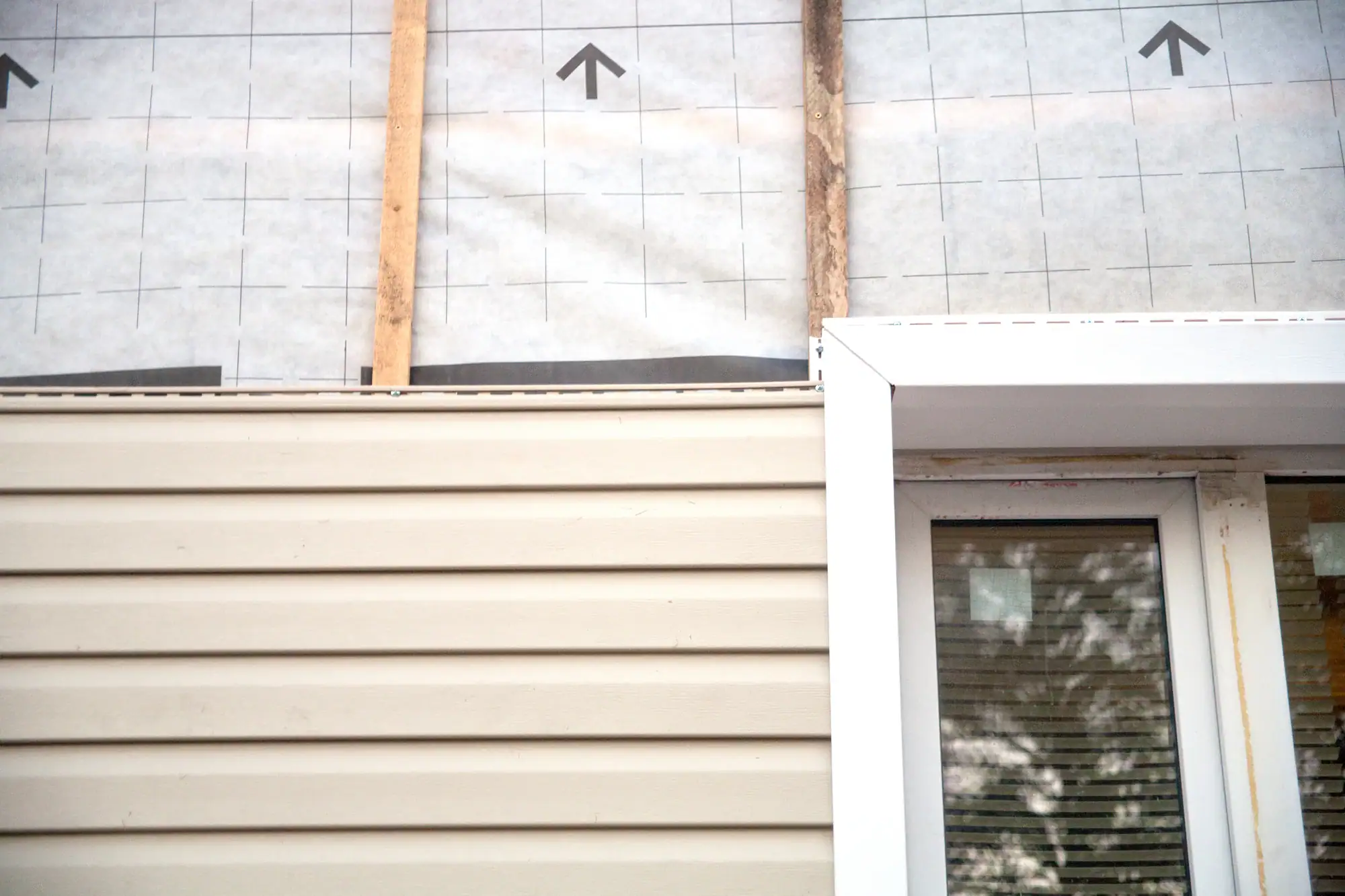
The installation itself typically runs two to five days depending on the size of your home and the material you choose. We install a moisture barrier as a standard part of every job — not an add-on — because homes in this part of Kent County, close to the bay corridor, need that layer of protection built in. When the crew leaves, the site is clean and the work is done right.
Ready to get started?
We install both vinyl and fiber cement siding, and we’ll help you choose based on your home’s specific situation — not on which product is easier for us to install. Vinyl is Delaware’s most popular choice for a reason. It’s moisture-resistant, it doesn’t rot, and it performs well against the wind and rain that come with living near the Delaware Bay corridor. Fiber cement — particularly James Hardie — is virtually immune to moisture problems and can last up to 50 years, which makes it a strong choice for homeowners who want to address this once and not think about it again.
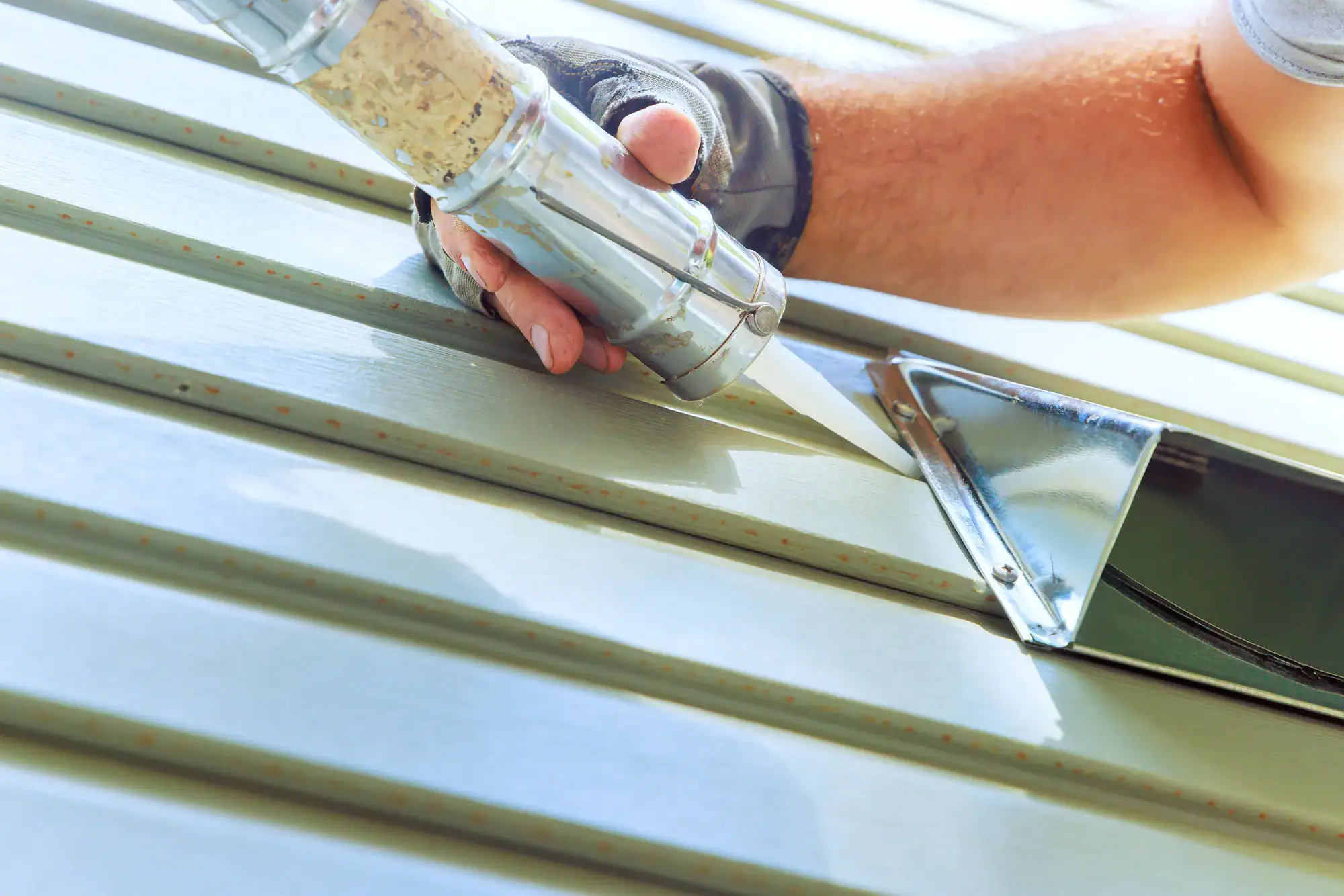
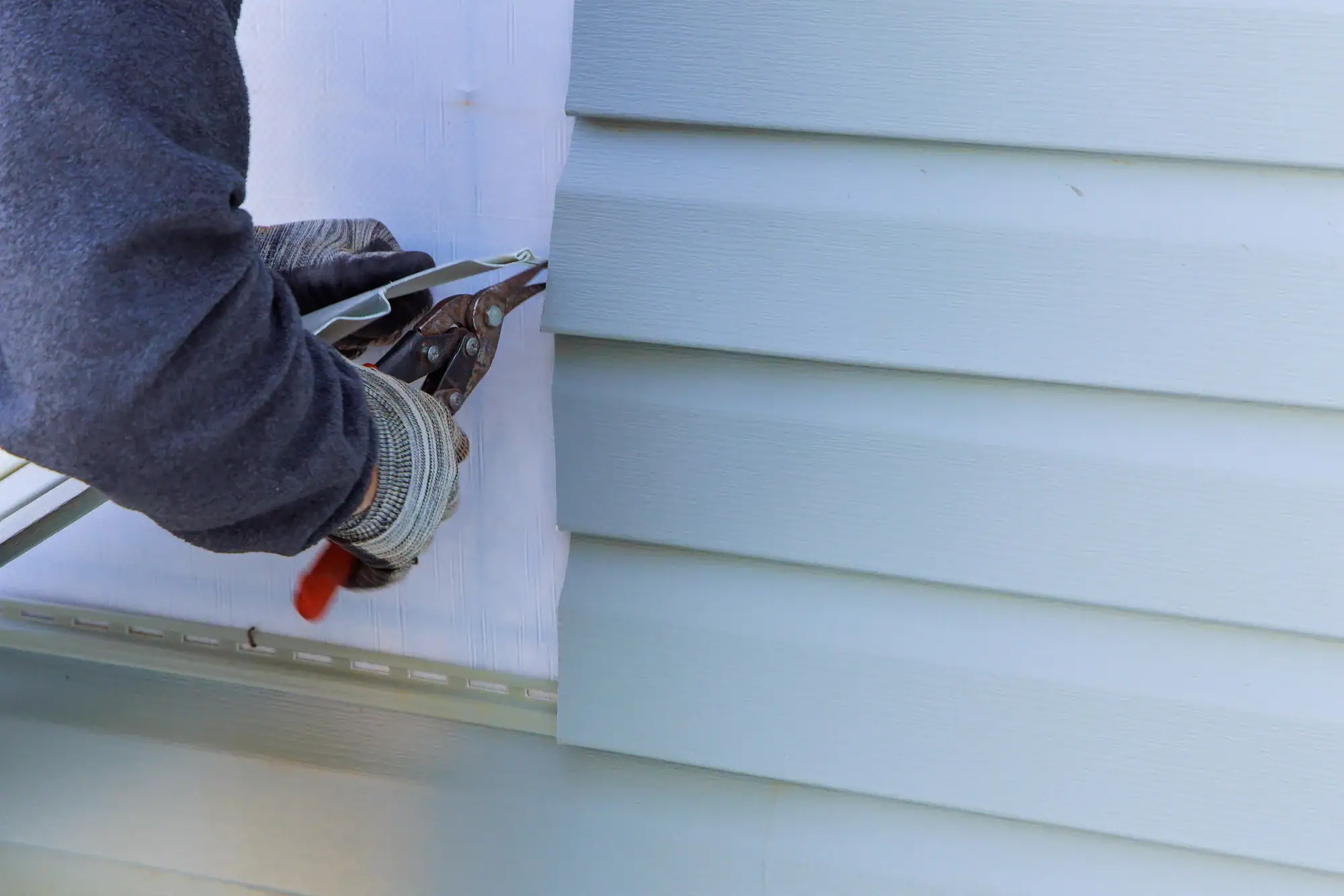
Every installation includes full removal of the old siding, moisture barrier installation, trim work, and weatherproof sealing at every seam. We don’t skip steps. For Pleasanton Acres homes with original 1970s exterior systems, the removal phase is especially important — it’s the only way to see the full condition of the substrate and address any rot or damage before new panels go up. If we find something unexpected underneath, we tell you immediately and walk you through your options in writing before proceeding.
We also offer financing for homeowners who want to move forward without waiting. A full siding replacement on a colonial-style home on a one-acre lot is a significant project, and financing makes it possible to protect your home now rather than letting the problem grow. If your siding damage is storm-related, we provide insurance claims assistance as well — helping you document the damage and work through the process with your adjuster.

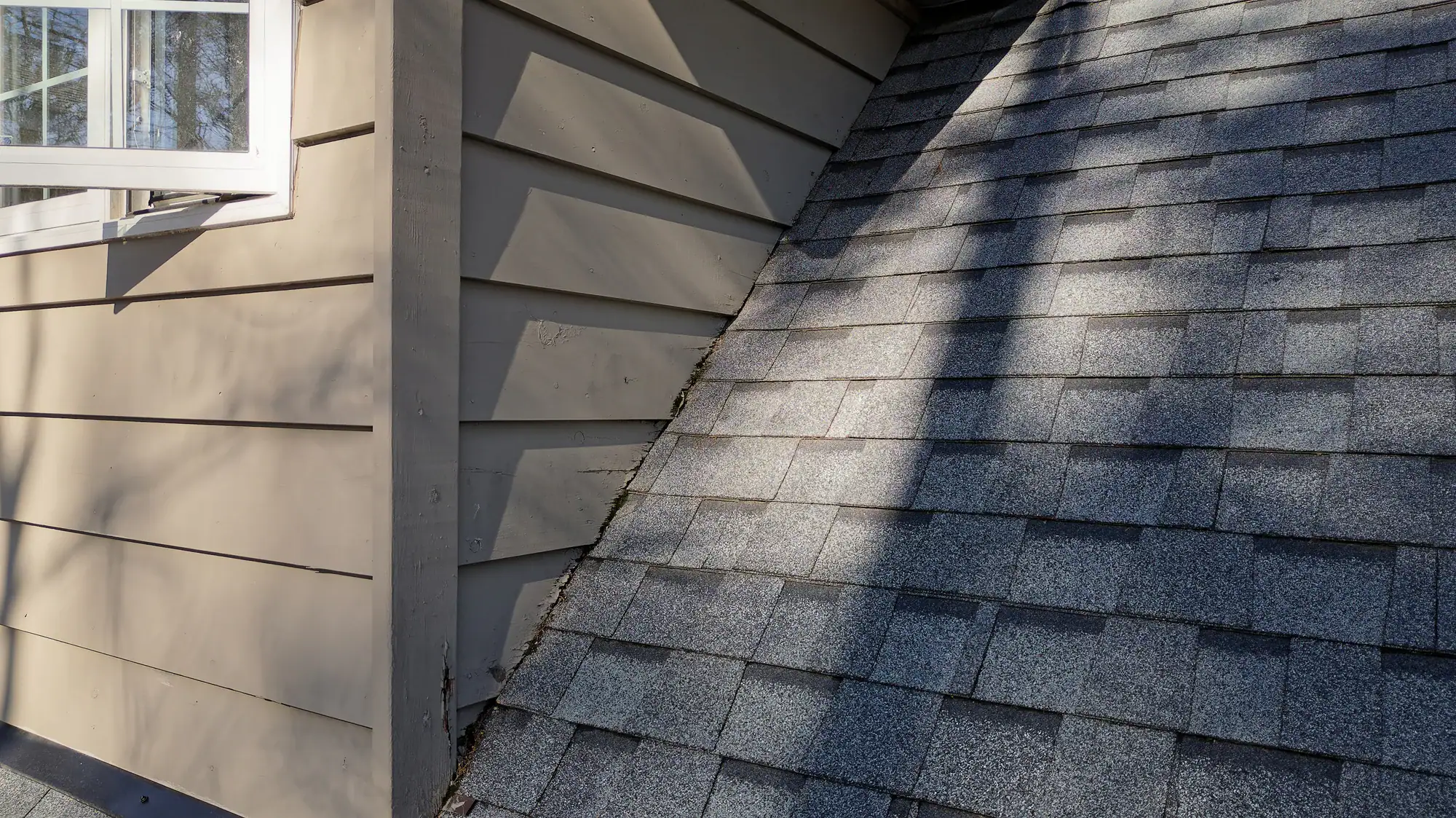
The honest answer is that on a home built in the early 1970s, the more useful question is what condition the siding is in — not whether it needs replacing eventually. Vinyl siding has a documented lifespan of 20 to 40 years. If your Pleasanton Acres home’s exterior has never been updated, it’s already past that window.
Visible signs like cracking, warping, fading, or panels that have come loose are obvious flags. But the more serious issues — moisture behind the substrate, rot in the sheathing, mold that’s been building for years — aren’t visible from the outside. That’s why the inspection matters. A free consultation with us isn’t a sales pitch — it’s a real look at what’s going on. We’ll tell you what we find, show you the problem areas, and give you an honest assessment of whether you need a full replacement, targeted repairs, or something in between. There’s no pressure and no obligation to move forward on the spot.
Both vinyl and fiber cement perform well in Delaware’s climate, but they do it differently. Vinyl is moisture-resistant by nature — it doesn’t absorb water, it doesn’t rot, and it holds up well against the kind of sustained humidity that comes with living near the Delaware Bay corridor. For most homeowners in the Pleasanton Acres area, vinyl is a practical, durable choice that handles the local climate without requiring significant maintenance.
Fiber cement — particularly James Hardie — takes it further. It’s designed to be virtually immune to moisture problems, and it carries a lifespan of up to 50 years. For a home this close to tidal wetlands and bay-driven moisture, fiber cement’s resistance to mold, warping, and weather damage is a meaningful advantage. It also holds paint better over time, which matters in a climate where UV exposure and humidity put constant stress on exterior finishes. We’ll walk you through both options based on your home’s specific exposure, condition, and budget.
Yes, in most cases a building permit is required for a full siding replacement. Because Pleasanton Acres is in unincorporated Kent County — not within an incorporated city or town — permits for exterior work go through Kent County’s building and permitting process rather than a municipal building department. That’s a distinction that matters, and it’s one that contractors who primarily work in Wilmington or New Castle County may not be as familiar with.
We handle the permit process for every siding project we take on in Kent County. You don’t have to figure out which forms to file, which inspections are required, or whether your project meets current building codes. We’re a registered Delaware contractor with 22-plus years of experience working specifically in this county, and managing permitting is part of the job. It’s also worth noting that skipping permits on a siding project can create problems when you sell — buyers’ inspectors and title companies do look for this.
Most siding installation projects run two to five days from start to finish. The actual timeline depends on the size of your home, the material you choose, and what we find once the old siding comes off. For Pleasanton Acres homes — which tend to be larger colonial-style houses on one-acre lots — you’re typically looking at more exterior surface area than a standard suburban subdivision home, which can push the timeline toward the higher end of that range.
If the inspection reveals rot, moisture damage, or structural issues in the substrate, addressing those properly adds time. We’ll always communicate that clearly before we proceed — you’ll know what was found, what it means, and how it affects the scope and schedule. We don’t rush through the substrate work to hit a faster finish date. Getting that layer right is what determines how well the new siding performs over the next 20 to 50 years, depending on the material.
It can, and more often than homeowners expect. Delaware gets hit regularly by nor’easters, summer storms, and the remnants of Atlantic hurricanes — and the Pleasanton Acres area, sitting in the corridor between Dover and the Delaware Bay, tends to see meaningful wind and rain exposure during those events. If a storm has cracked, dented, or torn panels off your home, that damage is frequently covered under a standard homeowners insurance policy.
The challenge is documentation and the claims process itself. Adjusters work quickly, and if damage isn’t properly identified and documented before they close the file, you may end up with a settlement that doesn’t cover the full scope of what needs to be replaced. We provide insurance claims assistance for storm-damaged siding — we help you document the damage thoroughly, communicate with your adjuster, and make sure the claim reflects what the job actually requires. You don’t have to navigate that process on your own.
The Dover area — like most of Delaware — sees an uptick in contractors showing up after major storms, particularly after nor’easters and hurricane-related events. Some of these crews are legitimate. Others are not local, not licensed, and not going to be reachable if something goes wrong six months later. The simplest filter is longevity: a contractor who has been operating in Kent County for over two decades has a reputation to protect and a community to answer to.
Beyond that, look for a few specific things. Verify that the contractor is registered with the Delaware Department of Labor’s Office of Contractor Registration — this is required by state law before any work begins, and it’s easy to check. Ask for proof of liability insurance and workers’ compensation coverage. Get a written, itemized estimate before you agree to anything — vague quotes are a red flag. Be cautious of anyone asking for a large upfront deposit; legitimate contractors typically require no more than 10% before work starts. We’re BBB accredited with an A+ rating, carry 5.0 out of 5 stars from 63-plus verified reviews, and have been serving Kent County homeowners from our Smyrna location for over 22 years. That track record is something you can verify before you ever make a call.
Other Services we provide in Pleasanton Acres