Why Finding the Right Felt Roofing Contractor Matters
When searching for felt roofing contractors near me, property owners find that felt remains one of the most affordable and reliable waterproofing solutions for flat or low-slope roofs. Whether you’re protecting a garage, shed, or commercial building, the difference between a roof that lasts 15+ years and one that fails within months comes down to the contractor. For those in Delaware, securing trusted local roofing expertise is the most critical step toward a durable, long-lasting result.
Here’s what to look for when hiring a felt roofing contractor:
- Licensed and insured in your state
- Local experience with your climate and building codes
- Manufacturer certifications for quality materials
- Transparent pricing with detailed written estimates
- Strong reviews and verifiable local references
- Written warranties on both materials and workmanship
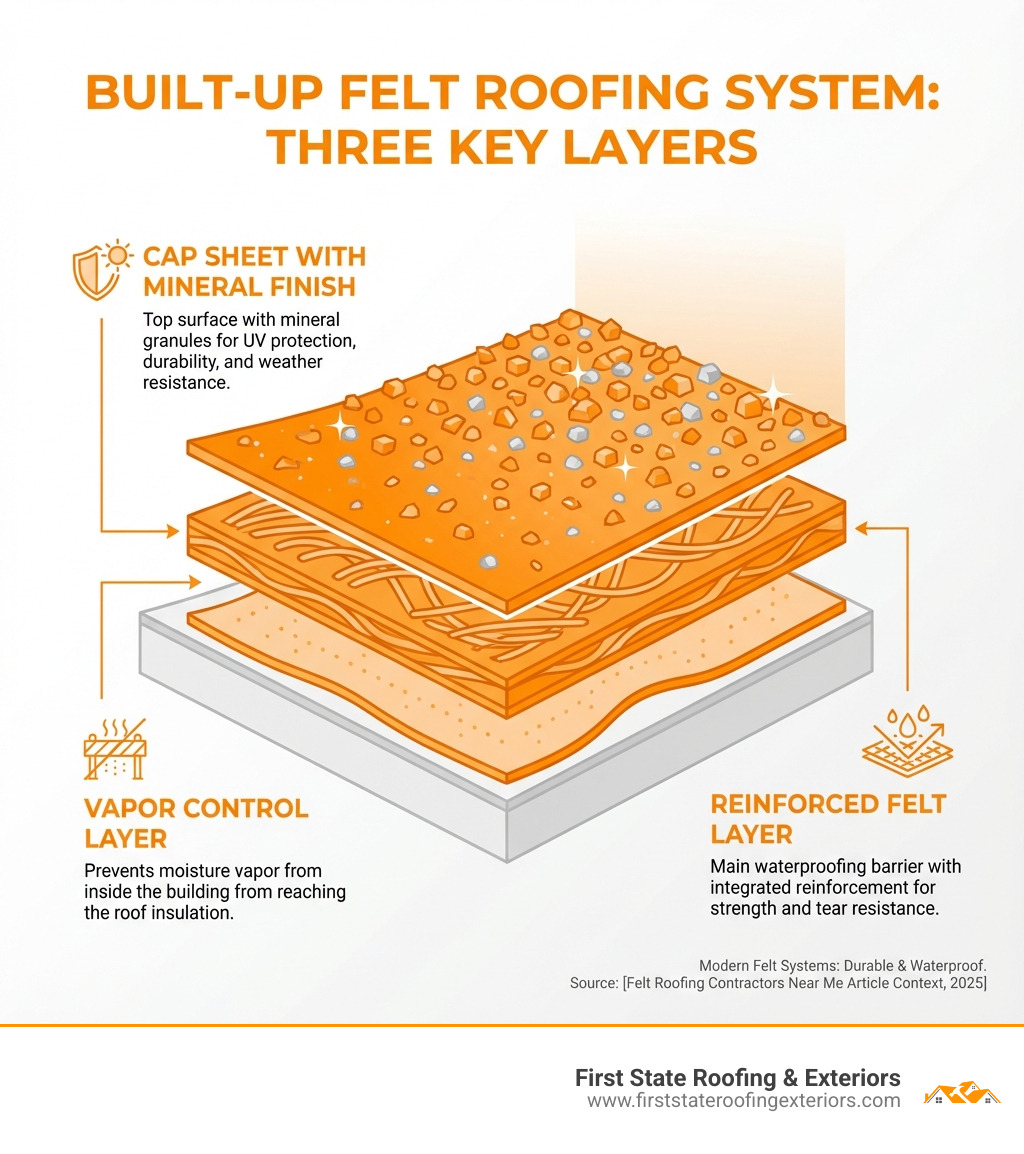
Felt roofing—also called built-up roofing (BUR) or torch-down roofing—consists of multiple layers of reinforced bitumen material that create a durable, waterproof barrier. Modern systems typically last 10-15 years with proper installation and maintenance, making them a smart choice for budget-conscious property owners who want proven protection.
The catch? Installation quality matters more than the material itself. Poor workmanship leads to leaks, blistering, and premature failure. That’s why vetting your contractor is critical.
I’m Richard McCain, Owner and President of First State Roofing & Exteriors. With over 20 years of experience helping Delaware homeowners and businesses find the right roofing solutions, I’ve seen how asking the right questions before signing a contract saves thousands in repairs and ensures long-term peace of mind when working with felt roofing contractors near me.
Before you commit to any contractor, you need to know what services they offer, what guarantees they provide, and how to spot red flags. This guide walks you through everything you need to ask—and what answers to expect—so you can hire with confidence.
For a free, no-obligation inspection and estimate, call (302) 222-4065 or visit our roofing services page to learn more.
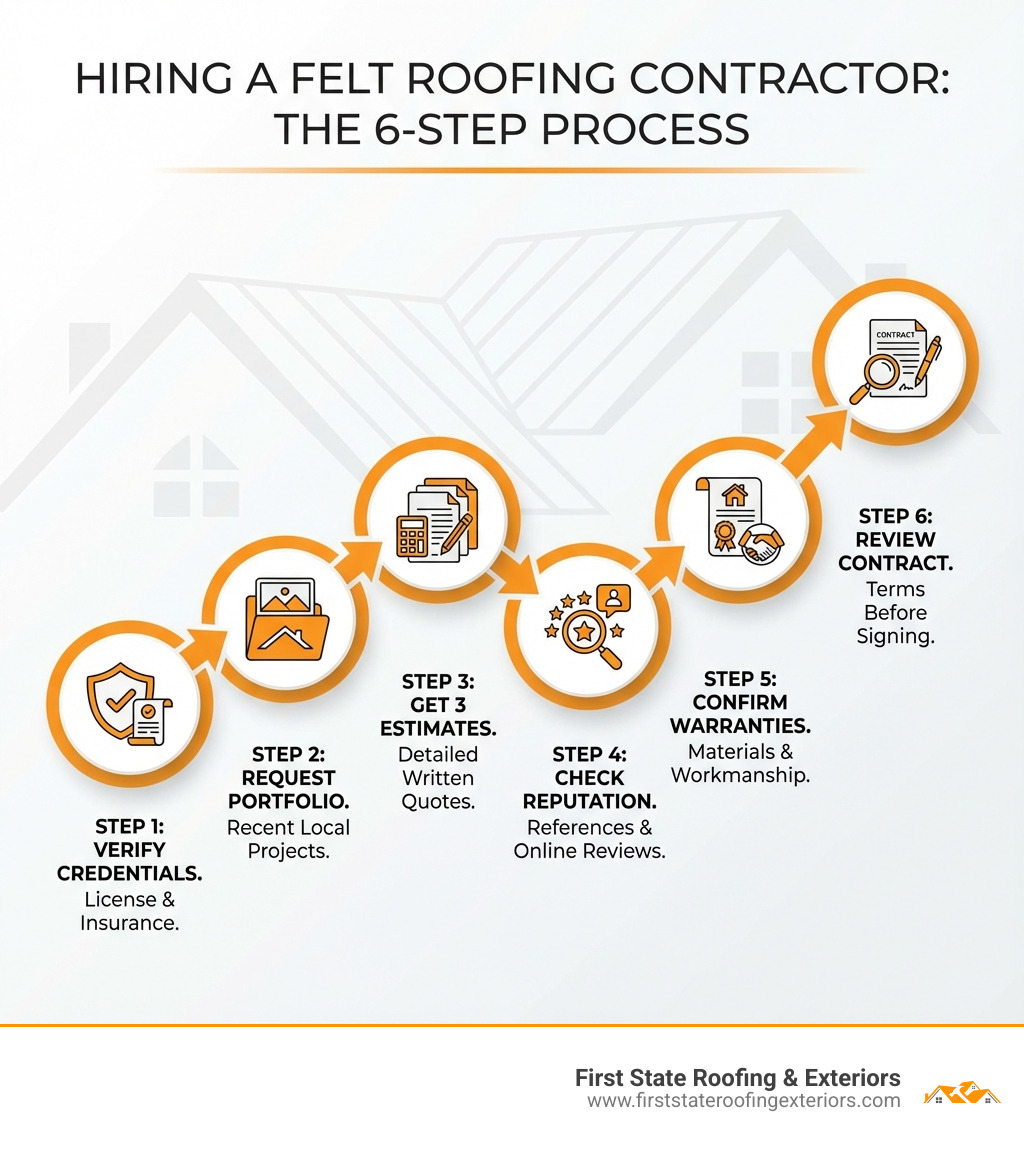
Basic felt roofing contractors near me vocab:
The Pros and Cons of Felt Roofing
Felt roofing has been a cornerstone of flat and low-slope roofing for decades, and for good reason. It’s valued for its affordability and proven waterproofing capabilities, but like any material, it has both strengths and limitations. Understanding these can help you determine if it’s the right choice for your property in Dover or Smyrna, DE.
A professionally installed felt roof delivers excellent protection. Modern felt systems, often made with modified bitumen, are designed to be more flexible and resilient than their predecessors. However, their lifespan may be shorter compared to some other flat roofing materials like EPDM or TPO, which can last 30-50 years with proper maintenance.
What is Felt Roofing?
Felt roofing, traditionally known as built-up roofing (BUR), consists of multiple layers of bitumen-saturated felt (often asphalt-saturated organic or fiberglass felts) alternating with layers of bitumen (asphalt or coal tar pitch), topped with a layer of aggregate (gravel) or a mineral-surfaced cap sheet. This multi-layer construction creates a robust, continuous membrane that is highly resistant to water penetration.
Modern felt roofing often refers to Modified Bitumen (Mod-Bit) systems. These are advanced asphalt-based products reinforced with polymers (either APP for plastic-like properties or SBS for rubber-like properties) to improve flexibility, durability, and resistance to temperature extremes. Mod-Bit systems are typically installed as a two or three-ply system, often torch-applied, self-adhered, or hot-mopped, making them a popular choice for flat roofs due to their ease of installation and excellent waterproofing.
Why is Felt Roofing a Good Option for Your Property?
Felt roofing is a smart choice for many properties, particularly those with flat or low-slope roofs where water drainage needs careful management. Here’s why:
- Cost-Effectiveness: Generally, felt roofing materials and installation are more budget-friendly than many other flat roofing options. This makes it an attractive solution for garages, sheds, extensions, and even larger commercial buildings where cost is a primary concern.
- Proven Waterproofing: The multi-layer construction of felt roofing creates a highly effective barrier against water. Each layer acts as an independent waterproof shield, providing redundancy and superior protection against leaks.
- Ease of Repair: Should a felt roof sustain damage, repairs are often straightforward and can be localized, extending the overall life of the roof without requiring a full replacement.
- Versatile Application: Felt roofing can be installed on various substrates and is suitable for roofs with minimal slopes, making it highly adaptable for different architectural designs common in Delaware.
- Durability: Modern modified bitumen felt roofs offer good resistance to punctures and tears, providing a robust surface that can withstand foot traffic and minor impacts.
Advantages and Disadvantages of Felt Roofing Compared to Other Materials
To make an informed decision, it’s helpful to see how felt roofing stacks up against other common flat roofing materials.
| Advantage | Disadvantage |
|---|---|
| Cost-Effective: Lower upfront costs compared to TPO, EPDM, or PVC. | Shorter Lifespan: Average 10-15 years, compared to 20-50+ years for EPDM/TPO. |
| Excellent Waterproofing: Multi-layer system offers robust leak protection. | Susceptible to UV/Heat: Traditional felts can degrade under intense UV and heat; modern Mod-Bit improves this. |
| Easily Repairable: Localized repairs are often simple and cost-effective. | Installation Sensitivity: Torch-applied systems require skilled labor and present fire risks if not done by experts. |
| Versatile Application: Works well on various flat and low-slope structures. | Requires Regular Maintenance: More prone to blistering, cracking, and ponding if not maintained. |
| Good Puncture Resistance: Modified bitumen offers improved durability against physical damage. | Less Energy Efficient: Dark surfaces absorb heat, though white cap sheets can mitigate this. |
While some modern materials like EPDM (rubber membrane) boast lifespans of over 50 years and TPO offers superior energy efficiency, felt roofing remains a reliable and economical choice, particularly for property owners prioritizing initial investment and straightforward maintenance. The key is to ensure it is installed by experienced felt roofing contractors near me who understand the nuances of the material and local climate challenges.
How to Find and Vet Local Felt Roofing Contractors
Selecting a qualified contractor is the most critical factor in achieving a long-lasting, leak-free felt roof. The quality of installation is just as important as the materials used. We can’t stress this enough: even the best materials will fail prematurely if installed incorrectly. Begin by gathering recommendations from neighbors and local sources in Dover and Smyrna, then thoroughly vet each candidate.
Key Qualities of the Best Felt Roofing Contractors Near Me
When searching for felt roofing contractors near me, you want to ensure you’re hiring a team that truly understands the local environment and has a proven track record. Here’s what to prioritize:
- Local Experience: A contractor with deep roots in Delaware, specifically in areas like Dover and Smyrna, will be familiar with our unique weather patterns—from hot, humid summers to frosty winters. This local knowledge is invaluable for selecting appropriate materials and installation techniques that can withstand our climate. We know the local building codes and regulations inside and out.
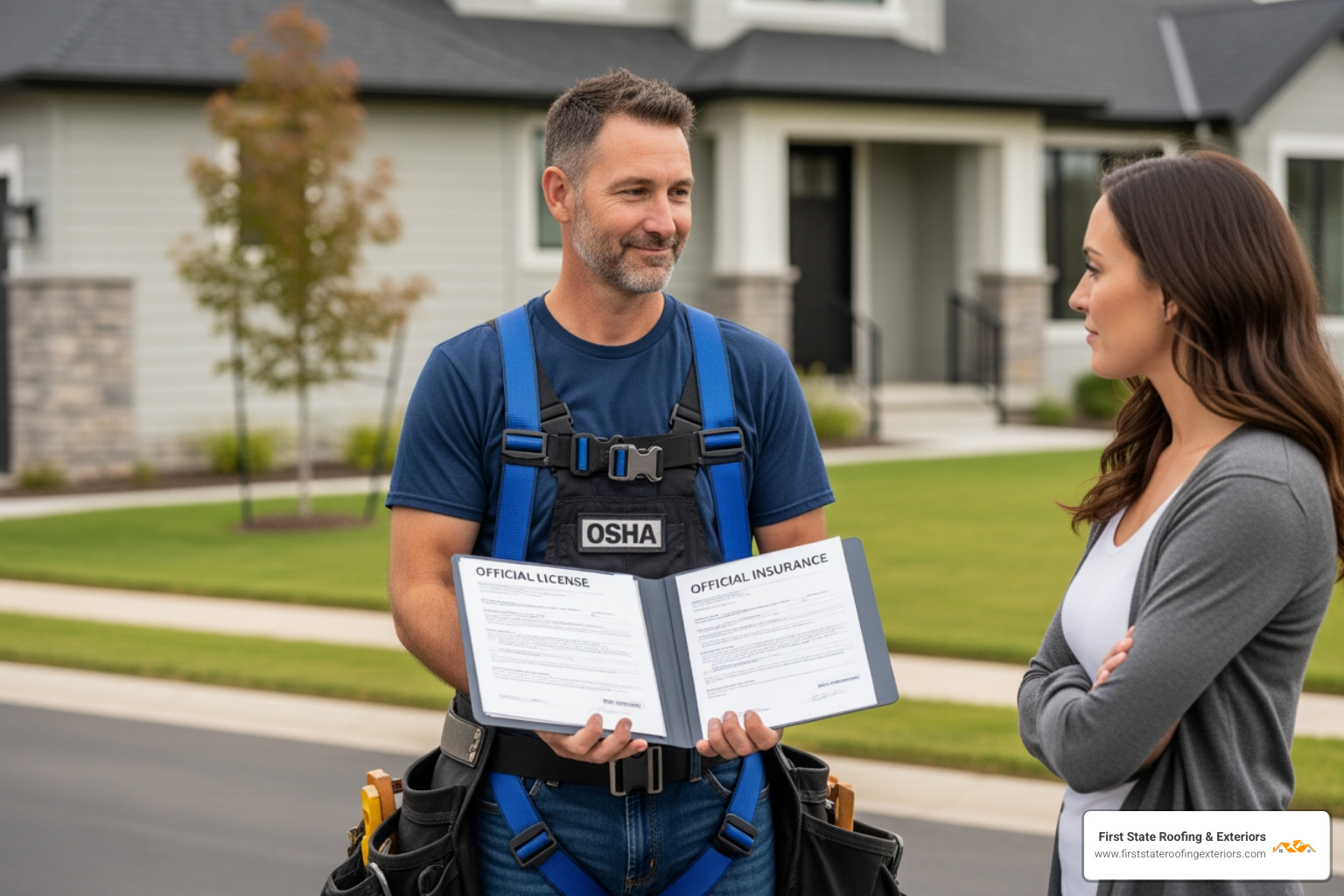
- Proper Licensing & Insurance: This is non-negotiable. Ensure any contractor you consider is fully licensed to operate in Delaware. More importantly, they must carry comprehensive liability insurance and worker’s compensation insurance. This protects you from financial responsibility if an accident occurs on your property or if there’s damage during the project. Always ask for proof and verify it.
- Manufacturer Certifications: Top manufacturers like GAF and CertainTeed offer certification programs for installers. While these might be more common for shingle roofing, some flat roofing manufacturers also have them. These certifications indicate that a contractor has received specialized training in installing specific products according to the manufacturer’s best practices. This often means they can offer improved warranties that cover both materials and workmanship. For example, a GAF Master Elite Contractor can offer superior warranties. This demonstrates a commitment to quality and ongoing education.
- Strong Customer Reviews: Reviews are gold. Check online platforms like Google, the Better Business Bureau (BBB), and social media for testimonials. Look for consistent positive feedback regarding professionalism, quality of work, communication, and adherence to timelines. An A+ rating with the BBB, for instance, speaks volumes about a company’s commitment to customer satisfaction.
- Transparent, Detailed Quotes: A reputable contractor will provide a clear, itemized quote that breaks down all costs, including materials, labor, permits, disposal fees, and any potential contingencies. Be wary of vague estimates or contractors who pressure you into signing before you fully understand the scope and cost.
Services Offered by Local Felt Roofing Contractors
Beyond basic installation, quality felt roofing contractors near me offer a comprehensive suite of services to ensure your roof remains in top condition throughout its lifespan.
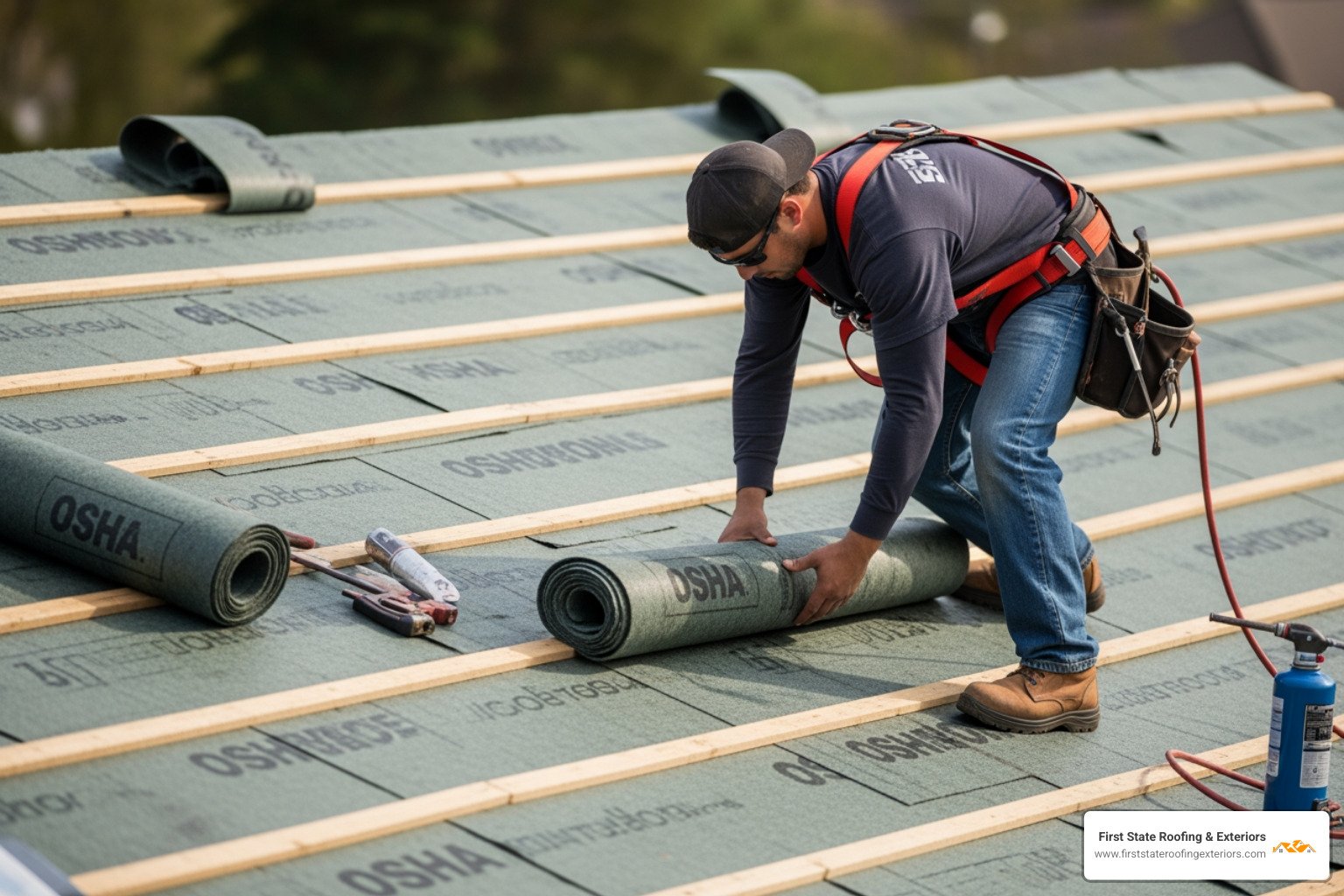
- New Felt Roof Installation: This is the core service, involving the precise application of modern felt systems (like modified bitumen) to new constructions or extensions. Our team ensures proper deck preparation, vapor barrier installation, and multi-layer application for a seamless, watertight finish.
- Complete Roof Replacement: If your existing felt roof is beyond repair, we specialize in removing the old system and installing a brand-new, high-performance felt roof. This includes assessing the underlying structure, making necessary repairs, and ensuring proper ventilation and drainage. Learn more about our Complete Roof Replacement services.
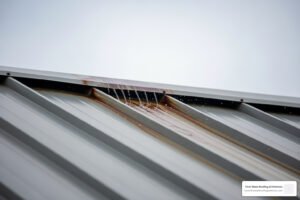
- Felt Roof Repairs (Leaks, Blisters, Tears): Even the most durable roofs can suffer damage over time. We expertly diagnose and repair common felt roof issues such as leaks, blisters (air or moisture trapped beneath the membrane), tears, punctures, and cracks. Prompt repairs are crucial to prevent minor issues from escalating into major structural damage.
- Routine Maintenance & Inspections: Proactive maintenance is key to maximizing your felt roof’s lifespan. We offer regular inspection programs to identify potential problems early, clear debris, and address minor wear and tear before it becomes costly.
- Residential and Commercial Services: Whether it’s a small residential garage or a large commercial flat roof, our expertise extends to properties of all sizes. We understand the different demands and regulations for both residential and commercial felt roofing projects.
- Gutter and Flashing Integration: A roof is only as good as its drainage system. We ensure that your gutters and flashing are properly installed and integrated with your felt roof to effectively channel water away from your building, protecting your foundation and exterior walls.
10 Essential Questions to Ask Before Hiring
Once you have a shortlist of felt roofing contractors near me, asking the right questions will help you identify the most reliable and skilled professional for your project. Reputable contractors will provide clear, detailed answers to the following, giving you confidence in their abilities and commitment.
-
Are you licensed and insured in Delaware?
- Why it matters: This is fundamental. A license confirms they meet state requirements, and insurance protects you from liability. Without it, you could be held responsible for accidents or property damage.
- What to look for: Ask for current license numbers and certificates of insurance for both general liability and worker’s compensation. Don’t just take their word for it; verify with the issuing authorities.
-
Can you provide a portfolio of recent felt roofing projects?
- Why it matters: Seeing is believing. A portfolio demonstrates their experience with felt roofing specifically, allowing you to assess the quality and consistency of their work.
- What to look for: Photos of completed felt roofs, ideally in your local area (Dover, Smyrna, DE). Pay attention to details like seams, flashing, and overall finish.
-
What type of felt roofing system do you recommend for my property and why?
- Why it matters: There are different types of felt roofing (e.g., traditional BUR, Modified Bitumen with APP or SBS polymers). A knowledgeable contractor will assess your specific roof (slope, existing conditions, budget, desired lifespan) and recommend the most suitable system, explaining the pros and cons.
- What to look for: A clear explanation of the chosen system, its benefits for your property, and how it addresses your needs. They should be able to discuss the lifespan and performance differences between various options.
-
What manufacturer warranties and workmanship guarantees do you offer?
- Why it matters: Warranties protect your investment. Manufacturer warranties cover material defects, while workmanship guarantees cover installation errors.
- What to look for: Look for a comprehensive warranty that covers both materials (often 10-20 years for felt) and the contractor’s labor (typically 5-10 years). Understand what voids the warranty and ensure it’s in writing. Contractors who are certified installers for top brands can often offer improved warranties that provide superior protection.
-
How will you protect my property during the installation process?
- Why it matters: Roofing projects can be messy and potentially damaging to your landscaping, siding, and other property features.
- What to look for: A detailed plan for protecting vulnerable areas, including using tarps, plywood, and magnetic sweeps for nails. They should also outline their debris removal and cleanup procedures.
-
What is the estimated timeline for the project?
- Why it matters: Understanding the timeline helps you plan and minimizes disruption to your daily life.
- What to look for: A realistic start and completion date, considering weather conditions and material availability. Most residential felt roofing jobs can be completed in a few days, but larger commercial projects will take longer.
-
Who will be the on-site project manager?
- Why it matters: A dedicated point of contact ensures smooth communication and accountability throughout the project.
- What to look for: A clear answer on who will oversee the work daily, how you can contact them, and their level of experience.
-
How do you handle unexpected issues or costs?
- Why it matters: Surprises can happen, especially with older roofs. A transparent contractor will have a clear process for addressing unforeseen problems.
- What to look for: A policy that requires your approval for any additional work or costs, along with a detailed explanation of the issue and proposed solution before proceeding.
-
What does your quote include (materials, labor, cleanup, disposal)?
- Why it matters: A comprehensive quote prevents hidden fees and ensures you know exactly what you’re paying for.
- What to look for: An itemized list covering all aspects, from materials and labor to permits, waste disposal, and site cleanup. Any exclusion should be clearly stated.
-
Can you provide local references I can contact?
- Why it matters: Speaking directly with past clients provides invaluable insight into a contractor’s reliability, professionalism, and quality of work.
- What to look for: Ask for at least three recent references, ideally from felt roofing projects similar to yours in Dover or Smyrna, DE. Contact them and ask about their overall experience, adherence to budget and schedule, and satisfaction with the final product.
Lifespan, Costs, and Maintenance of Your Felt Roof
A felt roof’s longevity and performance depend on both the quality of installation and ongoing maintenance. While felt roofs have an average life of 10-15 years, modern high-performance modified bitumen systems can often exceed this with proper care. Understanding these factors is crucial for any property owner.
Signs Your Felt Roof Needs Repair or Replacement
Knowing when to call in the professionals can save you significant money and prevent extensive damage to your property. Here are the key indicators that your felt roof needs attention:
- Visible Tears or Punctures: Any rips, cuts, or holes in the felt membrane compromise its waterproofing. These can be caused by falling debris, foot traffic, or even animal activity.
- Water Leaks or Indoor Stains: This is the most obvious sign. If you notice water spots on your ceiling, dripping, or dampness in the attic or top floors, your roof is failing. Don’t ignore small leaks; they can lead to significant structural damage and mold growth.
- Sagging or Depressions: Areas where the roof deck sags or depressions form indicate structural issues or accumulated moisture within the roofing layers. These spots also tend to collect water, leading to ponding.
- Loose or Damaged Flashing: Flashing around chimneys, vents, skylights, and parapet walls is critical for preventing leaks. If it’s loose, cracked, or corroded, water can easily seep into your building.
- Significant Granule Loss from the Cap Sheet: The top layer of a felt roof often has mineral granules that protect it from UV radiation. If you notice excessive granules in your gutters or bare spots on the roof, it indicates the cap sheet is degrading, leaving the underlying layers vulnerable.
- Blistering, Cracking, or Alligatoring: Blisters are bubbles on the roof surface caused by trapped moisture or air. Cracks and “alligatoring” (a pattern of fine cracks resembling alligator skin) indicate the felt is drying out, losing its elasticity, and beginning to fail.
- Ponding Water: While flat roofs aren’t perfectly flat, water should drain within 48 hours. Persistent standing water (ponding) accelerates roof deterioration, leading to membrane breakdown and potential leaks.
If you observe any of these signs, it’s time to contact experienced felt roofing contractors near me for an inspection. Ignoring these warnings can lead to more costly repairs or even a full roof replacement down the line.
Extending Your Roof’s Life and Understanding Costs
Maximizing the life of your felt roof and managing its costs involves a combination of proactive care and understanding the factors that influence pricing.
- Regular Inspections: We recommend at least annual inspections, ideally in spring and fall, to catch minor issues before they become major problems. After severe weather events, an additional inspection is a good idea. This proactive approach can double your roof’s lifespan.
- Keeping the Roof Clear of Debris: Leaves, branches, and other debris can trap moisture, promote vegetation growth, and clog drainage systems. Regularly clear your roof surface and gutters to ensure proper water flow.
- Ensuring Proper Drainage: Standing water is the enemy of any flat roof. Ensure scuppers, drains, and gutters are free of obstructions. If ponding is a persistent issue, discuss solutions like tapered insulation with your contractor.
- Proactive Repairs: Don’t wait for a leak to become a cascade. Address small tears, cracks, or loose flashing promptly. Early intervention is always less expensive than extensive repairs or a full replacement. Our team offers emergency roof repair services for those unexpected moments.
Cost Factors for Felt Roofing: The average cost of felt roofing installation or repair varies significantly based on several key factors:
- Roof Size and Complexity: Larger roofs naturally require more materials and labor. Complex roofs with many penetrations (vents, skylights) or irregular shapes will also increase costs due to the intricate work involved.
- Material Quality: There are different grades of felt and modified bitumen. High-performance, multi-ply modified bitumen systems with advanced polymers will cost more than basic felt, but they offer superior durability and longevity.
- Accessibility: If your roof is difficult to access, requiring specialized equipment or additional safety measures, labor costs may be higher.
- Labor Rates: These vary by region and the contractor’s experience and reputation. Highly skilled and certified felt roofing contractors near me may charge more, but their quality of work often justifies the investment.
- Existing Roof Condition: If your old roof needs extensive repairs or a full tear-off before the new installation, this will add to the overall cost. Installing a new roof over an existing one (a “recover”) can be cheaper but is only possible if the underlying structure is sound.
- Local Expertise: For areas like Seaford, DE, local contractors understand the specific climate challenges and building codes, ensuring a compliant and durable installation.
While we can’t give an exact figure without an inspection, it’s important to know that professional installation using quality materials will always provide the best long-term value. We pride ourselves on providing clear, upfront pricing and detailed estimates.
Conclusion: Work with a Trusted Local Felt Roofing Expert
Choosing the right felt roofing contractor directly impacts the safety, value, and longevity of your property. By understanding the material, knowing what to look for in a professional, and asking the right questions, you can confidently select a team that delivers a high-quality, durable roof. A cheap roof is rarely a good roof, and quality installation is paramount for felt systems.
For Delaware homeowners and business owners, partnering with a local, family-owned company like First State Roofing & Exteriors ensures service custom to our region’s climate and building styles. We bring over 20 years of experience, a commitment to integrity, transparency, and 24/7 availability for repairs, ensuring your peace of mind. We maintain the highest standards across all roofing systems and materials through comprehensive certifications, including GAF, CertainTeed, and Malarky, giving you confidence in our expertise.
Don’t leave your roof to chance. First State Roofing & Exteriors gives free estimates. To schedule your free inspection, call (302) 222-4065 or contact our team of local roofing experts today. We’re here to protect your investment with lasting results.